
Which Style Suits You? A Deep Dive Into Traditional and Contemporary Interiors

Designing your home is one of the most personal journeys you will ever take. Your living space becomes more than just four walls—it becomes a reflection of who you are, your lifestyle, your tastes, and the life you aspire to live. Choosing between traditional and contemporary design styles often becomes the starting point of that journey. Both carry their own charm, strengths, and functional advantages, but the real magic lies in understanding which one aligns best with your personality and your home’s spatial requirements.
In a vibrant city like Bangalore, where modern skyscrapers stand alongside cultural heritage and where homeowners come from diverse backgrounds, the choice between traditional and contemporary interiors becomes even more nuanced. This is where Avinnyya, one of Bangalore’s trusted interior design firms, helps homeowners make informed and inspired design decisions. Whether you are drawn to the richness of heritage or the sleekness of modernity, understanding each style deeply allows you to create a home that feels just right.
Understanding Traditional Interiors: Warm, Rich & Timeless
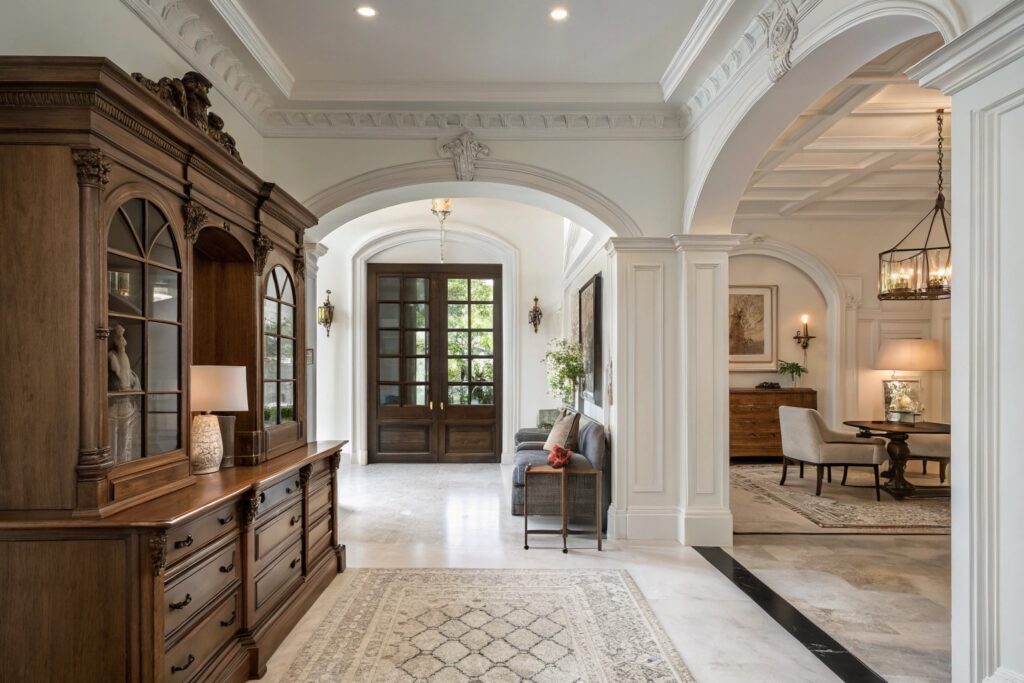
Traditional interior design captures the essence of culture, history, and artistic craftsmanship. It is rooted in classic design principles and draws heavily from Indian heritage, colonial influences, and artisanal work.
At its core, the traditional style is characterized by warmth, richness, and a sense of timelessness. Solid woods like rosewood and teak dominate furniture, often beautifully carved by skilled artisans. Fabrics such as silk, brocade, and handwoven textiles add layers of depth and luxury. Traditional homes often feature earthy or bold color palettes—maroons, greens, browns, golds—creating a cozy, inviting space filled with character.
Textural variety defines this style. From carved wooden furniture and brass lamps to hand-painted artwork and ornate mirrors, every element has a story to tell. Décor pieces like Tanjore paintings, Mysore artwork, or handcrafted sculptures breathe life into traditional settings. Symmetry, balance, and visual order are important; the layout tends to feel grounded and purposeful.
While traditional interiors offer unmatched charm, they also require thoughtful planning. These elements tend to be heavier, both visually and materially. Larger rooms, spacious apartments, and villas often provide the best canvas for this style. Maintenance is another consideration—wood, silk, and brass require periodic care to retain their beauty.
Still, many homeowners in Bangalore love traditional interiors because they create a warm, nostalgic environment that feels like home. For families that value cultural roots and long-term durability, traditional designs are an excellent choice.
Understanding Contemporary Interiors: Sleek, Minimal & Modern
Contemporary design reflects the spirit of the present—clean lines, simplicity, functionality, and openness. It’s an ever-evolving style that adapts to current trends, technology, and lifestyle demands.
In contemporary homes, less is more. Neutral color palettes such as whites, greys, beiges, and blacks form the base, while accent colors or textures add personality. Materials like glass, steel, engineered wood, and composites are common, making spaces feel airy, modern, and easy to maintain.
Layouts lean toward open-plan living, enhancing flow and maximizing natural light. Furniture is sleek and understated, designed for comfort without unnecessary ornamentation. Storage solutions are smart, modular, and often hidden, making contemporary design ideal for compact apartments and fast-paced urban living.
Lighting becomes a major design element—geometric pendant lights, recessed LEDs, cove lighting, and floor lamps work together to create a visual statement while enhancing functionality.
The charm of contemporary interiors lies in their versatility. While they may appear simple, they offer endless room for personalization through textures, wall art, indoor plants, sculptural décor, and creative lighting. Maintenance is generally minimal, making this style practical for modern Bangalore households.
However, some find contemporary spaces too stark if not accessorized thoughtfully. The key is to balance minimalism with meaningful décor so the home feels warm and inviting rather than cold and impersonal.
Traditional vs. Contemporary: A Detailed Comparison
A side-by-side understanding often makes choosing a style easier.
- Visual Aesthetics:
Traditional interiors are ornate, layered, and rich, whereas contemporary interiors are clean, sleek, and unembellished. One creates visual warmth; the other creates visual clarity. - Materials:
Traditional design relies heavily on natural, solid materials like teak, rosewood, brass, and natural stone. Contemporary design uses engineered wood, high-gloss laminates, glass, and metal—offering a polished look with lower maintenance. - Space Planning:
Traditional layouts are structured and formal. Contemporary spaces favor openness and fluidity, with multifunctional zones and less furniture density. - Budget:
Traditional interiors often require higher investment due to handcrafted elements. Contemporary interiors offer flexibility, allowing homeowners to scale costs based on materials and finishes. - Maintenance:
Traditional materials last long but demand regular upkeep. Contemporary materials are built for convenience and durability. - Personality:
Traditional suits those who value heritage and detail. Contemporary suits those who prefer minimalism, modernity, and functionality.
Understanding these contrasts helps homeowners determine which style aligns better with their lifestyle and personality.
How to Choose the Right Style for Your Home
Choosing between traditional and contemporary interiors is not just a design decision—it’s a lifestyle decision. Here are key factors that help determine your ideal style:
1. Your Personality & Preferences
If you love art, cultural motifs, and handcrafted décor, traditional interiors may resonate with you. If you prefer uncluttered spaces and modern aesthetics, contemporary design will likely appeal.
2. Your Space
Compact apartments benefit from contemporary solutions because they make the home feel larger. Villas or large apartments can easily embrace the richness of traditional elements.
3. Lighting & Ventilation
Traditional designs thrive in spaces with warm lighting, while contemporary ones shine in bright, well-lit environments.
4. Maintenance Lifestyle
If you have a busy schedule and prefer easy-to-clean surfaces, contemporary materials are ideal. If you appreciate heritage pieces and don’t mind occasional upkeep, traditional works beautifully.
Blending the Best of Both Worlds
In Bangalore’s rapidly evolving design landscape, many homeowners are increasingly choosing to blend traditional and contemporary styles. This fusion approach offers the warmth of heritage with the convenience of modernity.
Known as Modern-Indian fusion, this style balances traditional accents with contemporary layouts. For example, you may have an open-plan living room with sleek furniture but traditional artwork or a carved wooden swing as a focal point. A minimalist kitchen may sit harmoniously alongside an ornate pooja room. Neutral walls can provide the perfect backdrop for bold Indian textiles and décor.
The key to a successful blend is balance. Contemporary elements should form the base—like flooring, ceilings, and furniture—while traditional décor pieces serve as accents. Using a cohesive color palette helps merge the two styles seamlessly.
For homeowners who like both styles but don’t want to commit to one entirely, this hybrid design offers the perfect middle ground.
Room-by-Room Comparison: Traditional vs. Contemporary Choices
Living Room
A traditional living room features carved wooden sofas, silk upholstery, brass lamps, and antique center tables. A contemporary one includes sectional sofas, minimalist media units, floor lamps, and geometric decor.
Kitchen
Traditional kitchens use wooden cabinetry and ornate handles. Contemporary kitchens rely on modular solutions, quartz countertops, push-to-open drawers, and soft-close mechanisms.
Bedroom
Traditional bedrooms include four-poster beds, handcrafted side tables, and heavy drapes. Contemporary bedrooms embrace platform beds, sliding wardrobes, and modern lighting.
Bathroom
Traditional bathrooms integrate patterned tiles, vintage mirrors, and brass fixtures. Contemporary ones prefer glass partitions, floating vanities, and concealed lighting.
Dining Area
Traditional dining rooms use solid wood dining sets with intricate detailing. Contemporary designs favor marble or glass tops and sleek chairs.
Pooja Room
Traditional pooja rooms are the highlight of Indian homes—carved mandirs, brass bells, lamps, and incense holders. Contemporary versions include floating shelves, backlit panels, and clean-lined designs with spiritual symbolism.
How Avinnyya Helps You Find Your Perfect Design Style
Design decisions become easier when guided by experts who understand your needs. Avinnyya helps homeowners in Bangalore find their ideal style through:
Personalized Design Consultations
The team spends time understanding your lifestyle, personality, aesthetic preferences, and functional needs.
Mood Boards & 3D Visualizations
Visual concepts help clients explore traditional, contemporary, or blended styles before execution.
Material Curation
Access to high-quality materials—from authentic woods and artisanal décor to modern engineered surfaces.
Space Optimization for Bangalore Homes
Expertise in designing for compact city apartments as well as spacious villas.
Seamless Fusion Styles
If you’re someone who loves both traditions and modernity, Avinnyya excels at crafting balanced fusion designs.
End-to-End Execution
From carpentry to lighting, civil work to décor, everything is handled with precision and professionalism.
With their extensive experience in Bangalore homes, Avinnyya ensures that your home not only looks stunning but also functions beautifully for everyday living.
Cost Considerations: Traditional vs. Contemporary Interiors in Bangalore
Designing your home is an investment. Traditional interiors generally cost more due to carved furniture, premium fabrics, and handcrafted elements. Solid wood, brass accessories, and expensive textiles add to the budget.
Contemporary designs offer a wider budget range, especially with modular solutions, engineered wood, and factory-finished elements. Execution is faster and maintenance costs are minimal.
The long-term cost also depends on upkeep. Traditional materials may require polishing or restoration, whereas contemporary finishes last longer with little effort.
Your design budget ultimately depends on materials, customization, and the scope of work.
Interior Design Trends to Watch (2025 and Beyond)
Sustainability
Eco-friendly materials and recycled décor are becoming increasingly popular.
Smart Homes
Contemporary homes are embracing IoT, lighting automation, and voice-controlled appliances.
Neo-Traditional Revival
Artisanship, handwoven fabrics, and classical motifs are making a comeback.
Minimal but Bold Modernism
Sculptural furniture, statement lighting, and textured walls are redefining contemporary living.
Final Verdict: Which Style Should You Choose?
Traditional interiors are perfect for those who value timeless elegance, cultural warmth, and handcrafted details. Contemporary interiors suit individuals who prioritize simplicity, function, and modern aesthetics. Both styles have their own charm—and your ideal style depends on your lifestyle, preferences, and space.
If you find yourself drawn to elements from both sides, the fusion approach offers the best of both worlds.
Ultimately, your home should feel like you—and the expertise of a design partner like Avinnyya ensures that your vision is translated beautifully and practically.
Conclusion
Choosing between traditional and contemporary interiors doesn’t have to be overwhelming. By understanding the essence of each style, evaluating your home’s needs, and aligning your preferences, you can create a living space that feels inspired and personal.
Whether you love the grandeur of traditional design or the sleekness of contemporary spaces, or even a thoughtful blend of both, Avinnyya helps bring your dream home to life with expert precision, aesthetics, and functionality.