
How to Create a Stylish Yet Sustainable Living Space – A Complete Guide by Avinnyya
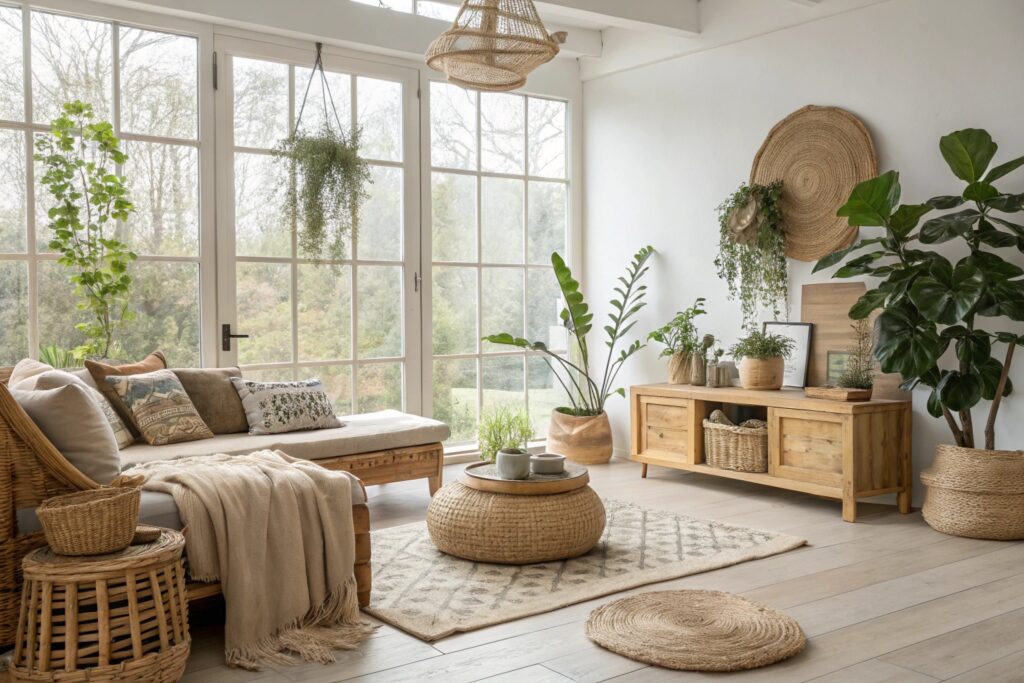

Creating a beautiful home has always been a priority for homeowners, but today, the world is embracing a new expectation—design that not only looks stunning but is also sustainable. As concerns about climate change, resource depletion, and indoor health grow, more families are realising that a home’s design must be both aesthetically pleasing and environmentally responsible. Sustainable interiors provide the best of both worlds: long-lasting beauty with mindful living.
At Avinnyya, a leading interior design studio in Bangalore, sustainability is woven into every project—not as an add-on, but as a core philosophy. The studio’s approach proves that eco-friendly living does not require compromise on style. In fact, thoughtful, sustainable choices often elevate a space far beyond conventional design. This detailed guide explores how anyone can build a stylish, eco-friendly home while enhancing comfort, efficiency, and overall quality of life.
Understanding Sustainable Interior Design
Sustainable interior design refers to creating spaces that minimise environmental impact, promote long-term durability, and enhance human well-being. It encourages homeowners to look beyond surface appeal and select materials, layouts, technologies, and lifestyle practices that support both the planet and personal health.
A sustainable living space focuses on reducing waste, choosing renewable or recycled materials, creating energy-efficient systems, and optimising natural elements. The result is a home that looks elegant, feels fresh, and remains efficient for years to come. The most compelling benefit is longevity: sustainable homes cost less to maintain over time, are healthier to live in, and adapt beautifully to changing needs.
In addition to environmental benefits, sustainable designs offer improved indoor air quality, lower energy bills, and a calmer, more mindful ambience. These choices also increase property value—buyers today actively seek eco-friendly upgrades and certification. Sustainable design is therefore not simply a trend; it is a lifestyle shift toward conscious, future-ready living.
Start with Smart Space Planning
The foundation of any sustainable home lies in its layout. Thoughtful planning ensures efficient use of available space, reduces material consumption, and supports natural resources like sunlight and air.
One of the simplest yet most effective strategies is maximising natural light. Bangalore enjoys abundant sunlight throughout the year, making it ideal for daylight-enhanced interiors. Positioning seating areas near windows, using reflective surfaces like light-toned floors, and incorporating glass partitions can brighten your home without increasing dependence on artificial lighting. Sheer curtains, open layouts, and cleverly placed mirrors further amplify natural illumination.
Ventilation plays an equally vital role. Cross-ventilation helps maintain fresh indoor air, reduces humidity, and improves energy efficiency. Removing unnecessary walls, using louvered doors, and aligning openings can significantly boost airflow. In compact apartments, innovative design elements—such as perforated partitions—maintain privacy while keeping the space breezy.
Decluttering is another sustainable practice. A clean, minimal layout encourages mindful consumption and reduces the need for extra materials. Built-in storage units, multi-functional furniture, and hidden shelving maintain order while optimising available space. By embracing functional minimalism, homeowners naturally create sustainable, calming environments.
Choose Eco-Friendly and Ethical Materials
Materials form the backbone of any interior project. Choosing sustainable alternatives significantly reduces environmental impact while adding character and warmth to the home.
Flooring is one area where eco-friendly materials shine. Bamboo flooring is becoming increasingly popular due to its rapid renewability, durability, and contemporary appeal. Cork is another standout option—comfortable underfoot and naturally resistant to mould. Reclaimed wood brings history and charm, while natural stone and terracotta tiles offer durability and timeless elegance. Each material has distinct benefits, giving homeowners the flexibility to match sustainability with personal style.
Wall finishes also define indoor health. Traditional paints often contain harmful VOCs (volatile organic compounds) that pollute indoor air. Switching to low-VOC or zero-VOC paints creates safer environments, especially for children and sensitive individuals. Clay-based or lime plaster walls offer breathability, moisture control, and an earthy aesthetic that enhances visual warmth.
Furniture selection is equally important. Solid wood furniture lasts longer than particle board, which often contains chemical adhesives. Choosing FSC-certified wood ensures responsible sourcing. Ethical furniture handmade from materials like rattan, jute, and reclaimed timber supports artisans while reducing industrial waste. Modular furniture is another sustainable choice—it adapts to changing needs and reduces unnecessary replacement.
Soft furnishings also influence sustainability. Fabrics such as organic cotton, linen, hemp, and bamboo are natural, biodegradable, and gentle on the skin. Handwoven throws, artisan-crafted rugs, and locally dyed cushions lend personality while maintaining eco-friendliness. These materials not only elevate décor but also contribute to cleaner indoor air and reduced environmental impact.
Energy-Efficient Lighting and Appliances
Lighting and appliances contribute significantly to a household’s energy consumption. Switching to energy-efficient alternatives is one of the easiest ways to make your home sustainable.
LED lights consume far less power and last longer than incandescent bulbs. Intelligent lighting systems such as motion sensors, dimmers, and automated timers reduce unnecessary usage. Layered lighting—combining ambient, task, and accent lights—creates luxurious visual depth without compromising efficiency.
Choosing energy-efficient appliances is equally essential. Opting for 5-star rated refrigerators, inverter ACs, induction cooktops, and low-consumption washing machines drastically lowers utility bills. These appliances use advanced technology to deliver better performance while conserving energy.
Solar power is another transformative addition. Bangalore’s weather makes rooftop solar panels an excellent investment for independent homes. Even smaller solutions—like solar garden lights or solar LED strips—add charm while reducing electricity usage. Integrating solar energy reduces environmental impact and offers long-term savings.
Embrace Biophilic Design
Biophilic design—bringing nature indoors—is one of the most beautiful and beneficial sustainable practices. It strengthens the connection between human lifestyle and natural elements, improving overall wellness.
Indoor plants are the simplest way to incorporate biophilia. Plants like snake plant, pothos, ZZ plant, and philodendron thrive easily in Bangalore’s climate and require minimal care. They purify the air, reduce stress, and create a tranquil environment. Larger living spaces can accommodate statement indoor trees like ficus or areca palms.
Beyond plants, biophilic design incorporates organic materials, textures, and patterns. Natural wooden furniture, stone countertops, clay décor, and wicker baskets add warmth and authenticity. Earthy colour palettes inspired by nature—olive greens, sand beiges, warm browns—create soothing atmospheres.
Outdoor extensions like balcony gardens, vertical green walls, and herb patches further enhance the connection with nature. These elements encourage mindfulness, improve mental health, and make the home feel more inviting and alive.
Reduce, Reuse, and Repurpose
Sustainability thrives on the principle of reducing waste and reusing materials. Creating stylish spaces does not always require new purchases—existing items can be given new life with creativity.
Upcycling old furniture is gaining widespread popularity. A vintage chest can become a centre table; an old ladder can turn into a rustic bookshelf. Reupholstering sofas, sanding and polishing wooden cabinets, or painting old chairs can make them look brand new. These personalised touches add a unique charm that mass-produced items often lack.
Waste management is also a pivotal element of sustainable living. Segregated bins, composting systems, and reusable cleaning materials help reduce landfill waste. Eco-friendly cleaning products ensure healthier indoor air, unlike chemical-heavy alternatives.
When discarding items, responsible disposal matters. Furniture in good condition can be donated, reducing demand for new materials and supporting community needs. Recycling centres can repurpose glass, metal, plastic, and paper into new resources, completing the sustainability cycle.
Water-Saving Solutions
Water conservation is crucial, especially in urban environments. Sustainable homes incorporate practical features like low-flow faucets, aerated showerheads, and dual-flush systems to significantly reduce water consumption.
Rainwater harvesting is an excellent addition for independent houses, helping store and reuse water for gardening, cleaning, or flushing. In kitchens and bathrooms, efficient plumbing design prevents leaks and promotes long-term sustainability. Combined, these solutions conserve water without affecting daily comfort.
Choose Local and Support Artisans
Supporting local craftsmanship is both sustainable and culturally enriching. Locally made products have lower carbon footprints due to minimal transportation and often feature superior handmade quality.
Bangalore and Karnataka host a wide range of artisans skilled in weaving, carpentry, pottery, and cane craft. Channapatna wooden toys, handwoven durries, terracotta décor, and cane furniture infuse tradition and authenticity into modern homes. Purchasing directly from artisans promotes ethical trade and keeps traditional crafts alive.
At Avinnyya, local sourcing is a priority. The team collaborates with regional craftsmen, ensuring each project supports community talent while reducing environmental impact. This blend of luxury and local artistry adds an unmatched soul to every home.
Sustainable Décor Choices
Sustainable décor extends beyond materials—it is a mindset. Rather than constantly buying new items, sustainable décor focuses on long-term value and timeless design.
Colour palettes play a major role. Earthy tones, pastels, and neutral shades offer elegance while complementing natural materials. Low-VOC paints ensure healthier indoor air. Styling techniques like layering textures, mixing natural fibres, and using handcrafted pieces create richness and warmth.
Durable décor elements such as ceramic vases, metal artworks, stone sculptures, terracotta planters, and woven baskets add personality without relying on short-lived trends. Avoiding plastic décor reduces environmental harm and maintains a cohesive, elevated style.
Long-Term Maintenance for a Sustainable Home
A sustainable home is not a one-time project—it is an ongoing lifestyle. Materials like wood, stone, and natural fabrics require regular care to maintain durability. Seasonal polishing, gentle cleaning agents, and proper ventilation preserve their lifespan.
Conducting periodic energy audits helps track electricity and water usage. Adopting mindful habits—like turning off unused lights, repairing leaks immediately, and avoiding unnecessary purchases—keeps the home environmentally balanced.
Small changes over time create a long-lasting impact.
Sustainable Design Mistakes to Avoid
While sustainable design is rewarding, there are common pitfalls to avoid. Many homeowners mistakenly buy “eco-friendly” products without checking certifications, resulting in greenwashing. Others overuse natural materials like exotic hardwoods, which can actually be harmful to the environment.
Minimalism is often misunderstood as being inexpensive, but true minimalism focuses on intentional choices, not cheap alternatives. Ignoring lifecycle costs is another error—sustainable materials sometimes cost more initially but save significantly over time.
Working with experts ensures your home aligns with both style and sustainability without falling into these traps.
How Avinnyya Helps You Design a Stylish, Sustainable Home
Designing a sustainable home is a meticulous process that requires knowledge of materials, spatial planning, craftsmanship, and technology. This is where Avinnyya excels. With extensive experience designing eco-conscious homes in Bangalore, the team integrates sustainability from the earliest stages of planning.
Their expertise includes selecting certified green materials, designing daylight-driven layouts, recommending energy-efficient appliances, incorporating biophilic elements, and sourcing from local artisans. Each project is customised to the family’s lifestyle, aesthetic preferences, and long-term goals.
Whether it’s a compact city apartment or a sprawling villa, Avinnyya transforms every space into a timeless blend of beauty, comfort, and sustainability. Homeowners gain not only a stylish residence but also a healthier and more mindful way of living.
Conclusion
Creating a stylish yet sustainable living space is a rewarding journey that elevates your home and your quality of life. By choosing eco-friendly materials, embracing natural light and ventilation, integrating greenery, supporting local artisans, and investing in efficient systems, you build a home that is vibrant, meaningful, and future-ready.
At Avinnyya, sustainability and style go hand in hand. With thoughtful design and conscious choices, any home can become an inspiring sanctuary that nurtures both its inhabitants and the planet. The path to a sustainable lifestyle begins with a single mindful decision—your home can be the perfect place to start.