
Space-Saving Interior Design: Smart Ways to Maximize Small Spaces
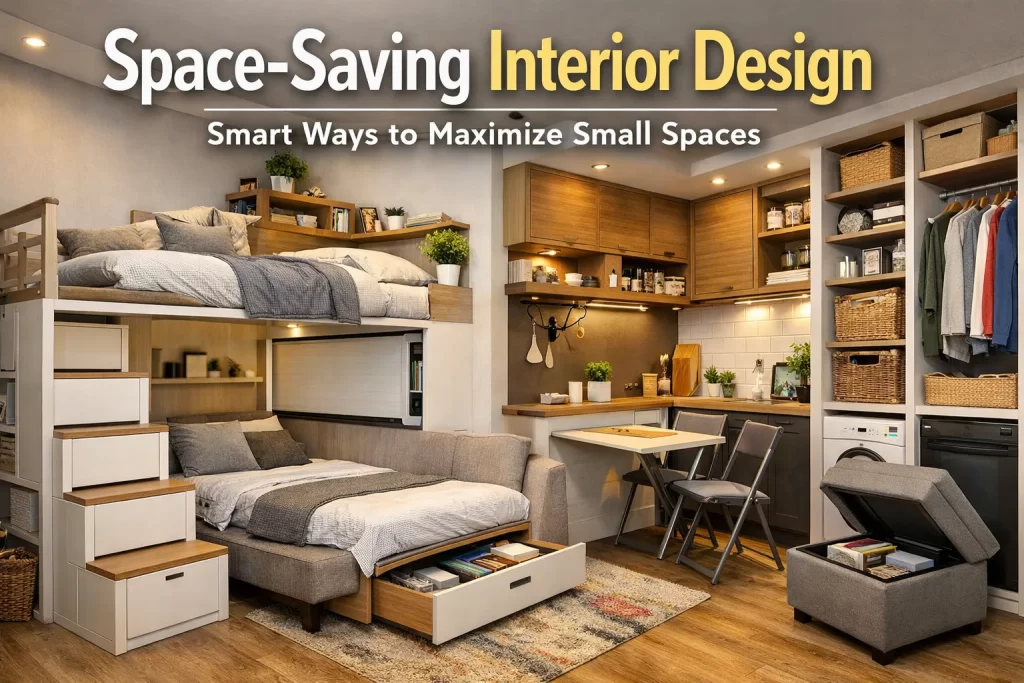

Modern homes are increasingly moving toward simplicity, functionality
Modern homes are evolving rapidly, especially in urban environments where living spaces are becoming smaller and more compact. Apartments, studio homes, and compact houses require thoughtful planning to ensure every inch of space is used efficiently. This is where space-saving interior design plays a crucial role. Instead of simply decorating a room, this approach focuses on creating interiors that are both functional and visually appealing while making the most of limited space.
Space-saving interior design combines creativity, practicality, and smart planning. From multifunctional furniture to clever storage solutions, designers now focus on maximizing usable space without compromising comfort or style. The goal is to make small spaces feel open, organized, and comfortable while ensuring that all essential functions of a home are preserved.
For homeowners living in compact apartments or smaller houses, implementing the right design strategies can dramatically improve the functionality of their home. With the right layout planning, furniture choices, and storage ideas, even the smallest room can feel spacious and inviting.
Why Space-Saving Interior Design Is Important in Modern Homes
The demand for space-efficient interiors has grown significantly over the past decade. With increasing urbanisation and rising property costs, many people now live in smaller homes. Space-saving interior design helps homeowners adapt to these changes while maintaining comfort and style.
The Rise of Compact Living
Cities around the world are experiencing a shift toward compact housing. Studio apartments, micro apartments, and smaller homes have become common, especially in urban areas. While these homes offer affordability and convenience, they also present a challenge when it comes to interior design.
Compact living requires smart planning. Traditional interior design approaches often focus on aesthetics alone, but modern homes demand functionality as well. Space-saving design helps homeowners create organized living environments where every piece of furniture and every corner serves a purpose.
Benefits of Space Optimization
Optimizing space offers several practical benefits. One of the biggest advantages is improved organization. When interiors are designed with smart storage solutions and efficient layouts, clutter can be minimized. This makes the home feel more comfortable and visually appealing.
Another benefit is improved movement within the house. Properly arranged furniture ensures that residents can move freely without feeling cramped. Additionally, efficient design often makes rooms appear larger than they actually are by using visual tricks such as mirrors, lighting, and color schemes.
Space-saving interiors also encourage minimalism. By focusing on essential items and avoiding unnecessary furniture, homeowners can create a cleaner and more peaceful living environment.
Ideal Homes for Space-Saving Design
While space-saving design can benefit any home, it is particularly useful for compact living spaces. Studio apartments, small bedrooms, compact kitchens, and urban apartments can greatly benefit from this approach. Even larger homes can adopt space-saving strategies to improve organization and functionality.
Core Principles of Space-Saving Interior Design
Successful space optimization begins with understanding the core principles behind space-saving interior design. These principles guide designers in creating efficient and practical living spaces.
Functionality First
The most important rule of space-saving design is prioritizing functionality. Every piece of furniture and every design element should serve a purpose. Instead of filling rooms with decorative pieces that take up space, designers focus on practical solutions that enhance usability.
For example, a coffee table with hidden storage can serve both decorative and functional purposes. Similarly, foldable furniture can be used only when needed, freeing up space when not in use.
Minimalism and Smart Layout Planning
Minimalism is closely linked with space-saving interior design. A cluttered room instantly feels smaller and more restrictive. By reducing unnecessary items and focusing on essential elements, designers create interiors that feel open and breathable.
Smart layout planning also plays a key role. Furniture should be arranged in a way that maximizes movement and accessibility. Open layouts often work well in small spaces because they remove visual barriers and create a sense of openness.
Vertical Space Utilization
Many homeowners overlook the potential of vertical space. Walls offer valuable storage opportunities that can help free up floor space. Tall cabinets, wall-mounted shelves, and hanging storage systems allow homeowners to organize belongings without overcrowding the room.
Hidden Storage Solutions
Hidden storage is another essential element of space-saving interior design. Furniture with concealed compartments helps maintain a clean and organized appearance while providing additional storage. Storage beds, ottomans with hidden space, and built-in cabinets are common examples.
Multifunctional Furniture for Small Spaces
Furniture plays a critical role in determining how efficiently a space is used. Multifunctional furniture pieces are specifically designed to perform multiple tasks, making them ideal for small homes.
Sofa Cum Beds
Sofa beds are one of the most popular space-saving furniture solutions. During the day they function as comfortable seating, and at night they transform into beds. This makes them perfect for studio apartments or homes with limited guest accommodation.
Foldable Dining Tables
Traditional dining tables often take up significant space. Foldable or extendable dining tables provide flexibility. They can remain compact during everyday use and expand when hosting guests or family gatherings.
Wall-Mounted Desks
With remote work becoming more common, home offices are increasingly important. Wall-mounted desks are an excellent solution for small homes because they occupy minimal space and can often be folded away when not in use.
Storage Beds
Beds occupy a large portion of bedroom space. Storage beds with built-in drawers or lift-up compartments make use of the space underneath the mattress, allowing homeowners to store bedding, clothing, or seasonal items.
Expandable Furniture
Expandable furniture provides flexibility in small spaces. Extendable tables, modular sofas, and adjustable shelving systems allow homeowners to adapt their furniture according to their needs.
Smart Storage Ideas to Maximize Space
Effective storage solutions are the backbone of space-saving interior design. Without proper storage, even well-designed homes can quickly become cluttered.
Built-In Storage Units
Built-in cabinets are an excellent way to maximize storage without occupying additional floor space. These units are integrated into walls and designed to match the overall interior style of the home.
Under-Stair Storage
In duplex homes or houses with staircases, the space underneath the stairs is often unused. Designers can transform this area into cabinets, bookshelves, or even small workspaces.
Hidden Compartments
Hidden storage compartments help maintain a clean and minimal appearance. Furniture pieces such as coffee tables, benches, and ottomans can include concealed storage areas.
Overhead Cabinets
Overhead cabinets are particularly useful in kitchens and bedrooms. These cabinets extend upward toward the ceiling, utilizing vertical space effectively.
Floating Shelves
Floating shelves provide both storage and decorative opportunities. They can display books, plants, and decorative items while keeping the floor space clear.
Space-Saving Interior Design for Different Rooms
Each room in a house has unique requirements. Applying space-saving techniques according to the function of each room ensures maximum efficiency.
Living Room Space Optimization
Living rooms often serve multiple purposes, including relaxation, entertainment, and social gatherings. Wall-mounted TV units, compact sectional sofas, and storage coffee tables help keep the space organized while maintaining comfort.
Minimal furniture layouts also help create an open and welcoming atmosphere.
Small Bedroom Design Ideas
Bedrooms should feel calm and comfortable, even when space is limited. Sliding wardrobes are a great solution because they do not require additional clearance for doors. Floating nightstands and storage beds further improve functionality.
Light color palettes also help create the illusion of a larger space.
Compact Kitchen Design
Kitchens require efficient storage and organization. Modular cabinets, pull-out pantry systems, and corner storage units make it easier to utilize every inch of space. Wall-mounted racks and magnetic strips can hold utensils and cooking tools.
Small Bathroom Solutions
Bathrooms can benefit greatly from space-saving designs. Floating vanities create the illusion of more floor space, while mirror cabinets provide hidden storage. Glass shower partitions help maintain visual openness.
Home Office in Small Spaces
A compact home office can be created even in small apartments. Foldable desks, wall-mounted shelves, and ergonomic chairs allow homeowners to create productive workspaces without dedicating an entire room.
Color and Lighting Tricks to Make Small Spaces Look Bigger
Interior designers often use visual techniques to make compact spaces feel larger.
Light Color Palettes
Light colors such as white, beige, and soft pastels reflect light and create a sense of openness. Dark colors can make rooms feel smaller, so they should be used carefully in compact spaces.
Mirrors for Visual Expansion
Mirrors reflect light and create the illusion of depth. Strategically placing mirrors opposite windows or light sources can make rooms appear larger and brighter.
Smart Lighting Placement
Layered lighting is essential in small spaces. Combining ambient, task, and accent lighting creates depth and prevents dark corners.
Natural Light Utilization
Maximizing natural light is one of the easiest ways to make interiors feel more spacious. Large windows, sheer curtains, and minimal window coverings help bring in more daylight.
Vertical Design Strategies for Maximum Efficiency
Vertical design solutions help homeowners use wall height effectively.
Tall Cabinets
Floor-to-ceiling cabinets offer significant storage capacity while maintaining a clean appearance.
Loft Beds
Loft beds are particularly useful in children’s rooms or studio apartments. The space underneath can be used for desks, wardrobes, or seating areas.
Wall Storage Systems
Wall-mounted storage systems provide organized storage for books, decorations, and everyday essentials.
Decluttering Techniques for Space Optimization
Even the best design cannot compensate for clutter. Maintaining an organized home is essential for effective space management.
The Minimalist Lifestyle
Minimalism encourages homeowners to keep only essential items. This reduces clutter and improves overall organization.
Organized Storage Systems
Categorizing and labeling storage spaces makes it easier to find items and maintain order.
Hidden Storage Furniture
Using furniture with hidden compartments helps keep items out of sight while maintaining accessibility.
Professional Interior Design vs DIY Space Planning
While some homeowners attempt DIY interior planning, professional designers often achieve better results because they understand space planning, ergonomics, and aesthetics.
Professionals can identify hidden opportunities for storage and layout optimization that homeowners might overlook. They also ensure that furniture placement, lighting, and color schemes work together to create a cohesive design.
Conclusion
Space-saving interior design is more than just a trend—it is a necessity for modern living. As homes become smaller and lifestyles become more dynamic, efficient design solutions are essential for maintaining comfort and functionality.
By incorporating multifunctional furniture, smart storage solutions, and thoughtful layouts, homeowners can transform even the smallest spaces into organized and stylish environments. With the right design strategies, compact homes can feel spacious, practical, and visually appealing.
Ultimately, successful space-saving design is about balance. It combines creativity, practicality, and careful planning to create homes that truly maximize every inch of available space.
, and calm living environments. One design approach that perfectly represents these values is minimalist interior design. Minimalist home interiors focus on creating clean, uncluttered spaces where every element has a purpose and contributes to the overall harmony of the home.
In today’s fast-paced world, many homeowners are realizing the benefits of simplifying their living spaces. A minimalist home eliminates unnecessary items and replaces them with thoughtfully designed furniture, neutral color palettes, and well-organized layouts. The result is a home that feels peaceful, spacious, and visually balanced.
Minimalist interiors are not about removing personality or warmth from a home. Instead, they focus on intentional design—choosing quality materials, functional furniture, and timeless aesthetics. This design philosophy allows homeowners to enjoy spaces that are both beautiful and practical.