
Scandinavian Interior Design: A Complete Guide to Minimalist & Cozy Living
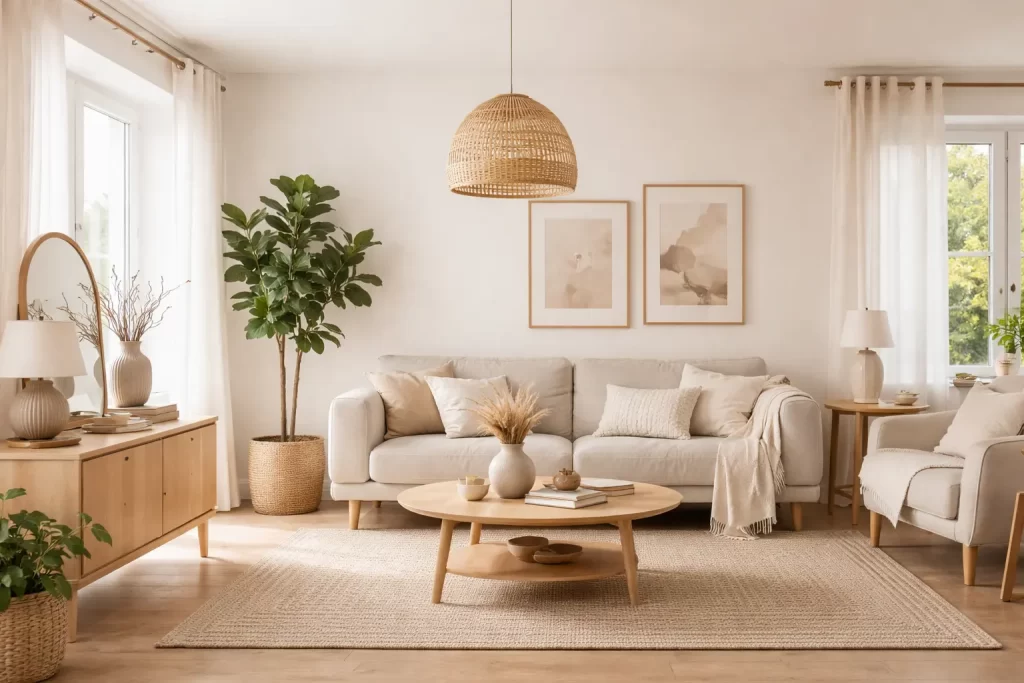

Scandinavian interior design has become one of the most sought-after styles in modern homes due to its perfect balance of simplicity, functionality, and warmth. Rooted in the Nordic regions of Denmark, Sweden, and Norway, this design philosophy emphasizes clean lines, natural materials, and a clutter-free aesthetic that promotes both comfort and efficiency. In today’s fast-paced lifestyle, homeowners are increasingly drawn to interiors that feel calm, organized, and inviting—qualities that define Scandinavian design.
For Indian homeowners, especially those living in urban apartments, this style offers practical solutions for maximizing space while maintaining elegance. At Avinnyya, we specialize in adapting global design trends like Scandinavian interiors into Indian homes, ensuring they align with local climates, lifestyles, and preferences.
Introduction to Scandinavian Interior Design
Scandinavian interior design is more than just a visual style; it is a way of living that prioritizes simplicity, comfort, and functionality. Emerging in the early 20th century and gaining global popularity in the 1950s, this design approach was shaped by the harsh Nordic winters, where maximizing light and creating warm interiors became essential.
The philosophy revolves around creating spaces that are practical yet beautiful, minimal yet cozy. Unlike overly decorative styles, Scandinavian interiors rely on subtle elegance and thoughtful design elements. The focus is on creating a harmonious environment where every piece serves a purpose while contributing to the overall aesthetic.
Core Principles of Scandinavian Design
Minimalism with Purpose
At the heart of Scandinavian design lies minimalism, but not the cold or empty kind. Instead, it is purposeful minimalism where every item has a role to play. The idea is to eliminate unnecessary clutter and focus on essentials that enhance both functionality and beauty. Clean surfaces, open spaces, and a restrained color palette help create a sense of calm and order.
Functionality First
Functionality is a key driver in Scandinavian interiors. Furniture and layouts are designed to support daily activities efficiently. Multi-functional furniture, such as storage beds or extendable dining tables, ensures that even small spaces remain practical and comfortable. This approach is particularly beneficial for modern Indian homes where space optimization is crucial.
Connection with Nature
Scandinavian homes strongly emphasize a connection with nature. This is achieved through the use of natural materials like wood, stone, and textiles, as well as by maximizing natural light. Large windows, light curtains, and indoor plants help bring the outdoors inside, creating a refreshing and serene atmosphere.
Comfort & Hygge Concept
A unique aspect of Scandinavian design is the concept of “Hygge,” a Danish term that represents coziness, comfort, and well-being. This is reflected in soft furnishings, warm lighting, and inviting spaces that encourage relaxation. Hygge transforms minimal interiors into warm and livable environments.
Key Elements of Scandinavian Interior Design
Neutral Color Palette
Scandinavian interiors predominantly feature neutral colors such as white, grey, beige, and soft pastels. These shades help reflect natural light and make spaces appear larger and brighter. While the base palette remains subtle, occasional accents in muted blues, greens, or blacks are used to add depth and character.
Natural Materials
Natural materials are a defining feature of Scandinavian design. Light-toned woods like oak, pine, and birch are commonly used for flooring and furniture. Textiles such as linen, wool, and cotton add texture and warmth, while elements like stone and ceramics enhance the organic feel of the space.
Lighting Design
Lighting plays a crucial role, especially in regions with limited daylight. Scandinavian interiors use a layered lighting approach that includes ambient, task, and accent lighting. Pendant lights, floor lamps, and table lamps are strategically placed to create a warm and inviting atmosphere.
Clean Lines & Simple Forms
Furniture and décor in Scandinavian homes are characterized by clean lines and simple forms. There is minimal ornamentation, and the focus is on functionality and aesthetics. This results in a timeless and clutter-free look.
Scandinavian Furniture Style
Characteristics of Furniture
Scandinavian furniture is known for its simplicity, durability, and practicality. Pieces are often lightweight, making them easy to move and rearrange. The designs are ergonomic and crafted to enhance comfort while maintaining a minimalist appearance.
Popular Furniture Pieces
Common furniture items include sleek sofas with neutral upholstery, wooden dining tables, and open shelving units. These pieces are designed to blend seamlessly into the overall décor without overpowering the space.
Multi-Functional Furniture Ideas
Multi-functional furniture is essential in Scandinavian interiors. Sofa beds, storage ottomans, and foldable tables help maximize space while maintaining a clean and organized look. These solutions are particularly useful for compact urban homes.
Scandinavian Color Schemes & Combinations
Classic White & Grey Interiors
The combination of white and grey is a hallmark of Scandinavian design. It creates a bright, airy environment that feels both modern and timeless. This palette serves as a perfect backdrop for layering textures and subtle accents.
Earthy & Warm Tones
To prevent the space from feeling too cold, earthy tones like beige, taupe, and muted greens are incorporated. These colors add warmth and make the interiors more inviting.
Black Accents for Contrast
Black elements, such as light fixtures or furniture legs, are used sparingly to create contrast and visual interest. This helps break the monotony of lighter shades without overwhelming the space.
Flooring & Wall Treatments
Wooden Flooring
Light-colored wooden flooring is a signature feature of Scandinavian homes. It enhances brightness and adds a natural touch. In Indian homes, engineered wood or laminate flooring can be a practical alternative that offers similar aesthetics.
Minimal Wall Décor
Walls are typically kept simple, often painted in white or soft neutral shades. Minimal artwork, framed prints, or subtle textures are used to add personality without cluttering the space.
Accent Walls
Occasionally, accent walls with soft colors or geometric patterns are introduced to create focal points while maintaining the overall minimalist theme.
Scandinavian Lighting Ideas
Maximizing Natural Light
Natural light is a cornerstone of Scandinavian design. Large windows, sheer curtains, and uncluttered spaces ensure maximum light penetration, making interiors feel open and fresh.
Artificial Lighting Choices
A mix of pendant lights, wall sconces, and table lamps provides layered lighting. These fixtures are not only functional but also serve as design elements.
Warm Lighting for Cozy Ambience
Warm lighting tones are preferred over harsh white lights to create a cozy and inviting atmosphere, especially during evenings.
Scandinavian Décor & Accessories
Textiles & Soft Furnishings
Soft furnishings like rugs, throws, and cushions play a key role in adding warmth and texture. Layering different materials enhances the cozy feel of the space.
Indoor Plants
Indoor plants bring life and freshness into Scandinavian interiors. They also strengthen the connection with nature, which is a core principle of this design style.
Minimal Decorative Pieces
Decor is kept minimal and meaningful. Items such as ceramic vases, candles, and simple artwork add character without overwhelming the space.
Room-by-Room Scandinavian Design Ideas
Living Room
The living room focuses on comfort and functionality, featuring neutral tones, cozy textiles, and practical furniture layouts that encourage relaxation and social interaction.
Bedroom
Bedrooms are designed to be calm and clutter-free, with soft lighting, natural fabrics, and minimal décor to promote restful sleep.
Kitchen
Scandinavian kitchens emphasize simplicity with white cabinets, wooden countertops, and open shelving that enhances accessibility and style.
Bathroom
Bathrooms follow a clean and minimal approach, often resembling spa-like spaces with neutral tones and simple fixtures.
Scandinavian Interior Design for Indian Homes
Adapting to Indian Climate
In India, Scandinavian design can be adapted by incorporating breathable materials, proper ventilation, and cooling elements that suit the climate.
Budget-Friendly Scandinavian Ideas
Achieving a Scandinavian look does not require a large budget. Simple changes like decluttering, repainting walls, and adding natural textures can make a significant difference.
Space-Saving Solutions
This design style is ideal for small apartments, offering smart storage solutions and multi-functional furniture that maximize available space.
Blending Scandinavian with Indian Elements
A fusion approach can be adopted by combining Scandinavian minimalism with Indian textures, fabrics, or handcrafted décor, creating a unique and personalized space.
For homeowners looking for professional guidance, working with an interior design company in bangalore like Avinnyya ensures that global aesthetics are seamlessly adapted to Indian living conditions.
Common Mistakes to Avoid
One of the most common mistakes is over-minimalizing, which can make spaces feel empty and lifeless. Another issue is neglecting warmth, resulting in interiors that look cold and uninviting. Poor lighting choices and excessive use of monochrome without contrast can also diminish the overall appeal. Striking the right balance is key to achieving an authentic Scandinavian look.
Benefits of Scandinavian Interior Design
Scandinavian interiors offer numerous benefits, including a clutter-free environment, improved natural lighting, and enhanced functionality. The timeless aesthetic ensures that the design remains relevant for years, while the focus on comfort promotes well-being and relaxation.
Why Choose Avinnyya for Scandinavian Interior Design
At Avinnyya, we specialize in creating interiors that blend global design trends with local sensibilities. Our expertise in Scandinavian design allows us to craft spaces that are not only visually appealing but also highly functional. From concept to execution, we provide end-to-end solutions tailored to your needs, ensuring a seamless and satisfying experience.
Conclusion
Scandinavian interior design is a perfect blend of simplicity, functionality, and comfort. Its timeless appeal and practical approach make it an ideal choice for modern homes, especially in urban settings. By focusing on clean lines, natural materials, and cozy elements, you can create a space that is both stylish and livable.
Whether you are redesigning your home or starting from scratch, adopting Scandinavian principles can transform your living environment into a peaceful and elegant retreat..