
DIY vs Hiring an Interior Designer: What You Should Know
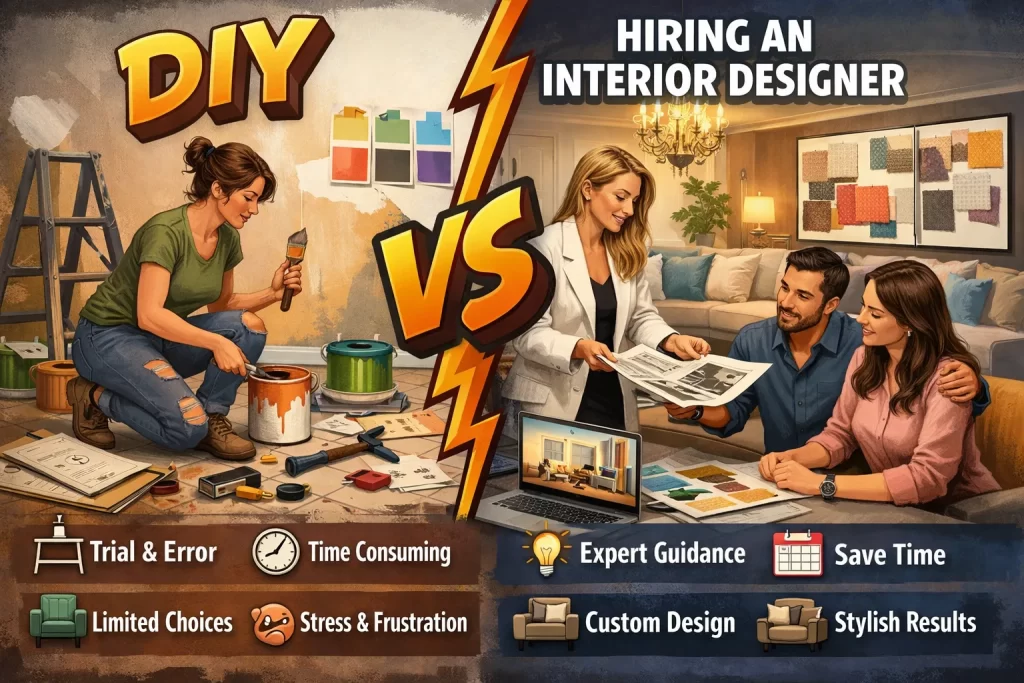

Designing your home is one of the most exciting yet challenging journeys you can undertake. From selecting colors and furniture to planning layouts and lighting, every decision contributes to how your space looks and feels. Today, homeowners are increasingly torn between two choices: doing it themselves (DIY) or hiring a professional interior designer. While DIY interior design has gained popularity due to social media inspiration and easy access to design resources, professional designers continue to offer unmatched expertise and efficiency.
The decision between DIY and hiring an interior designer is not just about cost—it’s about time, quality, functionality, and long-term value. Understanding the differences, advantages, and limitations of both approaches can help you make a smarter, more informed choice for your home.
Understanding DIY Interior Design
What is DIY Interior Design?
DIY interior design refers to the process of designing and decorating your home without professional help. It involves planning layouts, choosing furniture, selecting materials, and executing the design yourself. With the rise of digital platforms, homeowners now have access to countless design ideas, tutorials, and tools that make DIY more accessible than ever before.
Platforms like Pinterest, Instagram, and YouTube have made it easier for individuals to visualize and replicate design trends. Additionally, online tools such as room planners and 3D visualization software allow users to experiment with layouts and styles before making real-world decisions.
Why Homeowners Choose DIY
One of the primary reasons homeowners choose DIY is cost savings. Hiring a professional designer can seem expensive upfront, so many people prefer to allocate their budget entirely toward materials and furnishings. DIY also offers complete creative freedom, allowing homeowners to personalize every detail according to their taste.
Another major factor is the sense of accomplishment. Designing your own space can be incredibly fulfilling, especially when you see your ideas come to life. For creative individuals, DIY becomes not just a task but a rewarding experience.
Pros of DIY Interior Design
Cost Savings
DIY interior design eliminates professional fees, making it an attractive option for budget-conscious homeowners. You can control every expense and decide where to splurge and where to save. This flexibility allows you to prioritize certain elements while cutting costs on others.
Full Creative Control
When you take the DIY route, you have complete control over every design decision. From color palettes to furniture selection, everything reflects your personal style. There are no limitations imposed by external opinions, giving you the freedom to experiment and innovate.
Learning Experience
DIY projects offer a valuable learning opportunity. As you navigate through design challenges, you gain knowledge about materials, layouts, and aesthetics. Over time, this hands-on experience can improve your design skills and confidence.
Cons of DIY Interior Design
Time-Consuming Process
One of the biggest drawbacks of DIY interior design is the amount of time it requires. From researching ideas and sourcing materials to executing the design, the process can be overwhelming and lengthy. For individuals with busy schedules, this can quickly become stressful.
Risk of Costly Mistakes
While DIY may seem cost-effective initially, mistakes can lead to unexpected expenses. Incorrect measurements, poor material choices, or mismatched designs can result in costly rework. Without professional guidance, it’s easy to overlook critical details.
Lack of Professional Expertise
Interior design is more than just aesthetics—it involves space planning, lighting design, ergonomics, and functionality. DIY enthusiasts may struggle with these technical aspects, leading to inefficient or impractical layouts.
Limited Access to Resources
Professional designers have access to exclusive materials, trusted vendors, and trade discounts. DIY homeowners often rely on retail options, which may be more expensive and limited in variety.
What Does an Interior Designer Do?
Role of a Professional Interior Designer
An interior designer is trained to create spaces that are both functional and visually appealing. Their role goes beyond selecting furniture—they analyze space, understand client needs, and develop a cohesive design plan. This includes layout planning, color coordination, lighting design, and material selection.
Designers also ensure that the final outcome aligns with the client’s lifestyle and preferences. They bring a structured approach to the design process, minimizing errors and maximizing efficiency.
Services Offered by Avinnyya
Avinnyya offers a comprehensive range of interior design services tailored to modern living. These include residential interior design, modular kitchen solutions, custom furniture design, and complete turnkey projects. Their approach focuses on blending creativity with functionality, ensuring that every space is both beautiful and practical.
For those exploring professional help, choosing an experienced interior design company in bangalore can make a significant difference in achieving high-quality results.
Pros of Hiring an Interior Designer
Professional Expertise & Experience
Interior designers bring years of experience and industry knowledge to the table. They understand design principles, space optimization, and material selection, ensuring that every element works harmoniously. Their expertise helps avoid common mistakes and enhances the overall quality of the design.
Time Efficiency
Hiring a designer saves you a considerable amount of time. They handle everything from planning and sourcing to execution and coordination. With a streamlined process, projects are completed faster and more efficiently.
Access to Exclusive Resources
Designers have access to a wide network of vendors, suppliers, and craftsmen. This allows them to source high-quality materials and unique pieces that are not easily available to the general public. They can also secure better pricing through trade discounts.
Budget Management
Contrary to popular belief, hiring a designer can actually help you save money in the long run. They create a clear budget plan and ensure that resources are used efficiently. By avoiding costly mistakes, they help you stay within budget.
Customized & Cohesive Design
One of the biggest advantages of working with a designer is the ability to achieve a cohesive look. Every element—from furniture to lighting—is carefully selected to create a unified design theme tailored to your preferences.
Cons of Hiring an Interior Designer
Higher Initial Cost
The most common concern when hiring an interior designer is the upfront cost. Design fees and service charges can make it seem like a significant investment. However, this cost often reflects the value and expertise provided.
Less Personal Control (Perception)
Some homeowners worry that hiring a designer means losing control over their vision. In reality, professional designers collaborate closely with clients, ensuring that their ideas and preferences are incorporated into the final design.
Cost Comparison: DIY vs Hiring a Designer
DIY Cost Breakdown
DIY costs primarily include materials, tools, furniture, and decor items. While there are no professional fees, expenses can add up due to trial and error. Unexpected costs are also common when mistakes occur.
Designer Cost Breakdown
Hiring a designer involves consultation fees, design charges, and execution costs. While the initial investment is higher, it often includes planning, sourcing, and project management, which adds significant value.
Hidden Costs You Should Know
DIY projects often come with hidden costs such as rework, replacements, and wasted materials. On the other hand, professional designers minimize these risks, leading to better long-term savings.
When Should You Choose DIY?
Ideal Scenarios for DIY
DIY is best suited for small-scale projects such as decorating a room, painting walls, or styling furniture. It’s also a good option for individuals with a limited budget or those who enjoy hands-on creative work. If the project does not involve structural changes or complex planning, DIY can be a practical choice.
When Should You Hire an Interior Designer?
Ideal Scenarios for Hiring Experts
Hiring a professional is recommended for large-scale projects such as full home renovations or new home interiors. If your space requires efficient planning, storage solutions, or a luxurious finish, a designer can deliver superior results. It is also ideal for homeowners with time constraints who want a hassle-free experience.
Hybrid Approach: Best of Both Worlds
Combining DIY with Professional Help
A hybrid approach allows you to enjoy the benefits of both DIY and professional design. You can handle smaller tasks yourself while seeking expert guidance for complex aspects. This approach offers flexibility and cost efficiency.
How Avinnyya Supports Flexible Design Solutions
Avinnyya provides consultation-based services and customizable packages, making it easier for homeowners to choose the level of professional involvement they need. This flexibility ensures that every client gets a solution tailored to their budget and requirements.
Common Myths About Hiring Interior Designers
“Designers Are Only for Luxury Homes”
This is a common misconception. Interior designers work on projects of all sizes and budgets, offering solutions that cater to diverse needs.
“It’s Too Expensive”
While designers charge fees, their expertise often results in better cost management and long-term savings.
“They Will Override My Ideas”
Professional designers prioritize client preferences and collaborate closely to bring their vision to life.
Expert Tips to Make the Right Choice
Assess Your Budget
Understanding your financial limits is crucial in deciding whether to go DIY or hire a professional.
Evaluate Time Availability
Consider how much time you can realistically dedicate to the project.
Understand Project Complexity
Complex projects require professional expertise, while simpler ones can be handled independently.
Define Your Style & Expectations
Having a clear vision of your desired outcome will help you choose the right approach.
Why Choose Avinnyya for Your Interior Design Needs
Expertise & Experience
Avinnyya combines creativity with technical expertise to deliver exceptional results.
Client-Centric Approach
Every project is tailored to the client’s preferences and lifestyle.
Affordable & Transparent Pricing
Clear pricing ensures there are no hidden surprises.
End-to-End Interior Solutions
From concept to completion, Avinnyya handles every aspect of the design process.
Conclusion: DIY or Professional – What’s Right for You?
Choosing between DIY and hiring an interior designer ultimately depends on your needs, budget, and project complexity. While DIY offers creative freedom and cost savings, it requires time, effort, and a willingness to learn. On the other hand, professional designers provide expertise, efficiency, and a polished final result.
By carefully evaluating your priorities and understanding the pros and cons of each approach, you can make a decision that aligns with your goals. Whether you choose to design your space yourself or seek professional help, the key is to create a home that reflects your personality and enhances your lifestyle.