
Trending Interior Design Styles in 2026 You Should Know
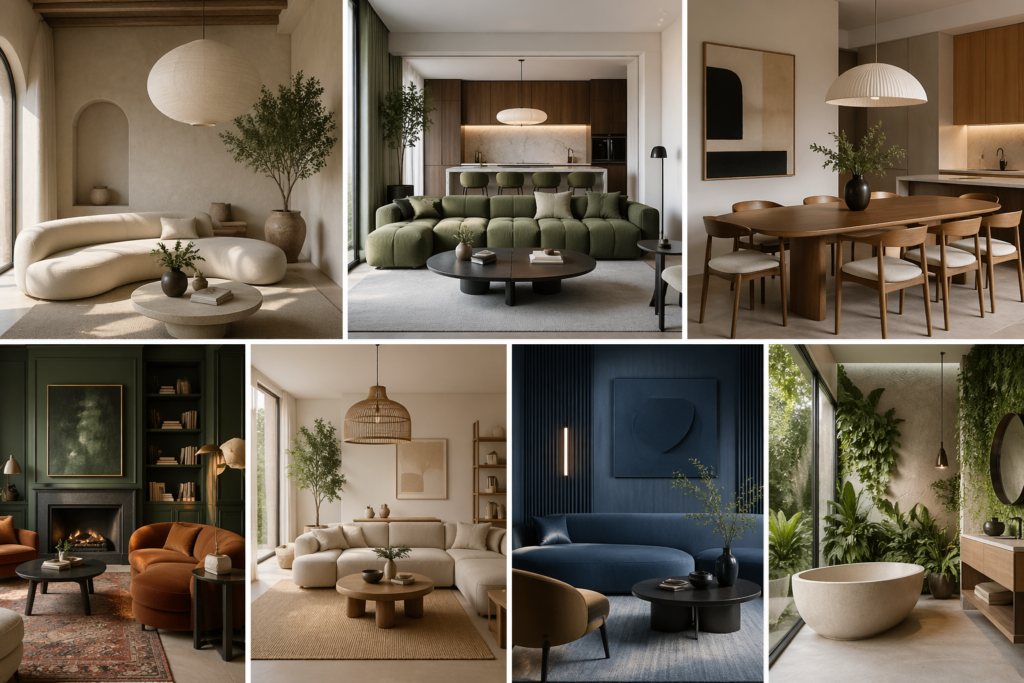

Interior design in 2026 is no longer just about aesthetics—it is a reflection of how we live, work, and connect with our surroundings. As lifestyles evolve, so do our expectations from living spaces. Homes are becoming smarter, more sustainable, and deeply personalized, blending comfort with innovation. The year 2026 brings a dynamic shift in design preferences, where functionality meets beauty in a seamless and thoughtful way.
Homeowners today are not just looking for visually appealing interiors; they want spaces that enhance well-being, support hybrid lifestyles, and reduce environmental impact. This transformation has given rise to several exciting trends that are redefining modern interiors. Whether you are renovating your home or designing a new one, understanding these trends will help you make informed choices.
At Avinnyya, we stay ahead of evolving design movements to create spaces that are both timeless and trend-forward. Let’s explore the most influential interior design styles shaping homes in 2026.
Why Interior Design Trends Are Changing in 2026
Post-Pandemic Lifestyle Shifts
The global shift in lifestyle over the past few years has had a lasting impact on how people perceive their homes. Living spaces are now required to serve multiple purposes—home offices, relaxation zones, entertainment hubs, and more. This shift has encouraged designs that prioritize comfort, flexibility, and emotional well-being. People are investing more in interiors that provide a sense of calm and security while accommodating their daily routines efficiently.
Rise of Smart Living
Technology has become an integral part of modern homes, and in 2026, this integration is more seamless than ever. Smart living is not just about gadgets; it’s about creating intuitive environments where lighting, temperature, and security adapt to your needs. This trend is influencing interior design by encouraging clutter-free spaces where technology blends invisibly into the background while enhancing functionality.
Sustainability as a Core Principle
Sustainability is no longer a niche concept—it is a necessity. Homeowners are increasingly aware of their environmental footprint and are choosing materials and designs that promote eco-conscious living. From energy-efficient lighting to recycled materials, sustainable design is shaping the future of interiors, making homes healthier for both residents and the planet.
Top Interior Design Styles Trending in 2026
Sustainable & Eco-Friendly Design
Sustainable interior design continues to dominate in 2026, driven by a growing awareness of environmental issues. This style focuses on using materials that are renewable, recycled, or responsibly sourced. Bamboo flooring, reclaimed wood furniture, and organic fabrics are becoming popular choices for eco-conscious homeowners.
Beyond materials, sustainable design also emphasizes energy efficiency and natural ventilation. Homes are being designed to maximize natural light, reducing the need for artificial lighting during the day. Indoor plants are another essential element, as they improve air quality while adding a refreshing touch of greenery.
Incorporating sustainable design does not mean compromising on style. In fact, it creates interiors that are warm, inviting, and timeless. By choosing eco-friendly paints, energy-saving appliances, and natural textures, homeowners can create spaces that are both beautiful and responsible.
Minimalist Luxury (Warm Minimalism)
Minimalism has evolved significantly in 2026, moving away from stark, cold spaces to a warmer and more inviting aesthetic. Known as warm minimalism, this trend combines simplicity with comfort by incorporating soft textures, earthy tones, and high-quality materials.
Instead of empty spaces, this style focuses on intentional design where every element serves a purpose. Neutral color palettes such as beige, cream, and taupe are complemented by rich textures like linen, wool, and wood. The result is a space that feels calm yet sophisticated.
Warm minimalism is perfect for those who appreciate clean lines but do not want to sacrifice coziness. By adding statement furniture pieces and subtle decorative accents, homeowners can achieve a balanced look that feels both modern and welcoming.
Smart Home Integrated Design
Smart homes are no longer futuristic—they are a present-day reality. In 2026, interior design is increasingly focused on integrating technology seamlessly into living spaces. From voice-controlled lighting to automated curtains, smart features are becoming standard in modern homes.
What sets this trend apart is its emphasis on invisibility. Technology is designed to blend into the environment rather than stand out. Hidden wiring, sleek panels, and multifunctional devices ensure that the aesthetic appeal of the space remains intact.
Smart home design enhances convenience, improves energy efficiency, and adds a layer of security. Whether it’s a smart kitchen with automated appliances or a living room with adaptive lighting, this trend is transforming the way we interact with our homes.
Biophilic Design
Biophilic design is centered around the idea of connecting indoor spaces with nature. In 2026, this trend is gaining even more popularity as people seek environments that promote mental and physical well-being.
Natural light plays a crucial role in biophilic design, with large windows and open layouts allowing sunlight to flood the space. Greenery is another key element, with indoor plants, vertical gardens, and natural materials creating a serene atmosphere.
The psychological benefits of biophilic design are significant. It helps reduce stress, boost productivity, and create a sense of calm. By incorporating natural elements into interiors, homeowners can create spaces that feel refreshing and rejuvenating.
Multifunctional Spaces
As urban living spaces become more compact, the demand for multifunctional design is increasing. In 2026, homes are being designed to adapt to various needs without compromising on style.
Convertible furniture, such as sofa beds and foldable desks, is becoming essential for maximizing space. Modular layouts allow rooms to be reconfigured easily, making them suitable for different activities throughout the day.
This trend is particularly beneficial for small apartments, where efficient use of space is crucial. By incorporating smart storage solutions and flexible furniture, homeowners can create interiors that are both practical and stylish.
Retro Revival with a Modern Twist
The charm of vintage design is making a comeback in 2026, but with a contemporary twist. Retro revival blends classic elements with modern aesthetics to create unique and personalized interiors.
Bold colors, geometric patterns, and vintage furniture pieces are being reintroduced in a way that feels fresh and relevant. The key to mastering this style is balance—combining retro elements with modern lighting and finishes to avoid an outdated look.
This trend allows homeowners to express their individuality while celebrating timeless design elements. It’s a perfect choice for those who appreciate nostalgia but want a modern edge.
Earthy & Nature-Inspired Interiors
Nature-inspired interiors are all about creating a grounded and calming environment. In 2026, earthy tones such as terracotta, olive green, and warm browns are dominating color palettes.
Materials like stone, clay, and wood are being used extensively to add texture and authenticity to spaces. Handmade décor items and rustic finishes further enhance the natural appeal of this style.
This trend is ideal for creating cozy and inviting interiors that feel connected to the outdoors. It emphasizes simplicity and authenticity, making it a timeless choice for modern homes.
Maximalism (Bold & Expressive Design)
While minimalism continues to thrive, maximalism is emerging as a bold alternative in 2026. This style celebrates creativity, individuality, and self-expression through vibrant colors, layered textures, and statement pieces.
Maximalist interiors are rich in detail, featuring artwork, patterns, and decorative elements that reflect the homeowner’s personality. However, achieving balance is crucial to avoid visual clutter.
By maintaining focal points and using cohesive color schemes, maximalism can create visually stunning spaces that feel energetic and unique.
Japandi Style (Japanese + Scandinavian)
Japandi design combines the simplicity of Japanese interiors with the functionality of Scandinavian design. In 2026, this hybrid style continues to gain popularity for its calming and clutter-free approach.
Characterized by neutral tones, natural materials, and minimal décor, Japandi interiors focus on creating harmony and balance. Low furniture and clean lines contribute to a sense of openness and tranquility.
This style is perfect for those who value simplicity and mindfulness in their living spaces. It promotes a lifestyle that prioritizes quality over quantity.
Industrial Chic 2.0
Industrial design has evolved in 2026 to become more refined and comfortable. While traditional elements like exposed brick and metal finishes remain, they are now paired with softer textures and warmer lighting.
This updated version of industrial design creates a balanced look that feels both edgy and inviting. It is particularly suited for urban homes, lofts, and modern apartments.
By incorporating elements such as plush furniture and warm lighting, homeowners can soften the industrial aesthetic while maintaining its distinctive character.
Color Trends Dominating 2026 Interiors
Color plays a vital role in defining interior spaces, and in 2026, the focus is on warmth and depth. Neutral shades like beige and cream continue to dominate, providing a versatile base for various styles. Earthy tones such as olive green and brown add a natural touch, while bold accents like deep blue and burnt orange bring vibrancy and contrast.
Materials & Textures to Watch
The use of natural materials is a defining characteristic of 2026 interiors. Wood, stone, and linen are being used extensively to create warm and inviting spaces. Mixed textures are also gaining popularity, with designers combining matte and glossy finishes to add visual interest.
Sustainable materials, including recycled metals and eco-friendly fabrics, are becoming essential for modern homes. These materials not only enhance aesthetics but also contribute to environmental conservation.
Furniture Trends in 2026
Furniture design in 2026 is focused on comfort and versatility. Curved and organic shapes are replacing rigid lines, creating a softer and more inviting look. Modular furniture is becoming increasingly popular, allowing homeowners to customize their spaces according to their needs.
Statement pieces are also a key trend, with unique designs serving as focal points in a room. These pieces add character and elevate the overall aesthetic of the space.
Lighting Trends for Modern Interiors
Lighting is no longer just functional—it is a design element in itself. Layered lighting, which combines ambient, task, and accent lighting, is essential for creating depth and dimension.
Smart lighting systems are also gaining traction, offering convenience and energy efficiency. Sculptural lighting fixtures, such as artistic chandeliers, are being used to make bold design statements.
How to Choose the Right Trend for Your Home
Selecting the right interior design trend depends on various factors, including the size of your space, your lifestyle, and your budget. While it’s tempting to follow trends, it’s important to choose designs that align with your personal preferences and daily needs.
A well-designed home strikes a balance between aesthetics and functionality. By carefully evaluating your requirements, you can create a space that is both stylish and practical.
Common Mistakes to Avoid When Following Trends
One of the most common mistakes homeowners make is blindly following trends without considering their personal style. Overloading a space with trendy elements can lead to a cluttered and inconsistent look.
It’s also important to prioritize functionality over aesthetics. A beautiful space that does not meet your practical needs can quickly become inconvenient. Striking the right balance is key to successful interior design.
Why Choose Avinnyya for Trend-Based Interior Design
At Avinnyya, we specialize in creating interiors that are both modern and timeless. Our approach focuses on understanding each client’s unique needs and translating them into functional and aesthetically pleasing designs.
With expertise in the latest trends and access to high-quality materials, we deliver end-to-end interior solutions tailored to your lifestyle. If you’re looking for an interior design company in bangalore, Avinnyya offers innovative and customized design services that bring your vision to life.
Conclusion
The interior design trends of 2026 reflect a shift towards more thoughtful, sustainable, and personalized living spaces. From eco-friendly materials to smart home integration, these trends are shaping the future of modern interiors.
By embracing these styles and adapting them to your preferences, you can create a home that is not only beautiful but also functional and future-ready. Whether you prefer minimalism, maximalism, or something in between, the key is to design a space that truly feels like your own.