
Step-by-Step Guide to Planning Your Home Interiors
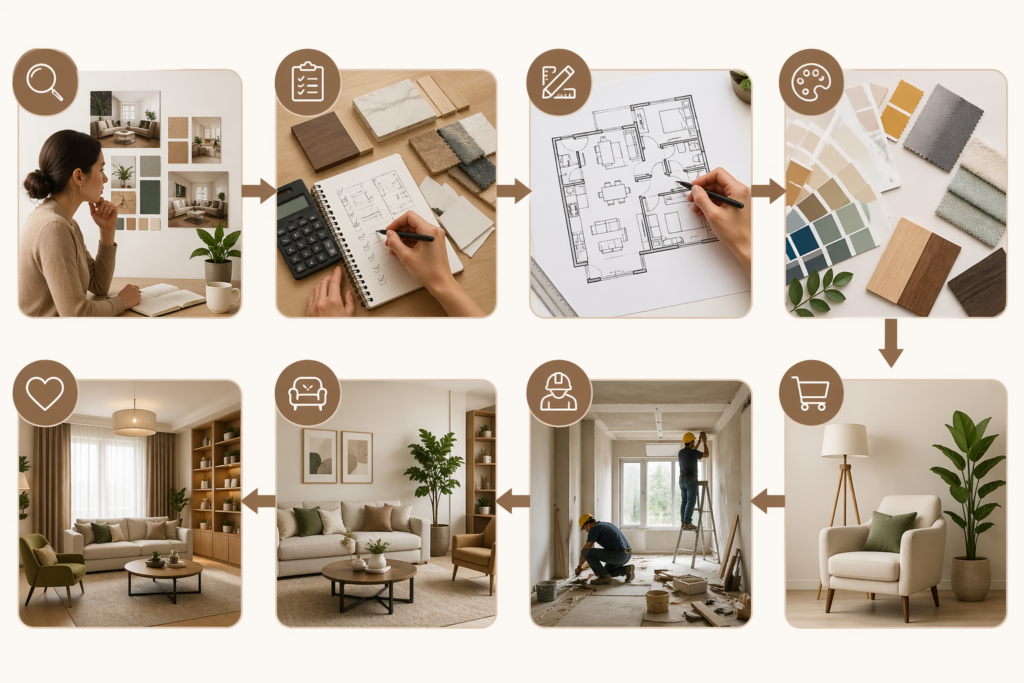

Designing your dream home is exciting, but without a clear plan, it can quickly become overwhelming. From choosing the right colors to managing budgets and layouts, every decision plays a crucial role in shaping your living space. A well-thought-out interior plan not only enhances aesthetics but also improves functionality, comfort, and long-term satisfaction.
Many homeowners jump straight into buying furniture or selecting paint colors, only to realize later that things don’t align. This is why a structured, step-by-step approach is essential. In this comprehensive guide, we walk you through every stage of planning your home interiors—ensuring that your vision translates seamlessly into reality.
Why Planning Your Home Interiors is Essential
Planning your home interiors is not just about visual appeal—it’s about creating a space that works for your lifestyle. Without proper planning, you may end up overspending, wasting space, or facing design inconsistencies that disrupt the overall harmony of your home.
A well-planned interior helps you allocate your budget efficiently, ensuring that you invest in areas that matter most. It also prevents last-minute changes, which are often costly and stressful. Moreover, planning ensures that every room flows cohesively into the next, creating a unified design language throughout your home.
Another key benefit is functionality. A beautifully designed space that lacks practicality can become frustrating over time. Thoughtful planning ensures that your home not only looks good but also supports your daily routines effortlessly.
Step 1 – Define Your Requirements and Lifestyle Needs
Understand Your Daily Routine
The foundation of any successful interior design lies in understanding how you live. Your daily routine should directly influence your design decisions. For instance, if you work from home, you’ll need a dedicated workspace that is both comfortable and distraction-free. Similarly, families with children may require durable materials and ample storage.
Your lifestyle determines everything—from furniture placement to lighting choices. A home designed around your habits will feel intuitive and comfortable, making everyday living more enjoyable.
List Functional Priorities
Once you understand your routine, the next step is identifying your priorities. Divide them into must-haves and nice-to-haves. Must-haves include essential elements like storage, seating, and lighting, while nice-to-haves may include decorative features or luxury additions.
Each room should have a clear purpose. For example, your kitchen should prioritize efficiency and storage, while your bedroom should focus on relaxation and comfort. Defining these priorities early helps avoid confusion later in the process.
Future-Proof Your Design
A smart interior plan considers not just your current needs but also your future requirements. If you plan to expand your family or accommodate elderly members, your design should reflect those possibilities.
Future-proofing also includes flexible furniture and adaptable layouts that can evolve with your lifestyle. This approach ensures that your home remains functional and relevant for years to come.
Step 2 – Set a Realistic Budget
Break Down Your Budget
Budgeting is one of the most critical aspects of interior planning. Start by dividing your budget into categories such as furniture, materials, lighting, labor, and décor. This breakdown gives you a clear understanding of where your money is going and helps you make informed decisions.
Instead of allocating funds randomly, prioritize spending based on importance. For instance, investing in high-quality furniture or durable materials can save money in the long run.
Allocate Contingency Funds
No matter how carefully you plan, unexpected expenses are inevitable. Setting aside a contingency fund—typically 10–15% of your total budget—helps you handle unforeseen costs without disrupting your project.
This buffer ensures that you can make necessary adjustments without compromising the overall design.
Cost-Saving Tips
Smart budgeting doesn’t mean cutting corners—it means spending wisely. Identify areas where you can save, such as opting for cost-effective materials or repurposing existing furniture. At the same time, don’t hesitate to invest in elements that significantly impact functionality and aesthetics.
Step 3 – Choose Your Interior Design Style
Popular Design Styles
Choosing a design style sets the tone for your entire home. Whether you prefer modern minimalism, traditional elegance, or contemporary chic, your style should reflect your personality.
Modern interiors focus on clean lines and simplicity, while traditional designs emphasize rich textures and classic elements. Industrial styles incorporate raw materials, whereas minimalist designs prioritize clutter-free spaces.
How to Find Your Style
Finding your style can be challenging, especially with so many options available. Start by exploring inspiration platforms, magazines, or real-life homes. Creating a mood board can help you visualize your preferences and identify common themes.
Over time, you’ll notice patterns in your choices, which will guide you toward a cohesive design direction.
Mixing Styles the Right Way
While sticking to one style is safe, blending styles can create a unique and personalized look. However, it requires balance and careful planning. Choose a dominant style and incorporate elements of another subtly to maintain harmony.
Step 4 – Plan Your Space Layout
Space Optimization Techniques
Efficient space planning ensures that every square foot of your home is utilized effectively. Open layouts create a sense of spaciousness, while defined zones help organize different activities within the same area.
Zoning is particularly useful in smaller homes, where multifunctional spaces are essential.
Furniture Placement Strategy
Furniture placement plays a crucial role in both functionality and aesthetics. Arrange furniture in a way that allows easy movement and creates natural focal points.
Avoid overcrowding your space with too many pieces. Instead, focus on essential furniture that enhances usability while maintaining visual balance.
Small Space Planning Tips
For compact homes, smart planning is key. Multi-functional furniture, such as sofa beds or storage ottomans, can maximize utility without taking up extra space. Vertical storage solutions also help keep your home organized and clutter-free.
Step 5 – Select Materials and Finishes
Flooring Options
Flooring forms the base of your interior design. Options like tiles, wood, marble, and vinyl each have their own advantages. Your choice should depend on factors such as durability, maintenance, and aesthetics.
Wall Finishes
Walls offer endless possibilities for creativity. From paint and wallpaper to textured finishes and panels, the right choice can transform the look of a room.
Furniture Materials
The materials you choose for furniture impact both durability and appearance. Engineered wood, plywood, and solid wood each serve different purposes and budgets.
Durability vs Aesthetics
While aesthetics are important, durability should never be compromised. Choose materials that can withstand daily wear and tear while maintaining their visual appeal.
Step 6 – Plan Lighting Design
Types of Lighting
Lighting is a crucial yet often overlooked aspect of interior design. A well-lit space combines ambient, task, and accent lighting to create depth and functionality.
Room-Wise Lighting Tips
Each room requires a different lighting approach. Living rooms benefit from layered lighting, kitchens need bright task lighting, and bedrooms require soft, relaxing illumination.
Natural Lighting Optimization
Maximizing natural light can make your home feel more open and inviting. Use sheer curtains, mirrors, and strategic layouts to enhance daylight.
Step 7 – Choose Color Palette and Theme
Basics of Color Psychology
Colors have a significant impact on mood and perception. Warm tones create a cozy atmosphere, while cool tones promote calmness and relaxation.
Creating a Cohesive Theme
Consistency is key to a well-designed home. Choose a color palette that flows seamlessly across rooms, creating a unified look.
Accent Colors and Highlights
Accent colors add character and visual interest. Whether through feature walls or décor elements, they help break monotony and enhance the overall design.
Step 8 – Furniture and Décor Selection
Selecting the Right Furniture
Furniture should be chosen based on size, proportion, and comfort. Oversized furniture can make a space feel cramped, while undersized pieces may look out of place.
Décor Elements
Décor brings personality to your home. Elements like rugs, curtains, artwork, and plants add warmth and style.
Avoiding Over-Decoration
While décor is important, too much of it can create clutter. Maintain a balance to ensure your space feels elegant and organized.
Step 9 – Storage Planning
Smart Storage Solutions
Effective storage is essential for maintaining a clutter-free home. Modular and hidden storage solutions maximize space without compromising design.
Room-Wise Storage Ideas
Each room has unique storage needs. Kitchens require efficient cabinetry, bedrooms need spacious wardrobes, and living rooms benefit from functional storage units.
Declutter Strategy
Adopting a minimalist approach helps keep your home organized. Regular decluttering ensures that your space remains clean and functional.
Step 10 – Execution and Project Management
Hiring Professionals vs DIY
While DIY projects can be cost-effective, they may lack the expertise required for complex designs. Hiring professionals ensures quality and efficiency.
Working with Interior Designers
Collaborating with experts simplifies the entire process. If you’re looking for professional guidance, working with an experienced team—like an interior design company in bangalore—can help you achieve a well-planned and beautifully executed home.
Timeline Planning
Setting a realistic timeline keeps your project on track. Break the process into phases and monitor progress regularly.
Site Supervision Tips
Regular site visits and quality checks ensure that the execution aligns with your plan. Clear communication with contractors is essential for smooth progress.
Common Mistakes to Avoid While Planning Home Interiors
One of the biggest mistakes homeowners make is prioritizing aesthetics over functionality. While a space may look stunning, it should also be practical for everyday use. Poor lighting planning is another common issue that can affect both ambiance and usability.
Overcrowding spaces with furniture or décor can make your home feel cramped. Additionally, blindly following trends without considering your personal preferences can lead to dissatisfaction in the long run.
Benefits of Hiring Avinnyya for Your Home Interiors
Choosing the right interior design partner can make all the difference. Avinnyya offers customized solutions tailored to your lifestyle and preferences. From concept to execution, their end-to-end services ensure a seamless experience.
With a focus on quality, innovation, and client satisfaction, Avinnyya helps you create a home that reflects your personality while meeting practical needs.
Conclusion
Planning your home interiors is a journey that requires careful thought, creativity, and attention to detail. By following a structured, step-by-step approach, you can transform your vision into a functional and aesthetically pleasing space.
From defining your needs and setting a budget to choosing styles and managing execution, every step plays a vital role in the final outcome. With the right planning and expert guidance, your dream home is well within reach.