
Step-by-Step Guide to Planning Your Home Interiors
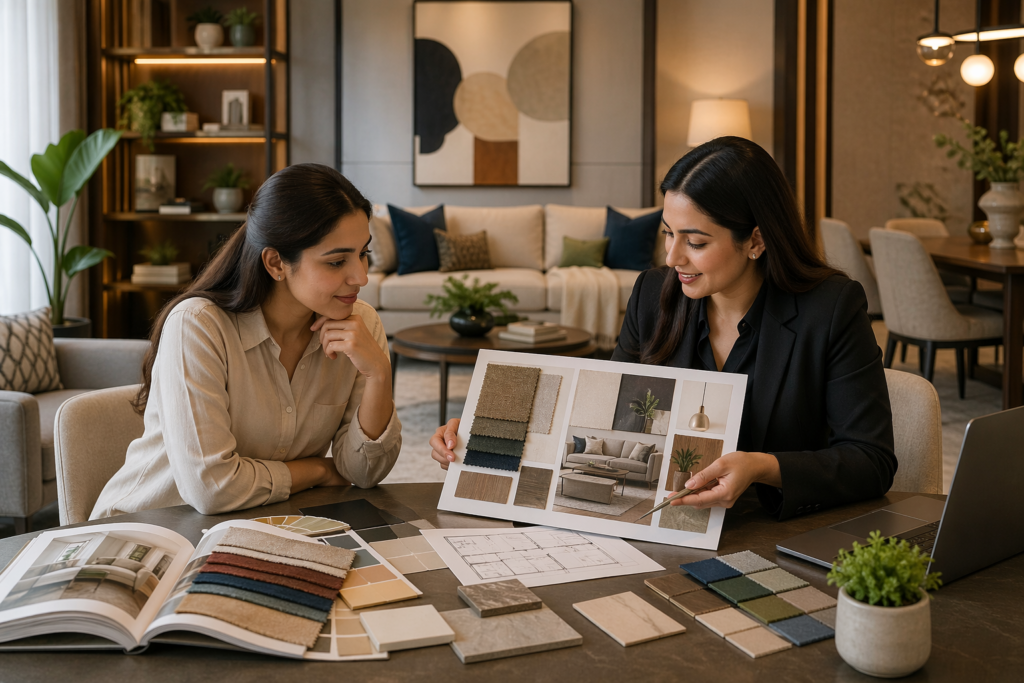

Designing a home is more than just selecting furniture and colors—it’s about creating a space that reflects your personality, enhances your lifestyle, and brings comfort and functionality together. However, achieving this balance requires expertise, creativity, and a deep understanding of design principles. This is where choosing the right interior designer becomes crucial.
The right designer can transform your vision into reality while saving you time, money, and costly mistakes. On the other hand, choosing the wrong one can lead to frustration, delays, and unsatisfactory results. With so many options available, the process can feel overwhelming. This comprehensive guide will walk you through every step to help you confidently choose the perfect interior designer for your home, ensuring a smooth and rewarding experience.
Understand Your Design Needs First
Define Your Project Scope
Before you even begin searching for an interior designer, it’s essential to clearly define the scope of your project. Are you planning a complete home transformation, renovating a specific area, or designing a new home from scratch? The scope will determine the type of designer you need.
For instance, a full-home design project requires someone experienced in managing large-scale projects, while a single-room makeover might benefit from a designer specializing in quick transformations. Clarity at this stage helps you communicate your expectations effectively and ensures the designer can deliver what you need.
Identify Your Style Preferences
Every homeowner has a unique taste, whether it leans toward modern minimalism, traditional elegance, contemporary chic, or eclectic creativity. Understanding your style preferences helps you shortlist designers whose portfolios align with your vision.
Spend time exploring design inspirations on platforms like Pinterest or Instagram. Create a mood board that includes colors, textures, furniture styles, and layouts you love. This will act as a visual guide during discussions with your designer and ensure you are both aligned from the beginning.
Set Functional Requirements
A beautiful home must also be functional. Consider your daily routines, family size, storage needs, and lifestyle habits. Do you need a home office? Is maximizing storage a priority? Do you entertain guests frequently?
These practical considerations play a significant role in shaping the design. A good interior designer will not only focus on aesthetics but also ensure the space works seamlessly for your everyday life.
Set a Realistic Budget
Why Budget Clarity is Crucial
Budget is one of the most important factors when choosing an interior designer. Having a clear financial plan prevents overspending and ensures the project remains feasible. It also helps designers propose solutions that align with your financial expectations.
Without a defined budget, you risk falling in love with designs or materials that may not be affordable, leading to unnecessary compromises later.
Cost Breakdown
Understanding how your budget will be allocated is equally important. Typically, costs include design fees, materials, furniture, labor, and execution. Some designers charge a fixed fee, while others may take a percentage of the total project cost.
Being aware of these components allows you to make informed decisions and prioritize elements that matter most to you.
Budget Flexibility
While setting a budget is important, it’s equally wise to keep a buffer for unexpected expenses. Design projects often encounter unforeseen challenges, such as structural adjustments or material changes. A flexible budget ensures these situations are handled without stress or compromise on quality.
Research and Shortlist Interior Designers
Where to Find Designers
The search for the right interior designer can begin online or through personal recommendations. Digital platforms provide access to portfolios, reviews, and design styles, while referrals from friends or family offer trusted insights based on real experiences.
Combining both methods gives you a well-rounded list of potential candidates.
Check Online Presence
A designer’s online presence speaks volumes about their professionalism and style. Their website and social media profiles showcase their work, creativity, and consistency.
Look for designers who regularly update their platforms with recent projects and engage with their audience. This indicates they are active, reliable, and passionate about their work.
Look for Local Expertise
Hiring a designer familiar with your city offers several advantages. They understand local vendors, materials, pricing, and logistical challenges. This knowledge can streamline the process and ensure smoother execution.
For example, if you’re exploring services from an experienced interior design company in bangalore, their familiarity with regional trends and suppliers can significantly enhance project efficiency and quality.
Evaluate Portfolio and Experience
Review Past Projects
A designer’s portfolio is a direct reflection of their capabilities. Carefully analyze their previous work to assess the variety, creativity, and quality of designs.
Look for projects similar to your requirements. Pay attention to details such as space utilization, color coordination, and finishing quality. Before-and-after transformations can provide valuable insights into their problem-solving abilities.
Check Industry Experience
Experience plays a vital role in handling complex projects. Designers with several years in the industry are more likely to anticipate challenges and manage them effectively.
They also tend to have established relationships with vendors and contractors, which can benefit your project in terms of cost and timelines.
Look for Signature Style vs. Flexibility
While some designers have a distinct signature style, it’s important to ensure they can adapt to your preferences. The ideal designer should strike a balance between their creative expertise and your vision.
Avoid designers who impose their style without considering your input, as your home should ultimately reflect your personality.
Verify Credentials and Professionalism
Certifications and Qualifications
Professional qualifications and certifications add credibility to a designer’s profile. Formal education in interior design ensures they have a strong foundation in design principles, materials, and spatial planning.
Membership in professional organizations also indicates commitment to industry standards and continuous learning.
Client Testimonials and Reviews
Client feedback provides honest insights into a designer’s work ethic, reliability, and quality. Look for reviews that mention communication, adherence to timelines, and overall satisfaction.
Be cautious of consistently negative feedback or recurring complaints, as these could indicate potential issues.
Communication Skills
Effective communication is essential for a successful project. Your designer should be able to understand your ideas, provide constructive suggestions, and keep you informed throughout the process.
A lack of clear communication can lead to misunderstandings and unsatisfactory results.
Conduct Initial Consultation
Ask the Right Questions
The initial consultation is your opportunity to evaluate the designer’s approach and expertise. Ask about their design process, timelines, and how they handle challenges.
Understanding their workflow helps you gauge whether they are organized and capable of managing your project efficiently.
Discuss Your Vision
Share your ideas, preferences, and expectations openly. A good designer will listen carefully, ask relevant questions, and provide insights to refine your vision.
This exchange sets the foundation for a collaborative relationship.
Assess Compatibility
Beyond skills and experience, personal compatibility is crucial. You will be working closely with your designer, so it’s important to feel comfortable and confident in their abilities.
Trust and mutual respect play a significant role in ensuring a smooth design journey.
Understand Their Design Process
Concept Development
The design process typically begins with concept development, where ideas are translated into visual representations such as mood boards, layouts, and 3D renders.
This stage allows you to visualize the final outcome and make necessary adjustments before execution begins.
Material Selection
Choosing the right materials is critical for both aesthetics and durability. A skilled designer will guide you in selecting materials that align with your style, budget, and functional needs.
They also ensure quality and longevity, preventing frequent replacements or repairs.
Execution and Project Management
Execution involves coordinating with contractors, managing timelines, and ensuring quality control. A professional designer oversees every aspect of the project, ensuring it progresses smoothly and stays on track.
This reduces stress and allows you to focus on enjoying the transformation.
Transparency in Pricing and Contracts
Clear Pricing Structure
Transparency in pricing builds trust and prevents misunderstandings. Ensure you understand how the designer charges—whether it’s a fixed fee, hourly rate, or percentage-based.
Clarity at this stage avoids unexpected costs later.
Detailed Proposal
A comprehensive proposal should outline the scope of work, deliverables, timelines, and cost estimates. This document serves as a roadmap for the project and ensures both parties are aligned.
Contract Agreement
A formal contract is essential to protect both you and the designer. It should include payment schedules, terms and conditions, and clauses for handling delays or changes.
Never proceed without a signed agreement.
Importance of Customization
Personalized Design Solutions
Every home is unique, and your design should reflect that. Avoid designers who rely on generic templates or repetitive designs.
Customization ensures your home stands out and caters specifically to your needs.
Reflecting Your Personality
Your home should tell your story. Whether it’s through colors, textures, or décor elements, the design should resonate with your personality and lifestyle.
A skilled designer brings this vision to life while maintaining aesthetic harmony.
Balancing Trends with Timelessness
While it’s tempting to follow the latest trends, it’s important to balance them with timeless elements. Trends may fade, but classic designs remain appealing for years.
A good designer helps you achieve this balance, ensuring your home stays relevant and stylish.
Check Site Execution Capability
In-house Team vs. Outsourcing
Some designers have in-house teams, while others outsource execution. Both approaches have their pros and cons, but what matters most is accountability and quality control.
Ensure your designer has a reliable team and a clear execution plan.
Quality Control Measures
Regular site inspections and material checks are essential to maintain quality standards. A professional designer ensures every detail meets expectations.
Timely Project Delivery
Delays can be frustrating and costly. Discuss timelines in advance and understand how the designer handles unforeseen challenges.
A well-managed project stays on schedule without compromising quality.
Sustainability and Smart Design Considerations
Eco-Friendly Materials
Sustainable design is becoming increasingly important. Using eco-friendly materials not only benefits the environment but also enhances indoor air quality and overall well-being.
Energy Efficiency
Efficient lighting, ventilation, and insulation reduce energy consumption and long-term costs. A thoughtful design incorporates these elements seamlessly.
Smart Home Integration
Modern homes often include smart technology for convenience and efficiency. From automated lighting to security systems, integrating technology enhances functionality and comfort.
Common Mistakes to Avoid
Choosing an interior designer based solely on price can lead to compromised quality. Similarly, ignoring contract details or failing to check references can result in unexpected issues.
Another common mistake is overlooking communication gaps. Clear and consistent communication is essential for a successful project, and neglecting this aspect can lead to misunderstandings.
Why Choose Avinnyya for Your Interior Design Needs
Avinnyya stands out for its client-centric approach, focusing on understanding individual needs and delivering personalized solutions. With a team of experienced designers, the brand offers expertise across various styles and project types.
From concept development to final execution, Avinnyya provides end-to-end services, ensuring a seamless experience. Their commitment to quality, attention to detail, and timely delivery make them a trusted choice for homeowners seeking exceptional interiors.
Final Checklist Before Hiring
Before finalizing your decision, ensure your budget is clearly defined, the designer’s portfolio meets your expectations, and all terms are documented in a contract. Confirm timelines and establish a clear communication channel.
This checklist helps you move forward with confidence and clarity.
Conclusion
Choosing the right interior designer for your home is a critical decision that impacts the outcome of your project. By understanding your needs, setting a budget, researching thoroughly, and evaluating designers carefully, you can make an informed choice.
The right designer will not only bring your vision to life but also enhance your living experience. With the right partnership, your dream home is well within reach.