
Mixing Modern and Vintage Elements in Your Home: A Complete Design Guide
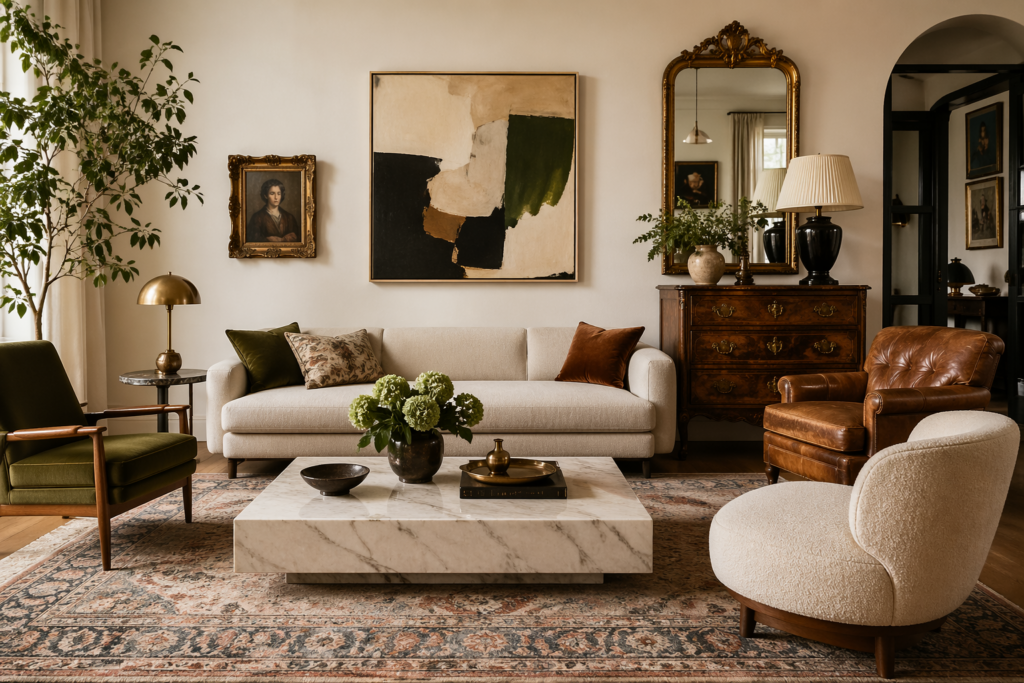

In today’s evolving world of interiors, homeowners are increasingly moving away from rigid design styles and embracing more personalized, layered aesthetics. One of the most captivating trends is mixing modern and vintage elements in your home—a design approach that blends sleek contemporary appeal with the warmth and character of the past. This fusion not only creates visually stunning spaces but also tells a story, reflecting individuality and timeless elegance.
Modern design, with its clean lines and minimalistic philosophy, offers functionality and simplicity, while vintage elements introduce charm, history, and craftsmanship. When combined thoughtfully, these two styles can transform any space into a harmonious blend of sophistication and nostalgia. At Avinnyya, the focus is on crafting such balanced interiors that feel both fresh and rooted, ensuring every home stands out with its own identity.
Understanding Modern and Vintage Design Styles
What Defines Modern Interior Design
Modern interior design is rooted in the principle of “less is more.” It emphasizes simplicity, functionality, and clean aesthetics. Spaces designed in a modern style often feature neutral color palettes such as whites, greys, and blacks, complemented by sleek furniture with sharp lines and smooth finishes.
Materials like glass, steel, and polished wood dominate modern interiors, creating an uncluttered and airy feel. Furniture pieces are typically low-profile and designed with purpose, avoiding unnecessary ornamentation. The focus is on maximizing space and light, making modern design especially popular in urban homes and apartments.
What Defines Vintage Interior Design
Vintage design, on the other hand, celebrates the beauty of the past. It includes furniture, décor, and elements that are at least a few decades old or inspired by earlier eras. Unlike modern design, vintage interiors are rich in detail, featuring intricate carvings, curved forms, and decorative finishes.
Warm tones, distressed textures, and materials such as solid wood, brass, and antique fabrics give vintage spaces their distinct personality. Each piece often carries a story, making the space feel more lived-in and emotionally connected. Whether it’s a carved wooden cabinet or a retro armchair, vintage elements add depth and authenticity.
Why Mix Modern and Vintage Styles?
Creating a Unique Personal Aesthetic
Blending modern and vintage styles allows homeowners to break free from monotonous design templates. Instead of following a single style, you can curate a space that reflects your personality. A modern sofa paired with a vintage coffee table, for instance, instantly creates a unique visual identity.
Adding Depth and Character
Modern interiors can sometimes feel too sterile, while vintage spaces may appear overly heavy. Combining the two brings balance. The contrast between sleek modern finishes and ornate vintage details creates visual interest and layers, making the space feel dynamic and engaging.
Sustainable and Budget-Friendly Design
Incorporating vintage elements is also a sustainable choice. Repurposing old furniture reduces waste and promotes eco-friendly living. Additionally, sourcing vintage pieces can often be more affordable than investing in high-end modern furniture, especially when restored creatively.
Core Principles for Mixing Modern and Vintage Elements
Balance is Key
The success of this design approach lies in achieving balance. A common rule is to follow a 70-30 or 60-40 ratio, where one style dominates while the other complements. For instance, a predominantly modern room can be enhanced with a few standout vintage pieces, ensuring the space doesn’t feel overwhelming.
Maintain a Cohesive Color Palette
A unified color palette helps tie different styles together. Neutral tones often serve as a perfect base, allowing both modern and vintage elements to coexist seamlessly. You can then introduce accent colors through décor, textiles, or statement furniture pieces.
Focus on Focal Points
Every room should have a focal point that draws attention. In a mixed-style interior, this could be a vintage chandelier in a modern dining room or an antique console in a minimalist hallway. Highlighting one key element prevents visual clutter and gives the space a clear design direction.
Consistency in Materials and Textures
Mixing materials like wood, metal, glass, and fabric creates harmony between styles. For example, pairing a rustic wooden table with modern metal chairs bridges the gap between vintage and contemporary aesthetics.
Room-by-Room Guide to Mixing Styles
Living Room Design
The living room is the perfect space to experiment with mixed styles. A modern sectional sofa can be paired with a vintage coffee table or an antique trunk. Adding vintage décor items such as framed artwork or brass accents enhances the overall aesthetic. Layered lighting, combining modern fixtures with vintage lamps, creates a warm and inviting ambiance.
Bedroom Design
In the bedroom, a vintage bed frame can serve as a stunning centerpiece, complemented by modern bedding and lighting. Soft furnishings like rugs and curtains can blend both styles, adding comfort and cohesion. The goal is to create a restful space that feels both elegant and contemporary.
Kitchen Design
Kitchens can beautifully merge modern functionality with vintage charm. Sleek cabinets and appliances can be paired with vintage handles, open shelving, or retro-inspired tiles. Displaying antique crockery or using reclaimed wood adds character without compromising efficiency.
Dining Room Design
A modern dining table surrounded by vintage chairs creates a striking contrast. Statement lighting, such as a chandelier or pendant light, can act as a bridge between the two styles. Adding a textured rug or vintage artwork further enhances the space.
Home Office Design
A vintage desk combined with a modern ergonomic chair offers both style and comfort. Incorporating old bookshelves or decorative items alongside contemporary storage solutions creates a workspace that feels inspiring and functional.
Furniture Selection Tips
Choosing Statement Vintage Pieces
When selecting vintage furniture, focus on quality and craftsmanship. Look for pieces with unique details, solid construction, and timeless appeal. Authentic antiques or well-crafted replicas can become conversation starters in your home.
Selecting Complementary Modern Furniture
Modern furniture should complement, not compete with, vintage elements. Opt for simple, understated designs that allow vintage pieces to shine. Avoid overly trendy items that may quickly go out of style.
Mixing Without Cluttering
One of the biggest challenges is avoiding clutter. Carefully curate your furniture and décor, ensuring each piece has a purpose. Negative space is just as important as the elements themselves, helping maintain a clean and balanced look.
Décor and Accessories That Tie It Together
Art and Wall Décor
Combining modern art with vintage frames or vice versa creates an interesting visual contrast. Gallery walls that mix different styles can add personality and depth to any room.
Textiles and Soft Furnishings
Rugs, cushions, and curtains play a crucial role in blending styles. Mixing patterns with solid colors or combining modern fabrics with vintage prints can create a cohesive look.
Lighting Design
Lighting is a powerful tool in interior design. A vintage chandelier can add elegance to a modern space, while sleek pendant lights can modernize a vintage room. Layered lighting ensures functionality and enhances the overall ambiance.
Common Mistakes to Avoid
Overloading with Vintage Items
Too many vintage elements can make a space feel outdated or cluttered. It’s important to strike a balance and allow modern elements to provide contrast.
Ignoring Proportion and Scale
Mismatched furniture sizes can disrupt the harmony of a room. Ensure that all elements are proportionate to the space and to each other.
Lack of Cohesion
Randomly mixing styles without a clear plan can lead to a disjointed look. Always maintain a consistent theme or color palette.
Following Trends Blindly
While trends can be inspiring, it’s important to focus on timeless design. Choose elements that resonate with your personal style rather than fleeting fads.
Expert Tips from Avinnyya Designers
Designing a space that seamlessly blends modern and vintage elements requires a thoughtful approach. Start with a neutral base that allows flexibility in adding different styles. Invest in a few standout vintage pieces that can act as focal points, and use modern elements to simplify and balance the overall look.
Customization is key—every home is different, and the design should reflect the lifestyle and preferences of its occupants. Professional planning ensures that the final result is cohesive, functional, and aesthetically pleasing. If you are looking for expert guidance, working with an interior design company in bangalore can help you achieve a perfectly balanced and personalized space.
Real-Life Design Inspirations
Small Apartment Makeover
In compact spaces, mixing styles can create the illusion of depth. A minimalist layout with a few carefully chosen vintage accents can make the apartment feel both spacious and stylish.
Luxury Home with Vintage Touches
In larger homes, vintage elements can add grandeur and elegance. Statement pieces like antique chandeliers or carved furniture can elevate modern interiors, creating a luxurious ambiance.
Budget-Friendly Transformation
Achieving this look doesn’t have to be expensive. Thrift stores, flea markets, and upcycling projects offer affordable ways to incorporate vintage charm into modern homes.
How Avinnyya Can Help You Achieve This Look
Avinnyya specializes in creating interiors that blend functionality with artistic expression. From personalized design consultations to sourcing unique vintage pieces and crafting custom furniture, every detail is handled with precision. The goal is to deliver spaces that are not only beautiful but also meaningful and enduring.
Conclusion
Mixing modern and vintage elements in your home is more than just a design trend—it’s a way to create spaces that are rich in character, functionality, and timeless appeal. By understanding the principles of balance, cohesion, and personalization, you can transform your home into a masterpiece that reflects both contemporary sophistication and nostalgic charm.
Whether you’re redesigning a single room or your entire home, this approach offers endless possibilities. With the right guidance and creativity, your space can become a perfect blend of past and present—stylish, inviting, and uniquely yours.