
How to Make a Small Room Look Bigger Instantly
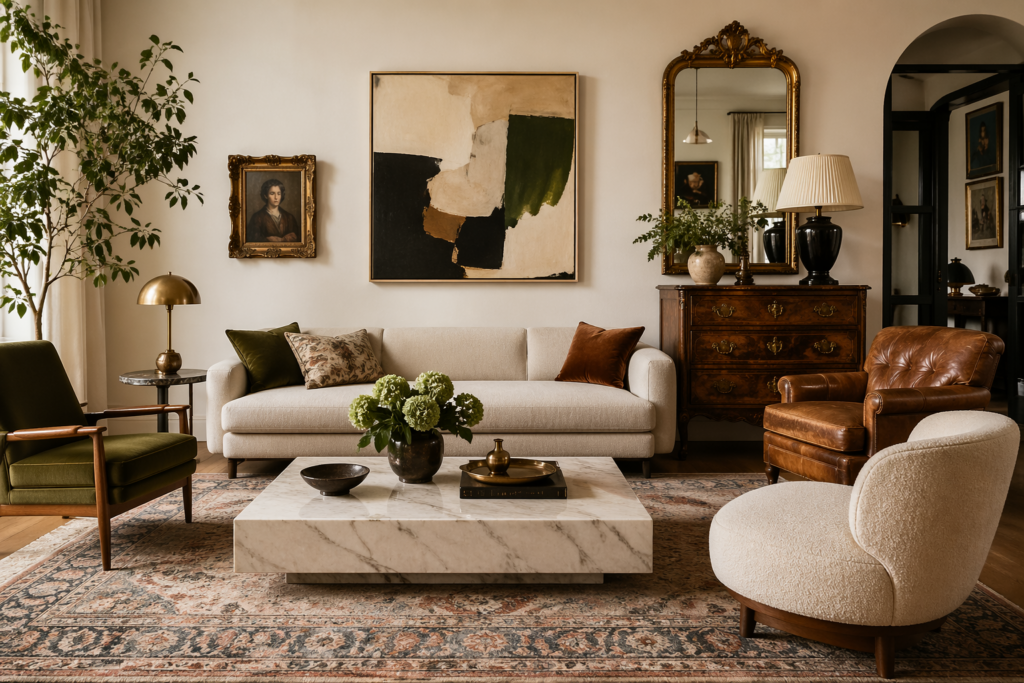
Living in a compact home or apartment often brings a common challenge—limited space that feels even smaller due to poor design choices. Whether it’s a bedroom, living room, or workspace, a cramped area can affect both comfort and functionality. The good news is that you don’t need a major renovation to transform your interiors. With the right interior design strategies, you can instantly make a small room look bigger, brighter, and more inviting.
At Avinnyya, we specialize in turning compact spaces into elegant, functional environments. This guide explores practical, expert-approved techniques that enhance spatial perception and maximize every inch of your room without compromising on aesthetics.
Understanding the Psychology of Space in Interior Design
Creating the illusion of space is not just about physical dimensions; it is deeply rooted in how the human eye perceives surroundings. Interior design plays with visual cues to manipulate space perception, making rooms feel larger than they actually are.
Why Small Rooms Feel Smaller Than They Are
Small rooms often feel more confined due to visual clutter, poor lighting, and disproportionate furniture. When too many objects occupy a space, the eye struggles to find a focal point, resulting in a sense of chaos and tightness. Even if the room has adequate square footage, clutter and poor arrangement can make it feel restrictive and uncomfortable.
The Science Behind Spacious Interiors
Spacious interiors rely on principles like balance, proportion, and light reflection. Light colors tend to recede visually, making walls appear farther apart. Proper lighting eliminates shadows that can shrink a room’s perceived size. Strategic placement of furniture and décor creates flow, allowing the eye to move freely across the space, enhancing the feeling of openness.
Declutter First: The Foundation of Spacious Design
Before implementing any design tricks, decluttering is the most essential step in making a room appear larger. No design solution can compensate for a cluttered environment.
The Minimalist Approach
Adopting a minimalist mindset helps eliminate unnecessary items and retain only what is functional or meaningful. A clean, organized space automatically feels larger and more breathable. Minimalism does not mean sacrificing style; instead, it focuses on intentional design choices that add value without overwhelming the room.
Smart Storage Solutions
Efficient storage is key to maintaining a clutter-free environment. Furniture with hidden storage, such as beds with drawers or ottomans with compartments, helps reduce visible clutter. Vertical storage solutions like wall-mounted shelves and tall cabinets utilize unused wall space, freeing up the floor area and making the room appear more spacious.
Choose the Right Color Palette
Color plays a powerful role in shaping how we perceive space. The right palette can instantly open up a room and create a sense of airiness.
Best Colors to Make a Room Look Bigger
Light shades such as white, beige, soft greys, and pastels reflect more light, making the room feel brighter and more expansive. A monochromatic color scheme, where different shades of the same color are used, creates visual continuity and prevents abrupt breaks that can make a space feel smaller.
Accent Colors Without Shrinking Space
While light colors dominate small spaces, accent colors can still be used effectively. The key is moderation. A single accent wall or subtle pops of color through cushions and décor can add personality without overwhelming the room. Avoid using too many contrasting shades, as they can visually divide the space.
Use Mirrors to Create an Illusion of Space
Mirrors are one of the most effective tools in interior design for making a room look bigger instantly. They reflect both natural and artificial light, amplifying brightness and depth.
Strategic Mirror Placement
Placing a large mirror opposite a window allows it to reflect natural light throughout the room, instantly brightening the space. Mirrors can also be positioned along narrow walls to create the illusion of width, making the room feel more open.
Mirror Styles for Modern Homes
Frameless mirrors offer a sleek and seamless look, blending effortlessly into modern interiors. Decorative mirrors, when used thoughtfully, can act as statement pieces while still enhancing the perception of space.
Optimize Lighting for a Bigger Feel
Lighting is a crucial element that directly impacts how spacious a room feels. A well-lit room appears open and welcoming, while poor lighting can make even large spaces feel confined.
Natural Light Maximization
Maximizing natural light is one of the simplest ways to make a room look bigger instantly. Avoid heavy curtains that block sunlight; instead, opt for sheer fabrics that allow light to flow freely. Keeping windows clean and unobstructed further enhances brightness.
Artificial Lighting Techniques
Layered lighting creates depth and dimension. Combining ambient lighting with task and accent lighting eliminates dark corners and adds visual interest. Wall-mounted lights and recessed lighting are excellent choices for small rooms, as they save floor space and maintain a clean look.
Smart Furniture Choices for Small Rooms
Furniture selection can either enhance or limit the perceived size of a room. Choosing the right pieces is essential for maximizing space.
Multi-Functional Furniture
Multi-purpose furniture is a game-changer for small spaces. Sofa beds, foldable tables, and extendable dining units serve multiple functions while saving space. These pieces allow flexibility and adaptability, especially in compact homes.
Scale and Proportion
Oversized furniture can overwhelm a small room, making it feel cramped. Instead, opt for appropriately scaled pieces that fit comfortably within the space. Low-height furniture creates a sense of openness by exposing more wall area, which visually expands the room.
Vertical Space is Your Best Friend
When floor space is limited, utilizing vertical space becomes essential.
Floor-to-Ceiling Design Elements
Installing shelves, cabinets, or curtains that extend from floor to ceiling draws the eye upward, creating the illusion of height. This technique makes the room feel taller and more spacious.
Drawing the Eye Upward
Vertical patterns, such as striped wallpapers or tall décor elements, emphasize height. This visual trick shifts attention away from limited floor space and enhances the perception of a larger room.
Keep It Light: Flooring and Rugs Matter
Flooring choices significantly impact how spacious a room appears.
Best Flooring Options for Small Rooms
Light-colored flooring materials, such as wood, tiles, or laminates, reflect light and create a seamless look. Consistent flooring throughout connected spaces further enhances visual continuity, making the overall area feel larger.
Rug Placement Tricks
Using a large rug instead of multiple small ones helps unify the space and avoid visual fragmentation. Proper placement, where furniture sits partially on the rug, creates a cohesive and expansive look.
Use Glass and Reflective Surfaces
Transparent and reflective materials reduce visual weight, making a room feel less crowded.
Transparent Furniture Benefits
Glass tables and acrylic chairs occupy minimal visual space, allowing the room to feel open and uncluttered. These materials are especially useful in compact living areas.
Glossy Finishes and Metallic Accents
Glossy surfaces reflect light, enhancing brightness and depth. Incorporating metallic accents or polished finishes in furniture and décor adds a subtle shine that contributes to a more spacious feel.
Create Visual Continuity
Consistency in design helps eliminate visual breaks that can make a room feel smaller.
Open Layout Concepts
An open layout allows different areas to flow seamlessly into one another. Removing unnecessary partitions or barriers creates a sense of expansiveness.
Consistent Design Language
Using similar colors, materials, and textures throughout the room maintains harmony and prevents visual clutter. A cohesive design approach enhances the perception of space.
Add Depth with Smart Decor Placement
Decor plays an important role in enhancing space without overwhelming it.
Wall Art Positioning
Placing artwork at eye level creates balance and avoids visual chaos. A few well-chosen pieces are more effective than overcrowding walls with multiple items.
Curtains and Window Treatments
Hanging curtains closer to the ceiling rather than directly above the window creates the illusion of taller walls. Full-length drapes elongate the room and add elegance.
Avoid Common Mistakes That Make Rooms Look Smaller
Even with the best intentions, certain design mistakes can make a small room feel even more confined.
Overcrowding Furniture
Too much furniture restricts movement and disrupts flow, making the space feel tight.
Dark Colors Overuse
While dark tones can add sophistication, excessive use can absorb light and shrink the room visually.
Poor Lighting Choices
Insufficient or uneven lighting creates shadows that make a room feel smaller.
Too Many Accessories
Over-decorating leads to clutter, reducing the sense of openness.
Quick Instant Hacks You Can Apply Today
If you’re looking for immediate results, simple changes can make a noticeable difference. Rearranging furniture to improve flow, adding a mirror to reflect light, switching to lighter fabrics, and removing unnecessary items can instantly enhance the perception of space. Improving lighting by adding an extra lamp or using brighter bulbs can also transform the room within minutes.
Why Professional Interior Design Makes a Difference
While DIY solutions can be effective, professional interior design brings expertise and precision that ensures optimal results.
Customized Space Planning
Professionals analyze your space and create layouts that maximize functionality and aesthetics.
Expert Use of Materials and Lighting
From selecting the right materials to designing effective lighting schemes, expert designers ensure every element contributes to a spacious feel.
Long-Term Value
Investing in professional design not only enhances your living experience but also increases property value. If you’re looking for expert guidance, working with an interior design company in bangalore like Avinnyya ensures tailored solutions that transform even the smallest spaces into stunning interiors.
Conclusion
Making a small room look bigger instantly is all about smart design choices and attention to detail. From decluttering and choosing the right colors to optimizing lighting and furniture, each element plays a crucial role in enhancing space perception. With the right approach, even the smallest room can feel open, airy, and comfortable.
At Avinnyya, we believe that great design is not defined by size but by creativity and functionality. Whether you’re redesigning a single room or your entire home, these expert tips can help you achieve a spacious and stylish interior without major renovations.