
Dealing with Space Constraints in City Apartments
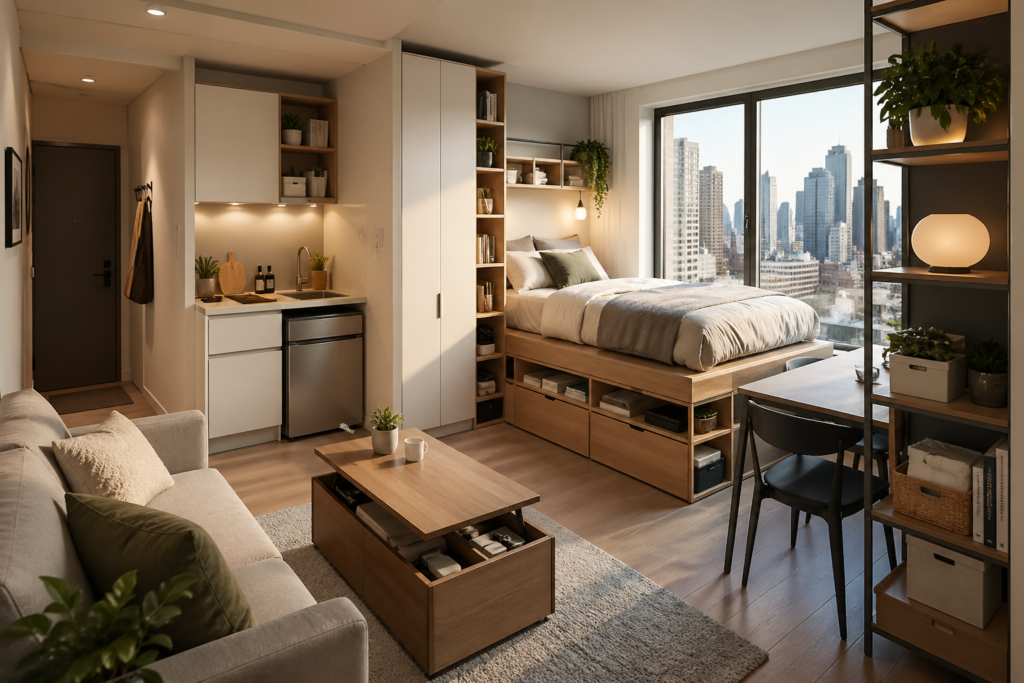

Urban living has become synonymous with compact spaces. As cities expand and populations grow, apartment sizes are shrinking, forcing homeowners to rethink how they use every square foot. The challenge of dealing with space constraints in city apartments is no longer just about fitting furniture into tight corners—it’s about creating a home that feels open, functional, and aesthetically pleasing despite limited dimensions.
Modern interior design plays a crucial role in transforming small apartments into efficient living spaces. With thoughtful planning, innovative furniture, and smart use of light and color, even the most compact homes can feel spacious and inviting. This blog explores practical, expert-backed strategies to help you overcome space limitations and design a home that works seamlessly for your lifestyle.
Understanding Space Constraints in Urban Living
Why City Apartments Are Getting Smaller
The trend of shrinking apartment sizes is driven by several factors. Rapid urbanization has increased demand for housing, pushing developers to create more units within limited land areas. High real estate prices also make smaller homes more affordable and accessible, especially for young professionals and nuclear families.
Additionally, there is a growing shift toward minimalist living. Many homeowners are choosing smaller spaces intentionally, prioritizing location and convenience over size. However, this shift brings its own set of design challenges that must be addressed thoughtfully.
Common Challenges Faced by Homeowners
Living in a small apartment often means dealing with limited storage, cramped layouts, and a lack of flexibility in room usage. Many homeowners struggle with clutter, poor lighting, and the inability to create distinct zones for different activities.
Another common issue is the need for multi-functional spaces. A living room may double as a workspace, and a bedroom might need to accommodate storage, relaxation, and productivity—all within a confined area. Without proper planning, these overlapping functions can make the space feel chaotic and uncomfortable.
The Psychology of Small Spaces
How Space Impacts Mood and Productivity
The design of a space significantly affects how we feel and function within it. A cramped, cluttered apartment can lead to stress, reduced productivity, and a constant sense of discomfort. On the other hand, a well-organized and thoughtfully designed small space can feel cozy, calming, and highly efficient.
Open layouts, natural light, and clean lines contribute to a sense of spaciousness, even in limited areas. The goal is not just to maximize space physically but also to create an environment that feels mentally expansive.
Designing for Comfort and Functionality
Achieving the right balance between comfort and functionality is key. While minimalism is often recommended for small spaces, it should not come at the cost of usability. A home should reflect your lifestyle, offering both practicality and warmth.
Designing with intention—choosing furniture that serves multiple purposes, maintaining visual harmony, and avoiding unnecessary clutter—can make a significant difference in how a small apartment feels and functions.
Smart Layout Planning for Small Apartments
Open Floor Concepts
One of the most effective ways to deal with space constraints is to adopt an open floor plan. By eliminating unnecessary walls, you can create a seamless flow between living, dining, and kitchen areas. This not only enhances visual space but also improves functionality.
Open layouts allow natural light to travel freely, making the entire apartment feel larger and more connected.
Zoning Techniques
Even in an open layout, it’s important to define different areas for specific functions. Zoning can be achieved without physical barriers by using rugs, lighting, furniture placement, or subtle color variations.
For instance, a rug can visually separate the living area from the dining space, while pendant lights can define a dining zone. These techniques help maintain organization without compromising openness.
Furniture Placement Strategies
Strategic furniture placement is essential in small apartments. Avoid pushing all furniture against the walls, as this can create awkward empty spaces in the center. Instead, arrange furniture to create natural pathways and functional groupings.
Choosing appropriately sized furniture is equally important. Oversized pieces can overwhelm the space, while compact, well-proportioned furniture enhances usability and comfort.
Multi-Functional Furniture: A Game Changer
Convertible Furniture Ideas
Multi-functional furniture is a cornerstone of small space design. Pieces like sofa-cum-beds, foldable dining tables, and wall-mounted desks allow a single area to serve multiple purposes.
These solutions are particularly useful in studio apartments, where every square foot must be optimized.
Storage-Integrated Furniture
Furniture with built-in storage helps reduce clutter while maximizing utility. Beds with drawers, ottomans with hidden compartments, and modular wardrobes provide practical storage without occupying additional space.
This approach ensures that storage is seamlessly integrated into the design rather than added as an afterthought.
Custom Furniture Solutions
Custom-designed furniture can be tailored to fit your exact space and needs. Unlike standard pieces, custom solutions make use of awkward corners, vertical areas, and unused gaps, ensuring no space is wasted.
For homeowners seeking expert guidance, working with an interior design company in bangalore can help create personalized solutions that blend style with efficiency.
Innovative Storage Solutions
Vertical Storage Utilization
When floor space is limited, vertical space becomes invaluable. Floor-to-ceiling cabinets, wall-mounted shelves, and hanging storage units make use of often-overlooked areas.
Vertical storage not only increases capacity but also draws the eye upward, creating an illusion of height.
Hidden Storage Ideas
Hidden storage solutions keep the space looking clean and uncluttered. Storage under beds, behind mirrors, or within wall panels can be used to store items discreetly.
These solutions are especially useful in maintaining a minimalist aesthetic while still meeting practical needs.
Decluttering Techniques
Decluttering is essential in small apartments. Adopting a “less is more” mindset helps eliminate unnecessary items and creates a more organized environment.
Regularly assessing your belongings and keeping only what you truly need can significantly improve both space and functionality.
Maximizing Natural Light and Ventilation
Importance of Light in Small Spaces
Natural light plays a crucial role in making small spaces feel larger and more inviting. Bright, well-lit rooms appear more open and airy, enhancing overall comfort.
Design Tips to Enhance Light
Using mirrors strategically can reflect light and create the illusion of depth. Light-colored walls and furniture further amplify brightness, while sheer curtains allow sunlight to filter through without obstruction.
Proper ventilation also ensures that the space feels fresh and breathable, contributing to a healthier living environment.
Color Schemes and Visual Tricks
Best Colors for Small Apartments
Neutral tones such as whites, beiges, and soft greys are ideal for small spaces. These colors reflect light and create a sense of openness. Pastels and monochromatic palettes can also be used to maintain visual continuity.
Optical Illusions in Interior Design
Design tricks like vertical stripes can make ceilings appear higher, while reflective surfaces add depth. Consistency in color and material helps avoid visual fragmentation, making the space feel cohesive and larger.
Minimalism and Smart Decor Choices
Avoiding Over-Decoration
Over-decorating can quickly make a small apartment feel cluttered. It’s important to embrace negative space and allow the design to breathe.
Choosing a few statement pieces rather than multiple small items creates a cleaner, more sophisticated look.
Functional Decor Ideas
Decor can be both beautiful and practical. Wall-mounted art, floating shelves, and multi-purpose accessories enhance aesthetics without taking up valuable floor space.
Technology Integration for Compact Living
Smart Home Solutions
Technology can significantly improve functionality in small apartments. Automated lighting, smart thermostats, and compact appliances make everyday living more efficient.
Space-Saving Tech Innovations
Modern innovations such as built-in charging stations and smart storage systems help streamline daily activities while saving space. These solutions are particularly beneficial in tech-savvy urban homes.
Room-by-Room Space Optimization
Living Room
In the living room, opt for compact seating, wall-mounted TV units, and minimal decor. Multi-functional furniture can help maximize usability.
Bedroom
Bedrooms can benefit from sliding wardrobes, loft storage, and beds with built-in drawers. Keeping the design simple ensures a restful environment.
Kitchen
Modular kitchens with pull-out cabinets, vertical storage, and compact appliances make cooking efficient even in limited space.
Bathroom
Wall-mounted fixtures, floating vanities, and smart storage solutions help optimize bathroom space without compromising functionality.
Budget-Friendly Space Optimization Tips
DIY Storage Hacks
Repurposing old furniture, adding shelves, or using storage baskets are cost-effective ways to improve organization.
Cost vs. Value in Interior Design
Investing in essential elements like quality furniture and smart storage solutions provides long-term value. Avoid spending on unnecessary decor that adds clutter.
Mistakes to Avoid in Small Apartment Design
Overcrowding the Space
Filling every corner with furniture can make the apartment feel cramped and uncomfortable.
Ignoring Vertical Areas
Failing to utilize vertical space limits storage potential and wastes valuable design opportunities.
Poor Lighting Choices
Inadequate lighting can make small spaces feel even smaller and less inviting.
Lack of Storage Planning
Without proper storage planning, clutter can quickly take over, reducing both functionality and aesthetics.
Conclusion
Dealing with space constraints in city apartments requires a combination of creativity, strategy, and thoughtful design. By optimizing layouts, choosing multi-functional furniture, and embracing minimalism, you can transform even the smallest apartment into a comfortable and stylish home.
Ultimately, it’s not about the size of your space but how effectively you use it. With the right approach, compact living can be both practical and inspiring, offering a modern lifestyle that prioritizes efficiency without compromising on design.