
How to Create Privacy in Open Layout Homes
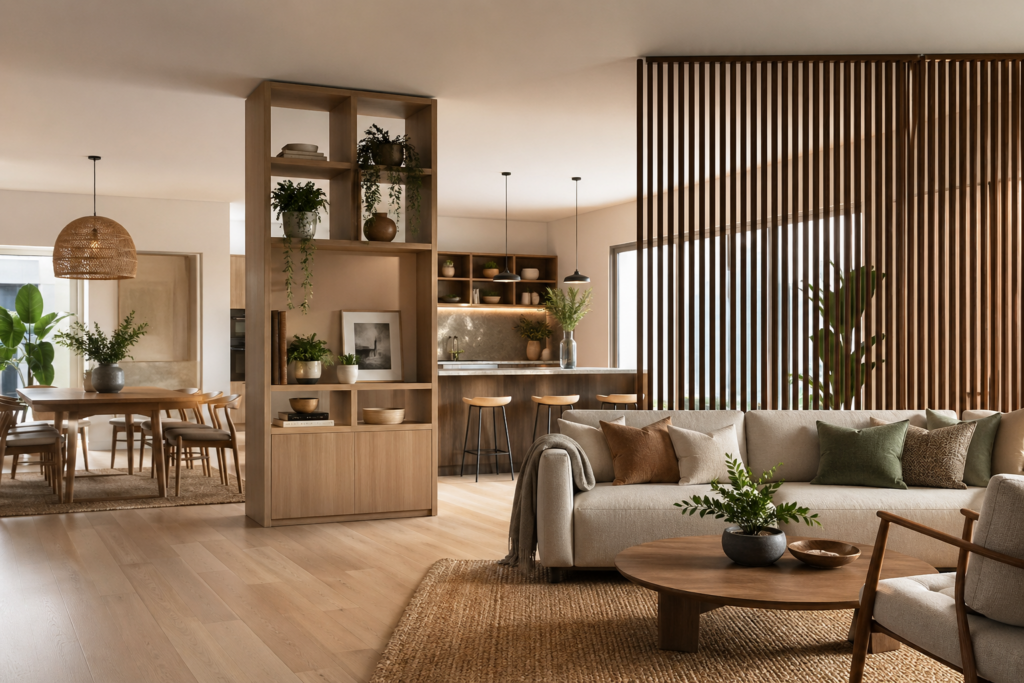
Open layout homes have become a defining feature of modern living, offering a seamless blend of style, space, and functionality. By removing walls and barriers, these layouts create an airy and expansive environment that enhances natural light and promotes better interaction among family members. However, while the openness is appealing, it often comes at the cost of privacy. Whether you are working from home, hosting guests, or simply seeking a quiet moment, the lack of defined spaces can become a challenge.
Creating privacy in an open layout home does not mean compromising on its openness or aesthetic appeal. Instead, it involves thoughtful design strategies that balance functionality and comfort. With the right approach, you can enjoy both spaciousness and personal space. This blog explores practical and innovative ways to achieve privacy in open-plan homes while maintaining their modern charm.
Understanding the Challenges of Open Layout Living
Noise and Distractions
One of the most common challenges in open layout homes is the unrestricted flow of sound. Without walls to contain noise, activities in one area can easily disrupt others. For instance, a television in the living room can interfere with someone working or studying nearby. This issue becomes more prominent in households where multiple activities happen simultaneously, especially with the rise of remote work.
Lack of Defined Functional Zones
Open layouts often blur the boundaries between living, dining, and working spaces. While this creates a cohesive look, it can make it difficult to distinguish between different functions. Without clear zones, spaces may feel disorganized or overwhelming, reducing overall comfort and usability.
Limited Personal Space
Privacy is essential for relaxation and productivity. In open homes, finding a quiet corner for personal time can be challenging. This lack of separation can impact both mental well-being and daily routines, making it important to introduce design elements that create a sense of enclosure without adding permanent walls.
Smart Space Planning for Privacy
Zoning Your Space Effectively
Zoning is a fundamental concept in interior design that helps define different areas within an open layout. By using visual cues such as rugs, lighting, and furniture placement, you can create distinct zones without physical barriers. For example, a large rug can anchor a living area, while a pendant light can highlight a dining space. These subtle divisions help organize the layout and enhance privacy.
Creating Functional Layouts
A well-planned layout ensures that each area serves its purpose efficiently. Positioning furniture strategically can create natural separations. For instance, placing a sofa with its back facing the dining area can act as a divider, subtly separating the two spaces. The key is to maintain a balance between openness and privacy, ensuring smooth movement while providing enough separation for comfort.
Use of Room Dividers and Partitions
Sliding Doors and Glass Partitions
Sliding doors and glass partitions are excellent solutions for creating privacy without blocking light. Frosted or textured glass can provide visual separation while still allowing natural light to flow through the space. These options are particularly useful for home offices or study areas, where both privacy and brightness are essential.
Wooden Screens and Jaali Designs
Wooden screens and jaali partitions bring a touch of elegance and cultural richness to interiors. These designs offer partial privacy while maintaining airflow and visual connectivity. They are especially suitable for Indian homes, where traditional elements can be seamlessly integrated into modern layouts.
Folding Screens and Portable Dividers
For those seeking flexibility, folding screens and portable dividers are practical choices. They can be easily moved or adjusted based on changing needs, making them ideal for rental homes or multifunctional spaces. These dividers also come in various designs, allowing you to enhance the décor while adding privacy.
Furniture as a Privacy Tool
Strategic Sofa Placement
Furniture placement plays a crucial role in defining spaces. A strategically positioned sofa can act as a natural barrier, separating the living area from other zones. This approach maintains openness while subtly guiding movement and interaction within the space.
Bookshelves and Open Shelving Units
Bookshelves and open shelving units serve as both storage solutions and room dividers. They create a sense of separation without completely blocking visibility. Additionally, they offer an opportunity to display decorative items, adding personality to the space.
Multi-functional Furniture
In open layout homes, multi-functional furniture is a game-changer. Pieces such as foldable desks, storage benches, and extendable tables help maximize space while maintaining flexibility. These solutions allow you to adapt your home to different needs without compromising privacy.
Using Curtains and Soft Dividers
Ceiling-Mounted Curtains
Curtains are a simple yet effective way to create temporary partitions. Ceiling-mounted curtains can be drawn to enclose a space when needed and opened to restore openness. This versatility makes them ideal for bedrooms, workspaces, or guest areas within open layouts.
Fabric Panels for Temporary Separation
Fabric panels add softness and texture to interiors while providing privacy. They are particularly useful in rental homes, where permanent changes may not be feasible. With a wide range of colors and patterns available, fabric panels can also enhance the overall aesthetic.
Acoustic Solutions for Better Privacy
Rugs, Carpets, and Upholstery
Soft furnishings such as rugs, carpets, and upholstered furniture help absorb sound, reducing noise levels in open spaces. These elements not only improve acoustics but also add warmth and comfort to the home.
Acoustic Panels and Wall Treatments
For more effective noise control, acoustic panels and specialized wall treatments can be used. These solutions are designed to minimize sound transmission, making them ideal for home offices or entertainment areas. Modern designs ensure that functionality does not come at the expense of style.
Incorporating Vertical Elements
Indoor Plants and Green Walls
Indoor plants and green walls act as natural dividers, creating a sense of separation while enhancing the ambiance. They improve air quality and bring a refreshing touch of nature into the home. Tall plants, in particular, can be used to define spaces without making them feel enclosed.
Tall Cabinets and Storage Units
Vertical storage units provide both functionality and privacy. By placing tall cabinets strategically, you can create visual barriers that separate different zones. These units also help keep the space organized, contributing to a clutter-free environment.
Lighting Techniques to Define Spaces
Layered Lighting Concepts
Lighting plays a vital role in shaping the atmosphere of a space. Layered lighting, which combines ambient, task, and accent lighting, helps define different zones within an open layout. Each type of lighting serves a specific purpose, enhancing both functionality and aesthetics.
Pendant Lights and Floor Lamps
Pendant lights and floor lamps can be used to visually separate areas. For example, a cluster of pendant lights above a dining table creates a distinct zone, while a floor lamp can highlight a reading corner. These elements add depth and character to the space.
Smart Technology for Privacy
Smart Glass (Switchable Glass)
Smart glass is an innovative solution that allows you to switch between transparency and opacity with the touch of a button. This technology is perfect for modern homes, offering instant privacy without permanent partitions.
Automated Curtains and Blinds
Automated curtains and blinds provide convenience and control. With smart systems, you can adjust privacy levels effortlessly, enhancing both comfort and efficiency in your home.
Color and Material Strategies
Contrasting Color Schemes
Using different color schemes for various zones helps create visual separation. For instance, a darker shade in the living area and a lighter tone in the dining space can subtly distinguish the two areas.
Texture Variation
Combining different materials such as wood, metal, and fabric adds depth and interest to the design. Texture variation not only enhances aesthetics but also contributes to a sense of separation within the space.
Creating Private Workspaces at Home
Home Office Nooks
Designing a dedicated workspace within an open layout requires careful planning. Utilizing corners or underused areas can help create a functional home office without disrupting the overall flow.
Hidden Workspaces
Hidden workspaces, such as fold-away desks or cabinets, offer a practical solution for maintaining privacy. These designs allow you to conceal work areas when not in use, keeping the home organized and visually appealing.
Tips for Small Open Layout Homes
Minimalist Approach
In smaller spaces, less is more. Adopting a minimalist approach helps prevent clutter and ensures that the space remains functional and comfortable. Carefully chosen furniture and décor can make a significant difference.
Space-Saving Solutions
Wall-mounted furniture, compact storage units, and multi-purpose designs are essential for small open layouts. These solutions maximize space while maintaining privacy and style.
Common Mistakes to Avoid
When designing for privacy in open layouts, it is important to avoid certain pitfalls. Overcrowding the space with too many partitions can make it feel cramped and disrupt the flow. Blocking natural light with heavy dividers can reduce the openness that defines the layout. Ignoring ventilation may lead to discomfort, while poor furniture placement can create confusion rather than clarity. A balanced approach is key to achieving the desired results.
Why Choose Avinnyya for Open Layout Interior Design
Creating privacy in an open layout home requires expertise, creativity, and attention to detail. Avinnyya specializes in designing spaces that combine aesthetics with functionality, ensuring that every home reflects the unique needs of its occupants. With a focus on innovative solutions and modern design principles, the brand transforms open layouts into comfortable and well-organized living environments.
If you are looking for expert guidance, working with an experienced interior design company in bangalore like Avinnyya can help you achieve the perfect balance between openness and privacy.
Conclusion
Open layout homes offer a modern and spacious living experience, but they require thoughtful design to address privacy concerns. By incorporating smart space planning, versatile furniture, innovative partitions, and advanced technology, you can create a home that is both open and private. The key lies in understanding your needs and implementing solutions that enhance comfort without compromising style.
With the right approach, it is entirely possible to enjoy the best of both worlds—an open, airy environment and the privacy needed for everyday living.