
Designing Pet-Friendly Home Interiors: A Complete Guide for Modern Homes
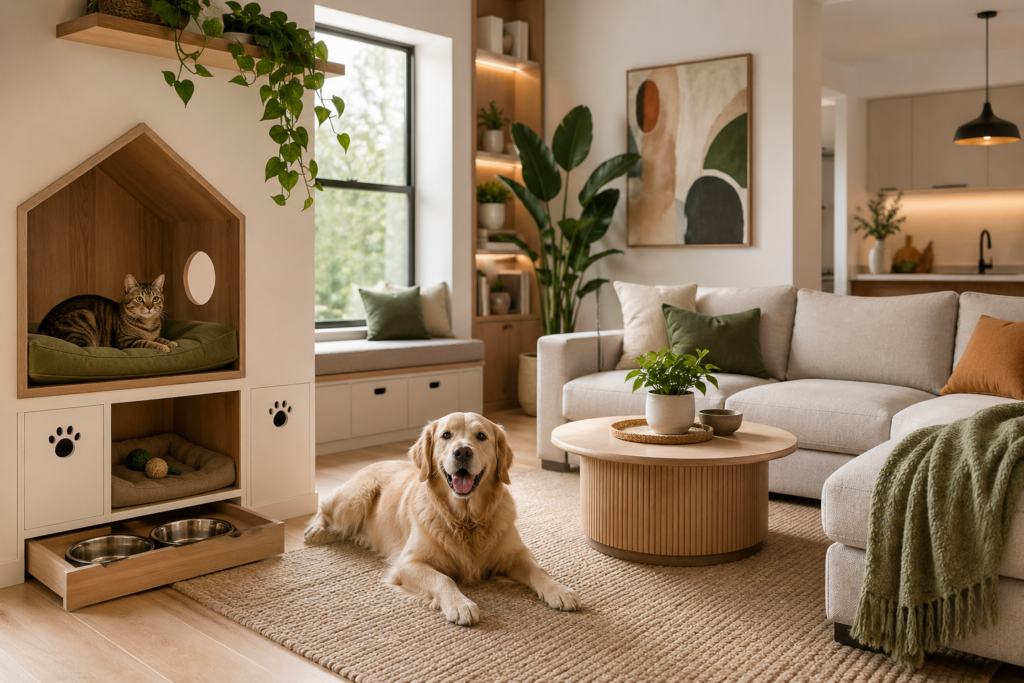

Designing a home today goes beyond aesthetics and functionality—it’s about creating a space that caters to every member of the family, including pets. As pet ownership continues to rise, homeowners are increasingly seeking ways to design interiors that are not only stylish but also safe, durable, and comfortable for their furry companions.
A pet-friendly home interior is not about sacrificing elegance; rather, it is about making smart design choices that seamlessly blend beauty with practicality. Whether you have a playful dog, a curious cat, or smaller pets, thoughtful planning can transform your home into a harmonious environment for both humans and animals.
This comprehensive guide explores everything you need to know about designing pet-friendly home interiors, from flooring and furniture to safety and décor.
Introduction to Pet-Friendly Interior Design
Pet-friendly interior design is a growing trend that reflects the evolving relationship between humans and their pets. Today, pets are considered family members, and their comfort and safety are just as important as anyone else’s in the household.
Modern interior design must therefore accommodate pets without compromising on style. This involves selecting materials that are durable, layouts that support movement, and finishes that are easy to maintain.
A well-designed pet-friendly home also enhances convenience for pet owners. Cleaning becomes easier, clutter is minimized, and the overall living experience improves. By incorporating pet-focused solutions early in the design process, homeowners can avoid costly modifications later.
Professional designers understand how to balance these needs effectively, ensuring that the final result is both visually appealing and highly functional.
Understanding Your Pet’s Needs Before Designing
Before making any design decisions, it is essential to understand the unique needs of your pet. Different animals—and even different breeds—have varying behaviors, activity levels, and spatial requirements.
Different Needs for Different Pets
Dogs typically require open spaces where they can move freely. Larger breeds may need more room to stretch and play, while smaller dogs benefit from cozy resting areas. Cats, on the other hand, prefer vertical spaces. They enjoy climbing, perching, and hiding, which means your design should include elevated surfaces or shelves.
Small pets such as rabbits, hamsters, or birds require secure enclosures and quiet zones away from heavy foot traffic. Their habitats should be integrated into the home in a way that ensures safety and accessibility.
Behavioral Patterns That Influence Design
Pets exhibit behaviors that directly impact interior design choices. Dogs may chew furniture, scratch surfaces, or bring dirt indoors. Cats often scratch walls or furniture and shed fur regularly.
Understanding these habits allows you to select materials and layouts that minimize damage and simplify maintenance. For instance, if your pet sheds heavily, you might avoid fabrics that trap hair. If your dog loves to run indoors, choosing slip-resistant flooring becomes essential.
Designing with these behaviors in mind ensures a home that is both practical and long-lasting.
Choosing Pet-Friendly Flooring Options
Flooring plays a crucial role in pet-friendly interiors. It must withstand wear and tear while providing comfort and safety for pets.
Best Flooring Materials
Tile and ceramic flooring are among the most durable options. They are resistant to scratches, easy to clean, and ideal for homes with active pets. Vinyl flooring, especially luxury vinyl planks, is another excellent choice due to its water resistance and affordability.
Sealed hardwood floors can also work well if properly maintained. They offer a warm and elegant look while being more resistant to damage than untreated wood.
Flooring to Avoid
Carpets may seem comfortable, but they tend to trap pet hair, odors, and stains. They are also difficult to clean and can wear out quickly. Soft wood flooring is another option to avoid, as it scratches easily and may not withstand heavy use.
Anti-Slip Considerations
Pets, especially older ones, can struggle with slippery surfaces. Adding rugs or mats in key areas helps improve traction and prevent injuries. However, these should be easy to clean and securely placed to avoid movement.
Pet-Safe and Durable Furniture Selection
Furniture in a pet-friendly home must be both stylish and resilient. The right choices can significantly reduce maintenance and extend the lifespan of your interiors.
Fabric Choices That Work Best
Leather and faux leather are popular options because they are easy to clean and do not trap pet hair. Microfiber is another excellent choice, as it resists stains and scratches. Some homeowners even opt for outdoor fabrics indoors due to their durability and resistance to wear.
Furniture Design Tips
Opt for furniture with rounded edges to prevent injuries. Scratch-resistant materials are essential, especially for homes with cats. Elevated furniture designs make cleaning underneath easier and help maintain hygiene.
Additionally, removable and washable covers can be a practical solution for keeping furniture fresh and clean.
Smart Storage Solutions for Pet Essentials
A well-organized home is key to maintaining a clean and clutter-free environment. Pets come with accessories—food, toys, grooming tools—and these need proper storage.
Built-in storage units can be designed to accommodate pet supplies discreetly. For example, cabinets can include dedicated sections for food storage, while benches or consoles can double as toy storage.
Hidden litter box cabinets are a popular solution for cat owners, keeping the space hygienic and visually appealing. Entryway pet stations are also useful for storing leashes, cleaning paws, and organizing daily essentials.
Designing Dedicated Pet Zones
Creating designated spaces for pets helps maintain order and ensures that your home functions efficiently.
Pet Sleeping Areas
Pets need comfortable resting spaces where they feel safe. These can be designed as cozy corners, built-in niches, or even under-stair pet homes. Integrating these areas into your overall design ensures they blend seamlessly with your interiors.
Play and Activity Zones
Active pets benefit from dedicated play areas. For dogs, this might include open indoor spaces, while cats enjoy vertical climbing structures or wall-mounted shelves.
Feeding Stations
Feeding areas should be easy to clean and positioned away from high-traffic zones. Built-in feeding stations with spill-proof designs can enhance both convenience and aesthetics.
Pet-Friendly Wall and Décor Choices
Walls and décor elements should be chosen with durability and safety in mind.
Washable Paints and Finishes
Scrubbable and stain-resistant paints are ideal for pet-friendly homes. They allow for easy cleaning and help maintain the appearance of walls over time.
Wall Protection Ideas
Adding wall panels, cladding, or wainscoting can protect surfaces from scratches and stains. These elements also enhance the overall design aesthetic.
Décor Tips
Avoid fragile or easily breakable items. Secure wall hangings properly to prevent accidents. Choosing minimal and sturdy décor ensures a safer environment for pets.
Safety First: Creating a Hazard-Free Environment
Safety is one of the most important aspects of pet-friendly interior design.
Toxic Materials to Avoid
Certain plants, chemicals, and finishes can be harmful to pets. It is important to research and eliminate these from your home.
Electrical and Structural Safety
Concealing wires and securing loose cables prevents pets from chewing on them. Balconies and windows should have proper enclosures to avoid falls.
Kitchen and Bathroom Safety
Installing child-proof locks on cabinets and using non-slip flooring in wet areas reduces the risk of accidents.
Maintaining Cleanliness in a Pet-Friendly Home
Keeping a home clean with pets can be challenging, but the right design choices make it manageable.
Easy-to-Clean Materials
Choose materials that resist stains and are easy to wipe or wash. Washable covers and finishes reduce maintenance efforts.
Managing Pet Hair and Odors
Proper ventilation is essential. Air purifiers can help maintain indoor air quality, while regular cleaning routines keep the space fresh and hygienic.
Incorporating Style Without Compromising Pet Comfort
A pet-friendly home does not have to look utilitarian. With thoughtful design, you can maintain elegance while accommodating your pet’s needs.
Multi-functional furniture, hidden pet zones, and cohesive color palettes help create a seamless look. Neutral tones combined with durable materials ensure that your interiors remain stylish and practical.
By integrating pet-friendly features into the design rather than treating them as add-ons, you achieve a balanced and sophisticated space.
Smart Technology for Pet-Friendly Homes
Technology can significantly enhance the functionality of a pet-friendly home. Automated feeders ensure pets are fed on time, while smart pet doors provide controlled access.
Monitoring cameras allow you to keep an eye on your pets when you are away. Climate control systems help maintain a comfortable environment, especially in extreme weather conditions.
Incorporating these technologies into your design improves both convenience and peace of mind.
Budget-Friendly Pet Interior Design Tips
Designing a pet-friendly home does not have to be expensive. There are several cost-effective ways to achieve great results.
DIY solutions, such as custom pet beds or repurposed furniture, can add a personal touch. Affordable material alternatives, like laminate instead of hardwood, provide durability without high costs.
A phased approach to upgrades allows you to prioritize essential changes and gradually enhance your interiors over time.
Common Mistakes to Avoid in Pet-Friendly Interiors
One of the most common mistakes is prioritizing aesthetics over functionality. While a home should look beautiful, it must also withstand daily wear and tear caused by pets.
Ignoring pet behavior can lead to poor design decisions. For example, choosing delicate fabrics in a home with active pets may result in frequent damage.
Another mistake is failing to create designated spaces for pets, which can lead to clutter and disorganization. Proper planning helps avoid these issues and ensures a well-balanced design.
Why Professional Expertise Matters
Designing a pet-friendly home requires a deep understanding of both interior design principles and pet behavior. Professional designers can create customized solutions that address specific needs while maintaining a cohesive aesthetic.
For those looking to explore comprehensive design solutions, working with an experienced interior design company in bangalore can provide valuable insights and end-to-end services tailored to modern lifestyles.
Conclusion
Designing pet-friendly home interiors is about creating a space where both humans and pets can live comfortably and harmoniously. By focusing on durability, safety, and thoughtful design, you can achieve a home that is both functional and visually appealing.
From choosing the right flooring and furniture to incorporating smart storage and technology, every decision plays a role in enhancing the overall living experience.
Ultimately, a well-designed pet-friendly home reflects care, planning, and a deep understanding of the needs of all its occupants. Investing in such a design not only improves daily life but also ensures a long-lasting and enjoyable living environment for years to come.