
Living Room Interior Design Ideas for Small Apartments
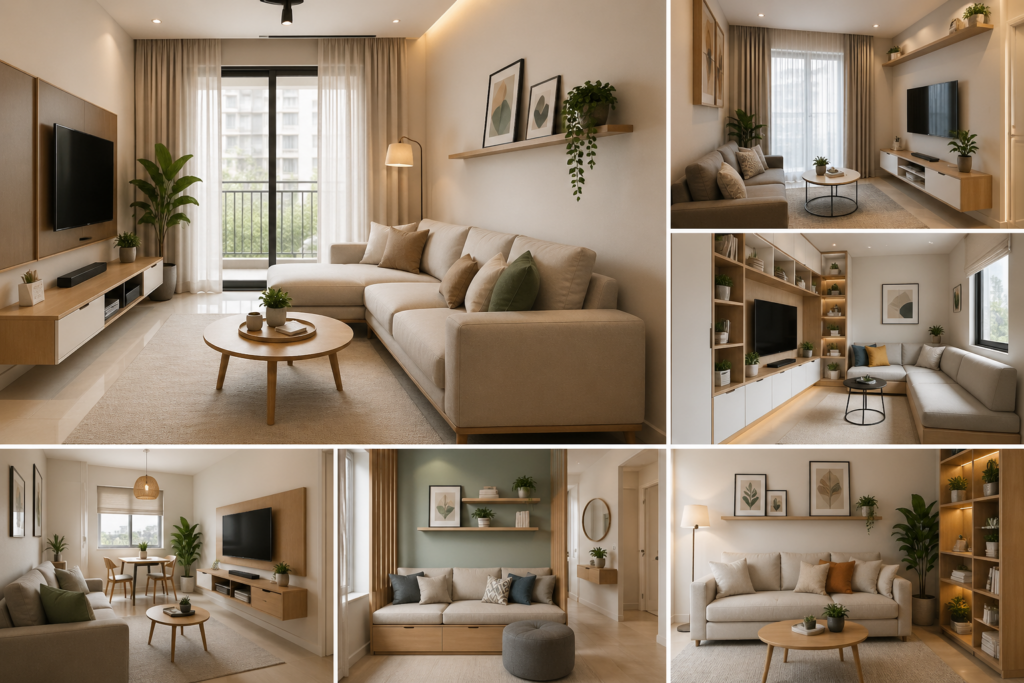

Designing a living room in a small apartment can feel like solving a puzzle with limited pieces. You want comfort, style, and functionality—but space constraints often make it challenging to achieve all three. The good news is that with thoughtful planning and clever design techniques, even the smallest living rooms can feel open, inviting, and luxurious.
Modern interior design is no longer about how much space you have; it’s about how effectively you use it. From smart furniture choices to strategic lighting and creative storage solutions, there are countless ways to transform a compact living room into a stylish and practical space.
In this guide, we’ll walk you through the best living room interior design ideas for small apartments, covering everything from layout planning to décor details, so you can create a space that truly feels like home.
Understand Your Space
Measure and Map Your Layout
Before you start buying furniture or décor, it’s essential to understand your living room’s dimensions. Measuring your space accurately allows you to plan a layout that avoids overcrowding and ensures smooth movement. Sketch a basic floor plan and mark windows, doors, and electrical points.
This step helps you visualize how each piece will fit and prevents costly mistakes like purchasing oversized furniture that overwhelms the room.
Define the Purpose of the Room
In small apartments, the living room often serves multiple purposes—it may double as a workspace, entertainment area, or even a guest room. Clearly defining its primary functions will guide your design decisions.
For example, if you work from home, you might need a compact desk. If you host guests frequently, a sofa bed could be a better choice. Prioritizing functionality ensures that your living room remains practical without sacrificing style.
Choose the Right Color Palette
Light Colors for a Spacious Feel
Color plays a powerful role in how spacious a room feels. Light shades such as white, beige, soft grey, and pastels reflect natural light, making the room appear larger and brighter.
Walls painted in lighter tones create an airy atmosphere and serve as a neutral backdrop for furniture and décor. This is especially important in small apartments where natural light may be limited.
Accent Colors Without Overcrowding
While light colors dominate small spaces, adding accents can bring personality and depth. Use pops of color through cushions, rugs, throws, or artwork rather than painting entire walls in bold shades.
This approach maintains visual balance and prevents the room from feeling cluttered or overwhelming.
Smart Furniture Selection
Multi-Functional Furniture
In a compact living room, every piece of furniture should serve a purpose—or better yet, multiple purposes. Multi-functional furniture is a game-changer for small apartments.
A sofa bed can accommodate guests, a storage ottoman can hide clutter while doubling as seating, and nesting tables can be tucked away when not in use. These versatile pieces help you maximize utility without occupying extra space.
Scale Matters
One of the most common mistakes in small living rooms is choosing furniture that is too large. Bulky sofas and oversized coffee tables can quickly make the space feel cramped.
Instead, opt for compact, streamlined furniture that fits proportionally within the room. Look for designs with clean lines and minimal detailing to maintain a sense of openness.
Elevated Furniture
Furniture with visible legs creates an illusion of space by allowing light to pass underneath. This makes the room feel less crowded compared to floor-hugging pieces.
Raised sofas, chairs, and cabinets contribute to a lighter and more breathable layout.
Maximize Vertical Space
Wall-Mounted Storage
When floor space is limited, the walls become your best friend. Wall-mounted shelves and cabinets provide valuable storage without occupying precious floor area.
Floating shelves can display books, décor, or plants while keeping the room organized and visually appealing.
Tall Storage Units
Tall bookcases or cabinets draw the eye upward, making ceilings appear higher and the room feel more spacious. This vertical emphasis enhances the perception of height and openness.
Clever Storage Solutions
Hidden Storage Ideas
Hidden storage is essential for maintaining a clean and clutter-free living room. Look for furniture that offers built-in storage, such as sofas with compartments or benches with lift-up seats.
These solutions keep everyday items out of sight while ensuring they remain easily accessible.
Decluttering Techniques
A small space can quickly feel chaotic if clutter accumulates. Adopting a minimalist mindset is key to maintaining a tidy and functional living room.
Regularly declutter and keep only items that are necessary or meaningful. Organized spaces not only look better but also feel more relaxing.
Use Mirrors and Lighting Strategically
Mirrors for Illusion of Space
Mirrors are one of the oldest tricks in interior design for making spaces appear larger. Placing a mirror opposite a window reflects natural light and creates a sense of depth.
Large mirrors or mirrored panels can significantly enhance the openness of a small living room.
Layered Lighting
Lighting plays a crucial role in shaping the ambiance of your living room. Instead of relying on a single overhead light, use a combination of ambient, task, and accent lighting.
Floor lamps, table lamps, and wall sconces add warmth and dimension without taking up too much space. Proper lighting makes the room feel more inviting and visually expansive.
Create Zones in a Small Living Room
Use Rugs and Furniture Placement
Even in a small apartment, creating distinct zones can improve functionality. Rugs are a simple yet effective way to define different areas, such as a seating zone or workspace.
Strategic furniture placement can also help separate spaces without the need for physical barriers.
Optimize Open Layouts
Many small apartments feature open layouts, where the living room blends with the dining or kitchen area. Maintaining a cohesive design ensures a smooth visual flow.
Use consistent color schemes and complementary furniture styles to create harmony throughout the space.
Add Personality Without Overcrowding
Minimal Decor Approach
When it comes to décor, less is more in small spaces. Instead of filling the room with numerous small items, choose a few statement pieces that stand out.
This approach keeps the space visually clean while still reflecting your personal style.
Wall Art and Textures
Wall art adds character without occupying floor space. A single large artwork can make a bold statement, while a well-curated gallery wall adds visual interest.
Textures such as cushions, rugs, and throws also contribute to the overall aesthetic, making the room feel cozy and layered.
Incorporate Smart Design Tricks
Transparent Materials
Furniture made from glass or acrylic creates a sense of openness because it doesn’t visually block space. A glass coffee table, for instance, allows light to flow freely and makes the room appear less crowded.
Sliding Doors and Curtains
Traditional doors can take up valuable space when opened. Sliding doors or curtains are practical alternatives that save space and enhance functionality.
Indoor Plants for Freshness
Adding greenery to your living room brings life and freshness to the space. Plants not only improve air quality but also create a calming environment.
In small apartments, opt for compact plants, hanging planters, or vertical gardens. These options add a natural touch without occupying too much room.
Budget-Friendly Design Ideas
Designing a stylish living room doesn’t have to be expensive. There are plenty of budget-friendly ways to enhance your space.
DIY décor projects, repurposing old furniture, and shopping for affordable accessories can make a significant difference. Small changes like updating cushion covers or adding a new rug can instantly refresh the room.
Common Mistakes to Avoid
While designing a small living room, certain mistakes can make the space feel even smaller. Overcrowding with furniture, ignoring lighting, and using too many dark colors are common pitfalls.
Poor layout planning can also disrupt the flow of the room. Being mindful of these mistakes helps you create a more balanced and functional space.
Conclusion
Designing a small apartment living room may come with challenges, but it also offers an opportunity to get creative and make the most of every inch. With the right combination of layout planning, smart furniture choices, and thoughtful décor, you can transform even the smallest space into a stylish and comfortable haven.
If you’re looking for expert guidance, working with an experienced interior design company in bangalore can help you achieve a professionally designed space tailored to your needs.
Ultimately, a well-designed living room is not about size—it’s about how it makes you feel. With these ideas, you can create a space that is both functional and beautifully inviting.