
Bedroom Interior Design Tips for Better Sleep and Comfort
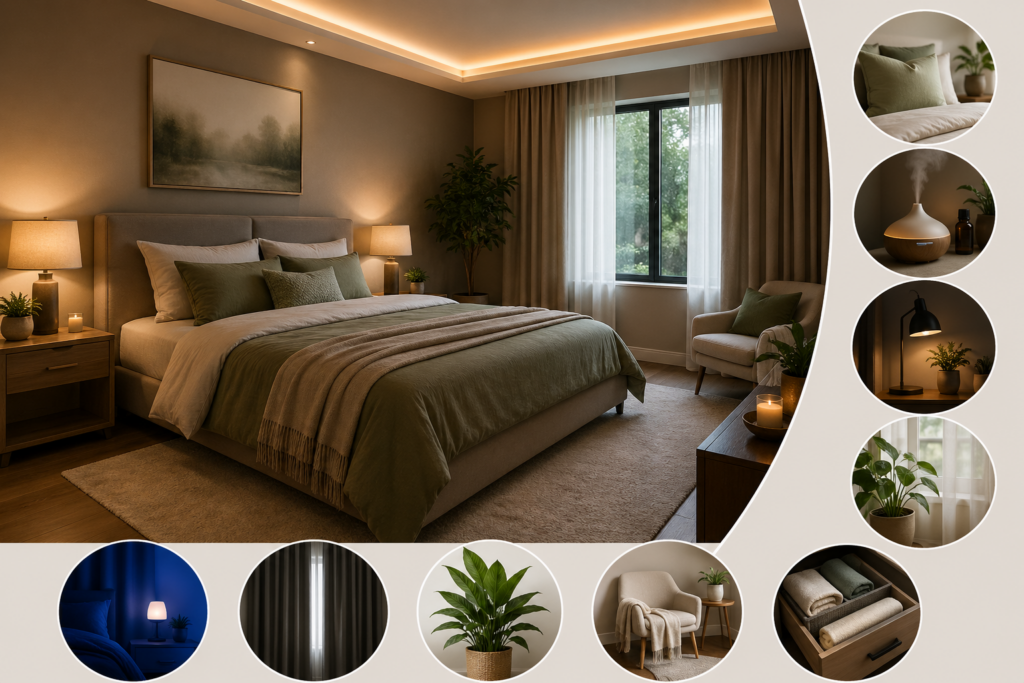

A well-designed bedroom is more than just a visually appealing space—it plays a critical role in your physical health, mental well-being, and overall quality of life. In today’s fast-paced world, where stress and screen time often interfere with rest, your bedroom should act as a calming sanctuary that promotes relaxation and deep sleep. Thoughtful interior design choices can significantly influence how quickly you fall asleep, how deeply you rest, and how refreshed you feel in the morning.
This guide explores practical and effective bedroom interior design tips that enhance both comfort and sleep quality. Whether you’re redesigning your entire space or making small upgrades, these insights will help you create a bedroom that truly supports rest and rejuvenation.
The Science Behind Sleep and Interior Design
Sleep is deeply influenced by your environment. Factors such as lighting, temperature, noise, and even the arrangement of furniture affect your body’s circadian rhythm—the natural sleep-wake cycle. When your bedroom aligns with these biological needs, your body naturally transitions into a restful state.
Lighting, for example, regulates melatonin production, the hormone responsible for sleep. Harsh or bright lighting at night can suppress melatonin, making it harder to fall asleep. Similarly, cluttered or chaotic spaces can subconsciously increase stress levels, preventing your mind from fully relaxing.
Interior design isn’t just about aesthetics; it’s about creating an environment that supports both mental calmness and physical comfort. A thoughtfully designed bedroom reduces distractions, enhances relaxation, and prepares your body for quality sleep.
Choosing the Right Color Palette
Colors That Promote Relaxation
Color psychology plays a powerful role in influencing mood and emotions. Soft, muted tones such as light blues, gentle greens, warm beiges, and pastel shades are known to create a calming atmosphere. These colors mimic natural elements like the sky, water, and earth, helping your mind feel grounded and peaceful.
Blue, in particular, is often associated with tranquility and has been shown to lower heart rate and blood pressure. Similarly, soft greens evoke a sense of balance and harmony, making them ideal for bedrooms.
Colors to Avoid
Bright, bold colors such as red, neon orange, or intense yellow can be overstimulating. These shades tend to increase energy levels and alertness, which is the opposite of what you want in a sleep-friendly environment. While they can be used as accents, they should not dominate the room.
Creating a Cohesive Look
A balanced color scheme combining two to three complementary shades works best. Neutral walls paired with soft furnishings in calming hues can create a layered and inviting aesthetic without overwhelming the senses.
Optimize Lighting for Better Sleep
Layered Lighting Approach
Effective bedroom lighting involves a combination of ambient, task, and accent lighting. Ambient lighting provides overall illumination, while bedside lamps or reading lights offer focused lighting for specific tasks. Accent lighting adds depth and warmth to the space.
Warm vs Cool Lighting
Warm lighting with a yellow or soft white tone is ideal for bedrooms. It creates a cozy atmosphere and signals your body that it’s time to relax. Cool white or blue-toned lighting should be avoided at night as it can disrupt sleep patterns.
Controlling Natural Light
During the day, natural light helps regulate your circadian rhythm. Large windows, sheer curtains, or blinds allow sunlight to enter and keep your space bright and refreshing. At night, blackout curtains are essential to block external light and create a dark, sleep-friendly environment.
Selecting Comfortable Furniture
The Importance of a Good Bed
Your bed is the centerpiece of your bedroom and the most important factor in sleep comfort. Investing in a high-quality mattress that supports your body type and sleeping position can drastically improve sleep quality. A sturdy bed frame and comfortable headboard add both functionality and style.
Ergonomic Furniture Choices
Furniture should be chosen not just for appearance but for comfort and usability. Nightstands at the right height, easy-to-access storage, and clutter-free surfaces contribute to a more functional and relaxing space.
Avoid Overcrowding
Too much furniture can make your bedroom feel cramped and chaotic. A minimalist approach ensures better airflow, easier movement, and a more peaceful ambiance.
Declutter and Organize Your Space
Why Decluttering Matters
Clutter can create visual stress and mental distraction. A messy room often leads to a restless mind, making it harder to unwind and fall asleep.
Smart Storage Solutions
Incorporating storage solutions like under-bed drawers, built-in wardrobes, and floating shelves helps keep your bedroom organized without compromising aesthetics. Hidden storage is especially effective in maintaining a clean and streamlined look.
Minimalist Décor Approach
Choosing fewer, meaningful decorative elements creates a sense of calm. Instead of overcrowding your space with accessories, focus on a few statement pieces that enhance the room’s overall vibe.
Temperature and Ventilation Matters
Ideal Temperature for Sleep
A slightly cool room, typically between 18–24°C, is considered optimal for sleep. Cooler temperatures help lower your body’s core temperature, signaling that it’s time to rest.
Importance of Ventilation
Proper airflow ensures fresh oxygen circulation, which is essential for uninterrupted sleep. Windows, ventilators, or air purifiers can improve air quality and create a more comfortable environment.
Material Choices
Using breathable materials like cotton bedding and lightweight curtains helps regulate temperature and enhances comfort throughout the night.
Incorporate Soft Textures and Fabrics
Choosing the Right Fabrics
Soft and breathable fabrics such as cotton, linen, and bamboo are ideal for bedding. They Layering for Comfort
Adding layers like cushions, throws, and rugs enhances the coziness of your bedroom. These elements not only improve comfort but also add depth and visual interest.
Creating a Cozy Atmosphere
Textures play a crucial role in making a space feel inviting. A mix of soft fabrics and warm materials can transform your bedroom into a comforting retreat.
Reduce Noise and Improve Acoustics
Minimizing External Noise
Noise pollution can disrupt sleep patterns. Thick curtains, carpets, and upholstered furniture help absorb sound and reduce disturbances from outside.
Soundproofing Options
For those living in busy areas, soundproofing solutions such as acoustic panels or double-glazed windows can significantly improve sleep quality.
Calming Sound Alternatives
Soft background sounds like white noise or nature sounds can mask disruptive noises and create a soothing environment.
Bring Nature Indoors
Benefits of Indoor Plants
Indoor plants improve air quality, reduce stress, and enhance the overall ambiance of your bedroom. They introduce a sense of freshness and tranquility.
Best Plants for Bedrooms
Low-maintenance plants such as snake plants, peace lilies, and aloe vera are excellent choices. They require minimal care while providing maximum benefits.
Natural Elements in Design
Incorporating materials like wood, stone, or natural fibers adds warmth and creates a connection with nature, promoting relaxation.
Limit Technology in the Bedroom
Impact of Screens on Sleep
Electronic devices emit blue light, which interferes with melatonin production. Excessive screen time before bed can lead to poor sleep quality and insomnia.
Creating a Tech-Free Zone
Keeping gadgets out of the bedroom or limiting their use can help establish a healthier sleep routine. Charging devices outside the room is a simple yet effective habit.
Alternative Relaxation Practices
Instead of scrolling through your phone, consider reading a book, practicing meditation, or journaling before bed to relax your mind.
Personalize Your Space Thoughtfully
Meaningful Décor
Personal touches such as artwork, photographs, or souvenirs can make your bedroom feel unique and comforting. However, it’s important to maintain balance and avoid overcrowding.
Aromatherapy and Scents
Calming scents like lavender, chamomile, or sandalwood can enhance relaxation and improve sleep quality. Scented candles or essential oil diffusers are great additions.
Balancing Aesthetics and Functionality
A well-designed bedroom should be both beautiful and practical. Every element should serve a purpose while contributing to the overall harmony of the space.
Feng Shui and Layout Tips
Ideal Bed Placement
Position your bed in a way that allows you to see the door without being directly aligned with it. This placement is believed to create a sense of security and relaxation.
Avoiding Mirrors Facing the Bed
Mirrors reflecting the bed can be distracting and may disrupt sleep. Placing them strategically can help maintain a calming atmosphere.
Balanced Energy Flow
A well-balanced layout ensures smooth movement and positive energy flow throughout the room, contributing to a peaceful environment.
Common Bedroom Design Mistakes to Avoid
Many people unknowingly make design choices that negatively impact sleep. Over-lighting the room, choosing style over comfort, ignoring ventilation, and over-decorating are some of the most common mistakes.
Another frequent issue is neglecting the importance of layout. Poor furniture placement can disrupt movement and create a sense of imbalance. Similarly, using heavy or non-breathable materials can make the room feel uncomfortable.
Avoiding these mistakes is just as important as implementing the right design strategies.
Conclusion
Designing a bedroom that promotes better sleep and comfort doesn’t require a complete overhaul. Small, intentional changes—such as adjusting lighting, choosing calming colors, decluttering, and improving ventilation—can make a significant difference.
Your bedroom should be a reflection of peace, comfort, and simplicity. By focusing on both functionality and aesthetics, you can create a space that not only looks beautiful but also supports your well-being.
If you’re looking to transform your bedroom into a restful sanctuary, working with a professional interior design company in bangalore can help you achieve a perfectly balanced and personalized space tailored to your needs.