
False Ceiling Design Ideas for Varanasi Homes
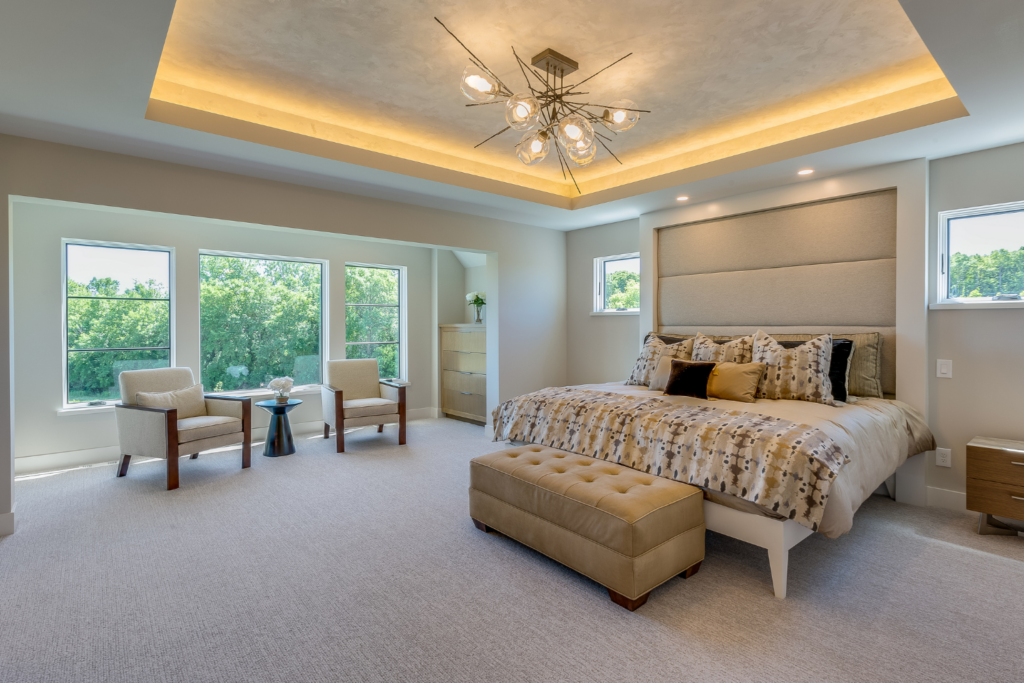

When homeowners plan a new home interior, most attention naturally goes toward flooring, furniture, wall finishes, kitchens, and wardrobes.
Yet one design element has the power to completely transform how a room feels without occupying any floor space:
The ceiling.
A well-designed false ceiling doesn’t just improve aesthetics. It influences lighting quality, room proportions, thermal comfort, and the overall perception of luxury within a home.
Interestingly, many homeowners in Varanasi still approach ceiling design as a decorative afterthought. The result is often either an overly complicated ceiling that feels dated within a few years or a missed opportunity to enhance the entire interior experience.
The best false ceilings are not necessarily the most elaborate ones. They are the ones that improve how a space functions while complementing the architecture of the home.
This guide explores practical false ceiling ideas that work particularly well for modern homes in Varanasi while helping homeowners make informed design decisions.
Why False Ceilings Have Become More Important in Modern Homes
Ten years ago, false ceilings were often considered a luxury feature.
Today, they serve multiple practical purposes.
Homeowners increasingly use false ceilings to:
- Improve lighting design
- Conceal electrical wiring
- Integrate air-conditioning systems
- Enhance room proportions
- Create visual zoning
- Improve aesthetics
As homes become more sophisticated and technology-driven, ceiling design has evolved from decoration to infrastructure.
The ceiling is now one of the most important architectural surfaces in a room.
A Common Mistake: Designing the Ceiling Before Designing the Lighting
One of the most frequent mistakes homeowners make is finalizing ceiling patterns before planning lighting requirements.
In reality, lighting should guide ceiling design—not the other way around.
A ceiling that looks attractive on paper may fail to provide:
- Comfortable illumination
- Proper task lighting
- Balanced ambient lighting
- Visual warmth
The most successful projects treat ceilings and lighting as a single design system.
This approach typically creates better results than focusing exclusively on decorative patterns.
Why False Ceilings Work Well in Varanasi Homes
Homes in Varanasi often combine contemporary design aspirations with practical family living requirements.
Many homeowners seek:
- Elegant interiors
- Better lighting
- Modern aesthetics
- Functional spaces
- Long-term durability
False ceilings help achieve these goals while addressing everyday challenges.
For example:
- Larger rooms can feel more proportionate.
- Lighting becomes more effective.
- AC ducts and wiring remain hidden.
- Spaces feel more finished and cohesive.
When planned thoughtfully, ceiling design improves both functionality and visual appeal.
False Ceiling Design Ideas That Work Well in Varanasi Homes
Minimal Peripheral Ceiling Design
One of the most timeless approaches is the peripheral ceiling.
Instead of covering the entire ceiling surface with layers and patterns, a clean border is created around the room’s perimeter.
Benefits include:
- Elegant appearance
- Lower visual clutter
- Better lighting integration
- Easier maintenance
This design works exceptionally well for:
- Living rooms
- Bedrooms
- Dining spaces
Homeowners looking for a modern aesthetic often find this approach more future-proof than heavily decorative designs.
Cove Lighting Ceilings
Cove lighting remains one of the most effective ways to create a premium atmosphere.
Instead of exposing light sources directly, illumination is reflected through concealed channels.
Advantages include:
- Softer lighting
- Improved ambiance
- Reduced glare
- Luxury appearance
Cove lighting is particularly effective during evenings when homeowners want a relaxed environment.
Layered Ceiling Designs for Large Living Rooms
In larger Varanasi homes, layered ceilings can help define zones without constructing physical partitions.
For example:
- Living area
- Dining space
- Conversation zones
can be visually distinguished through ceiling treatments.
When used selectively, layered designs create depth and architectural interest.
However, restraint is important.
Overly complex layers often make rooms feel visually heavy.
Wood-Finish Ceiling Accents
Natural wood-inspired finishes are becoming increasingly popular.
Rather than covering the entire ceiling, designers often use wood accents strategically.
Common applications include:
- TV areas
- Dining zones
- Bedroom focal points
These finishes introduce warmth while maintaining a modern appearance.
For homeowners seeking contemporary luxury, wood ceiling accents often provide a sophisticated alternative to decorative mouldings.
Geometric Contemporary Ceilings
Modern homes increasingly favor clean geometric patterns.
These designs use:
- Straight lines
- Symmetry
- Minimal detailing
to create architectural interest.
Unlike ornate ceiling designs that may feel dated over time, geometric ceilings often maintain their relevance for many years.
False Ceiling Design for Living Rooms
The living room typically benefits most from thoughtful ceiling planning.
A successful living room ceiling should:
- Support layered lighting
- Complement furniture layouts
- Create visual balance
- Enhance room proportions
Many homeowners mistakenly assume larger designs create greater impact.
In reality, a simpler design paired with excellent lighting often produces a more premium result.
False Ceiling Design for Bedrooms
Bedrooms have different requirements.
The objective is not visual drama.
The objective is comfort.
Effective bedroom ceilings typically focus on:
- Soft ambient lighting
- Warm illumination
- Minimal visual complexity
- Relaxing atmosphere
Many homeowners later discover that understated ceiling designs contribute more to comfort than highly decorative alternatives.
Should Every Room Have a False Ceiling?
Not necessarily.
This is an important consideration many homeowners overlook.
In some cases:
- High ceilings already create sufficient character.
- Smaller rooms may benefit from minimal interventions.
- Budget allocation may be better directed elsewhere.
The goal should be purposeful design rather than uniform application throughout the house.
A thoughtfully designed ceiling in selected spaces often creates greater impact than applying false ceilings everywhere.
Material Considerations Homeowners Often Ignore
Many ceiling discussions focus on appearance.
However, performance matters equally.
Important considerations include:
Durability
Materials should withstand long-term use with minimal maintenance.
Moisture Resistance
Particularly important in kitchens, utility spaces, and areas susceptible to humidity.
Maintenance
Future cleaning and repairs should be considered during planning.
Lighting Compatibility
The ceiling should accommodate present and future lighting requirements.
Good material decisions typically remain unnoticed because they simply perform well for years.
What Homeowners Regret Most About Ceiling Design
When discussing completed projects, several common regrets emerge.
Homeowners often wish they had:
- Planned lighting more carefully
- Simplified overly decorative designs
- Added more ambient lighting
- Considered maintenance earlier
- Focused on functionality rather than trends
Interestingly, very few homeowners regret choosing a simpler ceiling.
Many regret choosing an unnecessarily complex one.
A Varanasi Homeowner’s Perspective: Balancing Modern Design with Everyday Living
Many families in Varanasi are creating homes that blend contemporary aesthetics with practical daily living.
They want interiors that feel modern while remaining comfortable for:
- Multi-generational families
- Frequent guests
- Daily routines
- Long-term use
False ceiling design plays an important role in achieving this balance.
The best designs support the lifestyle of the family rather than merely serving as decorative features.
Expert Insight: Simplicity Usually Ages Better
One observation consistently emerges from successful residential projects.
The ceiling designs homeowners appreciate most after five years are rarely the most elaborate.
They are usually the ones that:
- Improve lighting quality
- Feel visually balanced
- Require minimal maintenance
- Complement the home’s architecture
In other words, great ceiling design often becomes invisible because it simply works.
That is ultimately the goal of thoughtful interior design.
FAQ
Which false ceiling design is best for Varanasi homes?
Minimal peripheral ceilings with integrated cove lighting remain among the most versatile and timeless options.
Does every room need a false ceiling?
No. Ceiling design should be based on functional requirements rather than applied uniformly throughout the home.
Are false ceilings suitable for apartments?
Yes. They can improve lighting, conceal services, and enhance aesthetics when designed appropriately.
Do false ceilings make rooms look smaller?
Poorly designed ceilings can. However, well-planned ceilings often improve proportions and spatial perception.
What is the biggest mistake homeowners make?
Focusing on decorative patterns before planning lighting and functionality.