
Bedroom Interior Design Tips for Better Sleep and Comfort
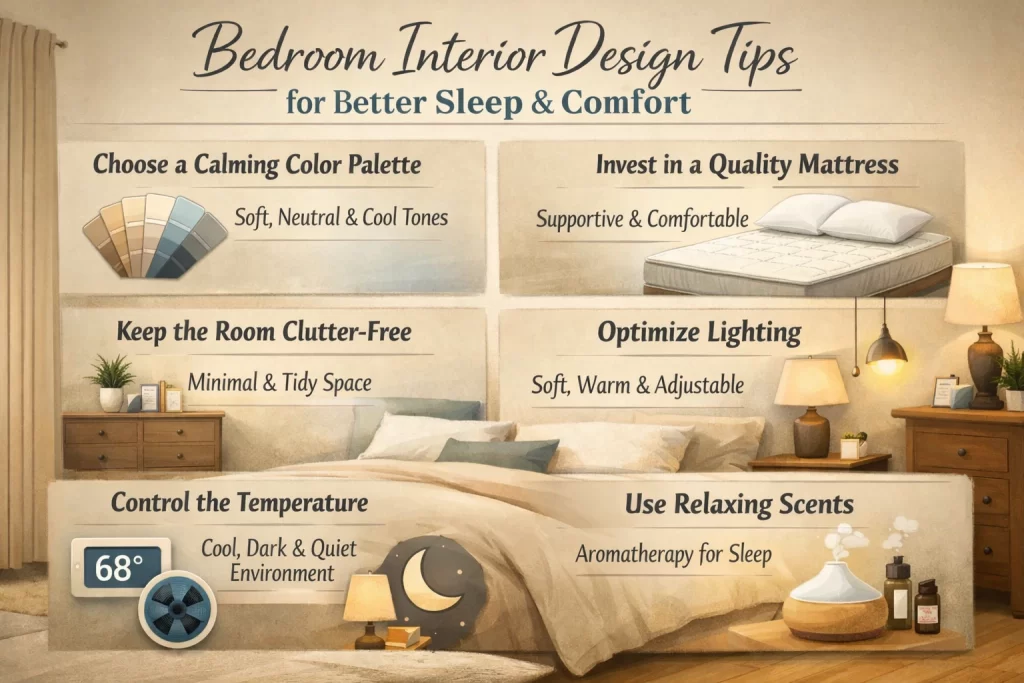

A good night’s sleep is no longer a luxury—it is a necessity for maintaining physical health, mental clarity, and emotional balance. In today’s fast-paced lifestyle, many people struggle with poor sleep quality, often overlooking one critical factor: the design of their bedroom. Your bedroom is more than just a place to sleep; it is a sanctuary where comfort, relaxation, and tranquility should come together seamlessly.
Thoughtful bedroom interior design plays a vital role in influencing how quickly you fall asleep and how well you rest throughout the night. From the colors on your walls to the type of lighting you use, every element contributes to the overall sleep environment. At Avinnyya, we believe that a well-designed bedroom should not only look aesthetically pleasing but also support your well-being and comfort.
In this detailed guide, we will explore practical and expert-approved bedroom interior design tips that can significantly enhance your sleep quality while creating a cozy and inviting space.
Why Bedroom Design Matters for Sleep Quality
The Science Behind Sleep and Environment
Sleep is deeply connected to your surroundings. Scientific research shows that environmental factors such as light exposure, room temperature, and color schemes directly influence your circadian rhythm—the internal clock that regulates your sleep-wake cycle. A poorly designed bedroom can disrupt this rhythm, making it harder to fall asleep and stay asleep.
For instance, excessive artificial lighting or harsh colors can overstimulate the brain, while a calm and dimly lit environment signals your body to relax. Similarly, a well-ventilated room with balanced temperature creates the ideal conditions for uninterrupted sleep.
Psychological Impact of Bedroom Interiors
Beyond physical factors, your bedroom design also affects your mental state. A cluttered and chaotic space can lead to stress and anxiety, making it difficult to unwind at the end of the day. On the other hand, a clean, organized, and thoughtfully designed bedroom promotes a sense of calmness and relaxation.
Minimalistic design principles, combined with functional layouts, can help create a peaceful environment that encourages better sleep. When your mind associates your bedroom with comfort and tranquility, falling asleep becomes much easier.
Choosing the Right Color Palette for Relaxation
Best Colors for Sleep
Color psychology plays a crucial role in bedroom design. Soft, muted tones such as beige, ivory, pastel blue, sage green, and lavender are known for their calming effects. These colors reduce visual stimulation and help create a soothing atmosphere that prepares your mind for rest.
Cool tones, especially shades of blue and green, are particularly effective in promoting relaxation. They are often associated with nature and serenity, making them ideal choices for bedroom walls and décor.
Colors to Avoid in Bedrooms
While bold and vibrant colors may look appealing, they are not always suitable for bedrooms. Bright reds, neon shades, and overly dark tones can create a sense of restlessness or heaviness. These colors tend to increase energy levels, which is the opposite of what you need in a sleep-friendly environment.
Accent Color Strategies
If you enjoy adding personality to your space, consider using accent colors in a balanced way. Instead of painting all walls in bold tones, opt for a feature wall or incorporate accent colors through cushions, artwork, or rugs. This approach allows you to maintain visual interest without overwhelming the space.
Optimal Bedroom Layout for Comfort and Flow
Bed Placement Principles
The placement of your bed is one of the most important aspects of bedroom design. Ideally, the bed should be positioned in a way that allows easy movement and provides a clear view of the room. Avoid placing the bed directly under a window, as it can lead to discomfort due to drafts or excessive light.
A well-positioned bed creates a sense of stability and balance, which contributes to better sleep quality.
Space Planning for Small Bedrooms
In compact spaces, smart planning is essential. Multi-functional furniture such as storage beds, foldable desks, or wall-mounted shelves can help maximize space without compromising comfort. The key is to ensure that the room does not feel cramped or cluttered.
Creating a Clutter-Free Layout
Maintaining open space around the bed and ensuring smooth movement within the room can significantly enhance comfort. Hidden storage solutions, such as under-bed drawers or built-in wardrobes, help keep the room organized and visually appealing.
Lighting Design for Better Sleep
Layered Lighting Approach
A well-designed bedroom uses layered lighting to create a balanced ambiance. Ambient lighting provides overall illumination, task lighting is useful for activities like reading, and accent lighting adds warmth and depth to the space.
Warm vs Cool Lighting
Warm lighting is ideal for bedrooms as it creates a cozy and relaxing environment. Lights with a color temperature between 2700K and 3000K are recommended for promoting better sleep. Cool white lighting, on the other hand, should be avoided in the evening as it can interfere with melatonin production.
Use of Natural Light
Natural light plays an important role in maintaining a healthy sleep cycle. During the day, allow sunlight to enter the room to boost mood and energy levels. For nighttime, use blackout curtains to block external light and create a dark, sleep-friendly environment.
Furniture Selection for Maximum Comfort
Choosing the Right Bed and Mattress
Your bed is the centerpiece of your bedroom, and investing in a high-quality mattress is essential for good sleep. The mattress should provide adequate support while being comfortable enough to relieve pressure points. The size of the bed should also be appropriate for the room to ensure ease of movement.
Functional and Minimal Furniture
Avoid overcrowding your bedroom with unnecessary furniture. Focus on essential pieces such as a bed, bedside tables, and storage units. A minimalist approach not only enhances aesthetics but also improves functionality.
Bedside Tables and Storage Units
Bedside tables should be placed within easy reach and designed to complement the overall theme of the room. Storage units should be practical yet stylish, blending seamlessly with the interior design.
Bedding and Fabrics That Enhance Sleep Quality
Choosing Breathable Fabrics
The choice of fabrics can greatly impact your comfort level. Natural materials like cotton, linen, and bamboo are breathable and help regulate body temperature, making them ideal for bedding.
Layering for Comfort
Layering your bedding with comforters, duvets, and throws adds both comfort and visual appeal. This allows you to adjust according to seasonal changes and personal preferences.
Curtains and Upholstery Choices
Curtains should strike a balance between functionality and style. Blackout curtains are excellent for blocking light, while sheer curtains can be used during the day to maintain brightness without compromising privacy.
Temperature and Ventilation Considerations
Ideal Bedroom Temperature
Maintaining the right temperature is crucial for restful sleep. Experts recommend keeping the bedroom temperature between 18°C and 24°C for optimal comfort.
Ventilation and Airflow
Proper ventilation ensures fresh air circulation, which is essential for a healthy sleep environment. Cross-ventilation, ceiling fans, and air conditioning systems can help maintain a comfortable atmosphere.
Indoor Plants for Air Quality
Adding indoor plants such as snake plants, peace lilies, or aloe vera can improve air quality while enhancing the aesthetic appeal of your bedroom.
Noise Control and Acoustic Comfort
Reducing External Noise
Noise pollution can significantly disrupt sleep. Using double-glazed windows or heavy curtains can help minimize external disturbances.
Soft Materials for Sound Absorption
Incorporating soft materials like rugs, carpets, and upholstered furniture can absorb sound and create a quieter, more peaceful environment.
Decluttering and Smart Storage Solutions
Importance of Minimalism
A clutter-free bedroom promotes mental clarity and relaxation. Keeping only essential items in your bedroom can help reduce stress and improve sleep quality.
Hidden Storage Ideas
Utilizing hidden storage options such as under-bed compartments or built-in wardrobes can help maintain a clean and organized space.
Wardrobe Organization Tips
Organizing your wardrobe efficiently ensures easy access to items and prevents unnecessary clutter from accumulating.
Adding Personal Touch Without Overcrowding
Wall Art and Décor
Choose wall art that reflects your personality while maintaining a calm and cohesive theme. Avoid overcrowding walls with too many elements.
Use of Mirrors
Mirrors can enhance the sense of space and reflect light, making the room feel brighter and larger.
Scent and Ambience
Incorporating soothing scents through candles, essential oils, or diffusers can enhance relaxation and improve sleep quality.
Smart Bedroom Technology for Comfort
Smart Lighting Systems
Automated lighting systems allow you to adjust brightness and color temperature according to your needs, creating a customized sleep environment.
Temperature Control Devices
Smart thermostats help maintain consistent temperature levels, ensuring comfort throughout the night.
Sleep-Friendly Gadgets
Devices such as white noise machines and smart alarms can enhance sleep quality by reducing disturbances and promoting a consistent sleep schedule.
Vastu & Feng Shui Tips for Better Sleep
Bed Direction Guidelines
Placing your bed with the head facing south or east is considered beneficial for promoting restful sleep and positive energy.
Mirror Placement Rules
Avoid placing mirrors directly opposite the bed, as they can create visual disturbances and disrupt sleep.
Energy Flow and Balance
Maintaining a clean and open space ensures smooth energy flow, contributing to a harmonious and relaxing environment.
Common Bedroom Design Mistakes to Avoid
Common mistakes such as overcrowding the room, using harsh lighting, ignoring storage needs, or choosing distracting colors can negatively impact your sleep quality. Being mindful of these pitfalls can help you create a more comfortable and functional bedroom.
Budget-Friendly Bedroom Design Tips
Creating a comfortable bedroom does not always require a large budget. Simple changes like updating cushion covers, improving lighting, or adding affordable décor elements can make a significant difference. DIY projects and smart shopping can help you achieve a stylish and relaxing space without overspending.
Why Choose Avinnyya for Bedroom Interior Design
At Avinnyya, we specialize in creating bedrooms that combine style, comfort, and functionality. Our personalized design approach ensures that every element of your bedroom is tailored to your needs and preferences. With expertise in comfort-centric interiors and end-to-end solutions, we transform ordinary spaces into peaceful retreats.
If you are looking for expert guidance, you can also explore our services as a trusted interior design company in bangalore to create a bedroom that truly enhances your lifestyle.
Conclusion
Designing a bedroom that promotes better sleep and comfort requires a thoughtful balance of aesthetics and functionality. From choosing the right colors and lighting to optimizing layout and furniture, every detail plays a crucial role in shaping your sleep experience.
By implementing these bedroom interior design tips, you can create a space that not only looks beautiful but also supports your well-being. A well-designed bedroom is an investment in your health, happiness, and overall quality of life.