
Bedroom Interior Ideas for Better Sleep and Relaxation
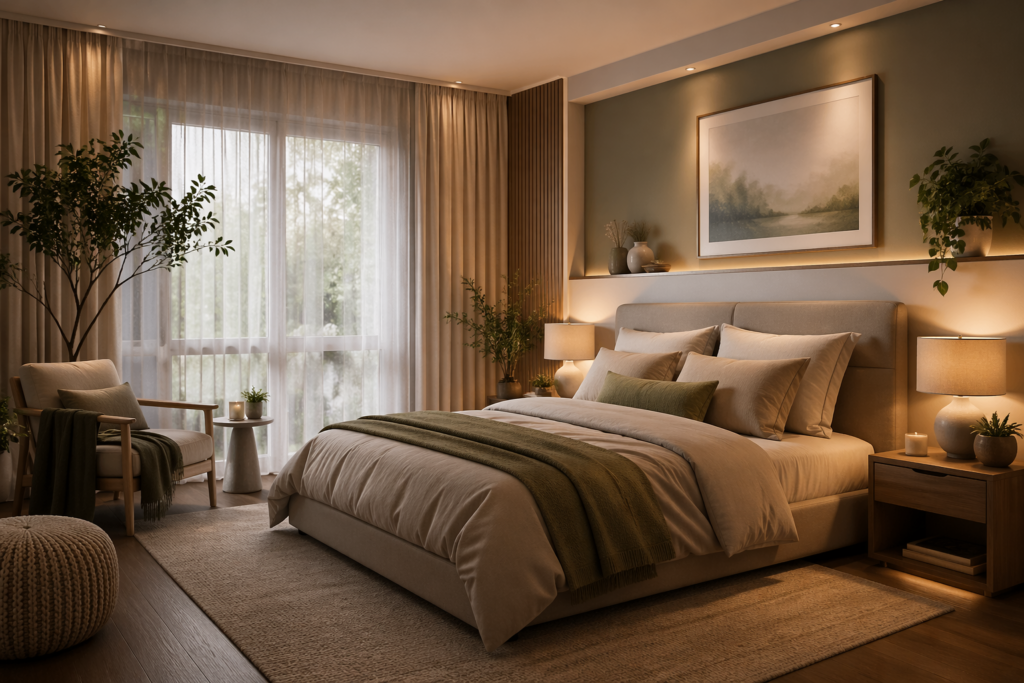

A well-designed bedroom is more than just a place to sleep—it is your personal sanctuary where comfort meets tranquility. In today’s fast-paced lifestyle, quality sleep has become a luxury for many, and surprisingly, your bedroom interiors play a significant role in determining how well you rest. From the colors on your walls to the type of lighting you use, every design choice can either promote relaxation or disrupt your sleep cycle.
Thoughtful bedroom interior design focuses on creating a calm, clutter-free, and soothing environment that helps your mind unwind after a long day. Whether you are redesigning your space or making small improvements, the right ideas can transform your bedroom into a peaceful retreat. In this guide, we will explore practical and stylish bedroom interior ideas that enhance sleep quality and promote deep relaxation.
Why Bedroom Design Matters for Sleep Quality
The Psychology of Space and Sleep
The design of your bedroom directly influences your mental state. A cluttered, poorly organized room often leads to increased stress and anxiety, making it harder for your brain to relax. On the other hand, a clean, thoughtfully designed space signals calmness and order, encouraging your mind to slow down. When your surroundings feel balanced and harmonious, your body naturally aligns with a more restful state.
Your brain associates your bedroom with rest, but this connection weakens if the space is chaotic or overstimulating. Incorporating calming design elements strengthens this association, helping you fall asleep faster and enjoy uninterrupted rest.
Role of Interior Elements in Relaxation
Every element in your bedroom—from lighting and colors to textures and layout—affects your circadian rhythm. Soft lighting, comfortable furniture, and soothing colors work together to create an environment that promotes relaxation. Even small details like the fabric of your curtains or the placement of your bed can influence how relaxed you feel.
Choosing the Right Color Palette for a Calming Bedroom
Best Colors for Sleep
Color psychology plays a crucial role in bedroom design. Soft and neutral tones such as beige, ivory, and light grey create a sense of calm and simplicity. Cool shades like blue, green, and lavender are especially effective in promoting relaxation, as they mimic natural elements like sky and greenery.
These colors help lower stress levels and create a serene atmosphere, making it easier for your mind to transition into sleep mode.
Colors to Avoid
Bright and bold colors like red, neon shades, or overly dark tones can overstimulate the mind. These colors increase energy levels rather than calming them, making it harder to relax. While they may work well in living areas, they are not ideal for a sleep-friendly environment.
Accent Colors and Balance
You don’t have to stick to a single tone. Adding subtle accent colors through cushions, rugs, or artwork can bring warmth and personality without overwhelming the space. The key is to maintain balance and avoid visual clutter.
Bedroom Lighting Ideas for Relaxation
Layered Lighting Concept
A well-lit bedroom uses a combination of lighting types to create a balanced atmosphere. Ambient lighting provides overall illumination, while task lighting—like bedside lamps—supports activities such as reading. Accent lighting adds depth and enhances the overall aesthetic.
Layered lighting allows you to adjust brightness levels according to your mood, which is essential for creating a relaxing environment.
Warm vs Cool Lighting
Warm lighting is ideal for bedrooms as it creates a cozy and inviting feel. Cool white lighting, while suitable for workspaces, can feel harsh and disrupt your body’s natural sleep signals. Switching to warm-toned bulbs can make a noticeable difference in how relaxed you feel at night.
Smart Lighting Solutions
Modern bedrooms increasingly incorporate smart lighting systems. Dimmable lights and automated controls allow you to adjust brightness without effort. Gradually dimming lights in the evening can help signal your body that it’s time to wind down.
Furniture Layout for Better Comfort and Flow
Bed Placement Tips
The placement of your bed is one of the most important aspects of bedroom design. Ideally, your bed should be positioned in a way that allows easy access from both sides while maintaining a sense of security. Avoid placing it directly in line with the door, as this can create a feeling of disturbance.
Minimalist Approach
A minimalist layout enhances relaxation by reducing visual clutter. Instead of overcrowding your bedroom with furniture, focus on essential pieces that serve a purpose. Clean lines and simple designs create a sense of openness and calm.
Space Optimization
Smart storage solutions such as beds with built-in storage or wall-mounted shelves help keep the room organized. A well-structured layout ensures smooth movement and prevents the space from feeling cramped.
Selecting the Perfect Mattress and Bedding
Mattress Types and Comfort
Your mattress plays a critical role in sleep quality. Memory foam mattresses provide excellent support by contouring to your body, while spring mattresses offer better airflow. Hybrid options combine the benefits of both. Choosing the right mattress depends on your comfort preference and sleeping position.
Bedding Materials
Natural fabrics like cotton, linen, and bamboo are ideal for bedding. They are breathable, soft, and help regulate body temperature, ensuring a comfortable sleep experience throughout the year.
Pillows and Ergonomics
Proper neck support is essential for avoiding discomfort and improving sleep quality. Ergonomic pillows designed for your sleeping posture can significantly enhance comfort and reduce strain.
Creating a Clutter-Free and Organized Bedroom
Smart Storage Solutions
A clutter-free bedroom promotes a sense of calm and order. Built-in wardrobes, under-bed storage, and multifunctional furniture help keep everything organized without compromising aesthetics.
Decluttering Techniques
Adopting a minimalist mindset can make a big difference. Keep only essential items in your bedroom and store away anything that doesn’t contribute to comfort or relaxation. Regularly decluttering your space ensures it remains peaceful and inviting.
Incorporating Natural Elements for Relaxation
Indoor Plants for Better Air Quality
Bringing nature indoors can enhance both the look and feel of your bedroom. Plants like snake plants, peace lilies, and aloe vera improve air quality while adding a refreshing touch of greenery.
Natural Materials
Using materials like wood, rattan, and linen creates a warm and organic atmosphere. These elements connect your space to nature, which has a calming effect on the mind.
Ventilation and Fresh Air
Good ventilation is essential for a healthy bedroom environment. Proper airflow keeps the room fresh and prevents it from feeling stuffy, contributing to better sleep.
Soundproofing and Noise Reduction Ideas
Soft Furnishings
Soft materials such as rugs, curtains, and upholstered furniture absorb sound and reduce noise levels. These elements also add warmth and texture to the room.
Wall Treatments
Acoustic panels or textured wallpapers can help minimize external noise, making your bedroom quieter and more conducive to sleep.
White Noise and Sound Machines
In noisy environments, white noise machines or calming background sounds can mask disturbances and create a peaceful atmosphere.
Aromatherapy and Sensory Design
Calming Scents
Scents like lavender, chamomile, and sandalwood are known for their relaxing properties. Incorporating these fragrances into your bedroom can help reduce stress and improve sleep quality.
Essential Oil Diffusers
Diffusers are an easy way to introduce soothing aromas into your space. Placing them near your bed ensures a consistent and gentle fragrance throughout the night.
Multi-Sensory Experience
Combining scent, lighting, and soft textures creates a holistic environment that engages your senses and promotes relaxation.
Technology in Bedroom Design (Use Wisely)
Minimizing Screen Exposure
Electronic devices emit blue light, which interferes with your sleep cycle. Keeping TVs, laptops, and smartphones away from your bed can significantly improve sleep quality.
Smart Bedroom Features
Automation can enhance convenience without disrupting relaxation. Features like automated curtains and sleep-friendly lighting systems allow you to control your environment effortlessly.
Personalizing Your Bedroom for Emotional Comfort
Meaningful Decor
Adding personal touches such as artwork, photographs, or souvenirs makes your bedroom feel more inviting and emotionally comforting. These elements create a sense of belonging and warmth.
Textures and Fabrics
Layering different textures—like cushions, throws, and rugs—adds depth and coziness to your bedroom. Soft fabrics enhance comfort and make the space more relaxing.
Creating a Cozy Ambience
A combination of lighting, textiles, and decor elements can transform your bedroom into a cozy retreat where you feel completely at ease.
Common Bedroom Design Mistakes to Avoid
Many homeowners unknowingly make design choices that negatively impact sleep quality. Overcrowding the room with furniture can make it feel suffocating, while poor lighting choices may create discomfort. Ignoring ventilation leads to stale air, and using overly bright colors can overstimulate the mind. Lack of proper storage often results in clutter, which disrupts the calming atmosphere. Avoiding these mistakes is essential for creating a sleep-friendly bedroom.
Budget-Friendly Bedroom Makeover Ideas
Quick Upgrades
Simple changes like updating your bedding, adding soft lighting, or rearranging furniture can instantly improve your bedroom’s look and feel.
DIY Decor Ideas
Creating your own wall art or repurposing existing decor items can give your bedroom a fresh look without spending much.
Affordable Styling Tips
Using mirrors to reflect light, adding plants, and incorporating textiles are cost-effective ways to enhance your bedroom’s aesthetic.
Why Choose Avinnyya for Bedroom Interior Design
Designing a bedroom that truly enhances sleep requires a thoughtful approach and professional expertise. Avinnyya specializes in creating personalized bedroom interiors that balance aesthetics with functionality. With a focus on comfort, smart space utilization, and modern design trends, the team ensures every bedroom becomes a relaxing sanctuary.
If you are looking for a trusted interior design company in bangalore, Avinnyya offers customized solutions tailored to your lifestyle and preferences, helping you achieve the perfect blend of style and comfort.
Conclusion
Your bedroom should be a place where you can disconnect from the stresses of daily life and recharge both physically and mentally. By focusing on elements like color, lighting, furniture, and organization, you can create a space that promotes better sleep and relaxation.
Even small changes can make a significant difference when approached thoughtfully. Whether you are redesigning your entire bedroom or making gradual improvements, the goal is to create an environment that feels calm, comfortable, and uniquely yours. With the right interior design choices, your bedroom can truly become the peaceful retreat you deserve.
Transform your bedroom into a relaxing sanctuary with Avinnyya. Get in touch today for customized interior design solutions that improve comfort, enhance style, and promote better sleep.