
Best Home Interior Services in Varanasi – Transform Your Home with Expert Designers
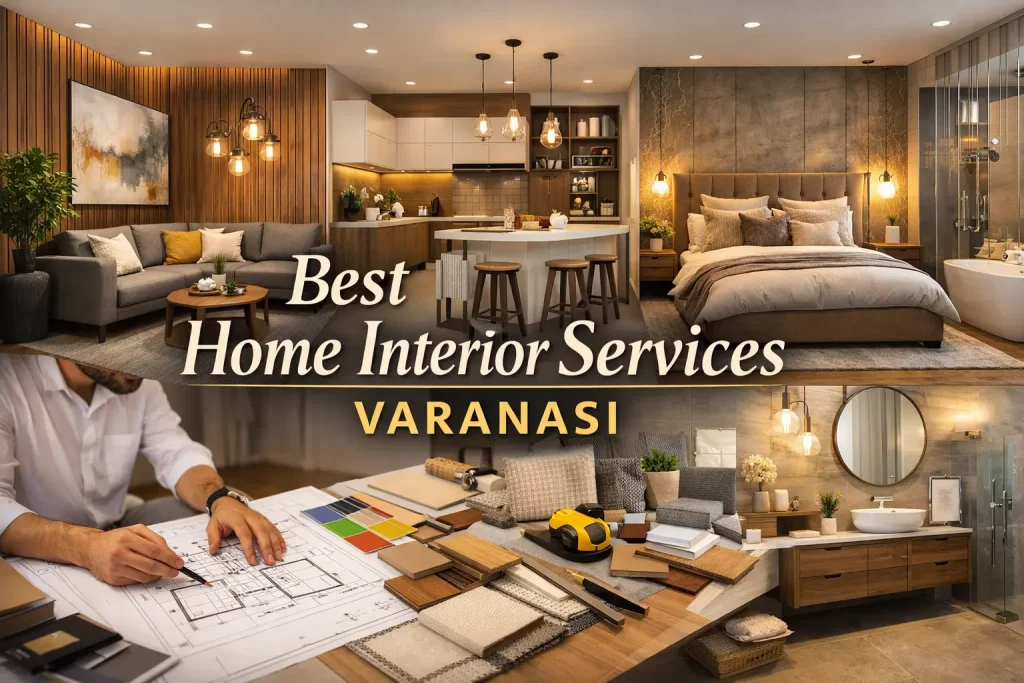
Designing a home is more than arranging furniture and choosing paint colors. A well-designed home reflects personality, lifestyle, comfort, and functionality. As modern living standards evolve, homeowners are increasingly looking for professional help to create beautiful and efficient living spaces. This is why the demand for the best home interior services Varanasi has grown significantly in recent years.
Varanasi, known for its rich heritage and culture, is also witnessing rapid urban development with new apartments, villas, and residential complexes. Homeowners now prefer modern interiors that combine aesthetics with practicality. Professional interior design services help transform ordinary houses into elegant, comfortable, and highly functional homes.
From space planning and furniture design to lighting and décor selection, expert designers manage every detail of interior development. Companies like Avinnyya specialize in creating customized interiors that match the unique needs of each homeowner. Whether it is a compact apartment or a spacious villa, professional interior services ensure that every corner of the home is utilized efficiently and beautifully.
Why Professional Home Interior Services Matter
Many homeowners attempt to design their homes themselves, but professional interior services provide expertise that significantly improves the final result. Interior designers understand design principles, materials, layouts, and functionality, allowing them to create balanced and visually appealing interiors.
Creating Functional and Stylish Living Spaces
A beautiful home must also be practical and comfortable. Professional designers carefully plan layouts to ensure that each room serves its purpose efficiently while maintaining aesthetic appeal.
Proper space planning allows designers to maximize usable space without overcrowding the room. Furniture placement, circulation space, and storage solutions are all carefully considered. This ensures that rooms feel open, organized, and welcoming.
Interior designers also consider lifestyle requirements when designing spaces. For example, a family with children may require durable materials and additional storage, while a working professional may prioritize a home office setup.
Saving Time and Avoiding Costly Mistakes
Interior design involves many decisions, including materials, finishes, furniture selection, lighting plans, and installation processes. Without professional guidance, homeowners may make expensive mistakes that require redesign or replacement.
Professional interior designers help avoid these issues by planning every detail before execution. They also coordinate with contractors, carpenters, electricians, and vendors, ensuring that the project progresses smoothly and is completed within the planned timeline.
This project management expertise saves homeowners both time and money.
Access to Premium Materials and Design Expertise
Interior designers have access to a wide range of materials, furniture suppliers, and décor options that are often unavailable to individual homeowners. Their industry knowledge allows them to select high-quality materials that enhance both durability and appearance.
Professional designers also bring creative ideas that homeowners may not have considered. From custom wardrobes and modular kitchens to statement lighting and decorative wall panels, their expertise results in unique and personalized interiors.
Types of Home Interior Services in Varanasi
Professional interior design services cover every area of the home. Each room requires specific design considerations to ensure both comfort and functionality.
Living Room Interior Design
The living room is often the first space guests see when entering a home. It serves as a central gathering area for family members and visitors. Therefore, its design should be welcoming, stylish, and comfortable.
Living room interior design focuses on furniture arrangement, lighting, wall décor, and entertainment units. Designers carefully select sofas, coffee tables, rugs, and curtains that complement the overall theme of the house.
Accent walls, decorative panels, and modern TV units also play an important role in enhancing the visual appeal of the living room.
Modular Kitchen Design
The kitchen is one of the most functional areas of the home, and its design must prioritize efficiency and convenience. Modern modular kitchens offer organized storage, smart layouts, and contemporary aesthetics.
Interior designers plan kitchen layouts such as L-shaped, U-shaped, or parallel designs depending on the available space. They also incorporate features like pull-out cabinets, corner storage units, and built-in appliances to improve functionality.
Proper lighting and ventilation are also essential elements in kitchen design.
Bedroom Interior Design
Bedrooms should be relaxing and comfortable spaces that promote rest and privacy. Designers focus on creating a calm atmosphere using soothing colors, soft lighting, and comfortable furniture.
Bedroom interiors often include custom wardrobes, stylish headboards, bedside tables, and decorative lighting. Designers also ensure that storage solutions are integrated seamlessly without cluttering the space.
A well-designed bedroom balances comfort, style, and practicality.
Bathroom Interior Design
Modern bathrooms are no longer just functional spaces. They are now designed to provide a spa-like experience with stylish fixtures and elegant finishes.
Bathroom interior design includes selecting tiles, vanity units, mirrors, lighting, and storage cabinets. Designers also ensure that plumbing layouts and ventilation systems are properly planned for long-term durability.
Compact bathrooms can also be optimized with space-saving solutions such as wall-mounted storage and glass partitions.
Dining Area Interior Design
The dining area serves as a social space where families gather for meals and conversations. Interior designers focus on creating a comfortable and inviting environment.
Dining tables, chairs, pendant lighting, and decorative elements such as artwork or wall panels contribute to the overall aesthetic of the space.
Proper lighting above the dining table enhances both functionality and ambiance.
Home Office Interior Design
With remote work becoming more common, home offices have become essential in modern homes. A well-designed workspace improves productivity and comfort.
Interior designers create ergonomic office setups with proper desk placement, storage cabinets, and lighting arrangements. Sound insulation, organized shelving, and comfortable seating also play an important role in creating an efficient workspace.
Popular Home Interior Design Styles in Varanasi
Different homeowners have different preferences when it comes to interior design styles. Designers often customize themes according to the homeowner’s lifestyle and taste.
Modern Interior Design
Modern interiors emphasize simplicity, clean lines, and functional layouts. Neutral colors such as white, grey, and beige are commonly used to create a calm and sophisticated atmosphere.
Furniture designs are sleek and minimal, while décor elements are carefully selected to avoid clutter.
Contemporary Interior Design
Contemporary design focuses on current trends and evolving styles. It often combines modern materials, innovative lighting, and bold textures to create visually dynamic spaces.
This style is popular among homeowners who prefer stylish and updated interiors.
Traditional Indian Interior Design
Traditional interiors reflect cultural heritage through the use of rich colors, carved wooden furniture, and decorative patterns.
Designers often incorporate handcrafted elements, traditional artwork, and classic materials such as wood and brass to create an elegant and timeless appearance.
Minimalist Interior Design
Minimalism focuses on simplicity and functionality. Spaces are designed with fewer furniture pieces and minimal decoration to maintain a clean and organized environment.
Neutral colors and multi-functional furniture are common elements of minimalist interiors.
Luxury Interior Design
Luxury interiors emphasize premium materials, sophisticated finishes, and elegant décor. Marble surfaces, designer lighting, custom furniture, and statement décor pieces contribute to a luxurious atmosphere.
This style is ideal for homeowners who want a high-end and refined living environment.
Key Elements of the Best Home Interior Design
Creating exceptional home interiors requires attention to several essential design elements.
Color Palette Selection
Colors significantly influence the mood and visual perception of a space. Designers carefully select color palettes that complement the architecture and lighting of the home.
Soft neutral tones create calm environments, while bold accent colors add personality and depth to the design.
Lighting Design
Lighting is one of the most important aspects of interior design. It enhances both functionality and ambiance.
Interior designers combine different types of lighting including ambient lighting, task lighting, and accent lighting to create balanced illumination throughout the home.
Furniture Selection
Furniture plays a major role in defining the style and functionality of interior spaces. Designers often recommend custom furniture pieces that fit perfectly within the available space.
Comfort, durability, and visual appeal are all considered when selecting furniture.
Wall Decor and Textures
Walls provide an opportunity to add character and depth to interior spaces. Designers use wallpapers, textured paints, wooden panels, and decorative artwork to enhance the overall design theme.
Accent walls are particularly popular in modern homes.
Storage Solutions
Smart storage solutions help maintain an organized and clutter-free environment. Built-in wardrobes, modular cabinets, and hidden storage compartments maximize space while maintaining a clean design.
Efficient storage is especially important in smaller apartments where space is limited.
Step-by-Step Process of Professional Home Interior Services
Professional interior design projects typically follow a structured process to ensure smooth execution.
Initial Consultation
The process begins with a consultation where designers discuss the homeowner’s preferences, lifestyle requirements, and budget.
This stage helps designers understand the client’s vision and expectations.
Space Planning and Concept Development
Designers then create layout plans and conceptual ideas based on the consultation. This includes furniture placement, storage design, and lighting concepts.
Proper planning ensures efficient use of space and balanced aesthetics.
3D Design Visualization
Modern interior design often includes 3D visualizations that allow homeowners to see how the final design will look before construction begins.
This helps clients make informed decisions about materials and layouts.
Material Selection
Designers assist in choosing materials such as flooring, furniture finishes, fabrics, and lighting fixtures.
Selecting the right materials ensures durability and visual harmony.
Execution and Installation
Once designs are finalized, the execution stage begins. Skilled craftsmen and technicians install furniture, lighting, cabinetry, and decorative elements according to the design plan.
Final Handover
The final stage includes quality checks and finishing touches. Designers ensure that every detail meets the expected design standards before handing over the completed project.
Cost of Home Interior Services in Varanasi
Interior design costs vary depending on several factors including the size of the home, materials used, and level of customization.
Factors Affecting Interior Design Cost
The total cost of interior design depends on the number of rooms being designed, furniture customization, lighting systems, and decorative elements.
Premium materials and complex designs naturally increase the overall project cost.
Average Interior Design Cost Breakdown
Living room interiors may include furniture, TV units, and lighting installations. Bedrooms typically involve wardrobes, beds, and decorative elements. Modular kitchens include cabinets, countertops, and appliances.
Each component contributes to the total project budget.
Budget-Friendly Interior Design Tips
Homeowners can reduce costs by prioritizing essential elements and selecting cost-effective materials without compromising quality.
Minimalist designs and multi-functional furniture also help optimize budgets.
Latest Home Interior Trends in Varanasi
Interior design trends continue to evolve as technology and lifestyle preferences change.
Smart Home Integration
Smart lighting, automated appliances, and voice-controlled devices are becoming increasingly popular in modern homes.
These technologies improve convenience and energy efficiency.
Sustainable Interior Design
Eco-friendly materials and energy-efficient designs are gaining popularity among environmentally conscious homeowners.
Sustainable interiors reduce environmental impact while maintaining aesthetic appeal.
Multi-Functional Furniture
Furniture that serves multiple purposes is ideal for compact homes. Examples include sofa beds, foldable desks, and storage beds.
These solutions maximize space efficiency.
Accent Walls and Decorative Panels
Accent walls with textured finishes, wallpapers, or wooden panels add depth and personality to interior spaces.
How to Choose the Best Home Interior Services in Varanasi
Choosing the right design service is crucial for achieving high-quality results.
Homeowners should review portfolios, read customer testimonials, and evaluate the experience of designers before making a decision. Transparent pricing and clear communication are also important factors when selecting an interior design partner.
For homeowners looking for professional expertise, working with an experienced interior design company in Varanasi ensures reliable service and creative design solutions.
Why Avinnyya is the Best Choice for Home Interior Services in Varanasi
Avinnyya is known for delivering customized and high-quality interior design solutions tailored to each homeowner’s needs.
The company offers complete Varanasi home interior services including consultation, design planning, material selection, and project execution. Their experienced team focuses on combining creativity, functionality, and durability to create exceptional living spaces.
If you are searching for an experienced interior designer in Varanasi, Avinnyya provides personalized solutions that transform houses into beautiful and comfortable homes.
Tips for Maintaining Beautiful Home Interiors
Once interiors are completed, regular maintenance helps preserve their beauty and durability.
Regular Cleaning and Maintenance
Dusting furniture, cleaning surfaces, and maintaining lighting fixtures keeps interiors fresh and appealing.
Updating Decor Elements
Simple updates such as new cushions, rugs, or artwork can refresh the appearance of a room without major renovation.
Protecting Furniture and Surfaces
Using protective coatings, furniture covers, and proper cleaning methods helps extend the lifespan of interior materials.
Conclusion
Designing a beautiful and functional home requires careful planning, creativity, and technical expertise. Professional interior services help homeowners achieve balanced and well-organized living spaces that reflect their personal style.
With the growing demand for modern and efficient homes, investing in the best home interior services Varanasi ensures high-quality design solutions that enhance comfort and aesthetics. By working with experienced professionals, homeowners can transform their living spaces into elegant environments that support both lifestyle and functionality.