
Blending Traditional and Contemporary Styles for a Timeless Look
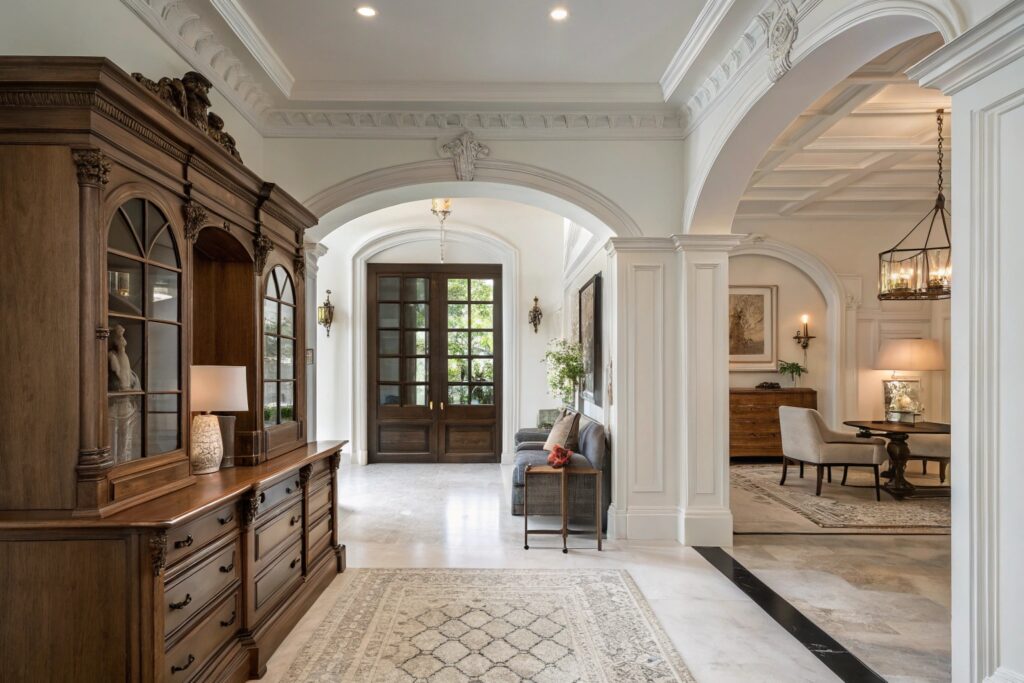

A Complete Interior Design Guide by Avinnyya
Creating a home that feels both fresh and rooted in culture is a desire shared by many modern homeowners. With design trends evolving rapidly, the challenge is often to craft interiors that stand the test of time—spaces that do not look dated after a few years yet stay connected to tradition, memory, and identity. This is where the blend of traditional and contemporary styles emerges as a powerful design philosophy. It offers the best of both worlds: the elegance and warmth of heritage combined with the functionality and simplicity of modern aesthetics.
In bustling cosmopolitan cities like Bangalore, this fusion approach has become more than just a trend—it has become a way of life. Homes in the city increasingly reflect a mix of cultural backgrounds, modern lifestyles, and evolving tastes. Whether it is a compact apartment in Whitefield or a spacious villa in Jayanagar, blending these two styles helps homeowners achieve an interior that feels personal, meaningful, and timeless. At Avinnyya, fusion design is at the heart of our philosophy. We believe in creating interiors that tell stories—stories of families, their memories, and their aspirations—through a thoughtful balance of the old and the new.
Understanding the Essence of Fusion Interior Design
Blending traditional and contemporary design is not simply about placing an antique cabinet next to a modern sofa or pairing rustic artifacts with sleek lighting. True fusion design is intentional and curated. It is about harmonizing two contrasting worlds—one rooted in heritage and craftsmanship, the other inspired by minimalism and innovation—to create a cohesive visual narrative.
Traditional design brings depth, craftsmanship, textures, and cultural symbolism. Contemporary design brings clarity, lightness, and modern simplicity. When combined with the right principles, these styles complement each other beautifully, creating rooms that are warm yet uncluttered, expressive yet sophisticated.
A common misconception is that fusion design leads to clutter or mismatched décor. In reality, the opposite is true. When executed thoughtfully, blending styles can result in calm, well-balanced spaces that are rich in personality. Fusion interiors also do not require large homes; apartments can just as easily carry this aesthetic when the right materials, colors, and furnishings are selected.
Key Design Principles for a Timeless Fusion Aesthetic
The secret to flawlessly blending traditional and contemporary styles lies in mastering a few fundamental design principles.
The first is balance and proportion. Fusion design is not about giving equal importance to both styles in a literal 50-50 split, but rather ensuring neither dominates to the point of overwhelm. For instance, a single bold traditional element—a carved wooden swing, a vintage console, or a hand-painted armoire—can become the room’s focal point, surrounded by minimal contemporary furniture that allows it to shine.
A consistent color palette also plays a crucial role in creating harmony. Neutral tones such as beige, slate grey, ivory, and taupe form the perfect backdrop, allowing traditional elements to stand out without clashing with modern aesthetics. Accents like deep greens, mustard yellows, terracotta, or gold add warmth and character, reflecting traditional charm while preserving the subtlety of contemporary design.
Textures and materials form the next important pillar of fusion aesthetics. A room may feature glass, steel, or polished concrete characteristic of modern design, yet be softened by traditional materials like solid wood, brass, cane, stone, and hand-woven fabrics. The goal is to create layers—smooth with rough, sleek with ornate—so the eye experiences depth and variety.
Another essential principle is layering rather than matching. Instead of trying to ensure all pieces fit into a single style, layering allows each piece to retain its identity. A modern sofa can sit beside a traditional rug; a contemporary wall color can frame antique artwork. The interplay of contrasts is what creates a timeless look.
Finally, the design should focus on functional spaces infused with emotional value. Traditional items like heirlooms, art pieces, or handcrafted décor should not just be decorative; they should add meaning. Contemporary pieces should enhance comfort and convenience. The blend becomes successful when beauty meets practicality.
Traditional Elements That Enhance Modern Spaces
Traditional design elements have the unique power to infuse warmth, character, and nostalgia into contemporary homes. Antique furniture, for example, makes a bold statement. Pieces like carved wooden benches, vintage dressers, or handcrafted coffee tables can instantly elevate a room’s personality. Instead of overpowering a space, they anchor the design, offering a sense of history.
Textiles are another powerful tool. Indian heritage fabrics—Kalamkari, Ikat, Banarasi silks, hand-block prints, or Kantha—can transform a plain contemporary room into one with soul. Whether used in cushions, drapes, throws, or rugs, these handmade textiles bring color, texture, and artistry.
Cultural art such as Tanjore paintings, Madhubani artworks, tribal sculptures, clay figurines, or brass collectibles can seamlessly blend into modern walls. In fact, contemporary gallery-style lighting enhances these pieces even further, helping them become focal points in a minimalistic setup.
Architectural elements like jaali patterns, arches, carved doorways, and traditional wooden beams can also be incorporated subtly in modern homes. These additions do not dominate; they punctuate the space with heritage and craftsmanship, turning ordinary corners into memorable design moments.
Contemporary Elements That Elevate Traditional Interiors
Just as tradition adds warmth to modernity, contemporary elements bring definition and clarity to traditional spaces. Minimalist layouts, for instance, prevent heavy traditional pieces from overwhelming the room. A clean visual flow ensures that ornate furniture or detailed artwork feels curated rather than cluttered.
Modular furniture and sleek storage solutions make daily living convenient while complementing heritage pieces. A modern sofa paired with vintage cushions or an antique dining table matched with contemporary chairs results in a balanced look that does not compromise comfort.
Lighting is another transformative contemporary element. Pendant lights, recessed LEDs, floor lamps, and track lighting can be used to highlight traditional textures such as carved wood, handloom fabrics, and artwork. Strategic lighting adds depth, making the old feel fresh and the new feel warm.
In today’s homes, smart technologies—like concealed wiring, automatic blinds, or integrated appliances—can be seamlessly embedded in traditional settings. The goal is to allow modern convenience to coexist harmoniously with cultural charm.
How Avinnyya Perfects the Art of Fusion Design
At Avinnyya, we believe fusion design is a form of storytelling. Every home has its own narrative, shaped by its residents’ memories, cultural roots, practical needs, and personal aspirations. Our approach begins with understanding the client—what inspires them, what they treasure, and how they live.
From there, we engage in thoughtful material selection, ensuring that traditional and contemporary elements do not compete but complement one another. We collaborate with skilled artisans for handcrafted pieces, restoring the emotional and artistic value behind traditional craftsmanship. Whether it’s custom cane furniture, brass accents, or bespoke textile art, each piece is selected with purpose.
Our designs also prioritize space optimization. Particularly in Bangalore’s evolving residential landscape, homes must accommodate modern living needs. We ensure that traditional pieces find functional places, whether it’s an heirloom chest repurposed as a storage bench or an old wooden frame reinvented as wall art.
For fusion to succeed, materials must transition seamlessly. Matte finishes, glass surfaces, polished wooden flooring, or brushed metal accents are combined carefully to maintain harmony. Avinnyya also custom-designs furniture that marries traditional craftsmanship with modern ergonomics, ensuring durability, beauty, and comfort.
A Room-by-Room Guide to Achieving the Perfect Blend
Every room in a home offers unique opportunities to blend styles.
Living Room
The living room often becomes the heart of fusion design. A modern neutral backdrop with a carved wooden swing or traditional console can create an instant focal point. Contemporary sofas paired with ethnic cushions add comfort without sacrificing character. Handcrafted murals or textured accent walls bring depth, while modern lighting highlights traditional pieces elegantly.
Dining Room
A solid wood dining table can anchor the dining room, while sleek chairs add contemporary comfort. Brass or ceramic pendant lighting over the dining table introduces a warm, traditional glow. Subtle accessories—like handwoven runners or handcrafted centerpieces—tie the space together beautifully.
Kitchen
The kitchen benefits greatly from fusion design. Sleek modular cabinets ensure functionality, but handcrafted tiles or earthy textures in the backsplash add cultural flair. Integrating modern appliances while retaining traditional color palettes or motifs achieves both beauty and convenience.
Bedroom
Bedrooms should feel peaceful yet personal. Upholstered headboards can sit comfortably next to carved wooden bedside tables. Handwoven bedspreads, block-printed curtains, or traditional rugs bring softness and warmth. Minimalistic wardrobes with subtle traditional detailing complete the look.
Puja Room
The puja room is where tradition shines brightest. Even in compact homes, carved wooden frames, soft lighting, and jaali panels create a serene atmosphere. Integrating smart storage ensures the space remains organized and uncluttered.
Balcony or Outdoor Space
Outdoor spaces can blend cane furniture with ceramic or terracotta décor. Sleek planters, ambient lighting, and greenery make the area feel earthy yet contemporary—a perfect retreat for relaxation.
Popular Fusion Themes for Modern Indian Homes
Several popular themes resonate well with homeowners seeking a timeless look:
Indian-Contemporary Fusion offers simplicity enhanced by cultural accents—ideal for urban apartments.
Modern Rustic brings nature indoors through wood, stone, and woven textures, working beautifully with Bangalore’s climate.
Indo-Bohemian blends vibrant colors, eclectic motifs, and cultural artifacts, perfect for creative individuals.
Heritage Luxe combines opulence with modern refinement, featuring rich fabrics, gold accents, and elegant lighting.
Each theme can be customized based on lifestyle and aesthetic preferences, ensuring homes feel uniquely personal.
Common Mistakes to Avoid When Blending Styles
While fusion design offers great flexibility, a few common mistakes can disrupt the harmony. One is overmixing without planning, which can lead to visual chaos. Fusion requires intentional curation.
Another mistake is sacrificing functionality for aesthetics. Traditional pieces must serve practical purposes in modern living.
Poor color coordination is another pitfall; clashing palettes can disrupt the unified look.
Ignoring lighting can also diminish the charm of traditional décor or overpower contemporary elements.
Lastly, using low-quality replicas or mismatched décor reduces authenticity and longevity. True craftsmanship adds emotional and artistic depth that cannot be replicated cheaply.
Why Fusion Interiors Are Perfect for Today’s Homes
Fusion design offers unmatched versatility. It reflects cultural heritage, supports modern lifestyles, and remains visually relevant over time. The blend of styles adapts easily to both small and large homes, ensuring that even as trends change, your interiors stay timeless. It also allows homeowners to preserve memories—through heirlooms and handcrafted pieces—while enjoying the comfort of modern materials, technology, and layouts.
Conclusion: A Home That Reflects Your Story
Blending traditional and contemporary styles is not merely a design trend—it is a way to create homes that feel alive, personal, and timeless. Every traditional piece carries a memory, while every contemporary element brings functionality and freshness. Together, they create a narrative that evolves beautifully with time.
With the design expertise of Avinnyya, homeowners can experience the perfect balance of heritage and modernity. Whether you are renovating or building a new home, fusion design ensures that your space reflects who you are, where you come from, and what you aspire to—creating a home that is truly, unmistakably yours.