
Ceiling Color Ideas for Tiny Rooms: Shades That Make Compact Spaces Look Bigger & Brighter
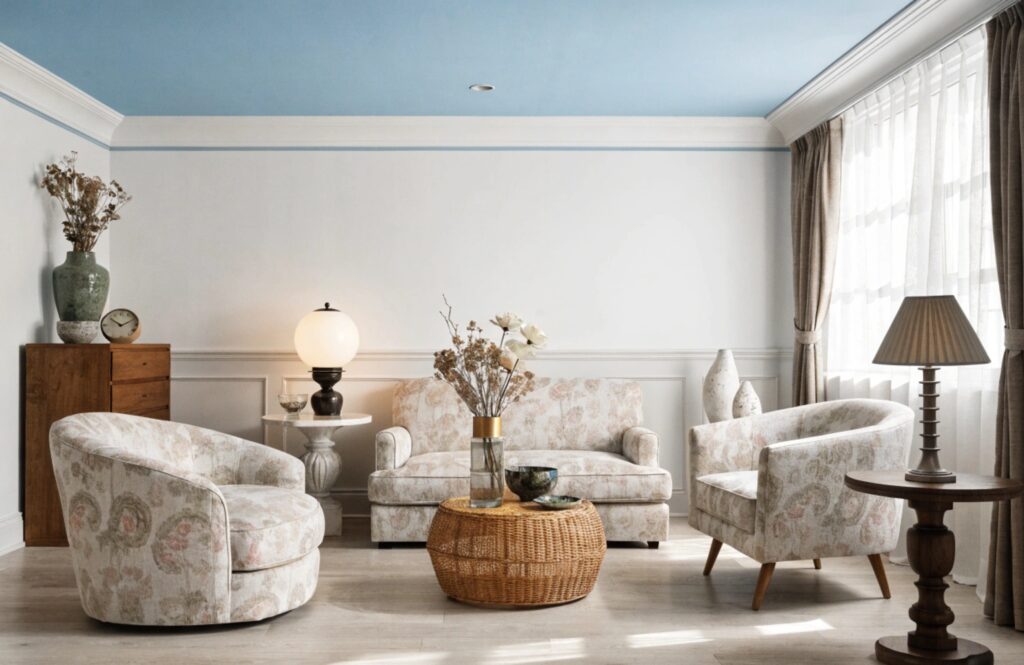

Designing a tiny bedroom requires intentional color choices, and the ceiling is often the most overlooked surface—despite influencing how spacious the room feels. Ceiling colors affect light reflection, height perception, mood, and even the visual flow of the space. In small bedrooms, the right ceiling shade can make the difference between a room that feels airy and open versus one that looks tight and boxed in.
The goal is to give you a thoroughly researched, human-friendly resource you can rely on to choose the ideal ceiling color for your small room.
Whether you want your room to feel taller, brighter, cozier, or more expressive, you’ll find detailed explanations and color techniques backed by design psychology.
White & Off-White Ceilings: The Most Reliable Choice for Tiny Rooms
White has dominated ceiling design for decades—especially in small rooms—and for good reason. A white ceiling reflects the maximum amount of natural and artificial light, making the space appear brighter and more open. In compact rooms where every inch matters, this light-enhancing effect creates the illusion of a higher ceiling, making the room feel significantly larger than it actually is.
Crisp white is ideal when you want a clean, modern, and highly reflective surface. On the other hand, warm whites and off-whites work beautifully in tiny bedrooms that contain warm-toned furniture or receive low natural light. These softer whites create a gentle glow rather than stark contrast, helping the room feel inviting without losing brightness. Another advantage of white ceilings is their versatility—they work with virtually any wall color, from soft neutrals to bold accent walls.
When paired with light wall colors, white ceilings practically disappear, allowing your eyes to travel upward without interruption. Because of this seamless flow, white remains the most foolproof ceiling color for anyone trying to visually expand a tiny space.
Soft Neutrals: Gentle Shades That Add Warmth Without Shrinking Space
While white is the classic choice, soft neutrals like pale beige, cream, or light gray can add subtle warmth or sophistication to a small bedroom without making it feel smaller. These colors have a unique ability to balance brightness with character, offering a more personalized look compared to standard white.
Beige and cream are perfect when your room has wooden furniture, warm flooring, or earthy décor. These tones create harmony and maintain openness while introducing a touch of coziness. Light gray, on the other hand, is ideal for modern or minimalistic rooms. It adds depth without overshadowing the space, especially if paired with white walls or monochromatic décor.
Neutral ceilings work exceptionally well in tiny bedrooms where you want a gentle contrast that is still space-enhancing. They reflect a fair amount of light while reducing glare, making them particularly suitable for bedrooms with large windows or bright artificial lighting. If you want a ceiling color that remains calm and comforting while feeling elegant, soft neutrals offer the perfect middle ground.
Sky-Inspired Pastels: Light, Airy Colors That Visually Lift the Ceiling
Pastel ceiling colors are trending in modern small-room design because they create a sense of airiness. Light blues, mint greens, pale lavenders, and blush pinks mimic natural sky tones or soft ambient light, lifting the ceiling visually and giving the bedroom a serene, floating quality.
Light blue is one of the most transformative options. When applied to the ceiling, it mimics an open sky—especially in well-lit rooms—making the space feel larger and more tranquil. Pastel green brings a refreshing, nature-inspired vibe that feels calming and effortless. Meanwhile, pastel lavender and blush tones add a subtle charm and warmth without overwhelming the senses.
These soft shades work best in tiny bedrooms where you want personality without sacrificing spaciousness. Pastels reflect light gently and evenly, preventing harsh shadows that might make the ceiling feel lower. If you enjoy a soothing, airy aesthetic and want your ceiling to add a touch of color without dominating the space, sky-inspired pastels are an excellent choice.
Light Yellow & Warm Tones: Brightening Low-Light Tiny Bedrooms
In small bedrooms that receive limited natural light, light yellow or soft warm tones can dramatically improve the overall brightness. These colors project warmth throughout the room, simulating sunlight even during cloudy days or in rooms with north-facing windows.
Soft buttery yellow creates an uplifting ambiance while still being light enough to avoid visual heaviness. Warm tones on the ceiling can make tiny rooms feel cheerful and welcoming, especially when paired with neutral or pastel walls. They are particularly effective in children’s rooms, studio apartments, and compact master bedrooms that need a lively yet balanced feel.
Because these tones enhance reflected light, they work well with layered lighting setups such as cove lights, recessed lights, or warm LED strips. If your goal is to boost brightness and energy, a warm-toned ceiling can bring life into an otherwise dim tiny room without compromising spaciousness.
Using Accent Ceiling Colors: Adding Personality Without Overwhelming Space
Accent ceilings—often referred to as the “fifth wall”—are growing in popularity, even in small bedrooms. While bold colors may seem risky in tiny spaces, they can work beautifully when used strategically.
Muted blues, dusty greens, terracotta, or deep sunset-inspired hues can be applied sparingly to create a focal point without visually shrinking the room. The secret is balance. The walls should remain light and neutral so the ceiling becomes a soft statement rather than a heavy visual element.
Accent ceilings are ideal when you want personality or dramatic flair in a tiny room without cluttering the space with décor. When paired with minimalist furniture and light-colored flooring, a deep or muted ceiling color creates contrast and depth that makes the room feel intentionally designed, not cramped.
This approach is perfect for people who want the sophistication of bold design in a tiny space but want to maintain an open and airy feel.
Monochromatic & Color Drenching: Seamless Flow for a Bigger Look
Monochromatic design has become a major trend for small interiors, and it works wonders on ceilings. Painting the ceiling the same color as the walls—or even a slightly lighter tone—eliminates harsh dividing lines that can visually chop the room.
This technique creates a continuous flow, making tiny bedrooms feel taller and smoother. When the color palette is soft and muted, the result is serene and harmonious. Monochromatic looks also enhance cozy and modern bedroom styles, especially in small apartments or homes with low ceilings.
Color drenching is ideal for people who want a refined, architectural look without sacrificing spaciousness. It’s a highly effective way to bring unity into a tiny room, allowing the eye to glide seamlessly across surfaces without interruption.
Ceiling Finishes: Matte, Satin, and Gloss—Which Works Best in Tiny Rooms?
Choosing the right finish matters almost as much as the color. In tiny rooms, matte finishes are the safest choice because they minimize light distortion and hide imperfections. Satin or eggshell finishes add a soft sheen that subtly reflects light, making the ceiling feel fresh without glare.
Glossy ceilings, while dramatic, should be used with caution in tiny bedrooms. High-gloss finishes reflect light intensely, sometimes creating a mirror-like effect. This can work beautifully in designer spaces with perfect lighting but may highlight uneven textures or create visual chaos in everyday homes.
For most tiny bedrooms, matte or low-sheen finishes deliver the best balance between beauty, light control, and spaciousness.
Strategic Dark Ceilings: When Deeper Colors Make Tiny Rooms Look Cozy
Dark ceilings can work in tiny rooms under the right conditions. Deep navy, charcoal, espresso brown, or even black can create a cocoon-like, cozy environment that feels high-end and intimate. This works best when the walls are kept light and the room has sufficient lighting.
A dark ceiling pulls attention upward, making the space feel thoughtfully designed rather than small. If your bedroom is primarily used for rest and relaxation, a darker ceiling can create a soothing, luxurious atmosphere without visually overwhelming the room.
The key is balance: light furniture, plenty of lighting, and uncluttered décor ensure that the dark ceiling enhances the mood rather than making the space feel cramped.
Ceiling Color Based on Natural Light: Choosing the Right Shade for Your Tiny Room
Natural light plays a huge role in how ceiling colors appear. North-facing rooms often receive cooler, softer light, which may make colors appear dull. In such cases, warm whites, soft yellows, or light beiges ensure the room remains bright.
South-facing rooms have plenty of warm light throughout the day, so cool-toned ceilings like pale blue or soft gray help maintain balance. East-facing rooms benefit from warm morning light, making pastels and whites ideal, while west-facing rooms get warmer evening light, which pairs well with cool whites and airy neutrals.
Understanding your room’s natural light direction ensures you choose a ceiling color that stays consistent throughout the day and supports the overall mood you want to create.
Common Mistakes to Avoid When Painting Ceilings in Tiny Rooms
A frequent mistake is choosing dark colors for low ceilings without balancing the rest of the room. Another issue is using high-gloss paint in a tiny room, which may emphasize inconsistencies and create glare. Many homeowners also skip testing samples, leading to unexpected color shifts once the paint dries.
Another mistake is ignoring how lighting affects ceiling colors. LED temperature, natural light direction, and fixture placement all impact the final appearance. Sampling colors on actual ceiling areas ensures you make the right decision.
Avoiding these mistakes will save you money, time, and unnecessary repainting.
Looking for more simple yet impactful options? Check out our full list: 25+ Small Bedroom Ceiling Ideas & Inspirations to Transform Compact Spaces.
Conclusion
The right ceiling color can completely transform a tiny bedroom, making it feel spacious, bright, cozy, or expressive depending on your goals. From classic whites to soft neutrals, sky-inspired pastels, and even bold accent shades, the key is choosing colors that enhance height, reflect light, and complement the room’s natural lighting.
Whether you want visual expansion or stylish depth, this guide has provided the expert-backed ceiling color strategies needed to make confident, beautiful decisions in your tiny room.