
The Complete Guide to Ceiling Types & Materials for Small Bedrooms (Gypsum, POP, PVC, Wood & More)
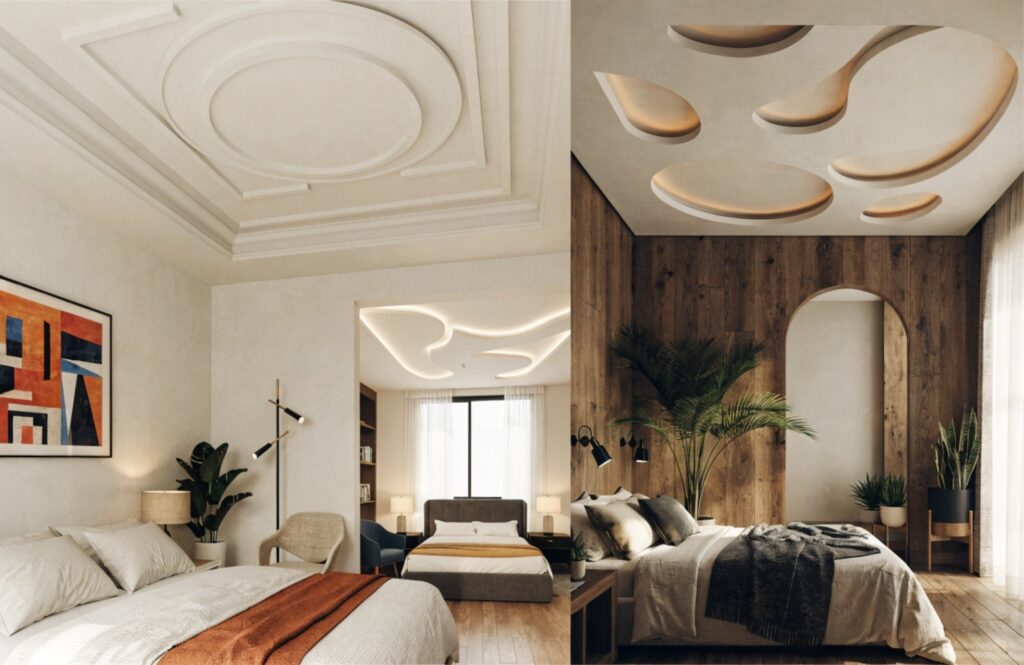
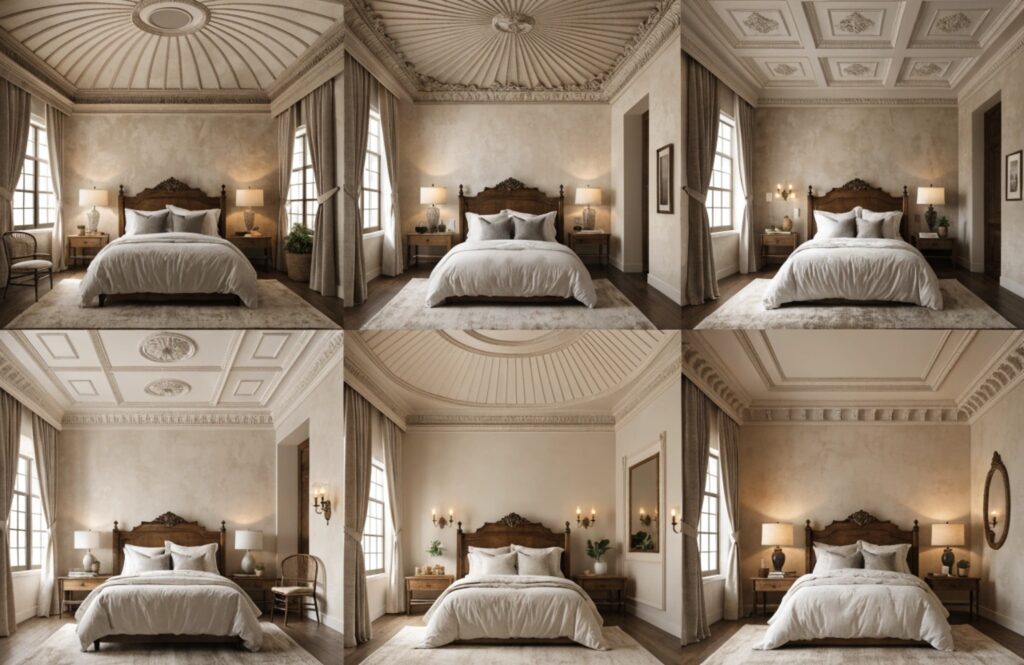

Designing the ceiling of a small bedroom can feel challenging. With limited space, low heights, and the need to maximize brightness, every design choice matters. While many homeowners focus on wall colors and furniture, the ceiling plays a surprisingly powerful role in shaping how large, bright, and comfortable the room feels.
At Avinnyya, we’ve seen how the right ceiling approach can completely transform even the smallest bedrooms. In compact rooms, the right ceiling material can:
Enhance lighting efficiency
Create a sense of spaciousness
Improve insulation
Add visual style
Hide wiring and imperfections
Influence the overall mood of the room
Choosing the wrong ceiling type, on the other hand, can make a compact space feel cramped, dark, or cluttered.
This guide, inspired by Avinnyya’s interior design insights, breaks down popular ceiling materials, their pros and cons, design ideas, advanced styles, comparisons, and expert recommendations to help you make the right choice for your small bedroom.
Why Ceiling Material Matters More in Small Bedrooms
Small bedrooms don’t have the luxury of flexibility. Low ceilings, limited floor area, and dense furniture placement can easily make the space feel congested. The ceiling becomes one of the most important elements that can visually expand or compress the space.
Here’s why choosing the right material is crucial:
- Height perception: Some materials and designs visually lift the ceiling. Others lower it.
- Lighting behavior: Certain finishes reflect light better, making the room brighter.
- Thermal comfort: Materials like gypsum and POP add insulation.
- Aesthetic influence: Wooden or textured ceilings create warmth, while PVC and gypsum bring a clean, modern feel.
- Durability & maintenance: Moisture resistance, termite safety, and lifespan vary by material.
How Ceiling Type Affects Height, Lighting & Room Perception
The wrong ceiling type can shrink your room visually.
For example:
- Heavy wooden beams reduce perceived height
- Thick false ceilings reduce vertical space
- Dark-colored ceilings absorb light and make the room feel closed
- Highly textured ceilings may create visual clutter
But the right choices can counter this:
- Light-colored gypsum or POP helps bounce light
- PVC and smooth panels make ceilings feel higher
- LED-integrated ceilings boost brightness without clutter
- Simple designs keep the room airy
Read Full Guide here for Celling Design Ideas – 25+ Small Bedroom Ceiling Ideas & Inspirations to Transform Compact Spaces
Popular Ceiling Materials for Small Bedrooms
1. Gypsum Ceiling Designs for Small Bedrooms
What is a Gypsum Ceiling?
Gypsum boards are lightweight panels made from gypsum plaster pressed between layers of cardboard. They are fixed onto metal frames to create smooth, modern ceiling designs.
Pros
- Smooth, seamless appearance
- Fire-resistant
- Easy to cut and shape
- Works well with modern lighting (LED, cove, spotlights)
- Excellent sound insulation
- Ideal for minimalistic designs
Cons
- Slightly costlier than POP
- Can sag if exposed to moisture
- Requires skilled installation
Best Gypsum Patterns for Small Rooms
- Single-layer false ceiling
- Thin border designs
- Floating ceiling with LED strips
- Shallow cove lighting
- Simple rectangular cutouts
These designs enhance spaciousness without lowering the ceiling too much.
Ideal Lighting Combinations
- Recessed downlights
- Soft cove lighting along edges
- Slim LED strips
- Hidden lights for minimal glare
Gypsum ceilings are perfect for homeowners who want a clean, modern aesthetic.
2. POP Ceiling Ideas for Small Rooms
What is POP (Plaster of Paris)?
POP is a white powder that mixes with water to form a paste. It’s used to create artistic designs directly on-site.
Pros
- Extremely flexible for custom shapes
- Allows curved and sculpted designs
- Smooth finish
- More cost-effective than gypsum
Cons
- Longer installation time
- Prone to cracks if not mixed well
- Heavier compared to gypsum
Best POP Designs for Small Bedrooms
- Thin layered designs
- Simple geometric shapes
- Curved edges for soft look
- Minimal molding details
POP vs Gypsum for Compact Rooms
- Gypsum is best for clean and modern ceilings
- POP is better for artistic curves
- Gypsum installation is faster
- POP is budget-friendly but requires careful finishing
3. Wooden Ceiling Options for Small Bedrooms
Natural Wood vs Engineered Wood
Natural wood offers warmth and authenticity, but is expensive and sensitive to moisture.
Engineered wood such as MDF or veneer is more affordable and stable.
Pros
- Rich, warm, elegant look
- Makes the room feel cozy
- Works well for feature ceilings
Cons
- Can visually lower the ceiling
- Costlier than gypsum/POP
- Sensitive to moisture (especially natural wood)
Best Wood Styles for Small Spaces
- Slim wood slats
- Vertical wood paneling
- Narrow beams
- Veneer-coated panels
How to Use Wood Without Reducing Space Perception
- Use wood in sections, not full coverage
- Choose lighter shades like ash or pine
- Combine wood with LED backlighting to maintain brightness
- Avoid thick beams
Wood works beautifully when used thoughtfully.
Read Full Guide Here – Ultimate Guide to Small Bedroom Ceiling Design (2026) — Inspire, Elevate & Expand Your Space
4. PVC Ceiling Designs for Compact Bedrooms
What is PVC Ceiling Material?
PVC (Polyvinyl Chloride) is a lightweight, waterproof material available in planks, sheets, and panels. It’s commonly used for fast, low-cost installations.
Pros
- Budget-friendly
- Waterproof and termite-proof
- Very low maintenance
- Lightweight
- Available in many finishes
Cons
- Not suitable near heat sources
- Some cheaper panels may discolor over time
Trending PVC Ceiling Patterns
- Matte white panels
- Wooden-look PVC planks
- Perforated designs
- Shiny laminated sheets
Best PVC Colors & Finishes for Small Bedrooms
- Pure white matte
- Soft beige
- Minimal wood-grain finishes
- Light grey panels
PVC is perfect for rental properties, budget projects, and moisture-prone areas.
Advanced Ceiling Styles & Comparisons
5. False Ceiling vs No Ceiling: What Works Better in Small Bedrooms?
What Is a False Ceiling?
A false ceiling hangs below the main ceiling using a metal frame. It hides wiring, enhances lighting, and offers insulation.
Height Considerations
False ceilings reduce height by 3–6 inches minimum.
For small bedrooms with low ceilings, this can be a concern.
Pros of False Ceilings
- Cleaner look
- Supports modern light fixtures
- Reduces heat
- Hides wiring and ducts
Cons
- Reduces ceiling height
- Higher cost
When to Choose “No Ceiling”
- Very low-height bedrooms
- Industrial interior styles
- Limited budget
- Desire for a raw, minimalistic look
Recommendation Based on Room Size
- Under 9 ft height: Avoid layered false ceilings
- 9–10 ft height: Use thin perimeter designs
- Above 10 ft: Any false ceiling type is suitable
6. Coffered Ceilings for Small Rooms
What Is a Coffered Ceiling?
Coffered ceilings feature recessed square or rectangular sections, usually framed with beams.
Do They Work in Small Bedrooms?
Traditionally, no—because they add bulk.
But minimalist coffered designs CAN work in small rooms.
Best Minimalist Styles
- Shallow beams
- Single rectangular coffer above the bed
- Light-colored beams
- Simple grid with thin borders
When to Avoid Coffered Ceilings
- Rooms under 8 ft height
- Rooms smaller than 9×10 ft
- When using dark paint or heavy wood
7. LED-Integrated Ceiling Designs for Small Bedrooms
What Are LED Ceiling Panels/Strips?
These include:
- LED strips
- Recessed downlights
- Backlit panels
- Cove lighting
Benefits of LED Integration
- Enhances brightness
- Makes room feel larger
- Saves energy
- Adds modern aesthetic
Best LED Styles for Small Spaces
Cove Lighting: Soft glow around edges
Backlit Panels: Uniform brightness above the bed
LED Strips Along Edges: Create floating effect
Ideal Color Temperature
- 3000K (Warm white) for cozy bedrooms
- 4000K for slightly brighter, neutral glow
Avoid blue or stark white in bedrooms.
- Ceiling Texture Options for Small Bedrooms
Smooth vs Textured Ceiling
Smooth ceilings reflect more light and are best for small rooms.
Light Textures That Work Well
- Subtle swirl
- Light popcorn
- Brush texture
Textures to Avoid
- Heavy stucco
- Deep patterns
- Rough, shadow-creating textures
These can make the room feel visually cluttered.
9. Low-Ceiling Solutions for Small Rooms
How to Design Ceilings with Low Height
- Use thin gypsum or POP layer
- Avoid step designs
- Use perimeter-only false ceiling
Best Colors to Lift the Ceiling
- Pure white
- Off-white
- Pale beige
- Soft pastel shades
Lighting Tricks
- Hidden LED strips
- Cove lighting
- Avoid hanging lights
Patterns to Avoid
- Heavy wooden beams
- Dark panels
- Bold textures
Best Materials for Low Ceilings
- Gypsum
- PVC
- Smooth POP finish
Material Comparison for Better Decision-Making
10. Gypsum vs POP vs PVC vs Wood: Which Is Best for Small Bedrooms?
Factor | Gypsum | POP | PVC | Wood |
Cost | Medium | Low | Low | High |
Durability | High | Medium | Medium | High |
Moisture Resistance | Medium | Low | High | Low–Medium |
Design Flexibility | High | Very High | Medium | Medium |
Installation Time | Fast | Slow | Very Fast | Medium |
Visual Effect | Modern & clean | Artistic | Bright & simple | Warm & rich |
Best For | Modern rooms | Creative designs | Budget rooms | Premium looks |
Conclusion Based on Needs
- Best for Budget: PVC or POP
- Best for Durability: Gypsum or wood
- Best for Aesthetic Look: Wood or gypsum
- Best for Low Height: Gypsum or PVC
Choosing the Right Ceiling Material for Your Small Bedroom
A good ceiling design should match:
1. Room Size
- Small rooms: Gypsum, PVC, POP in simple patterns
- Slightly larger rooms: Wooden accents, shallow coffers
2. Budget
- Low budget: PVC or POP
- Medium: Gypsum
- Premium: Natural wood or custom gypsum designs
3. Design Preferences
- Minimalistic: Gypsum
- Artistic: POP
- Warm/earthy: Wood
- Clean & bright: PVC
4. Ceiling Height
- Low height: Thin gypsum or PVC
- High ceiling: Wood, POP, layered gypsum
5. Maintenance Needs
- Gypsum: Low
- POP: Medium
- PVC: Very low
- Wood: High
Recommended Material Combinations
- Gypsum + LED cove lighting
- Wooden slats + gypsum base
- PVC + recessed downlights
- POP + gypsum hybrid design
Common Mistakes to Avoid
1. Using Heavy Materials in Low Rooms
Large beams, thick POP curves, or excessive wood can make small bedrooms feel suffocating.
2. Choosing Dark Colors on Low Ceilings
Dark shades absorb light and visually reduce height.
3. Over-Designing the Ceiling
Too many layers, patterns, or cutouts add clutter.
4. Using Lighting That Creates Shadows
Spotlights placed incorrectly create harsh shadows that shrink the room visually.
Conclusion
Choosing the right ceiling type and material for a small bedroom is essential for achieving the right balance of function, aesthetics, and comfort. Gypsum is ideal for modern and minimalistic styles, POP allows artistic customization, PVC is excellent for budget and moisture resistance, while wood adds warmth and luxury when used carefully.
Each material has unique strengths, and your final choice should depend on ceiling height, room size, budget, design goals, and maintenance expectations.
By understanding how each ceiling material behaves—and avoiding common mistakes—you can design a small bedroom ceiling that feels brighter, more spacious, and wonderfully stylish.