
Commercial Interior Designer in Varanasi – Transforming Business Spaces with Smart Design
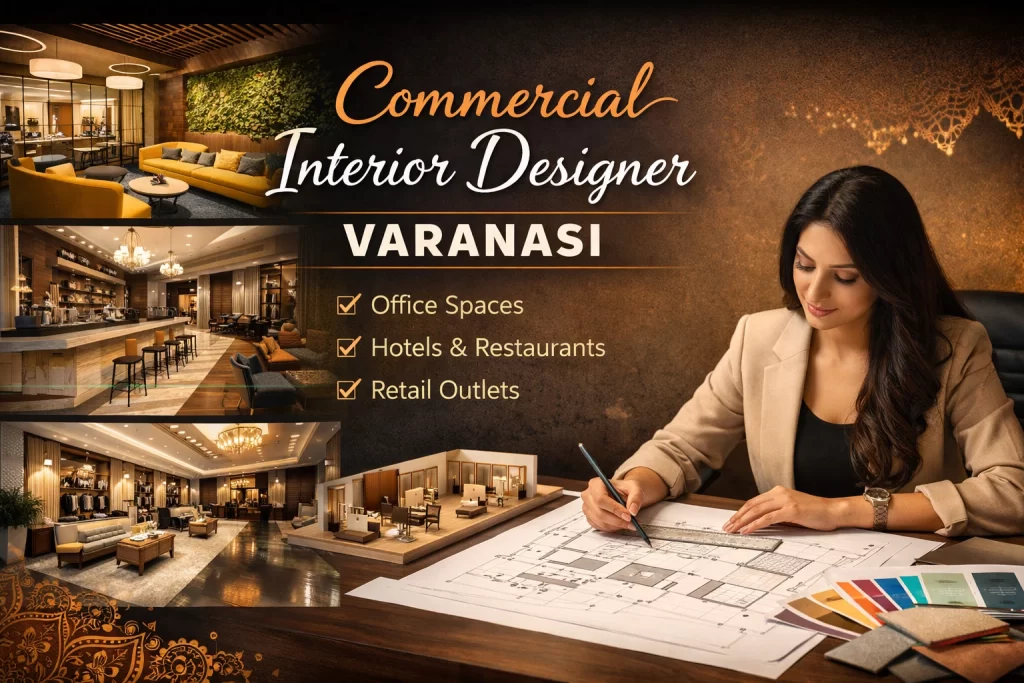

A well-designed commercial space is more than just a place where business activities happen. It is a powerful tool that reflects a company’s brand identity, improves employee productivity, and creates a memorable experience for customers. Whether it is an office, retail store, restaurant, or hotel, the design of the space directly influences how people interact with the environment and the business itself.
In a rapidly developing city like Varanasi, commercial establishments are evolving quickly. Businesses are competing not only through products and services but also through the ambiance and functionality of their spaces. Modern customers and employees expect environments that are comfortable, visually appealing, and efficient.
This is where professional commercial interior designers play a crucial role. Companies like Avinnyya specialize in transforming ordinary commercial spaces into dynamic environments that combine aesthetics with practicality. By understanding business goals, customer behavior, and spatial functionality, expert designers create interiors that help businesses grow and succeed.
What Does a Commercial Interior Designer Do?
Understanding Commercial Interior Design
Commercial interior design focuses on designing spaces that are used for business purposes. Unlike residential design, which prioritizes personal comfort and lifestyle, commercial interiors are built around efficiency, branding, and customer experience.
A commercial interior designer analyzes how people interact with a space and then creates layouts and designs that improve functionality while maintaining visual appeal. Every design decision—from lighting and furniture placement to wall colors and flooring—serves a strategic purpose.
For example, an office interior design might focus on improving collaboration and productivity, while a retail store design may prioritize customer flow and product visibility. Restaurants often require mood lighting and thematic decor to create a memorable dining atmosphere.
In cities like Varanasi, where traditional architecture meets modern business growth, commercial interiors often blend cultural elements with contemporary design trends.
Key Responsibilities of Commercial Interior Designers
Commercial interior designers perform several critical tasks to ensure that a space meets both functional and aesthetic requirements. One of the most important responsibilities is space planning. Designers carefully evaluate the available area and organize it into functional zones that support business operations.
Another major responsibility is lighting design. Proper lighting enhances productivity, improves visibility, and creates a welcoming environment. Designers also select appropriate materials, furniture, and finishes that match the business’s branding and operational needs.
Safety and compliance are also essential parts of commercial interior design. Designers ensure that layouts meet building regulations, fire safety standards, and accessibility requirements. This ensures that the space is not only beautiful but also safe and legally compliant.
Industries That Require Commercial Interior Design
Commercial interior design services are essential for many industries. Corporate offices rely on efficient workspace planning to improve productivity and employee satisfaction. Retail stores need attractive displays and well-organized layouts to encourage customer engagement and sales.
Restaurants and cafés require theme-based interiors that create a pleasant dining environment. Hospitality spaces such as hotels and resorts depend on luxurious and welcoming designs to enhance guest experiences.
Healthcare facilities, including clinics and diagnostic centers, also require professional design to ensure hygiene, comfort, and functional layouts for medical equipment. Each industry has unique design needs, and experienced designers tailor solutions accordingly.
Why Businesses in Varanasi Need Professional Interior Designers
Growing Business Infrastructure in Varanasi
Over the past decade, Varanasi has seen significant growth in commercial infrastructure. New startups, retail outlets, coworking spaces, and hospitality businesses are emerging across the city. With increasing competition, businesses must create spaces that stand out and attract customers.
Modern commercial environments require strategic planning and professional design expertise. Business owners are realizing that investing in interior design is not just about aesthetics—it is about creating functional environments that improve business performance.
Impact of Well-Designed Commercial Spaces
A well-designed commercial space has a strong impact on both employees and customers. For employees, a comfortable and organized workspace improves focus, productivity, and job satisfaction. Proper lighting, ergonomic furniture, and collaborative areas contribute to a healthier work environment.
For customers, interior design shapes the overall experience. The layout, lighting, colors, and decor all influence how people feel when they enter a space. Retail stores with attractive displays encourage browsing, while restaurants with inviting atmospheres encourage longer stays and repeat visits.
Businesses that invest in professional interiors often see improvements in brand perception, customer loyalty, and overall profitability.
Local Design Trends in Varanasi
Commercial interiors in Varanasi often reflect a unique blend of traditional culture and modern design. Many businesses incorporate local artistic elements such as handcrafted decor, textured wall finishes, or heritage-inspired patterns.
At the same time, modern trends such as minimalist layouts, smart lighting systems, and flexible furniture are becoming increasingly popular. This combination creates commercial spaces that feel both contemporary and culturally connected.
Types of Commercial Interior Design Services
Office Interior Design
Office interior design focuses on creating productive and comfortable work environments. Designers carefully plan workstations, meeting rooms, and collaborative areas to ensure smooth workflow and communication among employees.
Modern office interiors often include open layouts, ergonomic furniture, and flexible workspaces. Breakout zones, lounge areas, and natural lighting are also integrated to improve employee well-being and creativity.
Retail Store Interior Design
Retail interiors are designed to attract customers and encourage purchasing behavior. Store layouts must guide customers through the space in a natural and engaging way. Visual merchandising techniques are used to highlight products and create appealing displays.
Lighting plays a crucial role in retail interiors by drawing attention to specific products or sections of the store. Designers also consider branding elements such as colors, signage, and materials to create a consistent brand identity.
Restaurant and Café Interior Design
Restaurants and cafés rely heavily on atmosphere and ambiance. Designers carefully select themes, seating arrangements, lighting styles, and decorative elements that match the concept of the establishment.
A well-designed restaurant interior enhances the dining experience and encourages customers to spend more time in the space. Comfortable seating, balanced lighting, and visually appealing decor all contribute to a memorable environment.
Hotel and Hospitality Interior Design
Hospitality interiors require a balance of luxury, comfort, and functionality. From lobbies and reception areas to guest rooms and lounges, every part of a hotel must create a welcoming and relaxing atmosphere.
Interior designers focus on creating elegant spaces that enhance the guest experience while ensuring efficient operations for staff.
Clinic and Healthcare Interior Design
Healthcare interiors must prioritize hygiene, comfort, and accessibility. Designers select materials that are easy to clean and maintain while creating calming environments for patients.
Functional layouts ensure that medical equipment, waiting areas, and consultation rooms are organized efficiently.
Key Elements of Successful Commercial Interior Design
Smart Space Planning
Space planning is the foundation of effective commercial design. It involves organizing furniture, equipment, and functional zones in a way that maximizes efficiency and comfort.
Well-planned spaces allow smooth movement, reduce clutter, and improve overall productivity.
Lighting Design
Lighting has a powerful impact on mood and functionality. Commercial interiors typically combine natural light with artificial lighting to create balanced environments.
Task lighting is used in work areas, ambient lighting provides general illumination, and accent lighting highlights architectural features or products.
Furniture and Ergonomics
Commercial furniture must be both durable and comfortable. Ergonomic chairs, adjustable desks, and supportive seating help improve employee health and productivity.
Custom furniture solutions are often designed to match the branding and spatial requirements of a business.
Branding Through Interior Design
Interior design plays a major role in communicating a company’s brand identity. Colors, textures, signage, and layout elements can all reflect a brand’s personality and values.
Consistent branding across the interior space helps create a memorable experience for customers.
Sustainable and Eco-Friendly Design
Sustainability is becoming an important aspect of commercial interior design. Many businesses are adopting eco-friendly materials, energy-efficient lighting, and sustainable construction methods.
Green design practices not only reduce environmental impact but also improve indoor air quality and employee well-being.
Commercial Interior Design Process
Initial Consultation
The design process begins with a consultation where designers understand the client’s business goals, brand identity, and functional requirements.
Concept Development
After analyzing the space and requirements, designers develop creative concepts, themes, and mood boards that visualize the overall design direction.
Space Planning and Layout Design
Detailed floor plans are created to organize the layout efficiently and ensure optimal use of space.
Material Selection
Designers choose materials for flooring, walls, ceilings, furniture, and lighting based on durability, aesthetics, and budget.
Execution and Project Management
During the execution phase, designers coordinate with contractors, vendors, and suppliers to ensure that the design is implemented accurately.
Final Styling and Handover
The final stage involves styling the space, adding decorative elements, and conducting a final inspection before handing the project over to the client.
How to Choose the Best Commercial Interior Designer in Varanasi
Selecting the right interior designer is crucial for the success of any commercial project. Business owners should start by reviewing the designer’s portfolio and previous projects to understand their style and expertise.
Experience in commercial projects is also important because commercial spaces have unique technical and functional requirements. Designers should also offer customized solutions rather than generic designs.
Transparent communication about budget, timeline, and materials is another key factor to consider when choosing a designer.
Why Choose Avinnyya for Commercial Interior Design in Varanasi
Avinnyya is known for delivering innovative and functional commercial interior solutions. The team combines creative design concepts with practical execution to transform business environments.
Their approach focuses on understanding each client’s brand identity and business goals before developing customized interior solutions. From concept design to final execution, they manage every stage of the project with attention to detail.
By using high-quality materials and modern design techniques, the company creates commercial spaces that are visually appealing, functional, and long-lasting.
Cost of Commercial Interior Design in Varanasi
Factors Affecting Interior Design Costs
Several factors influence the cost of commercial interior design. The size of the space is one of the most significant factors, as larger spaces require more materials and labor.
Design complexity, custom furniture, and technology integration can also affect the overall cost. Premium materials and high-end finishes typically increase the project budget.
Average Cost Range
Office interiors in Varanasi may range from moderate to high depending on customization and materials. Retail and restaurant interiors often require additional design elements such as display systems and decorative lighting, which can increase costs.
Tips to Optimize Interior Design Budget
Businesses can optimize their budgets by prioritizing essential design elements, selecting durable materials, and planning layouts efficiently. Working with experienced designers helps avoid costly mistakes during execution.
Common Mistakes to Avoid in Commercial Interior Design
Many businesses make the mistake of focusing only on aesthetics without considering functionality. Poor lighting planning can create uncomfortable work environments and reduce productivity.
Another common mistake is overcrowding the space with too much furniture or decor. Ignoring brand identity in interior design can also weaken a company’s overall image.
Using low-quality materials to reduce costs often results in higher maintenance expenses in the long run.
Benefits of Hiring a Professional Commercial Interior Designer
Professional interior designers bring expertise, creativity, and technical knowledge to a project. They help businesses save time by managing the entire design and execution process.
Designers also have access to trusted suppliers and contractors, ensuring high-quality materials and workmanship. Well-designed commercial spaces can increase property value and improve overall business performance.
Future of Commercial Interior Design in Varanasi
The future of commercial interior design in Varanasi is expected to be driven by technology and sustainability. Smart offices with automated lighting, climate control, and digital workspaces are becoming increasingly common.
Flexible workspaces that support hybrid work models will also shape future office designs. Sustainable materials, energy-efficient systems, and eco-friendly construction practices will continue to influence commercial interiors.
Businesses that invest in modern design solutions today will be better prepared for the evolving workplace and customer expectations.
Conclusion
Commercial interior design is an essential investment for businesses that want to create functional, attractive, and brand-focused environments. From offices and retail stores to restaurants and healthcare facilities, professional design solutions help optimize space and improve customer experiences.
As businesses in Varanasi continue to grow and modernize, the demand for high-quality commercial interiors is increasing. Partnering with experienced designers ensures that every aspect of the space—from layout and lighting to materials and branding—is carefully planned.
With expertise, creativity, and a strong focus on client needs, Avinnyya continues to transform commercial spaces into environments that inspire productivity, attract customers, and support long-term business success.