
Dining Room Interior Design Ideas for Modern Homes: Stylish & Functional Inspirations
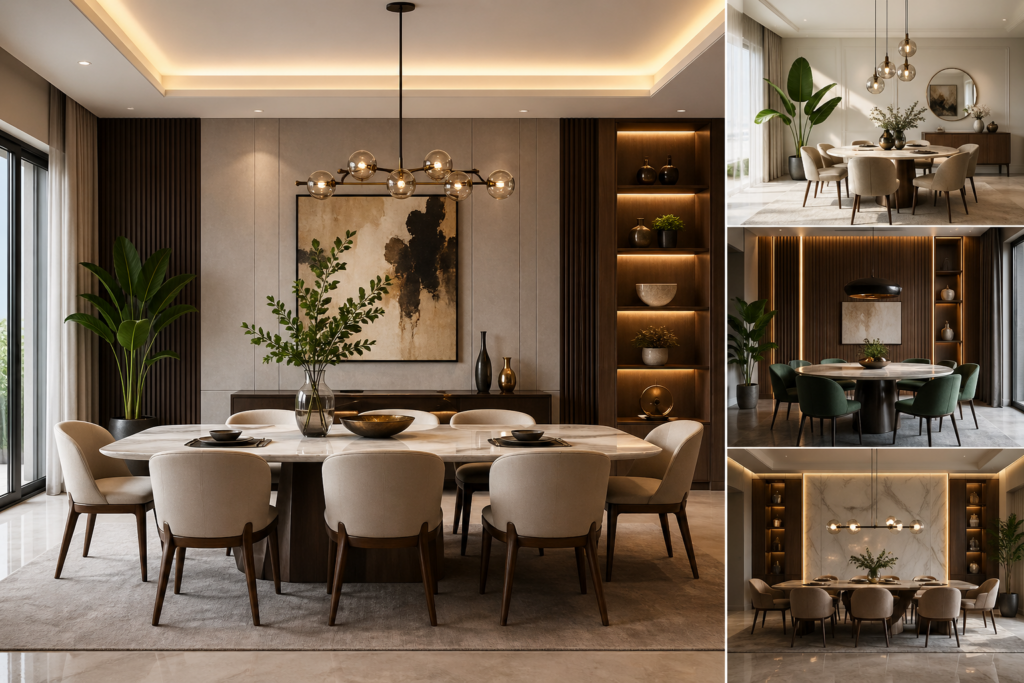

In today’s modern homes, the dining room is no longer just a place to eat—it has evolved into a multifunctional space where families gather, conversations flow, and memories are created. With changing lifestyles and compact living spaces, homeowners are increasingly looking for dining room interior design ideas that balance aesthetics with functionality.
A well-designed dining room enhances the overall look of your home while also making everyday dining more comfortable and enjoyable. Whether you live in a spacious villa or a compact apartment, the right design choices can transform your dining area into a stylish and inviting space.
In this comprehensive guide by Avinnyya, you’ll discover practical and creative ideas to design a modern dining room that reflects your personality while maximizing space and comfort.
2. Key Elements of Modern Dining Room Design
2.1 Minimalism with Purpose
Modern dining room design is deeply rooted in minimalism, but it’s not about creating empty spaces—it’s about intentional design. Every piece of furniture and decor should serve a purpose.
Clean lines, uncluttered layouts, and simple silhouettes dominate modern interiors. Instead of filling the room with excessive décor, focus on a few high-quality elements that stand out. For instance, a sleek dining table paired with elegant chairs can create a strong visual impact without overwhelming the space.
Minimalism also improves functionality. With fewer items, cleaning and maintaining the space becomes easier, making it ideal for busy households.
2.2 Neutral Color Palettes
Neutral tones are the backbone of modern dining room design. Shades like white, beige, grey, and soft earth tones create a calm and sophisticated ambiance.
These colors serve as a perfect canvas, allowing you to experiment with textures and accents. For example, pairing a beige dining setup with wooden textures adds warmth, while subtle metallic accents introduce a touch of luxury.
To avoid monotony, you can incorporate accent colors through cushions, artwork, or table décor. Deep greens, navy blues, or muted terracotta tones work beautifully in modern settings.
2.3 Smart Lighting Choices
Lighting plays a crucial role in defining the mood of a dining room. Modern homes often use layered lighting to create a balanced and functional environment.
A statement pendant light or chandelier above the dining table acts as a focal point while providing adequate illumination. Ambient lighting ensures the room feels warm and welcoming, while accent lighting highlights décor elements like artwork or wall textures.
Natural light is equally important. Large windows, sheer curtains, or glass partitions can help maximize daylight, making the dining area feel more open and inviting.
3. Furniture Selection for Modern Dining Rooms
3.1 Dining Tables
The dining table is the centerpiece of the room, so choosing the right one is essential. Modern dining tables come in various materials, including wood, glass, marble, and engineered finishes.
Wooden tables offer warmth and durability, while glass tables create a sense of openness, making them ideal for smaller spaces. Marble tables add a luxurious touch but require more maintenance.
The shape of the table also matters. Rectangular tables are perfect for larger families, while round tables encourage better interaction and work well in compact areas. Extendable tables are a smart choice for modern homes, as they provide flexibility for hosting guests.
3.2 Dining Chairs
Dining chairs should strike a balance between comfort and style. Upholstered chairs provide a cozy seating experience, while wooden or metal chairs offer a sleek, modern look.
Mixing and matching chair styles is a popular trend in modern interiors. For example, you can pair a wooden table with upholstered chairs in contrasting colors to create visual interest.
Ergonomics should not be overlooked. Comfortable seating ensures that your dining area remains functional for long meals and gatherings.
3.3 Storage Solutions
Modern dining rooms often incorporate smart storage solutions to keep the space organized. Sideboards and buffets are excellent additions, offering both storage and display space.
Built-in cabinets provide a seamless look, especially in compact homes. Open shelving can be used to display decorative items, crockery, or plants, adding personality to the space.
4. Space Optimization Ideas
4.1 Small Dining Room Solutions
Designing a dining area in a small space can be challenging, but smart solutions can make a big difference. Foldable or extendable tables are ideal for compact homes, as they can be adjusted based on your needs.
Wall-mounted tables and benches help save floor space while maintaining functionality. Mirrors are another effective tool—they reflect light and create the illusion of a larger space.
Using light colors and minimal furniture also helps prevent the area from feeling cramped.
4.2 Open-Plan Dining Areas
Open-plan layouts are a hallmark of modern homes. Integrating the dining area with the living room or kitchen creates a seamless flow and enhances the sense of space.
To define the dining area within an open layout, you can use rugs, lighting fixtures, or furniture placement. For example, a statement pendant light above the dining table visually separates it from the rest of the space.
5. Trending Dining Room Design Styles
5.1 Scandinavian Style
Scandinavian design focuses on simplicity, functionality, and natural elements. Light-colored wood, neutral tones, and minimal décor define this style.
This approach is perfect for creating a cozy yet modern dining space that feels both airy and inviting.
5.2 Industrial Style
Industrial dining rooms feature raw materials like metal, exposed brick, and concrete finishes. Dark tones and bold lighting fixtures add character to the space.
This style works well in urban homes and loft-style apartments.
5.3 Contemporary Luxury
For those who prefer a more refined look, contemporary luxury design combines modern aesthetics with premium materials.
Think marble tables, velvet chairs, statement lighting, and metallic accents. This style emphasizes elegance while maintaining a modern edge.
5.4 Bohemian Vibes
Bohemian dining rooms are vibrant, eclectic, and full of personality. They incorporate patterns, textures, and natural elements like plants.
This style allows for creativity and individuality, making it ideal for homeowners who want a unique and relaxed dining space.
6. Decor & Styling Ideas
6.1 Wall Decor
Walls play a significant role in enhancing the dining room’s visual appeal. Artwork, mirrors, and gallery walls can transform a plain wall into a focal point.
Textured wallpapers or wall panels add depth and sophistication, making the space feel more dynamic.
6.2 Table Styling
The dining table itself can be styled to enhance the overall look of the room. Centerpieces such as fresh flowers, candles, or decorative bowls add charm and elegance.
Seasonal décor can also be incorporated to keep the space fresh and updated throughout the year.
6.3 Indoor Plants
Indoor plants bring life and freshness to the dining room. They improve air quality and create a calming atmosphere.
Plants like snake plants, pothos, or small indoor palms are low-maintenance options that work well in dining spaces.
7. Color & Material Combinations
Combining the right colors and materials is key to achieving a cohesive look. Wooden elements paired with white tones create warmth and simplicity.
Black and gold combinations add a touch of luxury, while glass and metal finishes give the space a sleek, modern feel.
Layering textures—such as wood, fabric, and metal—adds depth and prevents the design from feeling flat.
8. Lighting Ideas That Elevate the Dining Space
Lighting can dramatically transform the dining experience. Chandeliers create a grand and elegant ambiance, while pendant lights offer a modern and minimal look.
Dimmable lighting is a valuable addition, allowing you to adjust the brightness based on the occasion. Soft lighting works well for intimate dinners, while brighter lighting is ideal for family meals.
9. Budget-Friendly Dining Room Design Tips
Creating a beautiful dining room doesn’t have to be expensive. Simple DIY décor projects can add a personal touch without increasing costs.
Upcycling old furniture is another great option. A fresh coat of paint or new upholstery can completely transform existing pieces.
Affordable accessories like table runners, cushions, and wall art can enhance the space without requiring a large investment.
10. Common Mistakes to Avoid
One of the most common mistakes in dining room design is overcrowding the space with too much furniture or décor. This can make the area feel cluttered and uncomfortable.
Poor lighting choices can also affect the overall ambiance. It’s important to strike the right balance between functionality and aesthetics.
Ignoring comfort is another mistake. While style is important, the dining area should remain practical and comfortable for everyday use.
11. Dining Room Design Ideas for Indian Modern Homes
In Indian homes, dining spaces often need to accommodate both functionality and cultural preferences. Space-saving furniture is particularly useful in apartments where space is limited.
Blending traditional elements with modern design can create a unique and personalized look. For example, incorporating wooden furniture with contemporary lighting fixtures adds character.
Vibrant accents, textiles, and handcrafted décor can also enhance the overall appeal while maintaining a modern aesthetic.
For homeowners looking to elevate their interiors professionally, collaborating with an interior design company in bangalore can help bring a cohesive and well-planned dining space to life.
12. Conclusion
Designing a modern dining room is all about finding the perfect balance between style, comfort, and functionality. From choosing the right furniture and lighting to incorporating thoughtful décor, every detail contributes to creating a space that feels inviting and practical.
Whether you prefer a minimalist Scandinavian look, an industrial vibe, or a luxurious contemporary design, the key is to personalize the space according to your lifestyle and preferences.
With the right approach and creative ideas, your dining room can become one of the most beautiful and functional areas in your home—a place where design meets everyday living.