
Home Office Interior Design – Creating a Stylish and Productive Workspace
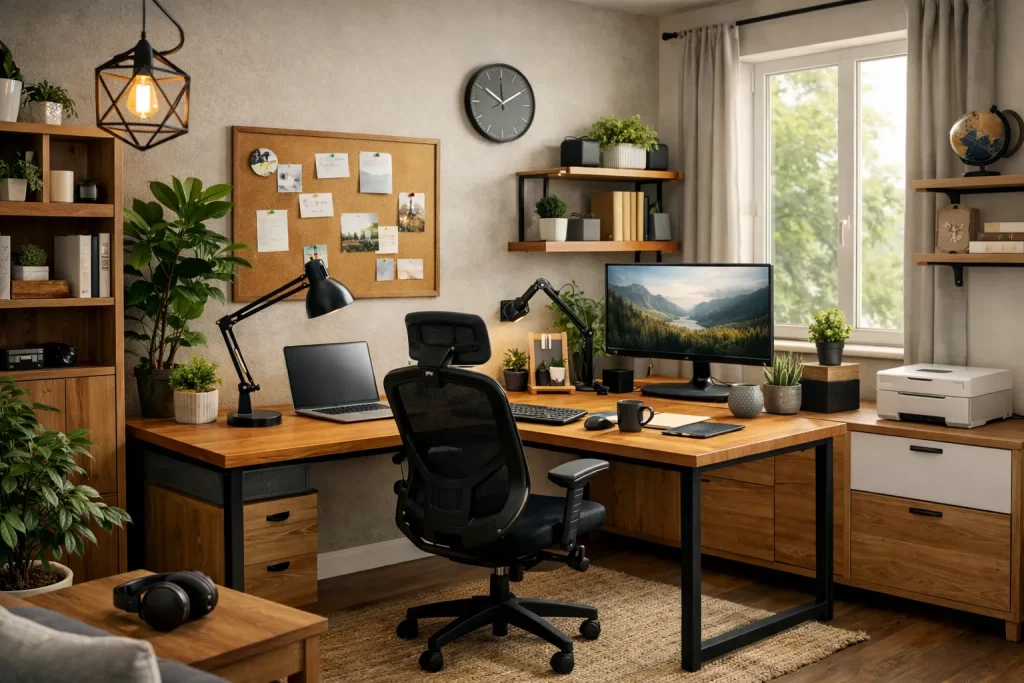

The concept of working from home has become more common than ever. With the rise of remote work, freelancing, and hybrid job models, having a well-designed home office is no longer a luxury but a necessity. A thoughtfully planned workspace not only enhances productivity but also improves comfort, focus, and overall work efficiency.
Home office interior design focuses on creating a functional yet inspiring environment where individuals can work comfortably for long hours. From selecting the right furniture to planning proper lighting, storage, and décor, every design element plays a crucial role in shaping a productive workspace.
A well-designed home office balances functionality and aesthetics. It should support daily work tasks while reflecting personal style and comfort. Whether you have a separate room, a small corner in your bedroom, or a compact apartment workspace, the right interior design strategies can transform it into an efficient and motivating work environment.
In this comprehensive guide, we will explore everything you need to know about home office interior design, including layout planning, furniture selection, lighting strategies, color schemes, storage ideas, décor inspiration, and modern design trends.
Why Home Office Interior Design Matters
Designing a home office goes beyond placing a desk and chair in a room. A carefully designed workspace can significantly influence productivity, mental well-being, and work-life balance.
Boosts Productivity and Focus
One of the biggest advantages of a well-designed home office is increased productivity. When your workspace is organized and comfortable, it becomes easier to concentrate on tasks without distractions. Proper desk placement, ergonomic furniture, and clutter-free surroundings help maintain focus throughout the workday.
A structured workspace also reduces mental fatigue. When everything is arranged efficiently—documents, gadgets, and office supplies—you spend less time searching for items and more time completing important work.
Improves Work-Life Balance
Working from home can blur the boundaries between professional and personal life. A dedicated home office helps create a clear distinction between work and relaxation areas. When you step into your workspace, it mentally signals the beginning of your workday, while leaving the office indicates the end of work.
This separation is important for maintaining a healthy routine and preventing burnout.
Enhances Creativity and Motivation
Interior design can strongly influence creativity and motivation. Colors, lighting, textures, and décor elements can stimulate the mind and create an inspiring atmosphere.
A workspace that reflects your personality and interests encourages positive thinking and creative problem-solving. For example, adding motivational artwork, plants, or natural light can significantly improve mood and productivity.
Choosing the Right Location for Your Home Office
The first step in designing a home office is selecting the right location. The ideal workspace should offer comfort, privacy, and minimal distractions.
Dedicated Room vs Multi-Purpose Space
If your home has enough space, creating a dedicated office room is the best option. A separate room allows better concentration and fewer interruptions from daily household activities.
However, many people work with limited space. In such cases, a multi-purpose area can function as an office. For example, a section of the living room, bedroom, or hallway can be converted into a compact workspace using smart furniture and storage solutions.
Natural Light Considerations
Natural light plays an important role in home office interior design. Exposure to daylight improves mood, reduces eye strain, and enhances productivity. Positioning your desk near a window allows you to take advantage of natural lighting while creating a more pleasant working environment.
If natural light is limited, layered artificial lighting should be used to maintain proper illumination.
Noise Control and Privacy
Noise can be a major distraction when working from home. Selecting a quieter area away from high-traffic zones such as the kitchen or living room helps improve concentration.
Simple design strategies such as rugs, curtains, upholstered furniture, or acoustic panels can reduce noise levels and create a calmer workspace.
Home Office Layout Planning
Proper layout planning ensures that your workspace remains organized, comfortable, and efficient.
Small Home Office Layout Ideas
For small homes or apartments, maximizing available space is essential. Compact desks, wall-mounted workstations, and foldable tables are excellent options for creating functional workspaces in limited areas.
Corner desks are particularly useful because they utilize unused corners while providing enough workspace for computers and office accessories.
Medium-Sized Office Layout
In medium-sized rooms, there is more flexibility for layout planning. The desk can be positioned facing a window or wall depending on personal preference.
Adding bookshelves, filing cabinets, and comfortable seating can help create a balanced and organized office environment.
Large Home Office Setup
A large home office offers opportunities to create multiple zones. Apart from the main workstation, you can include additional areas such as a reading corner, meeting space, or brainstorming zone.
This type of layout is ideal for professionals who conduct video meetings, creative work, or collaborative projects from home.
Essential Furniture for Home Office Interior Design
Furniture is the backbone of any workspace. Choosing the right pieces ensures comfort, functionality, and long-term usability.
Ergonomic Office Chair
An ergonomic chair is one of the most important investments in a home office. Since most professionals spend several hours sitting at a desk, proper support for the back, neck, and arms is essential.
Adjustable chairs with lumbar support, height control, and comfortable cushioning help maintain good posture and prevent health issues such as back pain or fatigue.
Functional Office Desk
The desk is the central element of your workspace. It should provide sufficient surface area for a computer, documents, and office tools.
Popular desk options include minimalist writing desks, executive desks, and adjustable standing desks. Choosing the right desk depends on your work style and available space.
Storage Cabinets and Shelving
Storage solutions keep the workspace organized and clutter-free. Cabinets, shelves, and filing systems help manage documents, stationery, and work materials efficiently.
Vertical storage options are particularly helpful in smaller offices because they maximize space without crowding the room.
Multi-Functional Furniture
Multi-purpose furniture is ideal for modern homes where space may be limited. Desks with built-in drawers, convertible tables, or storage benches can serve multiple functions while maintaining a clean and organized workspace.
Lighting Design for a Home Office
Lighting is a critical factor in creating a comfortable and productive work environment.
Natural Lighting Benefits
Natural light is the most beneficial type of lighting for a workspace. It reduces eye strain, enhances mood, and creates a more energetic environment.
Placing the desk near a window allows you to enjoy daylight while also improving ventilation and connection to the outdoors.
Task Lighting
Task lighting focuses on specific work areas such as the desk or computer screen. Desk lamps with adjustable brightness help provide targeted illumination for reading, writing, or detailed tasks.
Ambient Lighting
Ambient lighting provides overall illumination for the room. Ceiling lights, recessed lighting, or pendant fixtures ensure the entire workspace remains evenly lit.
Accent Lighting
Accent lighting adds visual interest and style to the workspace. LED strips, wall lights, or decorative lamps can highlight shelves, artwork, or architectural elements within the office.
Best Color Schemes for Home Office Interior Design
Color plays an important psychological role in shaping the atmosphere of a workspace.
Neutral Color Palettes
Neutral colors such as white, beige, and grey create a calm and professional environment. These shades make the room feel spacious and clean while allowing furniture and décor elements to stand out.
Productivity-Boosting Colors
Certain colors can enhance focus and concentration. Blue tones are known for promoting calmness and mental clarity, while green shades provide balance and relaxation.
Creative and Energetic Colors
For creative professionals, brighter accent colors like yellow or orange can stimulate energy and innovation. These shades are often used in moderation through décor elements or accent walls.
Dark and Elegant Office Themes
Dark tones such as navy, charcoal, or deep brown create a sophisticated and elegant workspace. When combined with warm lighting and wooden furniture, these colors add depth and character to the office.
Smart Storage Solutions for Home Offices
Efficient storage systems help maintain an organized and clutter-free workspace.
Floating Shelves
Floating shelves are a stylish and space-saving storage solution. They allow you to display books, décor, and office supplies while keeping the desk area clear.
Built-in Cabinets
Custom-built cabinets provide a seamless and organized storage system. They can be designed to match the overall interior style while accommodating files, documents, and equipment.
Drawer Organizers
Drawer organizers help categorize office supplies such as pens, cables, and stationery items. This makes it easier to locate items quickly and maintain an orderly workspace.
Cable Management Systems
Modern offices often include multiple electronic devices. Cable management solutions such as clips, trays, and hidden channels keep wires neatly organized and prevent clutter.
Home Office Interior Design Styles
Interior style defines the overall appearance and personality of your workspace.
Modern Minimalist Office
Minimalist offices focus on simplicity, clean lines, and clutter-free design. Neutral colors, sleek furniture, and minimal decoration create a calm and efficient work environment.
Scandinavian Home Office
Scandinavian design emphasizes natural materials, soft lighting, and light color palettes. Wooden furniture, cozy textiles, and greenery create a warm and inviting workspace.
Industrial Style Office
Industrial interiors feature raw materials such as exposed brick, metal frames, and wooden surfaces. This style creates a bold and contemporary workspace ideal for creative professionals.
Classic Executive Office
A classic executive office design features rich wood furniture, elegant lighting, and sophisticated décor. This style conveys professionalism and timeless elegance.
Decorating Your Home Office
Decor elements add personality and warmth to the workspace.
Wall Art and Inspiration Boards
Artwork, motivational quotes, or inspiration boards can stimulate creativity and keep you motivated throughout the day.
Indoor Plants for Productivity
Plants not only enhance aesthetics but also improve air quality and reduce stress. Popular office plants include snake plants, pothos, and peace lilies.
Rugs and Textures
Adding rugs, cushions, or fabric elements creates a comfortable and cozy atmosphere while improving acoustics within the workspace.
Personal Décor Elements
Personal items such as photographs, travel souvenirs, or collectibles make the workspace feel more personalized and enjoyable.
Home Office Design Ideas for Small Spaces
Limited space does not mean compromising on design or functionality.
Under-Stair Office Setup
The area beneath a staircase can be transformed into a compact workspace with a small desk and built-in shelves.
Closet Office (Cloffice)
Unused closets can be converted into mini offices with proper lighting, storage, and foldable desks.
Balcony Office Design
Balconies can serve as refreshing workspaces when designed with weather-resistant furniture and proper shading.
Bedroom Office Corner
A small desk placed in a bedroom corner can create a functional workspace without occupying too much space.
Budget-Friendly Home Office Interior Design Tips
Designing a home office does not always require a large budget.
DIY Desk and Shelves
Creating DIY desks or shelves using wood planks and brackets can be an affordable way to build a functional workspace.
Affordable Lighting Upgrades
Simple lighting improvements such as desk lamps or LED strips can enhance both functionality and aesthetics.
Repurposing Existing Furniture
Old tables, cabinets, or bookshelves can be repurposed for office use with minor modifications.
Minimalist Workspace Design
Minimalist interiors naturally reduce costs because they focus on essential furniture and simple décor.
Common Home Office Interior Design Mistakes to Avoid
Even well-intentioned designs can fail if certain mistakes are overlooked.
Poor Lighting
Insufficient lighting can lead to eye strain and fatigue, making work uncomfortable.
Uncomfortable Furniture
Choosing style over comfort can cause long-term health issues and reduce productivity.
Overcrowded Workspace
Too much furniture or decoration can make the workspace feel cramped and distracting.
Lack of Storage
Without proper storage systems, documents and equipment quickly create clutter.
Future Trends in Home Office Interior Design
Home office design continues to evolve with technology and changing work patterns.
Hybrid Workspaces
Modern homes increasingly include flexible spaces that adapt to both work and personal activities.
Smart Home Office Technology
Automation systems such as smart lighting, voice assistants, and wireless charging stations are becoming more common in home offices.
Sustainable Materials
Eco-friendly materials such as bamboo, recycled wood, and low-VOC paints are gaining popularity in modern interiors.
Flexible and Modular Furniture
Modular furniture allows homeowners to easily reconfigure their workspace according to changing needs.
How Professional Interior Designers Can Transform Your Home Office
Professional designers bring expertise in space planning, furniture selection, lighting design, and aesthetics. They can analyze your lifestyle, work requirements, and available space to create a customized workspace that maximizes efficiency and comfort.
Working with experts ensures that every design element—from layout to décor—is carefully planned for functionality and visual harmony. If you are looking for professional guidance, partnering with an experienced interior design company in Varanasi can help create a personalized workspace tailored to your needs.
Whether you require complete workspace planning or small design upgrades, professional designers offering home interior services can transform your home office into a stylish and productive environment. An experienced interior designer in Varanasi understands local design preferences, space challenges, and modern trends, ensuring a workspace that perfectly balances aesthetics and functionality.
Conclusion
A well-designed home office can significantly improve productivity, creativity, and comfort. From selecting the right furniture and lighting to choosing suitable colors and storage solutions, every design decision contributes to creating an efficient workspace.
Whether your office is a dedicated room or a small corner in your home, thoughtful interior design can transform it into an inspiring and functional environment. By combining smart layout planning, ergonomic furniture, and personalized décor, you can build a workspace that supports both professional success and personal well-being.
Investing in home office interior design is not just about aesthetics—it is about creating a space where ideas grow, productivity thrives, and work becomes more enjoyable every day.