
How Lighting Can Completely Transform Your Home Interiors
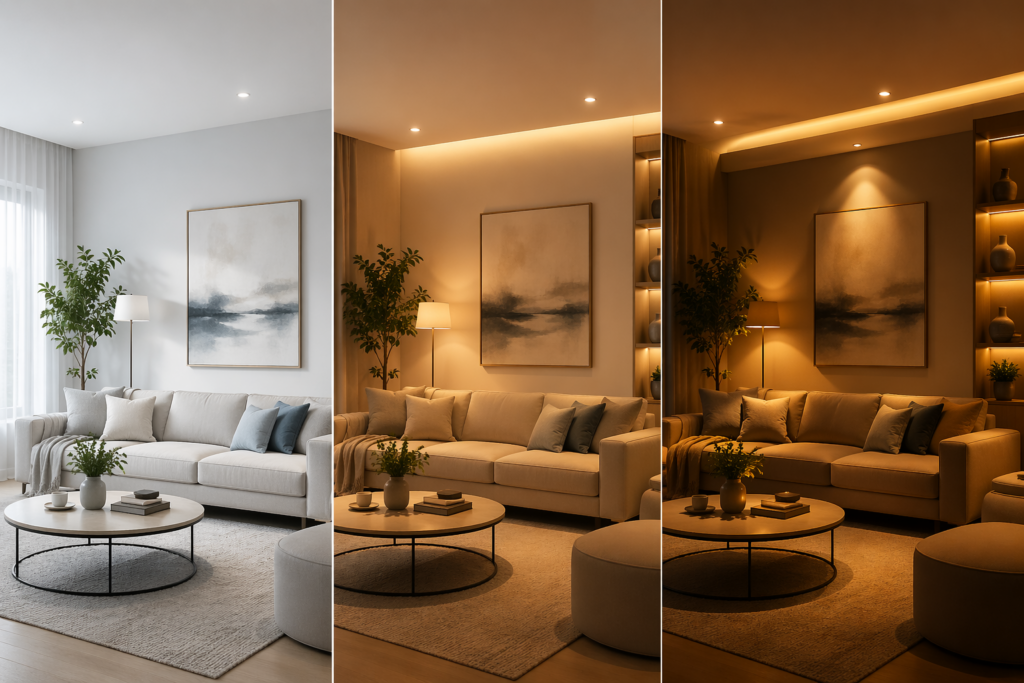

Lighting is one of the most powerful yet underestimated elements in interior design. While homeowners often focus on furniture, color schemes, and décor, lighting quietly shapes how all these elements come together. It influences how a room looks, feels, and functions. The right lighting can make a small room appear spacious, a dull space feel vibrant, and a cold interior become warm and inviting.
In modern homes, lighting is no longer just about visibility—it’s about creating experiences. From enhancing architectural details to setting the perfect mood, lighting plays a transformative role in defining your interiors. Whether you are renovating your home or designing a new one, understanding lighting can help you unlock the true potential of your space.
This detailed guide explores how lighting can completely transform your home interiors, covering everything from basic principles to advanced design strategies.
Why Lighting is the Backbone of Interior Design
More Than Just Illumination
Lighting is not merely a functional necessity; it is a design tool that shapes the perception of your home. It highlights textures, enhances colors, and adds depth to spaces. A well-lit room brings out the richness of materials such as wood, marble, or fabric, while poor lighting can make even expensive interiors look flat and lifeless.
For example, a textured wall or a piece of artwork may go unnoticed without proper lighting. But when illuminated correctly, it becomes a focal point that elevates the entire room.
Emotional and Psychological Impact
Lighting has a profound effect on human emotions and well-being. Warm lighting creates a cozy, relaxing environment, ideal for bedrooms and living spaces. On the other hand, cool lighting promotes alertness and focus, making it suitable for workspaces and kitchens.
The intensity and color of light can influence your mood, productivity, and even sleep patterns. Soft, dim lighting can help you unwind after a long day, while bright lighting energizes you during daily activities.
Functional Importance
Beyond aesthetics, lighting ensures that your home is practical and comfortable. Task lighting supports activities such as reading, cooking, or working, while proper illumination reduces eye strain and enhances safety. A well-designed lighting plan ensures that every corner of your home is both beautiful and usable.
Types of Lighting Every Home Needs
Ambient Lighting (General Lighting)
Ambient lighting forms the foundation of any lighting design. It provides overall illumination that allows you to navigate your home comfortably. This type of lighting is usually achieved through ceiling-mounted fixtures, chandeliers, or recessed lights.
A well-planned ambient lighting setup ensures that the entire space is evenly lit without harsh shadows or overly bright spots.
Task Lighting
Task lighting focuses on specific areas where activities take place. It is essential in spaces like kitchens, study areas, and bathrooms. Examples include under-cabinet lights in kitchens, desk lamps for workstations, and mirror lights in bathrooms.
Task lighting improves functionality and ensures that you can perform activities efficiently without straining your eyes.
Accent Lighting
Accent lighting adds drama and depth to your interiors. It is used to highlight specific features such as artwork, sculptures, textured walls, or architectural elements. Spotlights, track lights, and wall-mounted fixtures are commonly used for this purpose.
This type of lighting creates visual interest and helps define focal points within a room.
Decorative Lighting
Decorative lighting serves as both a light source and a design statement. Fixtures like pendant lights, designer chandeliers, and artistic lamps fall into this category. These elements enhance the aesthetic appeal of your home and reflect your personal style.
How Lighting Transforms Different Areas of Your Home
Living Room Lighting Ideas
The living room is the heart of your home, where lighting plays a key role in creating a welcoming atmosphere. A layered lighting approach works best here, combining ambient, task, and accent lighting.
Soft ambient lighting sets the base, while floor lamps or table lamps provide task lighting for reading. Accent lighting can highlight artwork or decorative pieces, adding character to the space.
Bedroom Lighting
In bedrooms, lighting should promote relaxation and comfort. Soft, warm lighting helps create a calming environment. Bedside lamps, wall sconces, and dimmable lights are ideal choices.
Layered lighting allows you to adjust brightness levels based on your needs, whether you’re reading, relaxing, or sleeping.
Kitchen Lighting
Kitchens require bright and functional lighting. Task lighting is crucial for cooking and food preparation, while ambient lighting ensures overall visibility.
Under-cabinet lights, pendant lights over islands, and recessed ceiling lights work together to create a balanced and efficient kitchen environment.
Bathroom Lighting
Bathroom lighting should be both functional and flattering. Proper lighting around mirrors is essential to avoid shadows during grooming tasks. Combining overhead lighting with side-mounted fixtures ensures even illumination.
Dining Area Lighting
Lighting in the dining area sets the mood for meals and gatherings. A statement chandelier or pendant light above the dining table creates a focal point and enhances the dining experience.
Warm lighting works best here, as it creates an intimate and inviting atmosphere.
The Power of Layered Lighting Design
What is Layered Lighting?
Layered lighting involves combining different types of lighting—ambient, task, and accent—to create a balanced and dynamic environment. This approach ensures that a space is both functional and visually appealing.
Benefits of Layering Lights
Layered lighting adds depth and dimension to your interiors. It allows you to control the mood and functionality of a space by adjusting different light sources. This flexibility is especially useful in multifunctional areas like living rooms.
Practical Layering Tips
Using dimmers is one of the most effective ways to control lighting levels. Proper placement of fixtures is equally important to avoid shadows and glare. A well-layered lighting plan ensures that each area of your home serves its purpose while maintaining aesthetic harmony.
Choosing the Right Light Temperature and Color
Warm vs Cool Light
Warm light (yellow tones) creates a cozy and relaxing ambiance, making it ideal for bedrooms and living rooms. Cool light (white or blue tones) is more energizing and suitable for kitchens, bathrooms, and workspaces.
Choosing the right light temperature enhances both the functionality and mood of your interiors.
Color Rendering Index (CRI)
CRI measures how accurately a light source displays colors. A higher CRI ensures that colors appear more natural and vibrant. This is especially important in areas where color accuracy matters, such as kitchens and dressing areas.
Impact on Interior Color Schemes
Lighting can significantly alter how colors appear in your home. A paint color that looks perfect in natural daylight may appear different under artificial lighting. Testing lighting conditions before finalizing color schemes is essential.
Modern Lighting Trends in Interior Design
Smart Lighting Systems
Smart lighting allows you to control brightness, color, and timing through mobile apps or voice commands. It offers convenience and enhances energy efficiency.
Minimalist Fixtures
Modern interiors are embracing sleek and minimal lighting designs. Clean lines and subtle fixtures blend seamlessly with contemporary décor.
Sustainable Lighting
Energy-efficient LED lighting is becoming the standard in modern homes. It reduces electricity consumption while providing long-lasting performance.
Statement Lighting Pieces
Bold lighting fixtures are increasingly being used as focal points. Oversized pendants and artistic chandeliers add personality and drama to interiors.
Common Lighting Mistakes to Avoid
One of the most common mistakes is relying on a single light source. This can create uneven lighting and make spaces feel flat. Ignoring layered lighting is another issue that limits the functionality and appeal of a room.
Incorrect fixture sizes or poor placement can disrupt the balance of a space. Similarly, choosing the wrong color temperature can negatively impact the overall ambiance.
Avoiding these mistakes ensures that your lighting enhances rather than detracts from your interiors.
Expert Lighting Tips from Avinnyya
Professional interior designers understand the importance of a well-planned lighting strategy. Customized lighting solutions take into account the layout, purpose, and style of each space.
Balancing aesthetics with functionality is key to achieving the perfect lighting design. Real-life transformations often show how thoughtful lighting can completely change the look and feel of a home.
If you are looking for expert guidance, working with an experienced team ensures that every detail is carefully planned. For those exploring premium design solutions, partnering with an interior design company in bangalore can help you achieve a seamless and sophisticated lighting design.
Budget-Friendly Lighting Ideas
Transforming your home with lighting doesn’t always require a large budget. Affordable fixtures, such as stylish pendant lights or floor lamps, can make a big difference.
DIY enhancements like adding LED strips or updating lampshades can instantly refresh a space. Using mirrors and reflective surfaces can also amplify light, making rooms appear brighter and more spacious.
How Natural Light Plays a Role
Maximizing Daylight
Natural light is one of the most valuable elements in interior design. Large windows, sheer curtains, and strategic layouts can help maximize daylight.
Combining Natural and Artificial Lighting
A balanced approach that integrates natural and artificial lighting creates a harmonious environment. While natural light enhances daytime aesthetics, artificial lighting ensures functionality after sunset.
Why Thoughtful Lighting Design Matters
Lighting is not just an accessory—it is a fundamental component of interior design. It has the power to transform spaces, influence emotions, and improve functionality. Whether you prefer a cozy, warm ambiance or a bright, modern look, the right lighting can bring your vision to life.
Investing in a well-planned lighting design ensures that your home is not only visually appealing but also comfortable and practical.
Conclusion
Lighting has the ability to completely transform your home interiors in ways that go beyond simple illumination. From setting the mood to enhancing functionality, it plays a crucial role in shaping your living experience.
By understanding the different types of lighting, applying layered design principles, and choosing the right fixtures and temperatures, you can create a home that is both beautiful and functional.
If you’re planning to upgrade your interiors, start by rethinking your lighting strategy. The results can be truly remarkable—turning ordinary spaces into extraordinary living environments.