
How Good Space Planning Improves Daily Living
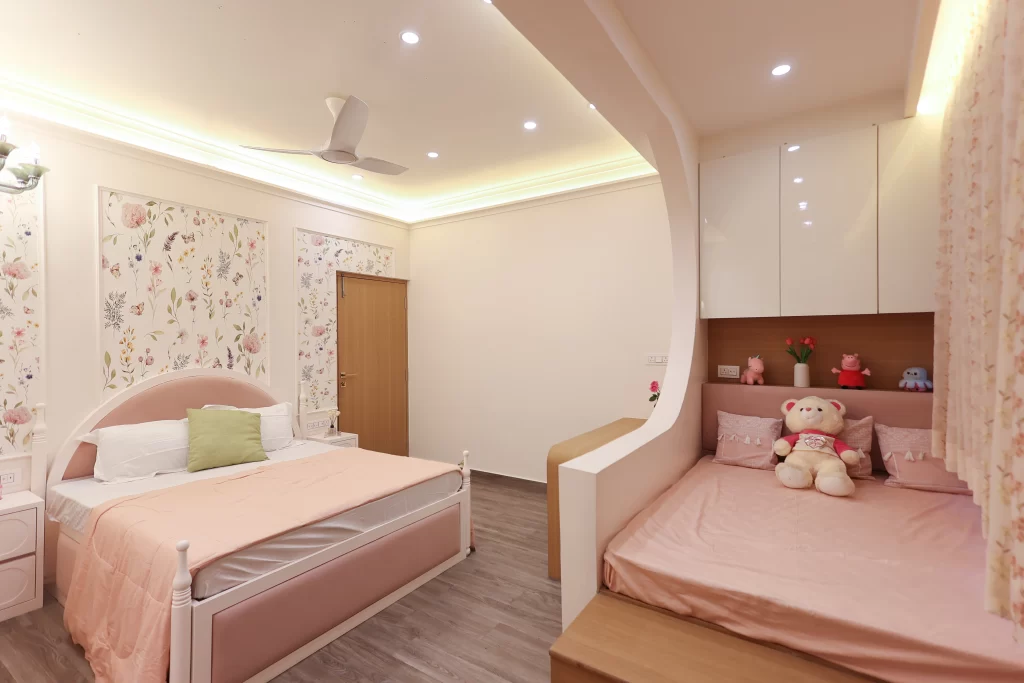
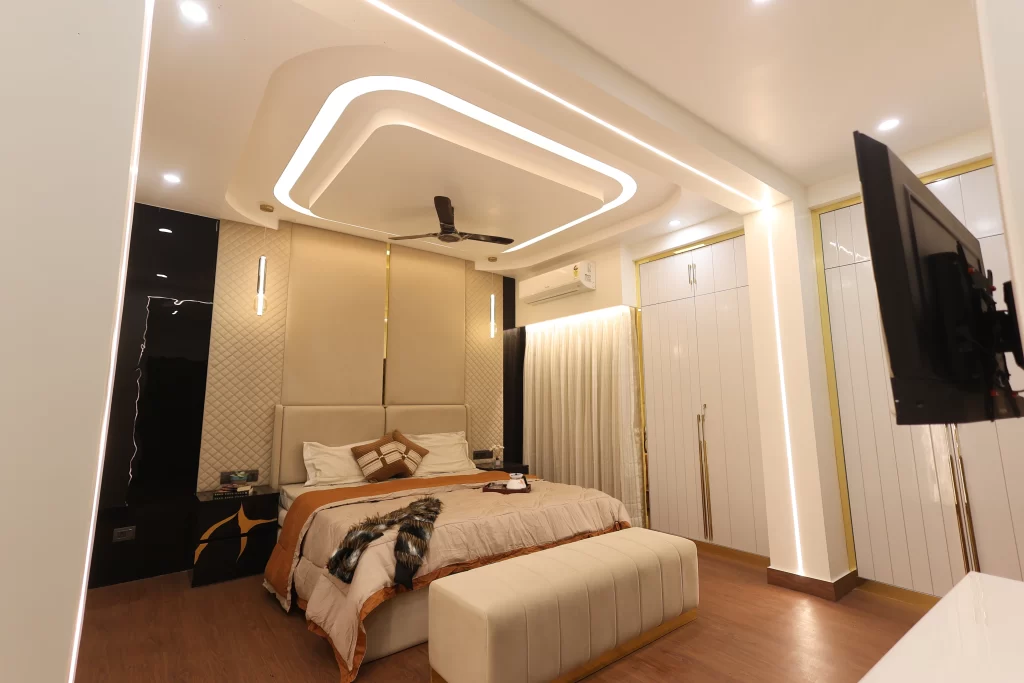

When people think about interior design, they often imagine colors, furniture, décor, or stylish finishes. While aesthetics play an important role, the true foundation of a successful interior lies in something far more important — space planning.
A beautifully decorated home can still feel uncomfortable if the layout doesn’t work. On the other hand, even a simple space can feel calm, efficient, and enjoyable when every area is thoughtfully planned.
At Avinnyya, space planning is the starting point of every project. Because good design isn’t just about how a space looks — it’s about how it works in everyday life.
This article explores how effective space planning improves daily living, enhances comfort, reduces stress, and helps homes and workplaces function better.
What Is Space Planning?
Space planning is the process of organizing a layout to ensure that every area serves its purpose efficiently. It involves:
- Furniture placement
- Movement flow (circulation)
- Functional zoning
- Storage allocation
- Lighting positioning
- Activity-based design
The goal is simple:
Make the space work for the people using it.
Instead of filling rooms with furniture, space planning focuses on:
- How people move
- How they use each area
- What activities happen daily
- Where clutter builds up
- What causes discomfort or inefficiency
When these factors are considered early, the result is a space that feels natural, comfortable, and easy to live in.
Why Space Planning Matters in Everyday Life
Most daily frustrations inside homes or offices are actually layout problems, not design problems.
Common issues include:
- Crowded walkways
- Lack of storage
- Poor furniture placement
- Awkward room usage
- Unused corners
- Constant clutter
- Poor lighting for tasks
Good space planning solves these problems before execution begins.
At Avinnyya, every layout decision is made by asking one question:
Will this make daily life easier?
1. Improves Movement and Comfort
One of the biggest benefits of proper space planning is smooth movement.
When circulation is planned correctly:
- People can move freely without bumping into furniture
- Doors and cabinets open comfortably
- Walways remain clear
- Rooms feel open instead of crowded
For example:
- A living room should allow easy movement between seating, TV, and entry points.
- A kitchen should follow a logical workflow between cooking, washing, and storage.
- Bedrooms should have enough clearance around beds and wardrobes.
When movement feels natural, the entire home feels more comfortable.
2. Reduces Clutter and Improves Organization
Clutter is often a result of poor planning, not lack of effort.
If storage isn’t designed according to lifestyle:
- Items get placed randomly
- Surfaces become crowded
- Spaces feel messy quickly
Good space planning includes:
- Activity-based storage
- Hidden storage where needed
- Accessible everyday storage
- Dedicated zones for frequently used items
At Avinnyya, storage is planned based on real habits — clothing types, kitchen usage, work routines, and family needs.
When everything has a place, maintenance becomes easier and the home stays organized with less effort.
3. Makes Small Spaces Feel Bigger
In cities where space is limited, planning becomes even more important.
Smart space planning can:
- Eliminate unnecessary furniture
- Use multi-functional elements
- Improve vertical storage
- Optimize corners and niches
- Maintain visual openness
A well-planned small apartment can feel more comfortable than a larger space with poor layout.
Instead of focusing only on size, Avinnyya focuses on efficiency per square foot — ensuring every area adds value.
4. Supports Daily Routines
Every household has different routines:
- Work-from-home needs
- School schedules
- Cooking frequency
- Guest visits
- Storage habits
- Cleaning routines
Good space planning aligns the layout with these patterns.
Examples:
- A dedicated work zone improves productivity.
- A shoe storage area near the entrance keeps the home clean.
- A breakfast counter works well for fast-paced mornings.
- Separate wardrobe sections reduce daily confusion.
When spaces support routines instead of disrupting them, daily life becomes smoother and more efficient.
5. Improves Productivity and Focus
Space planning isn’t just important for homes — it’s critical for work environments.
In offices or home workspaces, layout affects:
- Concentration levels
- Comfort during long hours
- Collaboration efficiency
- Noise control
- Lighting quality
Poor planning can lead to distractions, fatigue, and reduced productivity.
Avinnyya designs workspaces with:
- Proper desk positioning
- Ergonomic clearance
- Task lighting
- Defined work zones
- Minimal visual clutter
A well-planned workspace improves both performance and well-being.
6. Enhances Safety
Good space planning also improves safety by preventing:
- Obstructed walkways
- Sharp furniture congestion
- Electrical overload points
- Poor kitchen workflows
- Slippery or crowded bathroom layouts
For families with children or elderly members, proper layout planning is especially important.
Safety-focused planning includes:
- Adequate circulation space
- Accessible storage heights
- Non-congested movement zones
- Functional lighting placement
At Avinnyya, safety is considered alongside aesthetics and functionality.
7. Improves Lighting Efficiency
Lighting works best when it’s planned along with the layout.
Good space planning ensures:
- Task lighting where needed
- Balanced ambient lighting
- Avoidance of shadow zones
- Proper natural light utilization
For example:
- Study tables near windows
- Kitchen counters with focused lighting
- Living areas with layered lightin
- Bedrooms with soft ambient zones
When layout and lighting work together, the space feels brighter, more comfortable, and energy-efficient.
8. Creates Emotional Comfort
A well-planned space doesn’t just function better — it feels better.
When layouts are balanced:
- Rooms feel calm instead of crowded
- Daily activities feel effortless
- Cleaning takes less time
- Stress caused by clutter reduces
- The home feels more relaxing
This emotional comfort is one of the most valuable outcomes of good design.
At Avinnyya, the goal isn’t just to design spaces that look good in photos — but spaces that feel right every day.
The Avinnyya Approach to Space Planning
At Avinnyya, space planning begins long before design visuals.
Step 1: Understanding Lifestyle
The team studies:
- Family size
- Daily routines
- Storage needs
- Work patterns
- Future requirements
Step 2: Functional Zoning
Spaces are divided based on usage:
- Active zones
- Storage zones
- Relaxation areas
- Work areas
Step 3: Circulation Planning
Movement paths are designed to ensure smooth flow between areas.
Step 4: Layout Optimization
Furniture sizes, placement, and clearances are finalized for comfort and efficiency.
Only after the layout is perfect does the design move to aesthetics, materials, and finishes.
This ensures the final interior is not only beautiful but practical.
Common Space Planning Mistakes to Avoid
Many homes face issues due to:
- Oversized furniture in small rooms
- Ignoring clearance space
- Designing without considering lifestyle
- Lack of storage planning
- Blocking natural light
- Poor kitchen workflow
- Random furniture placement
Professional planning helps avoid costly mistakes and future adjustments.
Why Space Planning Matters More Than Ever
With modern lifestyles becoming busier and homes serving multiple purposes — living, working, relaxing, and socializing — efficient layouts are essential.
Whether it’s a compact apartment, a family home, or a commercial space, the right planning ensures:
- Better usability
- Lower maintenance effort
- Improved comfort
- Long-term functionality
Good space planning isn’t a luxury — it’s a necessity.
Conclusion
Great interiors don’t start with colors or décor. They start with a layout that supports real life.
Good space planning improves daily living by:
- Making movement easier
- Reducing clutter
- Supporting routines
- Improving productivity
- Enhancing comfort and safety
- Making the most of available space
At Avinnyya, every project begins with thoughtful space planning because a well-designed layout is the foundation of a successful interior.
When a space is planned around people, daily life becomes smoother, more organized, and more enjoyable.