
How to Choose the Right Color Palette for Your Home
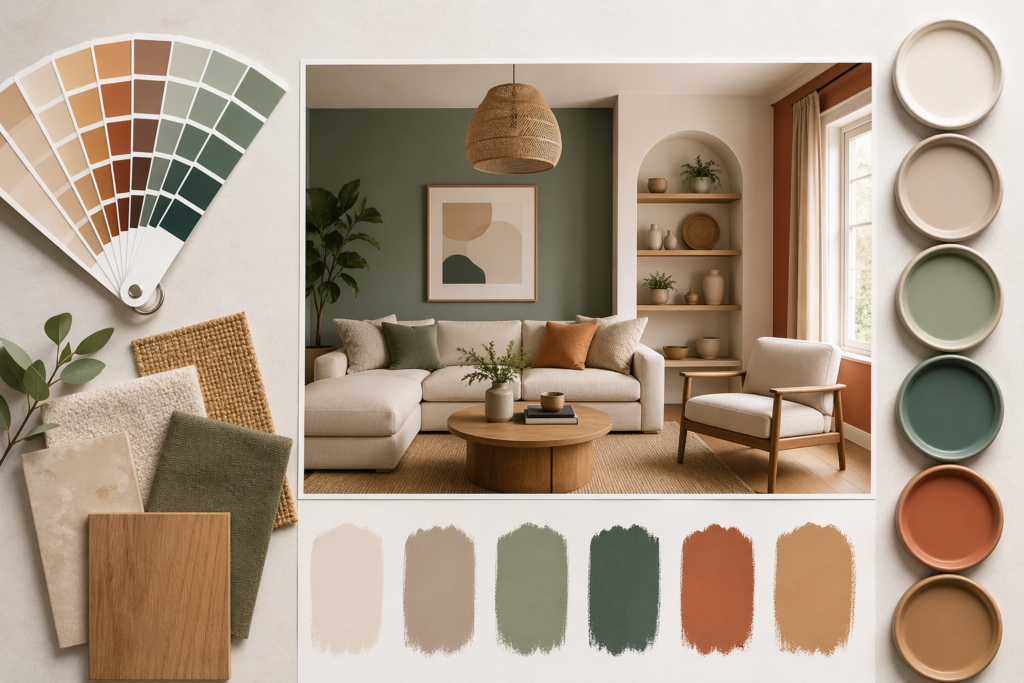

Choosing the right color palette for your home is one of the most important decisions in interior design. Colors do far more than just enhance visual appeal—they influence mood, define spaces, and create a cohesive environment that reflects your personality and lifestyle. Whether you’re designing a new home or refreshing your existing interiors, selecting the right combination of shades can completely transform how your space looks and feels.
A well-planned color palette can make small rooms appear larger, create warmth in open spaces, and even boost productivity or relaxation depending on the room’s purpose. However, with countless shades, tones, and combinations available, it’s easy to feel overwhelmed. This guide will walk you through every aspect of choosing the perfect color palette—from understanding color theory to applying it room by room—so you can create a home that feels both beautiful and harmonious.
Understanding the Basics of Color Theory
Before selecting colors for your home, it’s essential to understand the fundamentals of color theory. This knowledge serves as the foundation for creating visually appealing and balanced interiors.
The Color Wheel Explained
The color wheel is a visual representation of colors arranged according to their chromatic relationship. It consists of primary colors (red, blue, and yellow), which cannot be created by mixing other colors. Secondary colors (green, orange, and purple) are formed by mixing primary colors, while tertiary colors are created by combining primary and secondary hues.
Understanding the difference between warm and cool colors is equally important. Warm colors like red, orange, and yellow evoke energy, warmth, and vibrancy, making them ideal for social spaces. Cool colors such as blue, green, and purple create a calming and relaxing atmosphere, perfect for private areas like bedrooms.
Color Harmony Techniques
Color harmony refers to aesthetically pleasing combinations of colors. One popular approach is the complementary scheme, where colors opposite each other on the wheel (such as blue and orange) are paired to create contrast and vibrancy. Analogous color schemes use colors that sit next to each other on the wheel, resulting in a more harmonious and subtle look.
Monochromatic palettes focus on variations of a single color, offering a clean and sophisticated aesthetic. Triadic combinations, which involve three evenly spaced colors on the wheel, provide balance and vibrancy when used correctly. Choosing the right harmony technique ensures your space looks cohesive rather than chaotic.
Undertones Matter
Undertones play a crucial role in how colors appear in your home. Even neutral shades like white, beige, or grey can have warm (yellow/red) or cool (blue/green) undertones. These undertones become more noticeable under different lighting conditions.
For instance, a beige with warm undertones may look cozy in natural sunlight but appear slightly yellow under artificial lighting. Testing paint samples on your walls at different times of the day helps you understand how undertones behave in your specific space.
The Psychology of Colors in Interior Design
Colors have a profound psychological impact, influencing emotions, behavior, and even energy levels within a space.
Warm Colors
Warm colors such as red, orange, and yellow are known for their energizing and stimulating qualities. Red can evoke passion and excitement, making it suitable for dining rooms or accent walls. Orange brings warmth and enthusiasm, while yellow symbolizes happiness and positivity, often used in kitchens or entryways.
However, overusing warm colors can make a space feel overwhelming. It’s best to balance them with neutral or cooler tones.
Cool Colors
Cool colors like blue, green, and purple are associated with calmness and relaxation. Blue promotes tranquility and is commonly used in bedrooms and bathrooms. Green represents nature and balance, making it ideal for living spaces. Purple, especially in softer shades, adds a touch of luxury and creativity.
These colors are perfect for creating peaceful environments but should be paired thoughtfully to avoid making a space feel too cold or impersonal.
Neutral Colors
Neutral colors form the backbone of most interior color palettes. Shades like white, beige, grey, and taupe provide a versatile base that allows other elements in the room to stand out. They create a sense of balance and timeless elegance.
Neutrals are especially useful for larger surfaces like walls and floors, as they make it easier to update décor without repainting the entire space.
Bold vs. Subtle Shades
Choosing between bold and subtle shades depends on your personality and the purpose of the room. Bold colors can create striking focal points and add character, while subtle shades offer a calm and sophisticated ambiance. The key is to strike the right balance—using bold colors as accents rather than overwhelming the entire space.
Factors to Consider Before Choosing a Color Palette
Selecting the right palette involves more than just picking your favorite colors. Several practical factors must be considered to achieve the best results.
Room Size and Space
Color can significantly impact how spacious a room feels. Light colors such as whites and pastels reflect light, making small rooms appear larger and more open. Dark colors absorb light, creating a cozy and intimate atmosphere in larger spaces.
Natural and Artificial Lighting
Lighting plays a crucial role in how colors appear. Natural sunlight brings out the truest version of a color, while artificial lighting can alter its tone. For example, warm lighting can make colors appear more yellow, while cool lighting enhances blue undertones.
Understanding your room’s lighting conditions helps you choose colors that look consistent throughout the day.
Existing Furniture and Decor
Your color palette should complement your existing furniture, flooring, and décor elements. Instead of starting from scratch, consider the colors already present in your space and build around them. This ensures a cohesive and harmonious look.
Home Style and Theme
Different interior styles require different color palettes. A modern home may feature neutral tones with bold accents, while a traditional design might incorporate richer, warmer hues. Matching your color palette to your overall design theme ensures consistency throughout your home.
Room-by-Room Color Palette Guide
Each room in your home serves a unique purpose, and the color palette should reflect that.
Living Room
The living room is a social space, so it should feel welcoming and versatile. Neutral bases paired with accent colors work well here. You can introduce personality through cushions, artwork, or an accent wall.
Bedroom
Bedrooms should promote relaxation and comfort. Soft, cool tones like blues, greens, and muted pastels create a calming environment. Adding warm accents through textiles can enhance coziness.
Kitchen
Kitchens benefit from fresh and vibrant colors. Whites, light greys, and pastel shades create a clean look, while pops of color can add energy. Modern kitchens often combine neutrals with bold cabinetry or backsplashes.
Bathroom
Bathrooms should feel clean and refreshing. Light colors like white, aqua, and soft grey are popular choices. These shades create a spa-like atmosphere and make small bathrooms appear larger.
Home Office
A home office should encourage focus and productivity. Neutral tones combined with subtle accents of blue or green can enhance concentration while maintaining a calm environment.
Popular Color Palette Trends (2026)
Interior color trends continue to evolve, blending timeless elegance with modern aesthetics.
Earthy and Nature-Inspired Tones
Colors like terracotta, olive green, and sandy beige are gaining popularity for their warm and grounded feel. These shades bring a sense of nature indoors.
Minimalist Neutrals
Soft neutrals such as off-white, beige, and light grey remain timeless. They create a clean and sophisticated backdrop for modern interiors.
Dark and Moody Interiors
Deep shades like navy blue, charcoal, and forest green are being used to create dramatic and luxurious spaces.
Pastel Comeback
Pastels are making a comeback with a modern twist. Soft pinks, mint greens, and powder blues add subtle charm without overwhelming the space.
How to Create a Cohesive Color Flow Throughout Your Home
Maintaining consistency in your color palette ensures your home feels connected and visually pleasing.
Open Floor Plan Color Strategy
In open layouts, it’s important to maintain continuity. Using variations of the same color or complementary shades helps create a seamless flow between spaces.
The 60-30-10 Rule
This classic rule suggests using 60% of a dominant color, 30% of a secondary color, and 10% of an accent color. This balance creates visual harmony without overwhelming the space.
Transitioning Between Rooms
Gradual transitions between rooms prevent abrupt changes. You can achieve this by carrying a base color throughout the home while varying accents in each room.
Common Mistakes to Avoid
Many homeowners make avoidable mistakes when choosing colors. Ignoring lighting conditions, skipping paint tests, or using too many colors can disrupt the overall look. Following trends blindly without considering long-term appeal is another common issue. A thoughtful approach ensures your design remains timeless.
Expert Tips from Avinnyya Interior Designers
Professional designers recommend always testing paint samples before finalizing a color. Incorporating textures such as wood, fabric, and metal adds depth to your palette. Accent walls can create focal points without overwhelming the room. Balancing bold colors with neutrals ensures a sophisticated look tailored to your lifestyle.
For more comprehensive design solutions, you can explore services offered by an interior design company in bangalore to understand how experts curate personalized color palettes for modern homes.
Tools and Techniques to Help You Choose Colors
Modern tools make it easier to visualize your color choices. Digital color visualizers allow you to experiment with different shades before committing. Creating mood boards helps you see how colors work together, while paint swatches and sample patches provide real-world insights.
Consulting professional designers can save time and ensure a polished result, especially for large-scale projects.
Why Choosing the Right Color Palette Matters
The right color palette does more than enhance aesthetics—it shapes your daily living experience. It can influence your mood, improve functionality, and even increase the perceived value of your home. A thoughtfully designed palette ensures your space feels cohesive, comfortable, and uniquely yours.
Conclusion
Choosing the right color palette for your home is both an art and a science. By understanding color theory, considering practical factors, and applying thoughtful combinations, you can create a space that reflects your personality while maintaining harmony and balance.
Take the time to experiment, test samples, and visualize your ideas before making final decisions. With the right approach, colors can transform your house into a home that feels inviting, stylish, and timeless.
Ready to transform your home with the perfect color palette? Get expert guidance and create a beautifully balanced space that truly reflects your style.