
How to Choose the Right Interior Design Style for Your Home
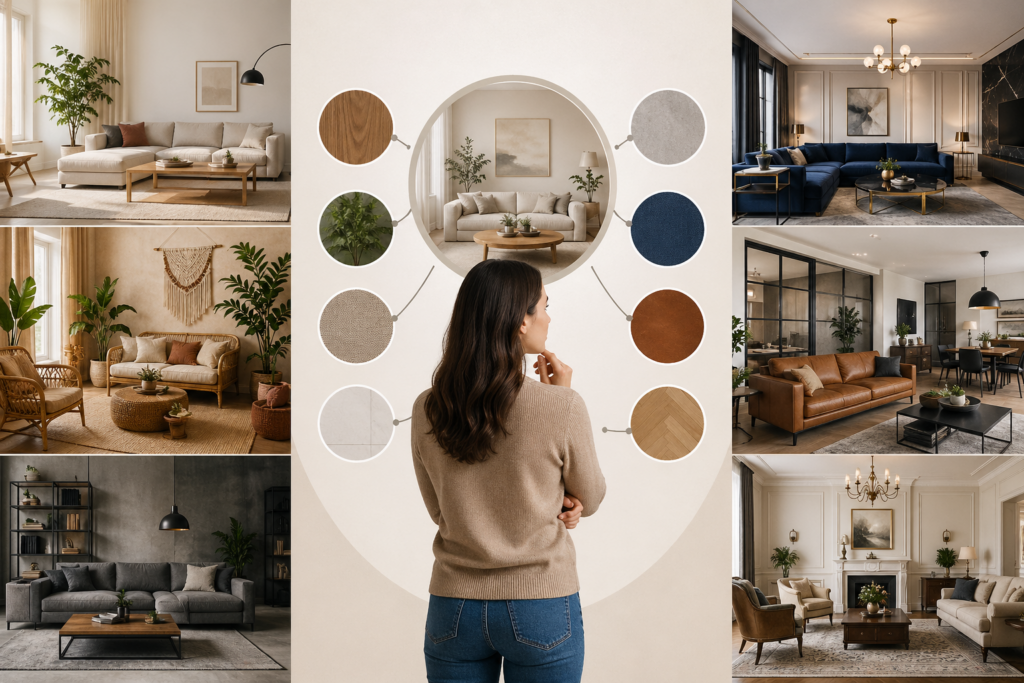

Designing your home is more than just selecting furniture or paint colors—it’s about creating a space that reflects your personality, supports your lifestyle, and enhances everyday living. With so many interior design styles available today, choosing the right one can feel overwhelming. From minimalism to bohemian, modern to traditional, each style carries its own identity and appeal.
Many homeowners struggle with indecision because they are exposed to countless ideas online but lack clarity on what truly suits their space and needs. This guide by Avinnyya simplifies the process, helping you identify, refine, and confidently choose the perfect interior design style for your home.
Understand Your Lifestyle First
Before diving into design aesthetics, it’s crucial to evaluate your lifestyle. Your home should serve your daily habits, not disrupt them.
If you have a busy household with kids or pets, durability and practicality become essential. In such cases, styles that prioritize functionality—like modern or contemporary—are more suitable. On the other hand, if you live alone or with a partner and prefer a calm, clutter-free environment, minimalist or Scandinavian styles might align better.
Think about how you use your space daily. Do you entertain guests frequently? Then an open, welcoming layout with comfortable seating should be a priority. Do you work from home? Then your design should incorporate productivity-enhancing elements like ergonomic furniture and proper lighting.
Your lifestyle acts as the foundation of your design decisions. Ignoring it may lead to a visually appealing home that fails to function effectively.
Assess Your Space
Every home has its own architectural character, and your interior style should complement it rather than conflict with it.
Start by analyzing the size, layout, and natural lighting of your space. Smaller rooms benefit from light colors, minimal furniture, and smart storage solutions, which are characteristics of minimalist or Scandinavian styles. Larger homes offer more flexibility, allowing for elaborate styles like traditional or luxury interiors.
Natural light also plays a critical role. Bright spaces can handle darker tones and bold elements, while low-light areas require lighter palettes to feel open and airy.
Additionally, consider whether your home has an open floor plan or segmented rooms. Open layouts work well with cohesive, flowing styles like contemporary or modern, while traditional layouts can accommodate more defined and classic design approaches.
Explore Popular Interior Design Styles
Understanding different interior design styles is key to identifying what resonates with you. Let’s explore some of the most popular ones:
Modern Style
Modern interiors focus on simplicity, clean lines, and functionality. Neutral colors, sleek furniture, and minimal ornamentation define this style. It is ideal for those who appreciate uncluttered and structured environments.
Minimalist Style
Minimalism follows the philosophy of “less is more.” It eliminates excess and focuses only on essentials. This style is perfect for people who value clarity, organization, and stress-free living.
Contemporary Style
Often confused with modern design, contemporary style is dynamic and evolves with trends. It blends various elements, including textures, materials, and subtle contrasts, making it versatile and adaptable.
Traditional Style
Traditional interiors are inspired by classic European decor. Rich colors, detailed woodwork, and elegant furniture define this style. It suits those who prefer timeless and sophisticated aesthetics.
Scandinavian Style
This style emphasizes simplicity, functionality, and warmth. Light colors, natural materials, and cozy elements create a comfortable and inviting atmosphere.
Industrial Style
Inspired by warehouses and factories, industrial design features raw materials like exposed brick, metal, and concrete. It works well in urban settings and loft-style homes.
Bohemian (Boho) Style
Boho interiors are vibrant, artistic, and expressive. They incorporate bold colors, layered textures, and eclectic decor, making them ideal for creative personalities.
Luxury or Modern Glam Style
Luxury interiors focus on elegance and opulence. High-end materials, statement lighting, and refined finishes create a sophisticated and premium look.
Identify Your Personal Taste
Choosing a design style becomes easier when you understand your preferences.
Start by collecting inspiration from platforms like Pinterest or Instagram. Save images that catch your attention without overthinking. After gathering a collection, analyze it to identify patterns. Do you prefer neutral tones or bold colors? Are you drawn to sleek furniture or vintage pieces?
This process helps you discover your natural inclination. Most people don’t fit into a single category—instead, they lean toward a combination of styles. Recognizing this allows you to create a unique and personalized interior rather than copying a generic look.
Consider Your Budget
Your budget plays a significant role in determining your design choices. While some styles, like luxury or traditional, may require higher investment due to materials and detailing, others like minimalist or Scandinavian can be more budget-friendly.
However, having a limited budget doesn’t mean compromising on quality. The key is to prioritize. Invest in essential furniture pieces like sofas, beds, and storage units, while opting for budget-friendly decor items.
Mixing high-end and affordable elements can create a balanced and stylish look. Avoid spending excessively on trends, as they may quickly go out of fashion.
Think About Functionality Over Trends
Trends come and go, but functionality remains constant. A trendy home may look appealing today but could become impractical over time.
Focus on elements that enhance usability. For example, adequate storage solutions prevent clutter, while multi-functional furniture maximizes space efficiency.
Design choices should improve your daily life rather than complicate it. A well-designed home seamlessly combines aesthetics with practicality, ensuring long-term satisfaction.
Choose a Cohesive Color Palette
Color is one of the most powerful elements in interior design. It sets the mood, influences perception, and defines your style.
Start with a base color and build around it using complementary shades. Neutral palettes create a calm and sophisticated environment, while bold colors add energy and personality.
The 60-30-10 rule is a helpful guideline: 60% dominant color, 30% secondary color, and 10% accent color. This ensures balance and harmony within your space.
Consistency across rooms is also important, especially in open layouts, to maintain a cohesive look.
Mix Styles the Right Way
Combining multiple styles can result in a unique and visually interesting interior, but it requires careful planning.
Begin with a dominant style and introduce elements from another style as accents. This prevents the space from looking chaotic.
For instance, you can blend modern and bohemian styles by keeping furniture minimal while adding textured decor and vibrant accessories. Similarly, traditional and contemporary styles can be combined by mixing classic furniture with modern lighting.
The goal is to achieve balance and cohesion rather than contrast.
Test Before Finalizing
Before committing to a design, experiment with small changes. Test paint colors using swatches, try different furniture arrangements, and introduce decor gradually.
This approach allows you to visualize the outcome and make adjustments without major expenses. It also reduces the risk of making costly mistakes.
Designing your home is a process, not a one-time decision. Taking the time to test and refine ensures better results.
Seek Professional Guidance (Optional)
While many homeowners prefer a DIY approach, consulting a professional can provide valuable insights and save time.
Interior designers bring expertise in space planning, color coordination, and material selection. They can also help you avoid common pitfalls and optimize your budget.
If you are looking for expert assistance, working with an experienced interior design company in bangalore can help transform your vision into reality with precision and creativity.
Common Mistakes to Avoid
Choosing the wrong interior design style often stems from avoidable mistakes.
One common error is blindly following trends without considering personal needs. Another is overcrowding the space with too many elements, which creates visual clutter.
Poor lighting planning can also affect the overall ambiance of your home. Additionally, lack of cohesion between rooms can make the space feel disconnected.
Being mindful of these mistakes helps you make better design decisions.
Final Tips for Choosing the Right Style
Trust your instincts when making design choices. Your home should reflect your personality and preferences rather than mimic someone else’s.
Focus on comfort, practicality, and long-term usability. Take inspiration from various sources, but adapt it to suit your needs.
Remember, the perfect interior design style is one that makes you feel at home.
Conclusion
Choosing the right interior design style is a journey of self-discovery and thoughtful planning. By understanding your lifestyle, assessing your space, exploring different styles, and prioritizing functionality, you can create a home that is both beautiful and practical.
Instead of rushing the process, take your time to experiment and refine your choices. A well-designed home is not just visually appealing—it enhances your quality of life.
With the right approach and guidance from Avinnyya, you can confidently design a space that truly reflects who you are.