
How to Choose the Right Interior Design Style for Your Home
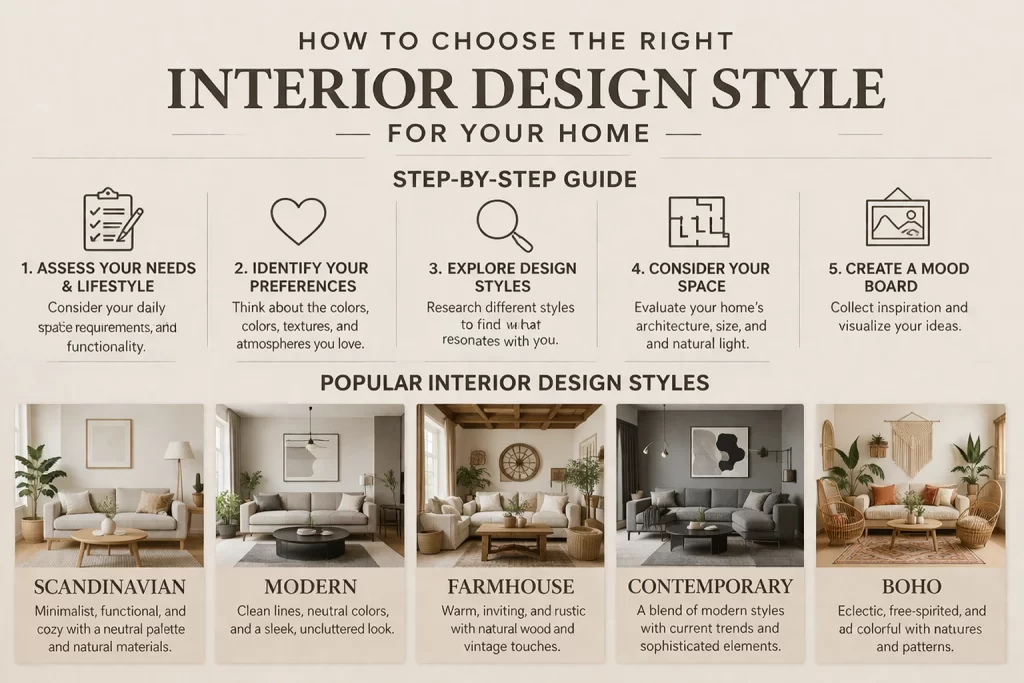

Choosing the right interior design style for your home is one of the most important decisions you’ll make when creating a space that truly feels like your own. Your home is not just a place to live—it’s a reflection of your personality, lifestyle, and aspirations. With so many styles available today, from minimalist and modern to traditional and eclectic, it can feel overwhelming to decide what suits you best. However, by understanding your preferences, needs, and the fundamentals of design, you can confidently select a style that enhances both aesthetics and functionality.
This comprehensive guide will walk you through everything you need to know about choosing the right interior design style, helping you transform your home into a cohesive and visually appealing space.
Introduction to Interior Design Styles
Interior design styles are essentially different ways of decorating and organizing a space using specific color schemes, materials, furniture, and layouts. Each style has its own identity and characteristics, which influence how a room looks and feels. For instance, a modern interior focuses on simplicity and clean lines, while a traditional style emphasizes elegance and detailed craftsmanship.
Choosing the right style is crucial because it directly impacts your comfort and how you interact with your space. A well-designed home improves functionality, enhances mood, and creates a welcoming environment. It also ensures consistency throughout your home, avoiding a mismatched or cluttered appearance.
Working with experts like an interior design company in bangalore can help streamline this process, ensuring your home reflects both your personal taste and practical needs.
Why It’s Important to Choose the Right Interior Style
Enhances Comfort and Functionality
A well-chosen interior design style goes beyond aesthetics—it directly influences how comfortable and functional your home is. For example, a minimalist design reduces clutter and creates a calm environment, while a contemporary style may incorporate multifunctional furniture that maximizes usability. When your design aligns with your daily habits, it makes everyday living smoother and more enjoyable.
Reflects Your Personality
Your home should tell your story. The colors you choose, the furniture you select, and the décor you incorporate all speak volumes about your personality. Whether you prefer bold and vibrant spaces or calm and neutral tones, your interior design style helps express who you are without saying a word.
Improves Property Value
A cohesive and thoughtfully designed home significantly enhances its market value. Potential buyers are more attracted to homes with a consistent design theme and functional layout. Investing in the right style not only improves your living experience but also offers long-term financial benefits.
Understanding Different Interior Design Styles
Modern Interior Design
Modern interior design is characterized by simplicity, clean lines, and a neutral color palette. It focuses on functionality and eliminates unnecessary elements, creating a clutter-free environment. Materials like glass, metal, and polished wood are commonly used to achieve a sleek and sophisticated look.
Contemporary Style
Contemporary design is dynamic and constantly evolving, reflecting current trends. Unlike modern design, which follows a specific era, contemporary style adapts to the present. It often combines various textures, bold accents, and innovative materials to create a fresh and stylish space.
Minimalist Design
Minimalism is all about “less is more.” This style emphasizes simplicity, open spaces, and essential elements. Furniture is functional and minimal, and décor is kept to a bare minimum. The result is a clean, calming environment that promotes clarity and focus.
Traditional Design
Traditional interiors are inspired by classic European styles and are known for their elegance and richness. They feature detailed woodwork, ornate furniture, warm color palettes, and luxurious fabrics. This style is ideal for those who appreciate timeless beauty and sophistication.
Industrial Style
Industrial design takes inspiration from warehouses and factories, showcasing raw materials such as exposed brick, concrete, and metal. It creates a rugged, urban look that is both edgy and stylish, making it popular in modern apartments and loft spaces.
Scandinavian Design
Scandinavian interiors focus on simplicity, functionality, and comfort. They use light colors, natural materials, and minimal décor to create bright and cozy spaces. This style is perfect for those who want a balance between aesthetics and practicality.
Bohemian (Boho) Style
Bohemian design is free-spirited and eclectic, combining various colors, patterns, and textures. It allows for creative expression and individuality, making it ideal for those who prefer a relaxed and artistic environment.
Factors to Consider When Choosing Your Interior Style
Your Lifestyle
Your lifestyle plays a crucial role in determining the right design style. For example, families with children may prefer durable and low-maintenance interiors, while professionals working from home might prioritize functionality and workspace design. Understanding your daily routines helps in selecting a style that complements your life.
Space Availability
The size and layout of your home significantly influence your design choices. Smaller spaces benefit from minimalist or Scandinavian styles that create an illusion of openness, while larger homes can accommodate more elaborate designs like traditional or contemporary styles.
Budget Planning
Budget is another important factor. Some styles require expensive materials and custom furniture, while others can be achieved with affordable alternatives. Planning your budget in advance helps you make informed decisions without compromising on quality.
Location and Climate
Your geographical location and climate also affect your interior design choices. In warmer regions, light colors and breathable materials work best, while colder areas may benefit from warmer tones and cozy textures.
Existing Architecture
The architectural design of your home should align with your interior style. For instance, a modern apartment pairs well with contemporary or minimalist interiors, while a heritage home may suit traditional design better.
How to Identify Your Personal Style
Create a Mood Board
One of the easiest ways to identify your style is by creating a mood board. Collect images, color palettes, and design ideas that appeal to you. Over time, you’ll notice patterns that reflect your preferences.
Analyze Your Preferences
Pay attention to the colors, textures, and materials you naturally gravitate toward. Your wardrobe, favorite cafés, and even travel experiences can provide insights into your design preferences.
Take Inspiration from Real Homes
Visiting showrooms, model homes, or browsing online portfolios can help you visualize different styles in real-life settings. This makes it easier to decide what works best for you.
Mixing and Matching Interior Styles
What is Transitional Design?
Transitional design is a blend of modern and traditional styles, creating a balanced and harmonious look. It combines the warmth of traditional elements with the simplicity of modern design.
Tips to Combine Styles Successfully
Mixing styles requires careful planning. Maintaining a consistent color palette, balancing different elements, and avoiding excessive decoration are key to achieving a cohesive look. The goal is to create harmony rather than chaos.
Common Mistakes to Avoid
One of the most common mistakes people make is blindly following trends without considering their personal preferences. While trends can be inspiring, they may not always suit your lifestyle or stand the test of time. Another mistake is ignoring functionality in favor of aesthetics, which can make your space impractical.
Over-decorating is another issue that can make a room feel cluttered and overwhelming. Additionally, poor lighting choices can diminish the overall impact of your design. Ensuring a cohesive theme throughout your home is essential to avoid a disjointed appearance.
Room-by-Room Style Selection Guide
Living Room
The living room is the heart of your home and should reflect your overall design theme. It should be inviting, comfortable, and visually appealing, making it a space where you can relax and entertain guests.
Bedroom
Bedrooms should prioritize comfort and relaxation. Soft colors, cozy textures, and minimal distractions create a peaceful environment that promotes restful sleep.
Kitchen
The kitchen should be both functional and stylish. Efficient layouts, smart storage solutions, and durable materials are essential for a practical yet attractive space.
Bathroom
Bathrooms benefit from clean and minimal designs. Neutral colors, proper lighting, and high-quality fixtures contribute to a fresh and modern look.
Role of Color, Lighting, and Materials
Choosing the Right Color Palette
Colors have a significant impact on mood and perception. Light colors make spaces appear larger, while darker tones add depth and drama. Choosing the right palette helps set the tone for your home.
Importance of Lighting
Lighting plays a crucial role in enhancing your interior design. A combination of natural and artificial lighting creates a balanced and functional space. Layered lighting techniques add depth and highlight key design elements.
Material Selection
The materials you choose affect both the aesthetics and durability of your home. Wood adds warmth, metal provides a modern touch, and fabrics bring comfort and texture. Selecting the right materials ensures longevity and style.
When to Hire a Professional Interior Designer
Hiring a professional interior designer can make a significant difference in achieving your desired look. Designers bring expertise, creativity, and industry knowledge, helping you avoid costly mistakes and save time. They also have access to resources and materials that may not be available to the general public.
Why Choose Avinnyya for Your Interior Design Needs
Avinnyya offers a personalized approach to interior design, ensuring every project reflects the client’s unique style and requirements. With expertise in various design styles and a commitment to quality, Avinnyya provides end-to-end solutions that transform your vision into reality. From concept development to execution, their team ensures a seamless and satisfying experience.
Conclusion
Choosing the right interior design style for your home is a journey that involves understanding your preferences, lifestyle, and space. By exploring different styles, considering practical factors, and seeking professional guidance when needed, you can create a home that is both beautiful and functional.
Your home should be a reflection of who you are—a place where you feel comfortable, inspired, and truly at ease. Take the time to explore your options and make thoughtful decisions that will enhance your living experience for years to come.
FAQs
How do I know which interior design style suits me best?
Start by analyzing your preferences, creating mood boards, and exploring different styles. Consulting a professional can also help you make the right choice.
Can I mix different interior styles in one home?
Yes, mixing styles is possible if done thoughtfully. Maintaining balance and consistency is key.
Which interior design style is best for small homes?
Minimalist and Scandinavian styles are ideal for small spaces as they create an open and airy feel.
How much does it cost to design a home interior?
Costs vary depending on the size of your home, chosen style, and materials used.