
How to Design a Studio Apartment Efficiently: Smart Space-Saving Ideas for Modern Living
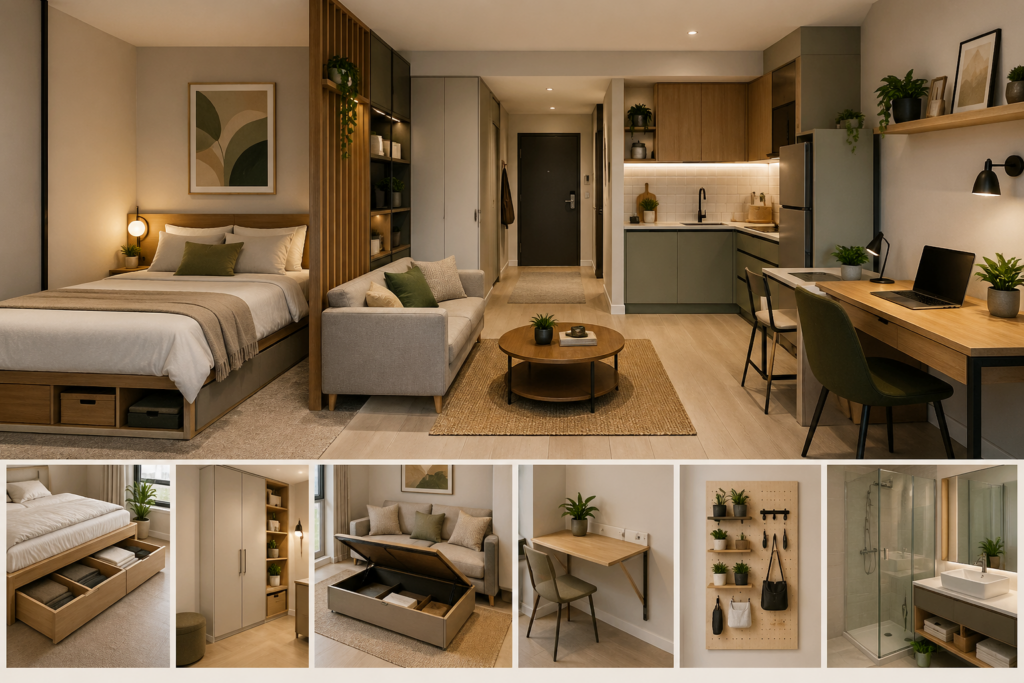

Designing a studio apartment efficiently is both an exciting and challenging task. With limited square footage, every inch of space matters, and poor planning can quickly lead to clutter and discomfort. However, with the right strategies, even the smallest studio can be transformed into a stylish, functional, and comfortable living space.
Studio apartments are becoming increasingly popular in modern cities due to affordability and convenience. Whether you’re a student, working professional, or minimalist lifestyle enthusiast, mastering efficient design is key to making your space feel larger and more livable.
In this guide, you’ll learn practical and creative ways to optimize your studio apartment—from layout planning and furniture selection to lighting and décor—so you can achieve both functionality and aesthetic appeal.
Understanding Studio Apartment Layouts
A studio apartment is a single open space that combines the living room, bedroom, and kitchen into one area, often with a separate bathroom. Because there are no internal walls dividing these functions, thoughtful design becomes essential.
There are different types of studio layouts. A traditional open-plan studio is one large room, while an alcove studio includes a small nook that can be used as a sleeping area. Convertible studios are slightly larger and allow for flexible partitioning.
Understanding your specific layout helps you make better design decisions. Before adding furniture or décor, take time to observe how natural light flows, where windows are placed, and how movement happens within the space.
Planning Your Space Efficiently
Efficient design begins with proper planning. Start by measuring your apartment and creating a simple floor plan. This step helps you visualize how different elements will fit together.
Next, identify the essential zones you need—sleeping, living, dining, and possibly a workspace. Prioritize these areas based on your lifestyle. For example, if you work from home, your workspace should be more prominent.
Avoid the common mistake of buying furniture before planning. Instead, decide the layout first, then select furniture that fits your design. A well-thought-out plan ensures your studio remains organized and functional.
Zoning Without Walls
One of the biggest challenges in a studio apartment is creating separate areas without building walls. The solution lies in visual zoning.
Rugs are a simple yet effective way to define different zones. A rug under your sofa can mark the living area, while another near the bed distinguishes the sleeping space.
Open shelving units can act as dividers without blocking light. Curtains and folding screens provide flexibility, allowing you to create privacy when needed and open up the space when desired.
Glass partitions are another modern option. They maintain openness while subtly separating areas, making your studio feel more structured without appearing cramped.
Choosing Multi-Functional Furniture
In a studio apartment, furniture must serve more than one purpose. Multi-functional pieces are essential for saving space and enhancing usability.
A sofa bed is one of the most popular choices, allowing your living room to transform into a bedroom at night. Murphy beds are another excellent option, folding into the wall to free up space during the day.
Storage ottomans and benches provide hidden compartments for storing items like blankets, books, or seasonal clothing. Foldable tables and wall-mounted desks are ideal for dining or working without occupying permanent space.
By investing in versatile furniture, you maximize functionality without overcrowding your studio.
Smart Storage Solutions
Storage is often the biggest concern in small apartments. Without proper organization, even a well-designed studio can feel chaotic.
Vertical storage is a game changer. Installing shelves that extend up to the ceiling helps utilize unused wall space. This keeps your floor area open and makes the room feel larger.
Under-bed storage is another effective solution. Use storage boxes or beds with built-in drawers to keep items neatly tucked away.
Hidden storage furniture, such as beds with compartments or coffee tables with storage, adds extra functionality. Additionally, adopting a minimalist mindset—keeping only what you truly need—can significantly reduce clutter.
Maximizing Natural Light
Natural light plays a crucial role in making a studio apartment feel spacious and inviting. Dark, poorly lit spaces tend to feel smaller and more confined.
Use sheer curtains instead of heavy drapes to allow sunlight to flow freely. Avoid placing bulky furniture near windows, as it can block light and disrupt the openness of the space.
Mirrors are a powerful tool for enhancing light. Placing a mirror opposite a window reflects sunlight and creates the illusion of a larger room.
A bright, airy environment not only improves aesthetics but also boosts mood and productivity.
Color Palette and Visual Tricks
The choice of colors can dramatically impact how your studio apartment feels. Light and neutral shades such as white, beige, and soft pastels help create an open and airy atmosphere.
While it’s tempting to experiment with bold colors, it’s best to use them sparingly. An accent wall or colorful décor pieces can add personality without overwhelming the space.
Consistency in color flow is important. Using too many contrasting colors can make the apartment feel cluttered. Instead, stick to a cohesive palette for a clean and harmonious look.
Mirrors, glossy finishes, and reflective surfaces further enhance the perception of space, making your studio appear larger than it actually is.
Lighting Design for Studio Apartments
Good lighting is essential for both functionality and ambiance. In a studio apartment, layered lighting works best.
Ambient lighting provides overall illumination, while task lighting focuses on specific activities like reading or cooking. Accent lighting adds depth and highlights décor elements.
Wall-mounted lights and pendant lights are ideal for saving space. Avoid large floor lamps that take up valuable floor area.
Smart lighting solutions, such as adjustable brightness and color temperature, allow you to adapt the atmosphere according to your needs throughout the day.
Kitchen and Dining Optimization
The kitchen in a studio apartment is usually compact, so efficient organization is key. Keep countertops clutter-free by using wall-mounted racks, hooks, and magnetic strips for utensils.
Vertical storage can also be applied in the kitchen. Install cabinets or shelves above counters to maximize storage.
For dining, consider foldable or extendable tables. These can be tucked away when not in use, freeing up space for other activities.
A well-organized kitchen not only improves functionality but also enhances the overall appearance of your studio.
Creating a Comfortable Sleeping Area
Even in a studio apartment, your sleeping area should feel like a distinct and relaxing zone. Position your bed in a way that offers some level of privacy, such as near a corner or alcove.
Using curtains, screens, or shelving units can help separate the sleeping space from the rest of the apartment. This creates a sense of structure and improves comfort.
Choose bedding that complements your overall color scheme to maintain visual harmony. Keeping this area clean and uncluttered contributes to better sleep quality and a more peaceful environment.
Work-from-Home Setup in a Studio
With remote work becoming more common, having a dedicated workspace is important—even in a small apartment.
A wall-mounted desk or a compact table can serve as an efficient workstation. Pair it with an ergonomic chair to ensure comfort during long working hours.
Try to keep your workspace visually separate from your relaxation areas. This helps maintain a healthy work-life balance, even within a single room.
Proper lighting and organization in your workspace can boost productivity and reduce distractions.
Decor and Personalization
Decorating a studio apartment is about finding the right balance between style and simplicity. Too many decorative items can make the space feel crowded.
Choose a few statement pieces, such as artwork or a unique light fixture, to add personality. Indoor plants are a great addition, bringing freshness and a natural touch to your home.
Wall décor is especially useful in small spaces, as it doesn’t occupy floor area. However, avoid over-decorating—less is often more when it comes to studio apartments.
Common Mistakes to Avoid
Designing a studio apartment comes with its own set of challenges, and certain mistakes can reduce efficiency.
Overcrowding the space with furniture is one of the most common issues. Always prioritize functionality over quantity.
Ignoring vertical space leads to missed storage opportunities. Poor lighting choices can make the apartment feel dull and cramped.
Using too many colors or styles creates visual chaos. Instead, aim for a cohesive and minimal design approach.
Budget-Friendly Studio Apartment Design Tips
Designing efficiently doesn’t have to be expensive. There are plenty of budget-friendly solutions to enhance your space.
DIY décor projects can add a personal touch without high costs. Repurposing existing furniture is another great way to save money.
Look for affordable multi-functional furniture and shop smart by comparing options before purchasing. Small upgrades, such as new lighting or textiles, can make a big difference without breaking the budget.
If you’re looking for professional guidance, consulting an interior design company in bangalore can provide expert insights tailored to small-space living.
Conclusion
Designing a studio apartment efficiently is all about smart planning, creative thinking, and intentional choices. By focusing on multi-functional furniture, effective zoning, proper lighting, and minimal décor, you can transform even the smallest space into a comfortable and stylish home.
The key is to strike a balance between functionality and aesthetics. Every element in your studio should serve a purpose while contributing to the overall design.
With the right approach, your studio apartment can feel spacious, organized, and uniquely yours—proving that great design isn’t about size, but about how you use the space.