
How to Mix Functionality and Aesthetics in Home Design: A Complete Guide for Modern Living
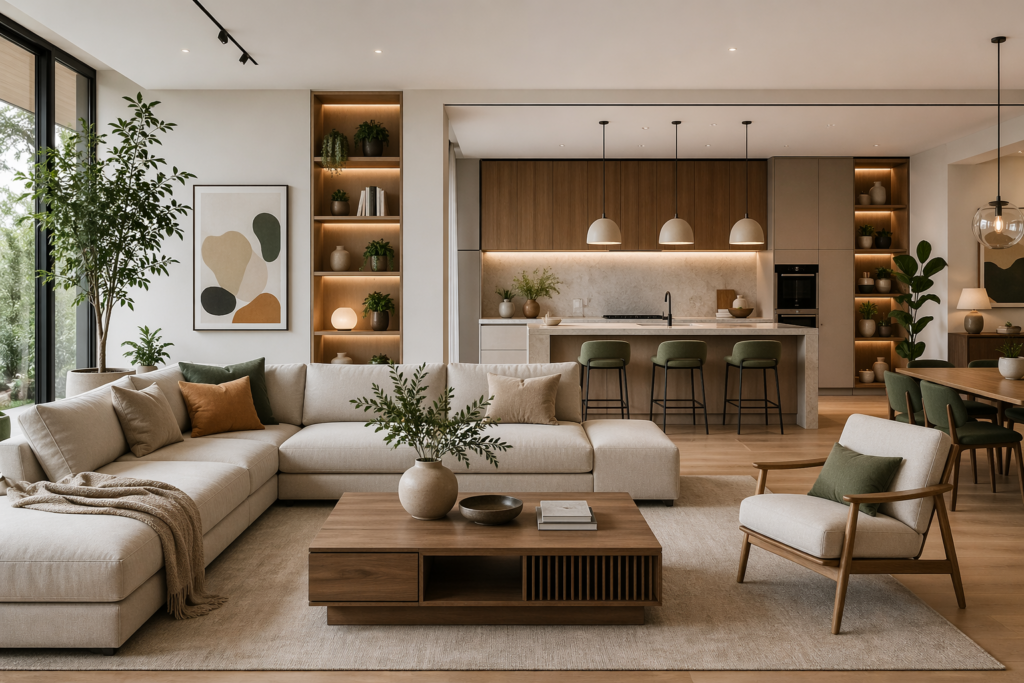

In today’s fast-paced world, a home is no longer just a place to live—it is a space that must reflect personality, provide comfort, and support everyday activities efficiently. This is why homeowners are increasingly looking for ways to strike the perfect balance between functionality and aesthetics in home design. While aesthetics focus on visual appeal and style, functionality ensures that every element serves a purpose and enhances usability.
However, achieving this balance is not always straightforward. A home that looks stunning in pictures may not always be practical for daily living, while a highly functional space may sometimes lack visual charm. The real art lies in blending both seamlessly to create a home that is not only beautiful but also livable.
This comprehensive guide will walk you through the principles, strategies, and expert insights needed to master the art of combining functionality with aesthetics in your home design.
Understanding the Balance Between Functionality and Aesthetics
What is Functional Design?
Functional design revolves around usability, efficiency, and comfort. It ensures that every space, piece of furniture, and design element serves a clear purpose. A functional home is one where movement is effortless, storage is sufficient, and daily activities can be performed without inconvenience.
For example, a well-designed kitchen follows the work triangle concept, allowing easy movement between the stove, sink, and refrigerator. Similarly, ergonomic furniture in a home office ensures comfort during long working hours. Functional design is not just about practicality; it also contributes to reducing stress and improving overall quality of life.
What is Aesthetic Design?
Aesthetic design focuses on how a space looks and feels. It includes elements such as color schemes, textures, materials, lighting, and decorative accents. Aesthetics create the mood and atmosphere of a home, influencing emotions and perceptions.
A beautifully designed living room with coordinated colors, elegant furniture, and thoughtfully chosen décor can evoke a sense of warmth and sophistication. Aesthetic design allows homeowners to express their personality and style, making the space uniquely theirs.
Why Both Are Equally Important
A home that prioritizes aesthetics alone may look appealing but can quickly become impractical. For instance, a minimalist living room with insufficient seating may not accommodate guests comfortably. On the other hand, a purely functional home may feel dull and uninspiring.
Balancing both ensures that your home is visually pleasing while also meeting your daily needs. It enhances comfort, improves efficiency, and increases the overall value of the property. This harmony is what defines truly great interior design.
Key Principles to Combine Functionality and Aesthetics
Start with Purpose-Driven Design
Every successful home design begins with understanding how each space will be used. Purpose-driven design focuses on aligning the layout and elements of a room with the lifestyle of its occupants.
Lifestyle Assessment
Before designing, consider your daily routines, family size, work habits, and hobbies. A family with children may require durable materials and ample storage, while a working professional might prioritize a dedicated home office.
Defining Room Functions
Each room should have a clearly defined purpose. For instance, a living room may serve as a social space, while a bedroom should promote relaxation. When the purpose is clear, it becomes easier to choose the right furniture, layout, and décor.
Smart Space Planning
Space planning is the backbone of functional and aesthetic design. It ensures that the available area is used efficiently without compromising visual appeal.
Open vs. Segmented Layouts
Open layouts create a sense of spaciousness and improve natural light flow, making them ideal for modern homes. However, segmented layouts offer privacy and better organization. The choice depends on your needs and preferences.
Optimizing Small Spaces
In compact homes, every inch matters. Using vertical storage, foldable furniture, and multifunctional pieces can help maximize space without making it feel crowded.
Creating Multi-Functional Zones
Modern homes often require spaces to serve multiple purposes. For example, a living room can double as a workspace, or a dining area can function as a study zone. Thoughtful zoning ensures both efficiency and style.
Choose Furniture That Works Hard
Furniture plays a crucial role in balancing functionality and aesthetics. The right pieces can enhance usability while elevating the overall design.
Multi-Functional Furniture
Furniture that serves more than one purpose is ideal for modern homes. Sofa-cum-beds, storage ottomans, and extendable dining tables are excellent examples.
Ergonomics Meets Style
Comfort should never be compromised for style. Ergonomic chairs, well-cushioned sofas, and appropriately sized beds ensure that your home remains comfortable while looking stylish.
Scale and Proportion
Choosing furniture that fits the size of the room is essential. Oversized furniture can make a space feel cramped, while undersized pieces may look out of place.
Focus on Storage Without Clutter
Storage is a key aspect of functional design, but it should not disrupt the visual harmony of a space.
Hidden Storage Solutions
Built-in cabinets, under-bed storage, and concealed shelves help keep clutter out of sight, maintaining a clean and organized look.
Modular Units
Modular wardrobes and kitchen units offer flexibility, allowing you to customize storage according to your needs while maintaining a sleek appearance.
Minimalism with Purpose
Minimalist design emphasizes simplicity, but it should not come at the cost of practicality. The goal is to reduce unnecessary items while ensuring essential storage.
Design Elements That Blend Beauty with Utility
Lighting: The Perfect Combination
Lighting is one of the most powerful tools in interior design, influencing both functionality and aesthetics.
Layered Lighting Approach
A combination of ambient, task, and accent lighting ensures that a space is well-lit and visually appealing. Task lighting is essential for activities like reading or cooking, while ambient lighting creates a comfortable atmosphere.
Statement Fixtures
Chandeliers, pendant lights, and designer lamps can act as focal points, adding character to a room while providing illumination.
Natural Light Optimization
Maximizing natural light not only reduces energy consumption but also enhances the overall look and feel of a space. Large windows, mirrors, and light-colored walls can help achieve this.
Color Schemes That Enhance Functionality
Colors play a significant role in defining both the functionality and aesthetics of a space.
Light Colors for Small Spaces
Light shades make a room appear larger and more open, making them ideal for compact homes.
Accent Walls
Adding an accent wall can create visual interest without overwhelming the space.
Psychological Impact of Colors
Different colors evoke different emotions. For example, blue promotes calmness, while yellow adds energy. Choosing the right colors can enhance both mood and functionality.
Materials That Are Both Durable and Stylish
Selecting the right materials ensures longevity while maintaining visual appeal.
Durability and Maintenance
Materials like engineered wood, laminates, and quartz are not only stylish but also easy to maintain, making them suitable for everyday use.
Sustainable Choices
Eco-friendly materials such as bamboo and recycled wood are gaining popularity for their environmental benefits and aesthetic appeal.
Textures and Layers
Adding textures and layers can bring depth and richness to a space without compromising functionality.
Mixing Materials
Combining different materials like wood, metal, and fabric creates a balanced and visually interesting design.
Avoiding Overcrowding
While layering is important, too many textures can make a space feel cluttered. The key is to maintain balance.
Room-by-Room Guide to Functional & Aesthetic Design
Living Room
The living room is often the most used space in a home, making it essential to balance comfort and style. Comfortable seating, a well-designed entertainment unit, and a focal point such as a feature wall or artwork can create a harmonious environment.
Kitchen
A functional kitchen is one where movement is seamless and tasks can be performed efficiently. Modular designs, smart storage solutions, and easy-to-clean surfaces ensure practicality, while stylish finishes enhance aesthetics.
Bedroom
The bedroom should be a sanctuary of comfort and relaxation. Soft lighting, cozy bedding, and smart storage solutions contribute to functionality, while soothing colors and elegant décor enhance aesthetics.
Bathroom
Bathrooms should combine practicality with elegance. Space-saving fixtures, durable materials, and efficient storage solutions ensure functionality, while modern finishes and lighting add a touch of luxury.
Home Office
With remote work becoming more common, a well-designed home office is essential. Ergonomic furniture, adequate lighting, and a clutter-free environment enhance productivity while maintaining visual appeal.
Common Mistakes to Avoid
Overcrowding with Décor
Too many decorative elements can make a space feel cluttered and reduce functionality. It is important to strike a balance between decoration and usability.
Ignoring Storage Needs
Insufficient storage leads to clutter, which can disrupt both aesthetics and functionality.
Choosing Style Over Comfort
While trendy furniture may look appealing, it should also be comfortable and practical for everyday use.
Poor Lighting Planning
Inadequate lighting can affect both the usability and ambiance of a space. Proper planning is essential.
Latest Trends in Functional Aesthetic Design
Minimalist Interiors
Minimalism focuses on simplicity, clean lines, and purposeful design, making it a perfect blend of functionality and aesthetics.
Smart Homes
Technology integration allows homeowners to control lighting, temperature, and security, enhancing both convenience and style.
Sustainable Design
Eco-friendly materials and energy-efficient solutions are becoming increasingly popular, offering both practical and aesthetic benefits.
Multi-Functional Spaces
With space becoming a premium, multi-functional areas are a key trend in modern home design.
Tips from Experts
Achieving the perfect balance between functionality and aesthetics requires careful planning and attention to detail. Personalizing your space, investing in quality materials, and working with professionals can make a significant difference. If you are looking for expert guidance, collaborating with an interior design company in bangalore can help you create a home that reflects your lifestyle while maintaining both beauty and practicality.
Conclusion
Mixing functionality and aesthetics in home design is not just about creating a visually appealing space—it is about enhancing the way you live. By carefully considering your needs, planning your layout, and choosing the right elements, you can create a home that is both beautiful and practical.
A well-balanced design improves comfort, boosts efficiency, and adds long-term value to your home. Whether you are designing a new space or renovating an existing one, the key is to find harmony between form and function.