
How to Refresh Your Interiors Without Changing Furniture
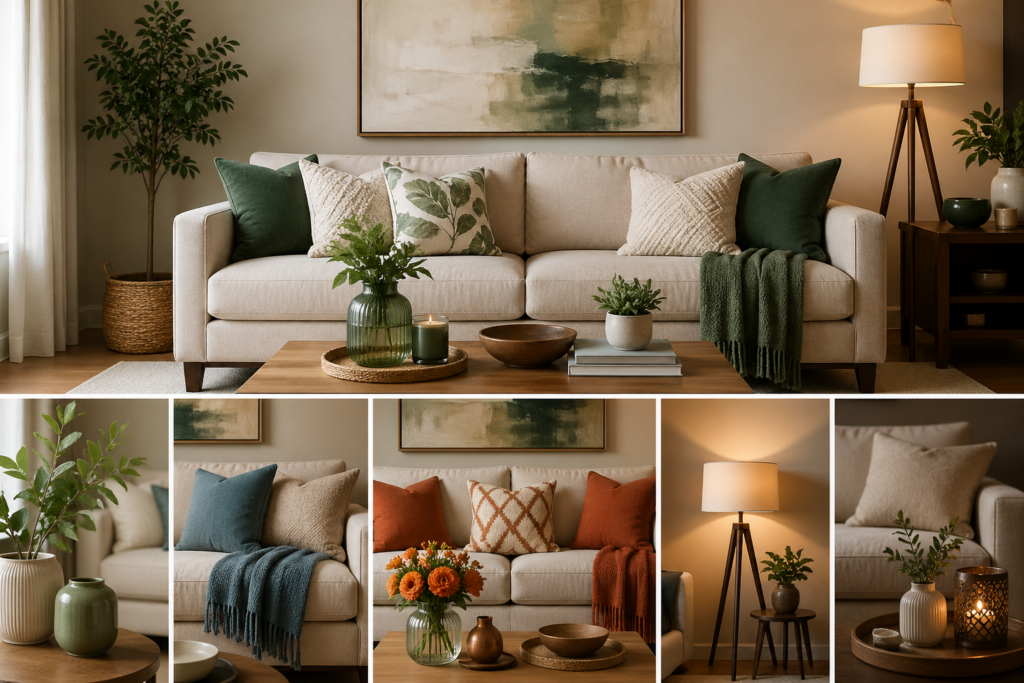

Refreshing your home interiors doesn’t always require a complete overhaul or expensive new furniture. In fact, some of the most impactful transformations come from thoughtful design tweaks, clever styling, and a fresh perspective on what you already own. Many homeowners assume that a new look demands a new sofa, dining table, or bed—but the truth is, your existing furniture can serve as a strong foundation for a beautifully updated space.
Whether you’re working with a limited budget, want to embrace a more sustainable lifestyle, or simply love your current furniture, there are countless ways to breathe new life into your interiors. From playing with color and lighting to rearranging layouts and upgrading décor elements, this guide will walk you through every strategy you need to completely refresh your home—without replacing a single piece of furniture.
Why Refresh Instead of Replace?
Before diving into design strategies, it’s important to understand why refreshing your interiors is often a smarter choice than replacing furniture altogether. This approach is not just about saving money—it’s about making intentional, creative decisions that enhance your space while preserving its character.
Budget-Friendly Design Approach
One of the biggest advantages of refreshing your interiors is cost-effectiveness. Buying new furniture can quickly become expensive, especially when you’re furnishing multiple rooms. By contrast, updating elements like paint, textiles, and décor allows you to achieve a completely new look at a fraction of the cost. Even small changes, such as new cushion covers or updated lighting, can dramatically shift the feel of a room without straining your budget.
Sustainable Interior Design Choice
In today’s world, sustainability is more important than ever. Replacing furniture contributes to waste and increases your carbon footprint, especially when old pieces are discarded. Refreshing your interiors instead supports eco-conscious living by reducing waste and making better use of existing resources. It’s a practical way to align your home design with environmentally responsible values.
Retain Emotional Value
Furniture often holds sentimental value—whether it’s a family heirloom, a custom-made piece, or something you’ve grown attached to over time. Refreshing your interiors allows you to preserve these meaningful items while still evolving your home’s aesthetic. This balance between old and new creates a space that feels both personal and updated.
Transform Your Space with Color Updates
Color is one of the most powerful tools in interior design. It has the ability to completely transform the mood and perception of a space without requiring structural changes.
Repaint Walls for Instant Impact
A fresh coat of paint can instantly revitalize any room. Light, neutral shades like beige, off-white, and soft greys can make a space feel larger and more open, while bold colors like navy blue, forest green, or terracotta add depth and personality. Accent walls are particularly effective if you want to experiment with color without committing to an entire room makeover.
Use Wallpapers & Wall Panels
Wallpapers have made a major comeback in modern interiors. From subtle textures to bold patterns, they offer endless possibilities for customization. Peel-and-stick wallpapers are especially popular among renters because they are easy to apply and remove. Wall panels, on the other hand, add dimension and sophistication, making your interiors look more refined and luxurious.
Add Color Through Soft Furnishings
If repainting isn’t an option, you can introduce color through soft furnishings like cushions, throws, and rugs. These elements are easy to swap out and allow you to update your interiors seasonally. Mixing different colors, patterns, and textures creates a layered, designer look that feels both dynamic and cohesive.
Lighting – The Most Underrated Game-Changer
Lighting plays a crucial role in how a space looks and feels. Yet, it is often overlooked when refreshing interiors.
Layered Lighting Techniques
A well-lit room uses a combination of ambient, task, and accent lighting. Ambient lighting provides overall illumination, task lighting focuses on specific activities, and accent lighting highlights decorative features. Layering these types of lighting creates depth and makes your interiors more functional and visually appealing.
Replace Lampshades or Bulbs
Sometimes, even a small change like replacing a lampshade can make a noticeable difference. Switching from cool white bulbs to warm lighting can instantly make your home feel cozier and more inviting. Decorative bulbs or unique lampshades can also act as statement pieces.
Use Statement Lights
Adding a statement light fixture—such as a pendant light or a floor lamp—can become the focal point of a room. It draws attention upward and enhances the overall design without altering your furniture.
Rearranging Furniture for a Fresh Perspective
You don’t need new furniture to create a new look—sometimes, all it takes is rearranging what you already have.
Create Better Layout Flow
Repositioning furniture can improve movement within a room and make the space feel more open. Avoid pushing all furniture against the walls; instead, experiment with floating arrangements that encourage conversation and balance.
Try Different Room Focal Points
Most living rooms are centered around a television, but shifting the focus to a window, artwork, or a decorative wall can dramatically change the atmosphere. This simple adjustment helps your space feel more intentional and thoughtfully designed.
Use Zoning Techniques
In open-plan spaces, furniture placement can define different zones, such as a seating area, dining area, or workspace. Rugs, lighting, and layout changes can help establish these zones without adding new furniture.
Upgrade Soft Decor Elements
Soft décor elements have a huge influence on the overall look and feel of your interiors.
Curtains & Drapes Make a Huge Difference
Changing your curtains can instantly elevate a room. Floor-length curtains create a sense of height and elegance, while sheer fabrics allow natural light to flow in, making the space feel brighter and more spacious.
Rugs to Define and Elevate Spaces
Rugs anchor your furniture and define specific areas within a room. Choosing the right size is crucial—a rug that’s too small can make a space feel disjointed. Layering rugs is another trend that adds depth and visual interest.
Cushion Styling Techniques
Cushions are an easy and affordable way to refresh your interiors. Mixing different sizes, textures, and patterns creates a curated look that feels stylish and inviting.
Wall Décor & Art Styling
Walls are often underutilized, yet they offer immense potential for transformation.
Create a Gallery Wall
A gallery wall allows you to showcase artwork, photographs, and prints in a cohesive arrangement. Mixing different frame styles and sizes adds character and makes your space feel personalized.
Use Mirrors to Enhance Space
Mirrors reflect light and create the illusion of a larger space. Placing a mirror opposite a window maximizes natural light and makes the room feel brighter and more open.
Add Statement Art Pieces
A single oversized artwork can act as a focal point and elevate the entire room. It’s a simple yet impactful way to refresh your interiors.
Bring Nature Indoors
Natural elements add warmth, freshness, and a sense of calm to your home.
Indoor Plants for Freshness
Plants not only improve air quality but also bring life into your interiors. Low-maintenance options like snake plants, pothos, or succulents are perfect for beginners.
Natural Materials & Textures
Incorporating materials like wood, jute, and rattan adds texture and creates a more organic feel. These elements work well with almost any design style.
Declutter & Restyle Like a Designer
Sometimes, the best way to refresh your interiors is to remove what’s not needed.
Minimalism for Instant Upgrade
Decluttering creates a clean and organized environment that instantly feels more spacious and calming. It also allows your existing furniture and décor to stand out.
Styling Surfaces (Coffee Tables, Shelves)
Professional designers often use the “rule of three” when styling surfaces. Grouping items like books, candles, and decorative objects in odd numbers creates a balanced and visually appealing arrangement.
Hidden Storage Solutions
Using baskets, organizers, and storage boxes helps keep clutter out of sight while maintaining a neat appearance.
Add Fragrance & Sensory Elements
Interior design is not just about visuals—it’s also about how a space feels.
Use Scented Candles & Diffusers
Fragrance plays a powerful role in setting the mood. Fresh, floral, or woody scents can make your home feel more inviting and luxurious.
Incorporate Textures
Layering textures through fabrics like velvet, cotton, and wool adds depth and creates a cozy atmosphere.
Small DIY Changes with Big Impact
Even minor updates can make a significant difference in your interiors.
Change Hardware & Handles
Replacing cabinet handles, drawer knobs, or door hardware is a quick and affordable way to modernize your space.
Update Slipcovers or Upholstery
Slipcovers can give your sofa or chairs a completely new look without the cost of reupholstering or replacing them.
Decorative Accessories Swap
Switching out decorative items like vases, trays, or table accents helps keep your interiors fresh and updated.
Seasonal Styling for Year-Round Freshness
Adapting your décor to different seasons keeps your home feeling dynamic and new.
Summer vs Winter Interior Looks
Light fabrics, bright colors, and airy layouts work well in summer, while winter calls for warmer tones, cozy textiles, and layered styling.
Festive Décor Updates
Festivals and celebrations are the perfect time to refresh your interiors with themed décor, lighting, and accessories.
Common Mistakes to Avoid
While refreshing your interiors, it’s important to avoid common design mistakes. Overcrowding a space with too many decorative elements can make it feel cluttered rather than stylish. Ignoring lighting balance may result in a dull or harsh atmosphere. Mismatched color schemes can disrupt visual harmony, and choosing décor without a clear theme often leads to inconsistency.
When to Call a Professional Interior Designer
While DIY updates can go a long way, there are times when professional expertise makes all the difference. If you’re struggling with layout planning, color coordination, or achieving a cohesive design, consulting an expert can save time and effort. A professional can bring a fresh perspective and help you maximize your space effectively. If you’re looking for expert guidance, working with an interior design company in bangalore can help you achieve a refined and well-balanced interior without unnecessary expenses.
Conclusion
Refreshing your interiors without changing furniture is not only possible but incredibly rewarding. It encourages creativity, promotes sustainability, and helps you make the most of what you already have. From simple color updates and lighting changes to thoughtful styling and rearrangement, each step contributes to a space that feels new, functional, and beautiful.
Instead of focusing on what you need to buy, shift your mindset to how you can transform. With the right approach, even the smallest changes can create a significant impact—turning your home into a refreshed, inspiring space you truly love.