
Vastu Tips for Modern Interior Designz: Creating Harmony in Contemporary Homes
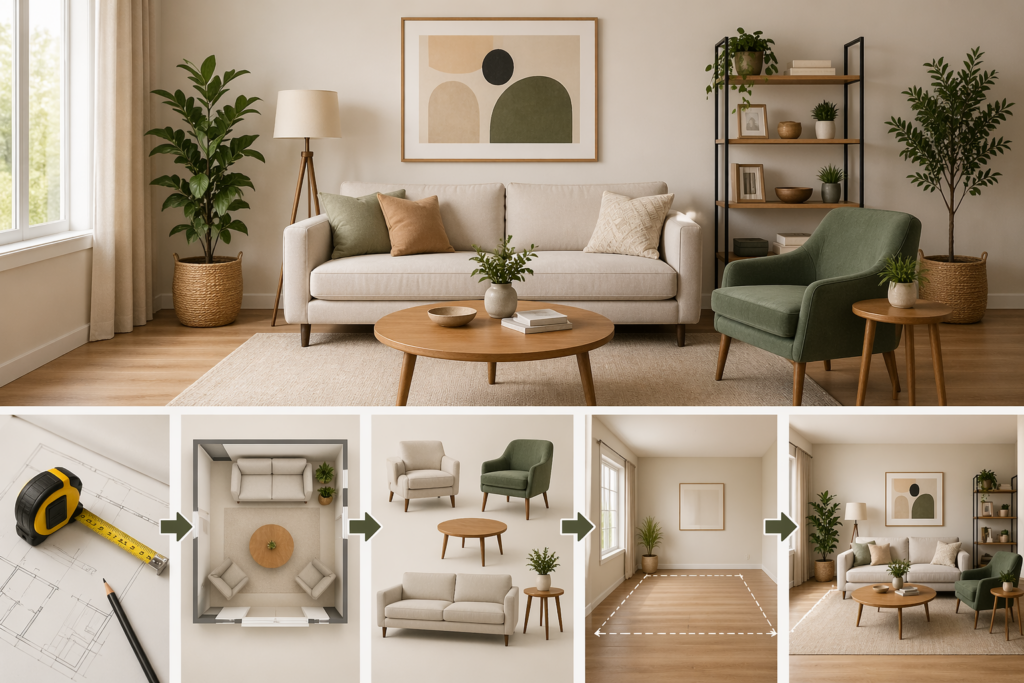
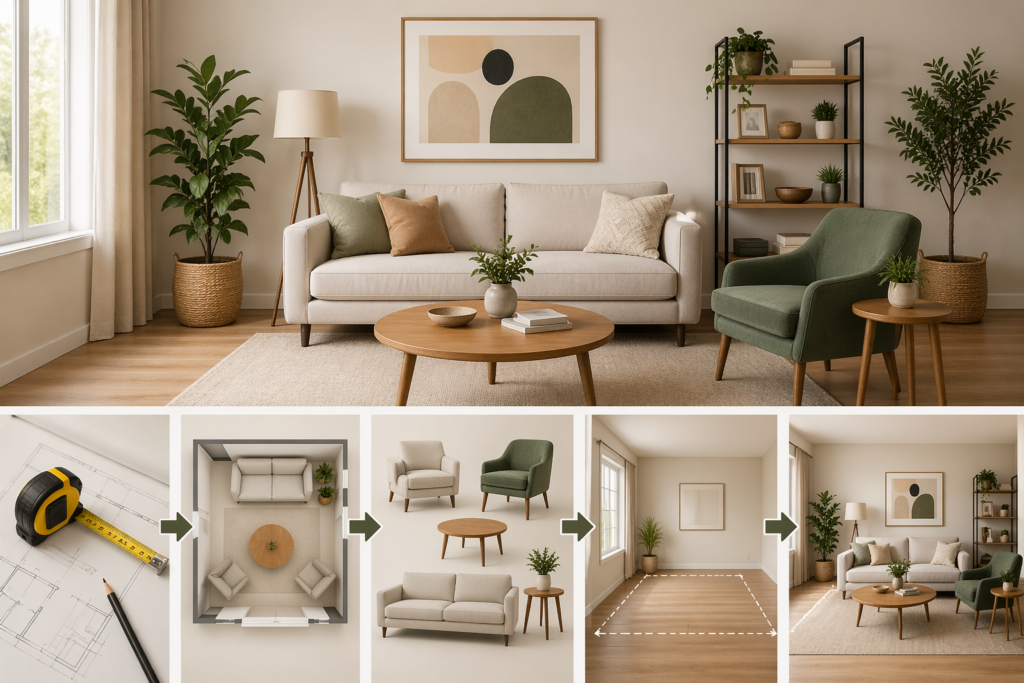

Selecting furniture is not just about picking pieces that look good in a showroom—it’s about creating a space that feels comfortable, functional, and visually balanced in your home. Many homeowners struggle with issues like oversized sofas that overwhelm the room, tiny tables that feel out of place, or cluttered layouts that restrict movement. These problems usually arise from a lack of planning rather than poor taste.
When furniture fits your space perfectly, it transforms your home into a harmonious environment where every element serves a purpose. It improves flow, enhances comfort, and elevates the overall aesthetic. This guide will walk you through every aspect of choosing furniture—from measuring your space to final placement—so you can make confident, informed decisions.
Understand Your Space Before Buying Furniture
Measure Everything Accurately
The foundation of selecting the right furniture begins with precise measurements. Without knowing your room dimensions, even the most beautiful furniture can end up being impractical. Start by measuring the length and width of the room using a measuring tape. Note down the ceiling height as well, especially if you’re considering tall wardrobes, cabinets, or shelving units.
Don’t stop at just the room. Measure doorways, hallways, and staircases to ensure the furniture can actually be brought inside. Many people overlook this step and face unnecessary hassles during delivery.
Also, take into account windows and their placement. Furniture should not block natural light or ventilation. Proper measurements help you avoid costly mistakes and ensure every piece fits seamlessly.
Analyze the Layout
Once you have the measurements, the next step is understanding how your space is structured. Identify the focal point of each room. In a living room, it could be a TV unit or a feature wall. In a bedroom, it’s typically the bed. In a dining area, the table becomes the center of attention.
Also, consider fixed elements such as columns, electrical outlets, doors, and windows. These elements will influence where furniture can be placed. Creating a rough floor plan—either on paper or digitally—can help you visualize the arrangement before making any purchases.
Consider Traffic Flow
A well-designed space allows easy movement without obstruction. Ideally, there should be at least 2 to 3 feet of walking space between major furniture pieces. This ensures that the room feels open and accessible rather than cramped.
Avoid placing furniture in pathways or near doorways where it could interrupt movement. Think about how people will move through the space daily. Good traffic flow is essential for both comfort and functionality.
Choose Furniture Based on Room Function
Living Room Furniture Selection
The living room is often the most used space in a home, making it crucial to choose furniture that balances comfort and proportion. Start with the sofa, as it is usually the largest piece. Ensure its size complements the room—neither too bulky nor too small.
A coffee table should be about two-thirds the length of the sofa and positioned at a comfortable distance for easy access. TV units should align with the viewing height and not overpower the room. Storage units can be added, but they should not make the space feel crowded.
Bedroom Furniture Essentials
In the bedroom, the bed is the focal point. Choosing the right size depends on both the room dimensions and your lifestyle. A king-size bed may feel luxurious, but in a small room, it can limit movement.
Wardrobes should be placed where they are easily accessible without blocking pathways. Sliding doors are a great option for compact spaces. Side tables add functionality but should be proportionate to the bed size.
Dining Area Planning
The dining area requires careful planning to ensure comfort during meals. The shape of the dining table plays a significant role. Rectangular tables work well in elongated spaces, while round tables are ideal for compact or square rooms.
Ensure there is enough space around the table for chairs to be pulled out comfortably. A clearance of at least 3 feet is recommended. This prevents the dining area from feeling cramped.
Home Office Considerations
With the rise of remote work, home offices have become essential. A desk should be large enough to accommodate your work essentials without clutter. Ergonomics is key—choose a chair that supports posture and a desk at the correct height.
Storage solutions like shelves or cabinets can help keep the workspace organized. Good lighting, both natural and artificial, is also crucial for productivity.
Focus on Proportion and Scale
Matching Furniture to Room Size
One of the most common mistakes is ignoring scale. Large furniture in a small room can make the space feel suffocating, while small furniture in a large room can look insignificant and disconnected.
The goal is to maintain balance. Each piece should complement the size of the room and other furniture items.
Visual Balance Techniques
Achieving visual balance involves distributing furniture in a way that feels harmonious. This can be done through symmetry—like placing identical chairs on either side of a sofa—or asymmetry, which creates a more dynamic look.
Mixing different sizes and shapes also adds interest while maintaining balance.
The Golden Ratio in Interior Design
Designers often use the concept of proportion, such as the golden ratio, to create visually pleasing spaces. While you don’t need to calculate exact ratios, understanding that furniture should relate proportionally to the room helps in making better choices.
Prioritize Functionality and Comfort
Multi-Functional Furniture
In modern homes, especially smaller ones, multi-functional furniture is a smart choice. Sofa beds, storage beds, and nesting tables help maximize space without compromising style.
These pieces are especially useful in compact apartments where every square foot matters.
Comfort Over Looks
While aesthetics are important, comfort should never be compromised. A stylish sofa that is uncomfortable will not serve its purpose. Always consider seat depth, cushion firmness, and ergonomics.
If possible, test furniture before purchasing to ensure it meets your comfort needs.
Storage Solutions
Storage is a critical aspect of furniture selection. Look for pieces that offer hidden storage, such as ottomans or beds with drawers. This helps keep the space organized and clutter-free.
Select the Right Style and Design
Match Your Interior Theme
Consistency in design creates a cohesive look. Whether your style is modern, traditional, or minimalist, your furniture should align with the overall theme of your home.
Mixing styles can work, but it requires careful planning to avoid a chaotic appearance.
Color Coordination
Color plays a significant role in how furniture fits into a space. Neutral tones create a calm and timeless look, while bold colors add personality.
Ensure that furniture colors complement the walls, flooring, and décor elements.
Material Selection
The choice of materials affects both aesthetics and durability. Wooden furniture offers warmth and longevity, while metal and glass provide a modern touch.
Consider maintenance as well—some materials require more care than others.
Smart Placement Tips for Perfect Fit
Living Room Layout Ideas
In the living room, furniture can be placed against walls or floated in the center depending on the space. L-shaped sofas work well in corners, while smaller seating arrangements suit compact areas.
Bedroom Arrangement
Position the bed in a way that allows easy access from both sides. Avoid placing it directly in line with the door for better privacy and comfort.
Wardrobes should be easily accessible without obstructing movement.
Small Space Hacks
For smaller spaces, vertical storage is a game-changer. Wall-mounted shelves, foldable furniture, and modular designs help maximize utility without occupying too much floor space.
Avoid Common Furniture Selection Mistakes
Many homeowners make the mistake of buying furniture without measuring their space. Others focus too much on style and ignore functionality. Overcrowding a room with too many pieces is another common issue.
Planning ahead and considering both aesthetics and practicality can help you avoid these pitfalls.
Budget Planning Without Compromising Quality
Where to Invest
Invest in essential furniture like sofas, beds, and dining tables, as these are used daily and need to be durable.
Where to Save
You can save on decorative items, side tables, and accessories, as they can be easily replaced or upgraded over time.
Long-Term Value
Cheap furniture may save money initially but often leads to higher replacement costs. Investing in quality pieces ensures durability and better long-term value.
Why Professional Interior Designers Make a Difference
Selecting furniture that fits perfectly requires a deep understanding of space planning, design principles, and functionality. Professional designers bring expertise that helps avoid costly mistakes and ensures optimal use of space.
They can provide customized solutions, create 3D visualizations, and guide you through the entire process. If you’re looking for expert guidance, working with an interior design company in bangalore can help you achieve a perfectly balanced and functional home.
Final Checklist Before Buying Furniture
Before making a purchase, ensure that you have measured your space accurately, planned the layout, considered functionality, matched the style, and set a budget. This checklist acts as a final filter to ensure you make the right decision.
Conclusion
Choosing furniture that fits your space perfectly is a blend of planning, creativity, and practicality. It’s not just about filling a room—it’s about creating an environment that enhances your lifestyle.
By understanding your space, focusing on proportion, prioritizing comfort, and making thoughtful design choices, you can transform any room into a well-balanced and inviting space.