
How to Set a Realistic Budget for Interior Design
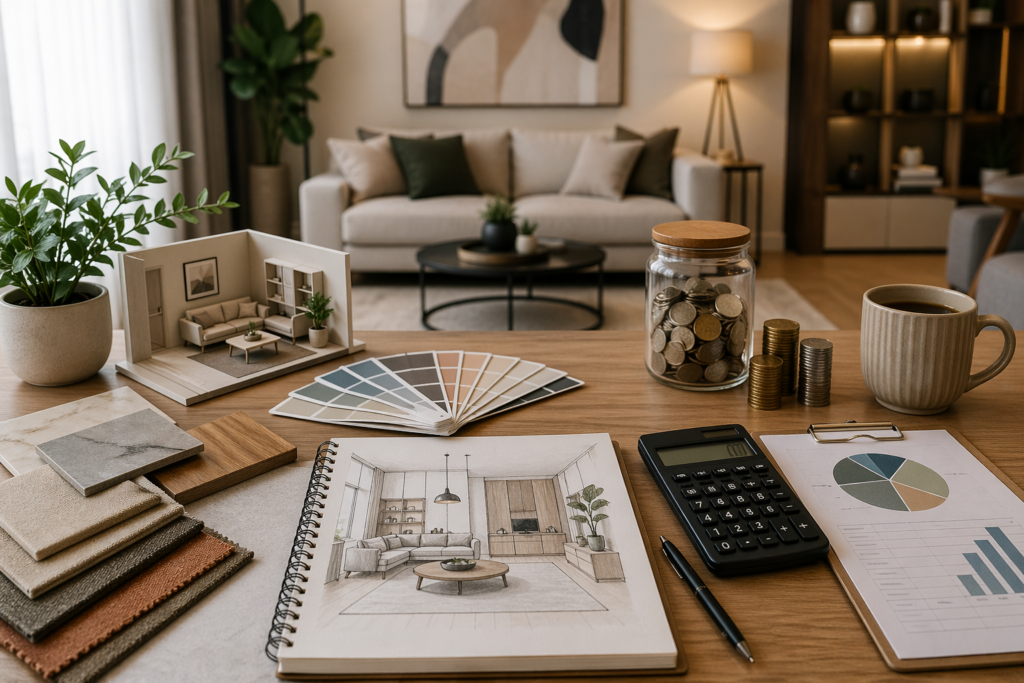

Designing your dream home is exciting, but without a clear financial plan, that excitement can quickly turn into stress. Many homeowners start with a vision—Pinterest boards, mood boards, and inspiration images—but overlook one critical factor: budgeting. Setting a realistic budget for interior design is the foundation of a successful project, ensuring that your ideas translate into a beautiful and functional space without financial strain.
At Avinnyya, we believe that great design doesn’t have to come with uncertainty or unexpected expenses. A well-structured budget allows you to make confident decisions, prioritize effectively, and achieve a cohesive look. Whether you’re designing a single room or an entire home, understanding how to plan and allocate your budget will help you avoid costly mistakes and keep your project on track.
Why Budget Planning is Crucial in Interior Design
A thoughtfully planned budget acts as a roadmap for your entire interior design journey. Without it, even the most well-intentioned projects can spiral out of control. Budget planning is not just about limiting expenses; it is about making informed decisions that align with your priorities and lifestyle.
When you establish a clear financial framework, you reduce the risk of overspending and eliminate guesswork. It also helps you communicate more effectively with designers, contractors, and vendors, ensuring everyone is aligned with your expectations. Moreover, a realistic budget allows you to allocate resources where they matter most, whether that’s investing in durable furniture, high-quality materials, or statement design elements.
Ultimately, budgeting empowers you to achieve a balance between aesthetics, functionality, and affordability—three pillars of successful interior design.
Step-by-Step Guide to Setting an Interior Design Budget
Step 1 – Define Your Goals and Scope
The first step in setting a realistic budget is understanding what you want to achieve. Are you redesigning your entire home, renovating a kitchen, or simply refreshing your living room? The scope of your project will significantly influence your budget.
Start by identifying your primary goals. Do you want a luxurious, high-end finish, or are you aiming for a budget-friendly yet stylish transformation? Consider your lifestyle needs as well. For example, a family with children may prioritize durability and storage, while a working professional might focus on aesthetics and comfort.
Clarity at this stage prevents unnecessary expenses later. When you know exactly what you need, you can allocate your budget more efficiently and avoid spending on elements that don’t add real value to your space.
Step 2 – Determine Your Total Budget Range
Once your goals are defined, the next step is to establish your total budget range. This involves assessing your financial capacity and deciding how much you are comfortable investing in your project.
A common guideline is to allocate a percentage of your property’s value toward interior design. However, this can vary depending on your priorities and the level of customization you desire. It’s important to differentiate between a fixed budget and a flexible one. A fixed budget sets strict limits, while a flexible budget allows room for adjustments if you decide to upgrade certain elements.
Being realistic at this stage is crucial. Overestimating your budget can lead to unnecessary spending, while underestimating it may result in compromises that affect the final outcome.
Step 3 – Break Down Costs into Categories
A lump sum budget can be overwhelming and difficult to manage. Breaking it down into categories gives you better control and visibility over your expenses.
Interior design costs typically include furniture, lighting, wall treatments, flooring, décor, and labor. Each category plays a vital role in shaping your space. Furniture often takes up a significant portion of the budget, especially if you opt for custom pieces. Lighting, on the other hand, can transform the ambiance of a room without requiring a massive investment.
Wall treatments such as paint, wallpaper, or textures add character, while flooring contributes to both aesthetics and durability. Décor and accessories complete the look, tying all elements together. Labor costs, including installation and contractor fees, should also be carefully accounted for, as they can vary based on complexity and location.
Step 4 – Allocate Budget Wisely
Not all elements of your interior design project require equal investment. Strategic allocation is key to achieving a high-end look without overspending.
Focus on areas that have the most impact and are used frequently. For instance, investing in a high-quality sofa or a well-designed kitchen can enhance both functionality and comfort. On the other hand, decorative items and trend-based elements can be more budget-friendly, as they are easier to update over time.
A popular approach is the 60-30-10 rule, where 60% of your budget goes toward essential elements, 30% toward secondary features, and 10% toward accents and décor. This ensures a balanced and cohesive design while keeping your expenses under control.
Step 5 – Add a Contingency Fund
No matter how well you plan, unexpected expenses are almost inevitable in interior design projects. This is why setting aside a contingency fund is essential.
A buffer of 10–20% of your total budget can help you handle unforeseen costs such as material price fluctuations, design changes, or additional labor requirements. Having this safety net ensures that your project continues smoothly without compromising on quality or design.
Understanding Cost Factors in Interior Design
Size of the Space
The size of your space directly impacts your budget. Larger areas require more materials, furniture, and labor, leading to higher costs. However, smaller spaces may demand creative solutions and custom designs, which can also increase expenses.
Material Selection
The choice of materials plays a significant role in determining your budget. Premium materials such as marble, hardwood, or designer finishes can elevate the look of your space but come at a higher cost. Budget-friendly alternatives, on the other hand, can offer similar aesthetics without compromising too much on quality.
Balancing quality and cost is essential. Investing in durable materials for high-traffic areas while opting for economical options elsewhere can help you stay within budget.
Design Complexity
The complexity of your design also affects the overall cost. Custom furniture, intricate false ceilings, and layered lighting designs require more time, expertise, and resources.
While these elements can enhance the visual appeal of your space, it’s important to evaluate whether they align with your budget and priorities. Simplifying certain aspects of your design can lead to significant cost savings without sacrificing style.
Location-Based Pricing
Interior design costs can vary depending on your location. Factors such as labor rates, material availability, and transportation costs influence pricing in different cities.
For instance, working with an experienced interior design company in bangalore can provide insights into regional pricing trends and help you make informed decisions while maintaining quality and efficiency.
Smart Tips to Stay Within Budget
Plan Before You Start
Proper planning is the cornerstone of budget management. Having a clear design plan reduces the likelihood of last-minute changes, which can be costly and time-consuming.
Get Multiple Quotes
Comparing quotes from different designers and vendors helps you understand market rates and identify the best value for your investment. It also ensures transparency and prevents overpricing.
Mix High and Low Elements
Combining premium and budget-friendly elements is a smart way to achieve a luxurious look without exceeding your budget. For example, pairing a statement piece of furniture with affordable décor can create a balanced and stylish space.
Reuse and Repurpose
Incorporating existing furniture or repurposing items can significantly reduce costs. This approach not only saves money but also adds a unique and personal touch to your interiors.
Track Expenses Regularly
Keeping track of your expenses ensures that you stay within your budget. Regular monitoring allows you to identify potential overspending early and make necessary adjustments.
Common Budgeting Mistakes to Avoid
One of the most common mistakes homeowners make is underestimating hidden costs. Expenses such as delivery charges, installation fees, and taxes can add up quickly. Over-customization is another pitfall, as it can significantly increase costs without adding proportional value.
Following trends blindly can also lead to unnecessary spending, especially on elements that may go out of style. Lastly, not consulting professionals can result in costly errors and inefficiencies.
How Avinnyya Helps You Stay Within Budget
At Avinnyya, we understand that every client has unique requirements and financial considerations. Our approach focuses on transparency, efficiency, and value-driven design.
We work closely with our clients to create customized budget plans that align with their vision and priorities. Our access to trusted vendors and skilled professionals ensures quality without unnecessary expenses. From concept to execution, we provide end-to-end support, helping you achieve your dream space within your budget.
Sample Interior Design Budget Breakdown (Example)
To give you a clearer perspective, consider a typical budget allocation for a 2BHK home. Furniture may account for around 30% of the budget, while the modular kitchen takes up approximately 20%. Wardrobes, lighting, décor, labor, and miscellaneous expenses make up the remaining portion.
This breakdown can vary depending on your preferences and project scope, but it provides a useful starting point for planning your budget.
Budget-Friendly Interior Design Ideas
Creating a beautiful home doesn’t always require a large budget. Minimalist design, for example, focuses on simplicity and functionality, reducing the need for excessive décor. Multifunctional furniture maximizes utility while saving space and money.
Neutral color palettes are not only timeless but also cost-effective, as they allow you to update your décor without major changes. DIY elements can further enhance your space while adding a personal touch.
When to Hire a Professional Interior Designer
While some homeowners prefer a DIY approach, hiring a professional interior designer can be a valuable investment. Designers bring expertise, creativity, and industry knowledge, helping you avoid costly mistakes and achieve a cohesive design.
They also have access to resources and networks that can save you time and money in the long run. If your project involves complex layouts, custom designs, or large-scale renovations, professional guidance can make a significant difference.
Conclusion
Setting a realistic budget for interior design is not just about numbers; it’s about making informed decisions that align with your vision and lifestyle. By defining your goals, breaking down costs, and allocating resources wisely, you can create a beautiful and functional space without financial stress.
With the right planning and guidance, your dream home is well within reach. Whether you’re starting from scratch or upgrading your existing space, a well-structured budget ensures a smooth and successful design journey.