
How to Use Trending Colors Without Overwhelming Your Space
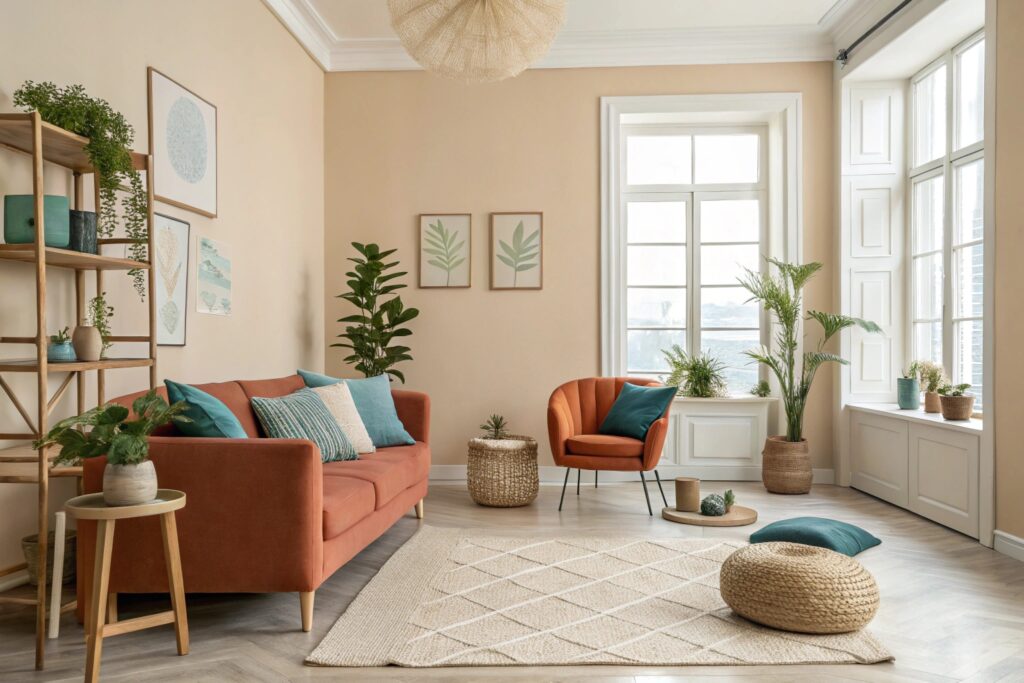

Color trends change every year—sometimes every season—and for many homeowners, keeping up with them may feel like chasing a moving target. There’s excitement in embracing fresh shades, but also the fear of committing to a color that may fade out quickly or overpower the space. This balance becomes especially important in modern Indian metros like Bangalore, where homes often blend minimalist design with warm, functional aesthetics.
That’s why interior design experts such as Avinnyya focus on creating color-forward homes that feel current yet timeless. Whether you’re decorating a compact city apartment, a spacious villa, or refreshing a corner of your living room, trending colors can elevate your space—when used thoughtfully.
Why Trending Colors Matter in Interior Design
Every year, global color institutes, paint brands, and design authorities release annual color predictions. These shades are influenced by cultural shifts, lifestyle patterns, and design innovations—from nature-inspired greens to bold jewel tones and modern pastels.
But color trends are more than fleeting ideas. They are reflections of collective moods and can bring freshness and relevance to your interiors. In Bangalore’s ever-evolving design culture—marked by global tastes and urban lifestyle—introducing trendy colors keeps your home from feeling outdated or monotonous.
The key is to remember that trending colors don’t always require repainting entire rooms or buying new furniture. Small, intentional touches can make just as much impact while keeping your space grounded and visually calm.
Start With a Neutral Base: Your Foundation for Flexibility
A neutral foundation is one of the smartest ways to adopt trending colors without committing to extremes. Neutrals—like beige, ivory, greige, taupe, charcoal, soft browns, or warm whites—create a timeless backdrop. They keep your room breathable, open, and easy to accessorize.
For compact Bangalore homes, a neutral base is especially effective because it creates the illusion of space and prevents visual clutter. Walls, ceilings, floors, and large furniture pieces such as sofas or wardrobes benefit most from these subtle tones.
Designers often rely on neutrals because they provide unmatched flexibility. Want to experiment with digital lavender this year and teal next year? A neutral base lets you swap out accents without redoing the whole room. It’s a foundation that evolves with your style.
Use Trending Colors as Accent Shades
Accent elements allow you to bring trendy colors into a space deliberately, tastefully, and reversibly.
Accent Walls
Instead of painting the entire room, choose one strategic wall to highlight. A deep emerald, muted terracotta, digital lavender, or ocean blue accent wall can instantly elevate the room’s mood. Accent walls work wonderfully behind a sofa, bed, or entertainment unit because they create depth and visual interest without overpowering the whole room.
Furniture Accents
Statement chairs, ottomans, sideboards, study tables, or even bar stools can become elegant vehicles for incorporating trending shades. Because furniture pieces are movable and replaceable, they offer a stylish yet low-risk way to experiment with colors.
Soft Furnishings
The easiest and most affordable approach? Soft furnishings.
Cushions, throws, rugs, quilts, curtains, and poufs can quickly transform the vibe of the room. For example:
- Mustard cushions add energy.
- Sage green curtains create calm.
- A teal or rust rug ties a warm color palette together.
Soft furnishings are perfect for renters or people who enjoy refreshing their space every few months.
Balance Bold Shades With Soft Textures
Bold colors like cobalt blue, emerald green, cinnabar red, mustard yellow, or peacock teal may look captivating, but using them without moderation can overwhelm the room. Balancing them with soft textures keeps the design grounded and harmonious.
Textures diffuse intensity. Materials like linen, cotton, boucle, jute, cane, and rattan absorb visual heaviness and make strong shades feel welcoming instead of dominant. For example:
- A rich teal sofa paired with linen cushions creates softness.
- A rust accent wall balanced with a jute rug feels earthy rather than loud.
- Mustard velvet chairs softened with neutral throws provide a luxurious yet calm look.
In tropical climates like Bangalore, texture doesn’t just soften color—it adds comfort, breathability, and tactile warmth.
Incorporate Trending Colors Through Décor and Artwork
Home décor pieces are some of the most versatile tools for integrating trending shades. They are replaceable, customizable, and endlessly expressive.
Artworks—whether canvas prints, framed photographs, or hand-painted pieces—can display multiple trendy tones in a single frame, creating richness without the commitment of repainting walls. Vases, sculptures, ceramic bowls, lampshades, candle stands, and handmade décor also make it easy to echo contemporary palettes.
Bangalore’s growing art culture means homeowners have access to local artists, curated galleries, and craft markets for unique color-rich pieces. A thoughtfully chosen piece of décor can become a trend-aligned statement without dominating the space.
Layering: The Secret to a Balanced Color Story
Layering colors prevents visual overload and creates harmony. Designers use a combination of shades categorized as:
- Dominant colors (60%): usually neutrals
- Secondary colors (30%): muted or earthy tones
- Accent colors (10%): trendy hues
This structure ensures balance. Instead of large color blocks competing for attention, shades work together to create rhythm and flow. For example:
A room with warm white walls (dominant), olive upholstery (secondary), and gold or teal decor (accent) feels cohesive and elegant.
Layering also allows for subtle sophistication. You can introduce trendy shades in whispers—through scatter cushions, gallery art, planters, or runners—without altering the essence of the space.
Lighting: The Game-Changer in Color Perception
Lighting dramatically changes how colors look. Natural, ambient, and artificial lights can all alter tones and depths.
Natural Light
Homes with large windows, typical of some Bangalore apartments and villas, support deeper colors like navy, bottle green, or maroon. Ample daylight dilutes heavy tones.
Artificial Lighting
Warm LED lighting softens bold colors and adds warmth. Cool white lighting enhances crisp colors but may make bright hues appear exaggerated.
Before committing to paint or large décor pieces, test them under different lighting conditions. A color that looks calm during the day may appear overpowering at night if poorly lit.
Combine Trending Colors With Timeless Elements
The trick to staying on trend without overwhelming your home is to blend modern colors with classic design elements.
Timeless interiors often incorporate:
- Wooden finishes
- Cane or rattan
- Stone or marble
- Neutral upholstery
- Brass, black, or chrome hardware
These evergreen materials provide stability and structure. When paired with trending hues—like terracotta cushions, lavender throws, olive cabinets, or cobalt artwork—they create interiors that feel fresh yet grounded.
Instead of redesigning your whole home with every color shift, timeless elements allow your interiors to absorb trends gracefully.
Use Trending Colors According to Room Function
Different spaces demand different moods. Trending colors should enhance—not interfere with—the purpose of the room.
Living Room
As a social and multifunctional space, the living room benefits from inviting yet balanced shades.
Try muted greens, sea blues, earthy terracottas, or mustard accents to create energy without overwhelming.
Bedroom
The bedroom is a sanctuary.
Soft tones—dusty rose, sage green, misty blue, sand beige—promote rest and calm. Use them in headboards, bedding, rugs, and lampshades.
Kitchen & Dining
Dining areas respond well to warm, appetizing tones like ochre, soft terracotta, or muted teal.
Use these shades in bar stools, crockery, kitchen backsplashes, or open-shelf décor.
Home Office
Productivity-friendly colors like sage, clay, muted blues, and earthy neutrals improve focus.
A feature wall or minimal desk décor can keep the space stylish yet efficient.
Don’t Follow Every Trend: Choose What Reflects Your Personality
Colors influence emotions. While trends offer fresh inspiration, your personal comfort should take priority. If a trendy color feels too bold, noisy, or simply “not you,” you don’t need to force it into your home.
Trends evolve, but your home is a long-term space. Select colors that align with your personality, habits, and emotional preferences. Working with professionals helps filter fleeting trends from lasting styles, ensuring your interiors feel intentionally curated, not influenced by impulse.
Easy, Low-Commitment Ways to Try Trending Colors
You don’t need a major renovation to experiment with trends. Try these low-risk options:
- Peel-and-stick wallpapers for accent corners
- Seasonal cushion covers
- Repaint planters, stools, or shelf accents
- Rotating wall art or framed prints
- Trendy lampshades or table décor
- Removable decals or backsplash stickers
These small swaps offer a quick refresh while keeping your home grounded and adaptable.
Case Studies: How Avinnyya Helps Homeowners Use Color Trends Effectively
1. A Vibrant Yet Airy Bangalore Living Room
The client wanted bold jewel tones but feared shrinking the space. Designers used a neutral base, added emerald and sapphire accents in cushions and art, and balanced them with natural textures. The result: a vibrant yet spacious feel.
2. Compact Indiranagar Home Office
The goal was to embrace sage green—a trending color—without darkening the small room. A soft green accent wall paired with light wooden shelves created a calm, productivity-friendly workspace.
3. Earthy-Chic Dining Space in a Villa
To incorporate terracotta (a major trend), only the dining chairs and pottery were updated. With beige walls and brass elements, the room achieved a warm, timeless character.
Sustainability & Trending Colors
A modern design trend is sustainability itself. When exploring trending colors, consider:
- Low-VOC or eco-friendly paints
- Natural fibers like jute, linen, cotton, and bamboo
- Handmade ceramics and local crafts
- Reusable décor and modular furniture
Choosing sustainable materials ensures your home looks beautiful and feels responsible. Many homeowners today seek eco-conscious design solutions that blend longevity with style.
Conclusion
Trending colors can elevate your home, refresh your interiors, and showcase your personality—when used thoughtfully. By grounding your rooms with neutral bases, adding trend colors through accents, balancing boldness with texture, considering lighting, choosing colors based on room function, and combining contemporary shades with timeless materials, you can enjoy the best of both worlds.
Remember, you don’t need a dramatic overhaul each year. Small, strategic design choices can keep your home beautifully updated. For a personalized, trend-smart, and balanced color strategy tailored to your lifestyle and space, the designers at Avinnyya can help transform your ideas into stunning, harmonious spaces.