
Interior Design Checklist Before Moving Into a New Home
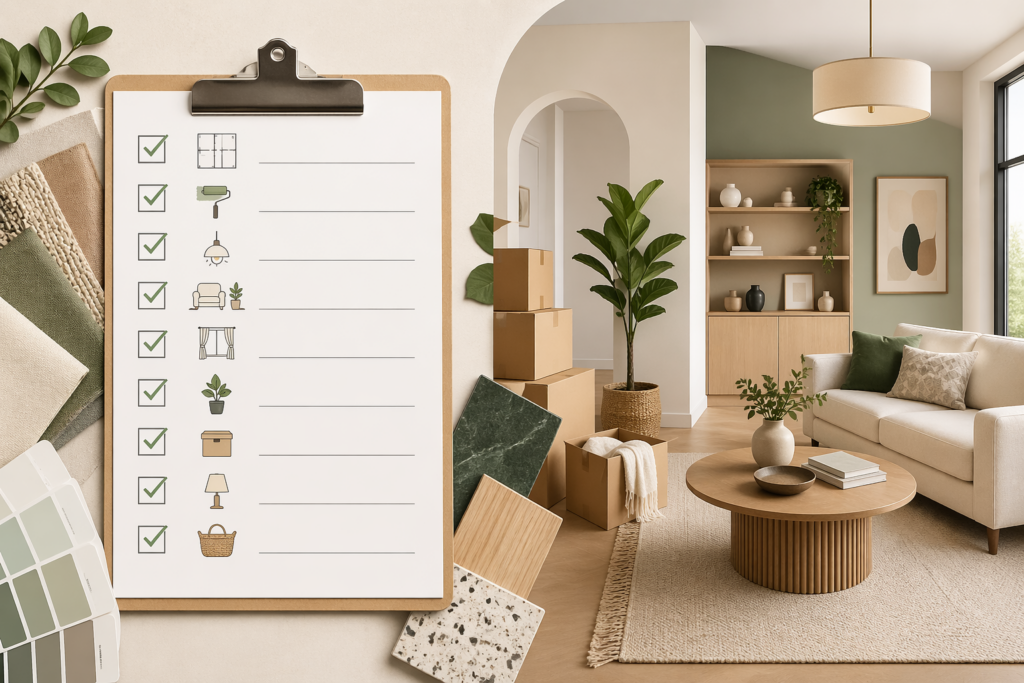

Moving into a new home is an exciting milestone, but without proper planning, it can quickly become overwhelming. Many homeowners focus on packing and logistics, often overlooking one crucial aspect—interior design planning before moving in. The truth is, the decisions you make before shifting into your home will significantly impact your comfort, functionality, and overall lifestyle for years to come.
Designing your interiors before moving allows you to work freely in an empty space, avoiding disruptions and unnecessary rework later. From planning electrical layouts to choosing furniture and storage solutions, every detail matters. A well-thought-out checklist ensures that your home is not just visually appealing but also practical and tailored to your needs.
In this comprehensive guide, Avinnyya walks you through a step-by-step interior design checklist that will help you transform your new house into a dream home—efficiently, beautifully, and stress-free.
Why You Should Plan Interior Design Before Moving In
Planning your interiors before moving in is not just convenient—it is strategic. Once you move in, even minor changes like drilling, painting, or electrical adjustments can become messy and inconvenient. Furniture placement becomes restricted, and making structural changes becomes more complicated.
By designing your home beforehand, you gain the advantage of working in an empty space where every corner is accessible. This allows for smoother execution of civil work, electrical fittings, and installations without disturbing your daily life. It also helps avoid costly mistakes, such as buying furniture that doesn’t fit or placing electrical points in inconvenient locations.
Additionally, early planning ensures better coordination between different aspects of design—lighting, furniture, storage, and décor—resulting in a cohesive and harmonious living space. Ultimately, it saves both time and money while delivering a more refined outcome.
Pre-Move Interior Design Checklist Overview
Before diving into detailed planning, it is essential to understand the broader categories involved in interior design. A complete checklist typically includes space planning, electrical and lighting design, furniture layout, storage solutions, material selection, and décor planning.
Each of these elements is interconnected. For example, your furniture layout will influence electrical point placement, while your color palette will affect the choice of materials and décor. Having a clear overview helps you approach the process systematically, ensuring that nothing is overlooked.
This structured approach also makes it easier to allocate budget and timeline efficiently, allowing you to prioritize essential elements before adding decorative touches.
Step 1 – Assess Your Space and Layout
Understanding the Floor Plan
The first step in designing your new home is to thoroughly understand its layout. Study the floor plan carefully, noting the dimensions of each room, the position of doors and windows, and architectural features like columns or niches. This analysis helps you visualize how each space can be utilized effectively.
An accurate understanding of the layout also prevents common mistakes such as overcrowding a room or leaving awkward empty spaces. It lays the foundation for all subsequent design decisions.
Defining the Purpose of Each Room
Every room in your home should have a clear purpose. While some spaces like bedrooms and kitchens are straightforward, others can be more flexible. For instance, a spare room can be transformed into a home office, guest room, or even a hobby space.
Defining the purpose early ensures that your design aligns with your lifestyle. It also helps in selecting the right furniture, lighting, and storage solutions tailored to each room’s function.
Checking Natural Light and Ventilation
Natural light plays a crucial role in interior design. Rooms with ample sunlight can accommodate darker color palettes, while spaces with limited light benefit from lighter tones and reflective surfaces.
Ventilation is equally important for maintaining a healthy living environment. Proper airflow enhances comfort and prevents issues like dampness and odors. Planning your interiors with these factors in mind ensures both aesthetic appeal and functionality.
Step 2 – Plan Electrical and Lighting Design
Strategic Switchboard Placement
One of the most overlooked aspects of interior design is electrical planning. Switchboards should be placed in convenient and accessible locations based on your furniture layout. For example, bedside switches, kitchen appliance points, and TV unit connections should all be pre-planned.
Poorly placed switches can lead to daily inconvenience, making this step critical for long-term comfort.
Layered Lighting Design
Lighting is not just functional—it defines the mood and ambiance of your home. A well-designed lighting plan includes three layers: ambient lighting for overall illumination, task lighting for specific activities, and accent lighting to highlight design elements.
Combining these layers creates depth and enhances the overall aesthetic of your interiors. It also allows flexibility in adjusting lighting according to different moods and occasions.
Smart Home Integration
Modern homes are increasingly adopting smart technology. Planning for smart lighting, automated curtains, and voice-controlled devices during the pre-move stage ensures seamless integration without additional wiring later.
Future-ready electrical planning adds convenience, efficiency, and a touch of luxury to your home.
Step 3 – Choose Your Color Palette and Materials
Selecting Wall Colors and Finishes
Your choice of colors sets the tone for your entire home. Neutral shades create a calm and timeless look, while bold colors add personality and vibrancy. The key is to strike a balance that reflects your style while maintaining harmony across spaces.
Wall finishes such as textured paint or wallpaper can add depth and character, making your interiors visually engaging.
Choosing the Right Flooring
Flooring is a long-term investment, so it should be both durable and aesthetically pleasing. Options like tiles, wood, marble, and vinyl each have their own advantages. Your choice should depend on factors such as maintenance, budget, and room usage.
For example, kitchens and bathrooms require water-resistant materials, while living areas can focus more on visual appeal.
Material Selection for Interiors
Materials used in furniture and finishes play a significant role in defining the overall look. Wood, laminates, glass, and metals should be chosen carefully to ensure durability and consistency in design.
A cohesive material palette enhances the elegance of your home while ensuring practical functionality.
Step 4 – Plan Furniture Layout and Essentials
Measuring Before Buying
One of the most common mistakes homeowners make is purchasing furniture without proper measurements. This can lead to overcrowded rooms or pieces that don’t fit through doorways.
Accurate measurements ensure that every piece of furniture fits perfectly within the space, maintaining both comfort and aesthetics.
Prioritizing Essential Furniture
Before focusing on decorative elements, it is important to invest in essential furniture such as beds, sofas, dining tables, and wardrobes. These pieces form the backbone of your interiors and should be chosen for both comfort and durability.
Optimizing Space
A well-planned layout ensures smooth movement within the house. Avoid placing furniture too close together and maintain sufficient walking space. This creates a more open and inviting environment.
Step 5 – Design Storage Solutions
Built-in vs Modular Storage
Storage is a critical component of any home. Built-in storage offers a seamless look, while modular solutions provide flexibility and ease of installation. Choosing the right type depends on your needs and available space.
Kitchen Storage Planning
The kitchen requires efficient storage for utensils, appliances, and groceries. Well-designed cabinets, drawers, and pantry units improve functionality and make daily tasks easier.
Smart Bedroom Storage
Wardrobes and hidden storage solutions help keep bedrooms organized and clutter-free. Thoughtful storage design enhances both usability and visual appeal.
Step 6 – Plan Kitchen and Bathroom Interiors
Kitchen Layout Design
The layout of your kitchen should ensure smooth workflow between cooking, cleaning, and storage areas. Popular layouts like L-shaped, U-shaped, and island kitchens offer different advantages based on space availability.
Appliance Placement
Planning the placement of appliances in advance ensures convenience and efficiency. Proper positioning also prevents clutter and enhances the overall look of the kitchen.
Bathroom Fixtures and Design
Bathrooms should be designed for both comfort and functionality. Choosing the right sanitary fittings, vanity units, and storage solutions ensures a clean and organized space. Ventilation is equally important to maintain hygiene and freshness.
Step 7 – Window Treatments and Soft Furnishings
Choosing Curtains and Blinds
Window treatments play a vital role in controlling light and ensuring privacy. The choice of fabric, color, and style should complement the overall interior design.
Adding Rugs and Upholstery
Soft furnishings like rugs and cushions add warmth and comfort to your home. They also provide an opportunity to introduce textures and patterns, enhancing the overall aesthetic.
Step 8 – Décor and Personalization
Wall Décor and Art
Decorative elements such as paintings, mirrors, and wall panels bring life to your interiors. They reflect your personality and add character to your home.
Incorporating Indoor Plants
Indoor plants not only enhance visual appeal but also improve air quality. They create a refreshing and calming environment.
Styling Accessories
Accessories like cushions, lamps, and decorative pieces complete the look of your home. Thoughtful styling ensures a balanced and cohesive design.
Step 9 – Budget Planning and Timeline
Setting a Realistic Budget
A clear budget helps you manage expenses effectively. Allocate funds for different aspects of design, ensuring that essential elements are prioritized.
Prioritizing Spending
Focus on quality for essential items while being flexible with decorative elements. This approach ensures long-term value without overspending.
Planning the Timeline
Creating a timeline for design and execution ensures that everything is completed before you move in. Proper scheduling prevents delays and last-minute stress.
Step 10 – Hire a Professional Interior Designer
Benefits of Hiring Experts
Professional designers bring expertise, creativity, and efficiency to the process. They help avoid costly mistakes and ensure a polished outcome.
Customization and Quality Assurance
Working with experts allows you to create a home tailored to your preferences while maintaining high standards of quality.
Why Choose Avinnyya
Avinnyya offers end-to-end interior design solutions, combining functionality with aesthetics. Whether it’s space planning, material selection, or final execution, their expertise ensures a seamless experience. If you are searching for a reliable interior design company in bangalore, Avinnyya stands out with its innovative designs and client-focused approach.
Common Mistakes to Avoid Before Moving In
Many homeowners underestimate the importance of planning, leading to issues such as insufficient storage, poor lighting, and mismatched furniture. Buying items too early without a clear layout often results in unnecessary expenses.
Another common mistake is overcrowding spaces, which affects both functionality and aesthetics. Consulting professionals and following a structured checklist can help you avoid these pitfalls.
Final Pre-Move Checklist
Before moving into your new home, ensure that all essential tasks are completed. Electrical fittings should be installed and tested, walls should be painted and finished, and furniture should be properly placed.
Kitchens and wardrobes should be fully functional, and a thorough cleaning should be done to make the space ready for living. Completing these steps ensures a smooth and stress-free transition.
Conclusion
Designing your home before moving in is one of the smartest decisions you can make. It not only simplifies the moving process but also ensures that your space is tailored to your lifestyle from day one. By following this comprehensive interior design checklist, you can create a home that is both beautiful and functional.
With careful planning, attention to detail, and the right expertise, your new house can truly become your dream home—ready to welcome you with comfort and style from the very first day.