
Kids’ Room Designs That Grow With Your Child
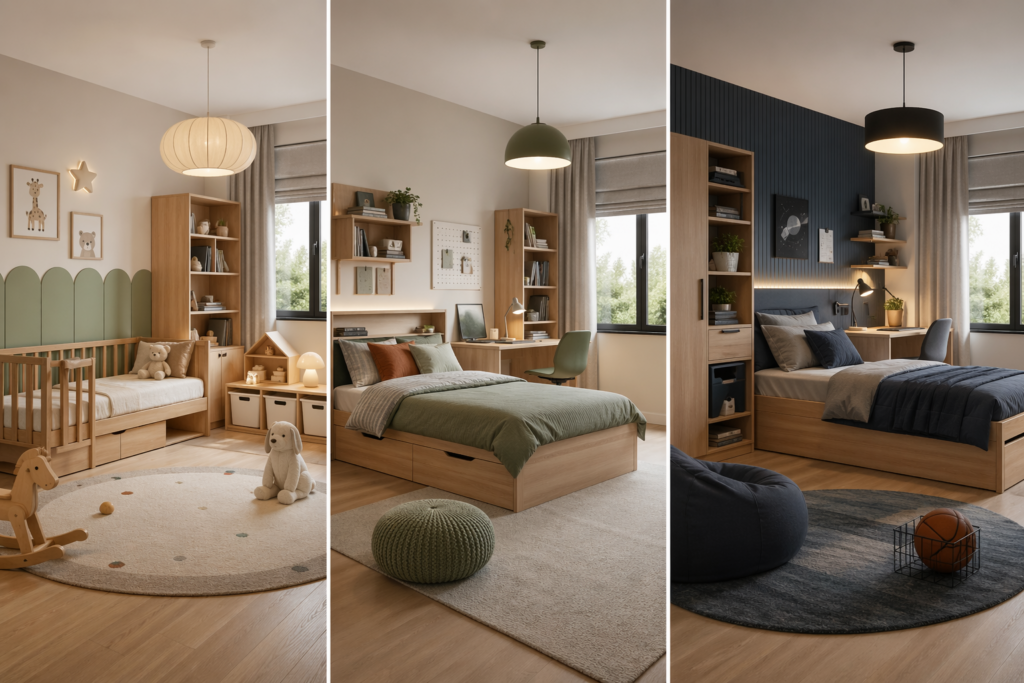

Designing a child’s room is one of the most exciting parts of creating a home, but it can also be one of the most challenging. Children grow quickly, and their needs, preferences, and lifestyles evolve just as fast. What works perfectly for a toddler may feel completely outdated for a pre-teen or teenager. That’s why modern parents and designers are shifting towards a smarter approach—creating kids’ rooms that grow with the child.
A well-designed evolving space doesn’t just save money on frequent renovations; it also ensures consistency, functionality, and comfort over the years. Instead of redesigning every few years, a thoughtful plan allows the room to adapt naturally through different life stages. This blog explores how to design a flexible, future-ready kids’ room that balances creativity, practicality, and longevity.
Introduction to Evolving Kids’ Room Design
Traditional kids’ rooms often focus heavily on themes—cartoon characters, bright colors, and playful elements that suit a specific age group. While visually appealing, these designs quickly become outdated as children grow older. This leads to repeated redesign costs and unnecessary effort.
Evolving kids’ room design focuses on adaptability. The idea is to build a strong, neutral foundation and layer it with elements that can be easily updated over time. This approach not only supports your child’s growth but also aligns with modern interior design principles of sustainability and efficiency.
Designing such a room requires foresight. It involves choosing versatile furniture, neutral palettes, and flexible layouts that can transition smoothly from a playful nursery to a functional teenage retreat. Professional expertise, such as that offered by an interior design company in bangalore, often emphasizes these long-term strategies to create timeless and adaptable spaces.
Understanding Your Child’s Growth Stages
A key part of designing a room that grows with your child is understanding how their needs change over time. Each stage of development brings different functional and emotional requirements.
Toddler Stage (0–5 Years)
During the early years, safety and comfort are the top priorities. The room should be designed to encourage exploration while minimizing risks. Soft edges, non-toxic materials, and ample open space are essential. Furniture should be low-height and easily accessible, allowing children to move independently.
At this stage, playful elements like colorful rugs, wall decals, and themed décor can be added. However, it’s wise to keep these elements temporary. Instead of permanent wallpaper or built-in themed furniture, opt for removable and replaceable décor that can evolve as your child grows.
Early School Years (6–10 Years)
As children start school, their room needs to support both play and learning. This is when a study area becomes important. A small desk, ergonomic chair, and proper lighting help establish good study habits early on.
Storage also becomes more critical. Toys gradually make way for books, school supplies, and hobby materials. A well-organized storage system ensures the room remains clutter-free while encouraging responsibility and independence.
Pre-Teen to Teen Stage (11–18 Years)
Teenagers require a more personalized and private space. Their room becomes a reflection of their personality, interests, and lifestyle. The design should shift from playful to sophisticated, incorporating mature colors, functional furniture, and tech-friendly features.
At this stage, flexibility is crucial. Furniture should accommodate longer study hours, increased storage needs, and possibly even social interactions. A thoughtfully designed room can support both productivity and relaxation.
Key Principles of a Grow-With-Your-Child Room
Creating a room that evolves seamlessly requires following certain core design principles.
Flexibility is Key
Flexibility is the foundation of any adaptable design. Furniture and layouts should be easy to modify without major structural changes. Modular furniture, movable storage units, and multi-purpose elements make it easier to update the room as needs change.
For example, a play area in early years can later be transformed into a study corner or reading nook without requiring a complete overhaul.
Neutral Base Design
A neutral base ensures longevity. Walls, flooring, and large furniture pieces should have timeless colors such as white, beige, grey, or soft pastels. These shades create a versatile backdrop that can be easily refreshed with accessories.
Instead of repainting walls frequently, you can simply change curtains, cushions, or wall art to match your child’s evolving preferences.
Durability & Quality Materials
Children’s rooms experience a lot of wear and tear. Investing in durable materials ensures that the space remains functional and visually appealing for years. Scratch-resistant surfaces, sturdy furniture, and easy-to-clean finishes are essential.
Sustainable materials are also gaining popularity, as they are both eco-friendly and long-lasting.
Smart Furniture Choices for Longevity
Furniture plays a major role in determining how adaptable a room can be. Choosing the right pieces can significantly extend the lifespan of the design.
Convertible Cribs to Beds
Convertible furniture is one of the best investments for a growing child’s room. Cribs that transform into toddler beds and later into full-sized beds eliminate the need for multiple replacements. This not only saves money but also maintains design consistency.
Adjustable Study Tables & Chairs
An ergonomic study setup is essential for growing children. Adjustable desks and chairs can be modified according to height, ensuring proper posture and comfort over the years. This reduces the need for frequent upgrades and supports healthy habits.
Multi-Functional Storage Beds
Beds with built-in storage are perfect for maximizing space. They provide additional storage for toys, clothes, or books, helping keep the room organized. As storage needs grow, these beds remain functional without taking up extra space.
Modular Wardrobes
A modular wardrobe can be easily reconfigured as your child’s storage needs change. Adjustable shelves, hanging rods, and compartments allow customization over time, making it a practical long-term solution.
Designing a Flexible Layout
A well-planned layout ensures that the room remains functional at every stage of growth.
Zoning the Room
Dividing the room into zones—sleeping, studying, and playing—creates a structured environment. As your child grows, these zones can be adjusted. For example, the play area can gradually shrink while the study area expands.
Open Space Planning
Avoid overcrowding the room with furniture. Keeping some open space allows for flexibility and easy movement. It also provides room for future additions or changes.
Wall Utilization
Walls offer valuable space for storage and décor. Floating shelves, pegboards, and wall-mounted organizers can be easily updated or rearranged. This makes it simple to adapt the room without major changes.
Storage Solutions That Adapt Over Time
Storage needs evolve significantly as children grow, and the design should accommodate this transition.
Toy Storage to Book Storage Transition
In early years, storage focuses on toys and games. As children grow, books, stationery, and gadgets take priority. Designing versatile storage units ensures a smooth transition between these needs.
Hidden & Built-In Storage
Built-in storage solutions keep the room clean and organized. Hidden compartments, under-bed storage, and wall cabinets maximize space without making the room feel cluttered.
Labelled and Accessible Storage
Accessible storage encourages children to stay organized. Labelled bins and shelves help them understand where things belong, fostering independence and responsibility.
Choosing the Right Color Palette
Color plays a crucial role in creating a timeless and adaptable room.
Neutral Base Colors
Neutral colors provide a calm and versatile foundation. They make the room feel spacious and can easily complement changing décor styles.
Add Pops of Color Through Accessories
Instead of committing to bold wall colors, use accessories to introduce color. Rugs, cushions, and artwork can be easily replaced as your child’s tastes change.
Easy-to-Update Themes
Avoid permanent themes based on cartoons or trends. Instead, use temporary elements like wall decals or posters that can be updated without much effort.
Lighting That Grows With Your Child
Lighting needs change as children grow, making it important to plan a layered lighting system.
Layered Lighting Design
A combination of ambient, task, and accent lighting ensures the room is functional at all times. Ambient lighting provides general illumination, while task lighting focuses on study areas.
Study Lighting Essentials
Proper lighting is crucial for studying. A good desk lamp with adjustable brightness helps reduce eye strain and improves focus.
Decorative Lighting for Personality
Decorative lights add character to the room. String lights, bedside lamps, or statement fixtures can reflect your child’s personality and be easily updated.
Personalization Without Permanent Commitment
Personalization is important, but it should not limit future flexibility.
Temporary Décor Ideas
Use removable wall stickers, posters, and frames to personalize the space. These can be easily changed as your child’s interests evolve.
Display Zones for Achievements
Creating a space to display artwork, awards, or photos adds a personal touch and boosts confidence. Pinboards or gallery walls work well for this purpose.
DIY Elements
Encouraging children to participate in decorating their room fosters creativity and a sense of ownership.
Technology Integration in Kids’ Rooms
Modern kids’ rooms need to accommodate technology in a balanced way.
Smart Study Setups
Incorporating charging stations, cable management systems, and organized tech zones ensures a clutter-free environment.
Screen Time Considerations
Designing dedicated areas for gadgets helps maintain a balance between study, play, and relaxation.
Safety Considerations at Every Stage
Safety remains a priority regardless of age. Rounded furniture edges, non-toxic materials, and secure installations are essential. As children grow, safety measures can be adjusted, but they should never be overlooked.
Budget-Friendly Tips for Long-Term Design
Designing a future-ready kids’ room doesn’t have to be expensive. Investing in key furniture pieces, choosing durable materials, and making gradual upgrades can significantly reduce costs. Repurposing existing furniture and focusing on adaptable elements also help in maintaining a budget-friendly approach.
Common Mistakes to Avoid
One of the most common mistakes is over-theming the room, which limits its longevity. Ignoring future needs, choosing low-quality materials, and neglecting storage planning can also lead to frequent redesigns. A thoughtful, flexible approach helps avoid these pitfalls.
Why Choose Avinnyya for Kids’ Room Interior Design
Avinnyya specializes in creating smart, functional, and aesthetically pleasing interiors that evolve with your lifestyle. With a focus on customization, quality, and innovation, the team ensures that every kids’ room is designed to grow alongside the child. From concept to execution, the approach is centered on long-term usability and modern design principles.
Conclusion
Designing a kids’ room that grows with your child is a smart and practical investment. It reduces the need for frequent renovations while ensuring the space remains functional and stylish over the years. By focusing on flexibility, durability, and thoughtful planning, you can create a room that adapts seamlessly to every stage of your child’s life.
FAQs
How often should a kids’ room be redesigned?
Ideally, a well-planned kids’ room should not require major redesigns. Minor updates every few years are sufficient.
What is the best furniture for a growing child?
Convertible and adjustable furniture is the best choice for long-term use.
How can I make a small kids’ room adaptable?
Use multi-functional furniture, vertical storage, and a flexible layout to maximize space.
Are neutral colors better for kids’ rooms?
Yes, neutral colors provide a timeless base and allow easy updates through accessories.
How to balance fun and functionality in design?
Incorporate playful elements through décor while keeping the core design practical and adaptable.