
Living Room Layout Ideas for Small and Large Spaces
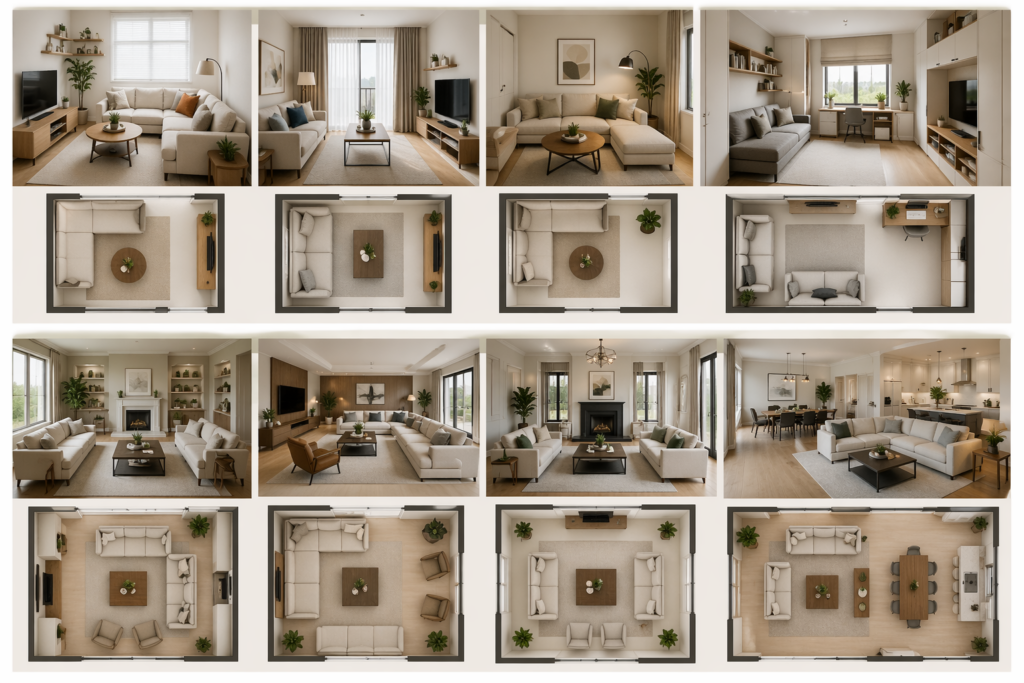

Designing a living room that feels both functional and visually appealing starts with one crucial element—layout. Whether you are working with a compact apartment or a spacious villa, the way you arrange furniture and define spaces directly impacts comfort, usability, and aesthetics. A well-planned living room layout ensures smooth movement, enhances natural light, and creates a welcoming environment for both family and guests.
In modern homes, the living room is no longer just a place to sit; it serves multiple purposes such as entertainment, relaxation, work, and social interaction. This makes layout planning even more important. In this comprehensive guide, we’ll explore smart, practical, and stylish living room layout ideas for both small and large spaces, helping you make the most of your home regardless of its size.
Introduction to Living Room Layout Planning
Living room layout planning is the foundation of great interior design. It involves strategically arranging furniture, lighting, and decor elements to maximize space while maintaining visual harmony. Without a proper layout, even the most expensive furniture can feel out of place, making the room look cluttered or underutilized.
For small spaces, the challenge lies in maximizing functionality without overcrowding the room. Every piece of furniture must serve a purpose and fit seamlessly into the layout. On the other hand, large living rooms present a different challenge—making the space feel cohesive and not overly empty or disconnected.
Professional designers often begin by analyzing the room’s dimensions, natural light sources, and the homeowner’s lifestyle. This ensures that the layout is not only aesthetically pleasing but also practical for daily use. Thoughtful layout planning transforms a living room into a balanced space where design meets functionality effortlessly.
Key Principles of an Effective Living Room Layout
Balance and Proportion
Balance and proportion are essential in creating a visually pleasing living room. A well-balanced layout distributes furniture evenly across the space, preventing one side from feeling heavier than the other. For example, placing a large sofa on one side can be balanced with two chairs or a console table on the opposite side.
Proportion ensures that furniture fits the size of the room. Oversized furniture in a small living room can make the space feel cramped, while tiny furniture in a large room can appear lost. Choosing the right scale is key to achieving harmony in your layout.
Functionality First
Before focusing on aesthetics, it’s important to define how the living room will be used. Will it be primarily for watching TV, entertaining guests, or relaxing with family? Understanding the purpose helps determine the layout.
In many modern homes, living rooms are multifunctional. This means the layout should accommodate different activities without compromising comfort. Flexible furniture arrangements and multi-purpose pieces can help achieve this balance.
Traffic Flow and Accessibility
A good layout always considers movement within the room. Clear pathways should be maintained so people can move around comfortably without bumping into furniture. Ideally, there should be at least 2.5 to 3 feet of walking space between major furniture pieces.
Poor traffic flow can make even a spacious living room feel inconvenient. Arranging furniture in a way that allows easy access to seating areas, doors, and windows is essential for a practical layout.
Focal Points in Living Room Design
Every living room should have a focal point that anchors the layout. This could be a television unit, a feature wall, a large window, or even a piece of artwork. Once the focal point is identified, furniture should be arranged around it to create a sense of direction and purpose.
A strong focal point helps bring the entire room together and ensures that the layout feels intentional rather than random.
Living Room Layout Ideas for Small Spaces
Minimalist Layout Approach
In small living rooms, less is always more. A minimalist approach focuses on keeping only essential furniture and eliminating unnecessary clutter. This creates a clean and open environment, making the room feel larger than it actually is.
Neutral color palettes, simple furniture designs, and limited decor elements contribute to a minimalist aesthetic. This approach not only enhances visual appeal but also improves functionality.
Space-Saving Furniture Placement
Strategic furniture placement is crucial in compact spaces. Placing sofas against the wall can free up central space, making the room feel more open. Choosing furniture with sleek designs and exposed legs can also create an illusion of space.
Avoid blocking windows with bulky furniture, as natural light plays a significant role in making small rooms feel airy and spacious.
Multi-Functional Furniture Solutions
Multi-functional furniture is a game-changer for small living rooms. Pieces like sofa-cum-beds, storage ottomans, and foldable tables serve multiple purposes while saving space.
These smart solutions allow homeowners to maximize utility without overcrowding the room. For instance, a storage ottoman can act as seating, a footrest, and a storage unit all at once.
Open Layout Concept
An open layout can make a small living room feel significantly larger. Combining the living area with the dining or kitchen space creates a seamless flow and eliminates visual barriers.
Using consistent flooring and color schemes across spaces enhances this effect, making the entire area feel unified and spacious.
Vertical Space Utilization
When floor space is limited, vertical space becomes your best friend. Wall-mounted shelves, floating cabinets, and tall storage units help maximize storage without taking up valuable floor area.
Vertical design elements also draw the eye upward, creating an illusion of height and making the room feel bigger.
Smart Zoning Techniques
Even in small spaces, zoning can help define different areas. Rugs, lighting, and furniture placement can be used to create distinct zones within the same room.
For example, a rug under the sofa can define the seating area, while a small desk in the corner can create a workspace without disrupting the overall layout.
Best Layout Examples for Small Living Rooms
Popular layouts for small living rooms include L-shaped seating arrangements, which make efficient use of corners, and studio-style layouts that integrate multiple functions into one cohesive space. Corner seating and compact sectional sofas are especially effective in maximizing seating without occupying too much space.
Living Room Layout Ideas for Large Spaces
Creating Defined Zones
Large living rooms offer the advantage of space, but without proper planning, they can feel empty and disconnected. Dividing the room into zones—such as a seating area, reading corner, or entertainment zone—helps create structure.
Furniture placement, rugs, and lighting can be used to define these zones without the need for physical partitions.
Symmetrical Layout Designs
Symmetry works particularly well in large living rooms, creating a sense of balance and elegance. Placing identical sofas or chairs opposite each other with a central coffee table creates a formal and organized look.
This type of layout is ideal for homeowners who prefer a classic and sophisticated aesthetic.
Open and Airy Layouts
Even in large spaces, maintaining an open and airy feel is important. Avoid overcrowding the room with too much furniture. Instead, focus on selecting a few statement pieces and arranging them thoughtfully.
Leaving some empty space is not a flaw—it enhances the overall design and allows the room to breathe.
Multiple Seating Arrangements
Large living rooms can accommodate multiple seating areas, making them perfect for entertaining guests. You can create separate conversation zones with sofas and chairs arranged in groups.
This approach not only improves functionality but also adds depth and dimension to the layout.
Statement Furniture Placement
In spacious living rooms, statement furniture pieces like large sectional sofas, bold coffee tables, or accent chairs can serve as focal points. These pieces add character and help fill the space effectively.
Choosing furniture with unique designs or textures can elevate the overall aesthetic of the room.
Incorporating Luxury Elements
Large living rooms provide the perfect opportunity to incorporate luxurious design elements such as chandeliers, large area rugs, and artwork. These elements add sophistication and enhance the visual appeal of the space.
When used correctly, luxury elements can transform a simple layout into a high-end living experience.
Best Layout Examples for Large Living Rooms
Popular layouts for large spaces include U-shaped seating arrangements, which are ideal for social gatherings, and parallel sofa layouts that create a structured look. Zoned layouts with clearly defined areas are also highly effective in making large rooms feel cohesive.
Furniture Arrangement Tips for All Living Room Sizes
Sofa Placement Ideas
The sofa is often the centerpiece of the living room, so its placement is crucial. In small rooms, placing the sofa against a wall can save space, while in large rooms, floating the sofa in the center can help define zones.
Sectional sofas are versatile and can be adapted to fit both small and large layouts effectively.
Coffee Table and Side Table Positioning
The coffee table should be easily accessible from all seating areas. Ideally, it should be placed about 16 to 18 inches away from the sofa for комфорт and convenience.
Side tables should complement the seating arrangement without overcrowding the space.
TV Unit and Entertainment Setup
The placement of the TV should ensure comfortable viewing without straining the eyes. Wall-mounted units are great for saving space, especially in small living rooms.
In larger spaces, entertainment units can be more elaborate, incorporating storage and decorative elements.
Lighting Layout Strategy
Lighting plays a key role in enhancing the layout. A layered lighting approach—combining ambient, task, and accent lighting—creates a balanced and inviting atmosphere.
Floor lamps, table lamps, and ceiling lights can be strategically placed to highlight different areas of the room.
Common Living Room Layout Mistakes to Avoid
Many homeowners make the mistake of pushing all furniture against the walls, which can make the room feel disconnected. Another common issue is choosing furniture that is too large or too small for the space.
Blocking natural light, ignoring traffic flow, and overcrowding the room with decor are also frequent mistakes. Avoiding these pitfalls can significantly improve the overall layout and functionality of your living room.
Modern Living Room Layout Trends (2026)
Modern living room layouts are increasingly focused on flexibility and technology integration. Open-plan designs continue to dominate, allowing for seamless transitions between spaces.
Smart furniture, sustainable materials, and modular designs are becoming popular choices. Homeowners are also incorporating technology into layouts, such as hidden wiring and smart lighting systems, to create a modern and efficient living space.
How to Choose the Right Layout for Your Home
Choosing the right layout depends on several factors, including the size and shape of the room, your lifestyle, and your personal preferences. Families may prioritize comfort and functionality, while individuals may focus more on aesthetics.
Budget is another important consideration, as it influences the type of furniture and materials used. Consulting professionals, such as an interior design company in bangalore, can provide valuable insights and help you achieve the perfect layout tailored to your needs.
Why Choose Avinnyya for Living Room Interior Design
Avinnyya specializes in creating customized living room layouts that combine style and functionality. With a deep understanding of space optimization and modern design trends, the team ensures that every project is tailored to the client’s needs.
From concept to execution, Avinnyya offers end-to-end interior design solutions, transforming living rooms into beautiful and practical spaces that reflect your personality and lifestyle.
Conclusion
A well-designed living room layout can completely transform the way you experience your home. Whether you’re working with a small space that requires smart solutions or a large space that needs thoughtful planning, the right layout makes all the difference.
By focusing on balance, functionality, and modern design principles, you can create a living room that is both stylish and comfortable. With the right approach and expert guidance, your living room can become the perfect space for relaxation, entertainment, and everyday living.
Ready to transform your living room into a perfectly designed space? Let Avinnyya create a layout that matches your style and maximizes your space—get in touch today for a personalized interior design consultation!