
Smart Home Integration in Interior Design: Creating Intelligent, Stylish Living Spaces
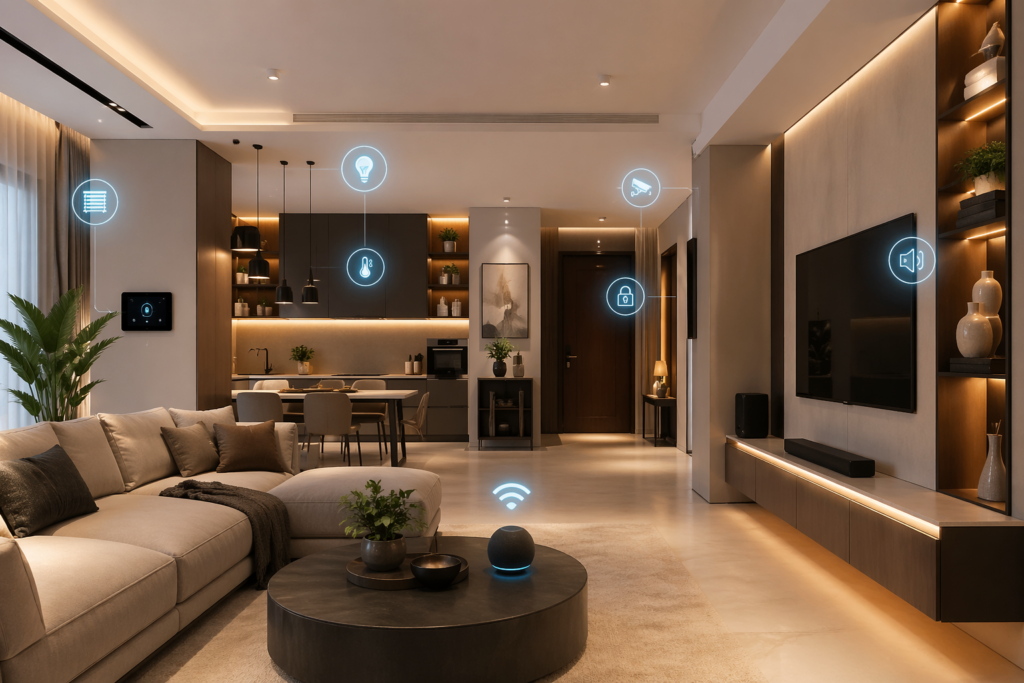

The way we design and experience our homes is undergoing a dramatic transformation. Gone are the days when interior design was purely about aesthetics and functionality. Today, it is about creating intelligent environments that respond to your lifestyle, preferences, and daily routines. This shift has given rise to the concept of smart home integration in interior design, where technology and design work hand in hand to enhance comfort, efficiency, and visual appeal.
With advancements in automation, artificial intelligence, and IoT (Internet of Things), homeowners are increasingly embracing smart solutions that simplify life. From voice-controlled lighting to automated climate systems and intelligent security features, modern homes are becoming more responsive and intuitive than ever before. However, integrating these technologies seamlessly into interior design requires careful planning and expertise to ensure that they enhance, rather than disrupt, the aesthetics of a space.
In this comprehensive guide, we will explore how smart home integration is reshaping interior design, the technologies involved, practical ideas for every room, challenges to consider, and expert strategies to create a future-ready home.
What is Smart Home Integration in Interior Design?
Definition and Concept
Smart home integration in interior design refers to the seamless incorporation of advanced technologies into the physical and visual framework of a space. It involves embedding automated systems—such as lighting, climate control, entertainment, and security—into the design in a way that complements the overall aesthetic.
Rather than treating technology as an add-on, smart integration ensures that devices and systems become a natural part of the home’s design language. This includes hidden wiring, minimalistic controls, and intuitive interfaces that blend effortlessly with furniture, textures, and architectural elements.
At its core, the goal is to create a home that is not only visually appealing but also responsive, efficient, and personalized to the user’s lifestyle.
Evolution of Smart Homes
The journey of smart homes began with simple automation systems such as remote-controlled lighting and programmable thermostats. Over time, these technologies evolved into interconnected ecosystems powered by the internet and artificial intelligence.
Today’s smart homes go beyond basic automation. They can learn user preferences, adjust settings automatically, and even anticipate needs. Voice assistants, mobile apps, and centralized control hubs allow homeowners to manage their entire living environment with ease. This evolution has significantly influenced interior design, pushing designers to rethink layouts, materials, and spatial planning to accommodate and enhance smart functionalities.
Why Smart Home Integration is the Future of Interior Design
Convenience and Automation
One of the most compelling reasons for the growing popularity of smart homes is the convenience they offer. Imagine waking up to natural light as your curtains open automatically, your coffee machine starts brewing, and your room temperature adjusts to your preference—all without manual intervention.
Automation simplifies everyday tasks, reduces effort, and allows homeowners to focus on what truly matters. With mobile apps and voice commands, controlling various aspects of the home becomes effortless and intuitive.
Energy Efficiency and Sustainability
Smart homes play a crucial role in promoting sustainable living. Automated lighting systems ensure that lights are turned off when not in use, while smart thermostats optimize energy consumption by adjusting temperatures based on occupancy and weather conditions.
These energy-saving features not only reduce utility bills but also contribute to environmental conservation. As sustainability becomes a key consideration in interior design, smart integration offers a practical and effective solution.
Enhanced Security and Safety
Safety is a top priority for any homeowner, and smart technology significantly enhances home security. Features such as smart locks, motion sensors, video doorbells, and surveillance cameras provide real-time monitoring and alerts.
These systems can be integrated seamlessly into the design, ensuring that security does not compromise aesthetics. Whether you are at home or away, you can monitor and control your security systems with ease.
Increased Property Value
Homes equipped with smart technologies are highly desirable in the real estate market. Buyers are increasingly looking for properties that offer modern सुविधाएँ and future-ready features.
Smart integration not only improves the functionality of a home but also adds significant value, making it a worthwhile investment for homeowners.
Key Smart Home Technologies Used in Interior Design
Smart Lighting Systems
Lighting plays a crucial role in setting the mood and ambiance of a space. Smart lighting systems allow users to control brightness, color, and timing through apps or voice commands.
These systems can be programmed to create different lighting scenes for various activities, such as relaxing, working, or entertaining guests. From warm ambient lighting to vibrant accent lights, smart lighting enhances both functionality and design.
Smart Climate Control
Maintaining the perfect indoor temperature is essential for comfort. Smart climate control systems, including thermostats and automated air conditioning units, adjust settings based on user preferences and environmental conditions.
These systems not only improve comfort but also reduce energy consumption, making them an integral part of modern interior design.
Voice-Controlled Assistants
Voice assistants have become a central element of smart homes. They allow users to control lighting, appliances, music, and more using simple voice commands.
Integrating these assistants into interior design requires careful consideration to ensure that devices are accessible yet unobtrusive.
Smart Entertainment Systems
Modern homes often feature advanced entertainment setups, including home theaters and multi-room audio systems. Smart integration ensures that these systems are seamlessly incorporated into the design, with hidden wiring and minimalist setups.
This creates a clean, clutter-free look while delivering a high-quality entertainment experience.
Smart Security Solutions
Security technologies such as smart locks, cameras, and alarm systems can be integrated into doors, walls, and entryways without disrupting the design.
These solutions provide peace of mind while maintaining the visual integrity of the space.
Smart Kitchen Appliances
The kitchen is one of the most important areas for smart integration. From refrigerators that track groceries to ovens that can be controlled remotely, smart appliances enhance efficiency and convenience.
These appliances are designed to blend with modern kitchen aesthetics, ensuring a cohesive look.
How Smart Technology Influences Interior Design Aesthetics
Minimalist and Clutter-Free Spaces
One of the most noticeable impacts of smart technology on interior design is the shift towards minimalism. Wireless systems and centralized controls reduce the need for multiple switches and cables, resulting in cleaner and more organized spaces.
Hidden Technology Design
Modern interior design emphasizes the seamless integration of technology. Devices are often concealed within walls, furniture, or ceilings, ensuring that they do not disrupt the visual harmony of the space.
Custom Lighting Ambience
Smart lighting allows designers to use light as a dynamic design element. By adjusting color and intensity, homeowners can transform the mood of a room instantly.
Seamless Integration with Furniture
Furniture design is also evolving to accommodate smart technology. From charging ports to built-in speakers, smart furniture enhances functionality without compromising style.
Room-by-Room Smart Home Integration Ideas
Living Room
The living room is the heart of the home and a key area for smart integration. Automated lighting, motorized curtains, and smart entertainment systems can create a comfortable and inviting environment.
Bedroom
In the bedroom, smart technology enhances relaxation and comfort. Automated lighting, climate control, and smart mattresses can improve sleep quality and overall well-being.
Kitchen
Smart kitchens are designed for efficiency. Automated appliances, touchless faucets, and intelligent storage solutions make cooking and cleaning easier.
Bathroom
Bathrooms can be transformed into luxurious spaces with smart mirrors, automated showers, and temperature-controlled systems.
Home Office
With the rise of remote work, smart home offices are becoming increasingly important. Adjustable lighting, ergonomic furniture, and smart devices can boost productivity and comfort.
Design Challenges in Smart Home Integration
Budget Constraints
Smart technologies can be expensive, especially when integrating multiple systems. It is important to plan and prioritize features based on budget and requirements.
Technical Complexity
Installing and maintaining smart systems requires technical expertise. Poor planning can lead to inefficiencies and compatibility issues.
Compatibility Issues
Different devices and platforms may not always work together seamlessly. Choosing the right ecosystem is crucial for a smooth experience.
Overuse of Technology
While smart features are beneficial, excessive use can make a space feel overly complex. Striking the right balance is key to successful integration.
Tips for Successfully Integrating Smart Technology in Interiors
Plan Early in the Design Stage
Incorporating smart technology during the initial design phase ensures seamless integration and avoids costly modifications later.
Choose the Right Ecosystem
Selecting a compatible and reliable ecosystem ensures that all devices work together efficiently.
Focus on User Experience
Smart systems should be intuitive and easy to use. Complicated setups can reduce the overall effectiveness of the technology.
Prioritize Aesthetics and Functionality
Technology should enhance the design, not dominate it. Maintaining a balance between functionality and aesthetics is essential.
Work with Professional Interior Designers
Collaborating with experts ensures that smart integration is executed effectively. A professional approach helps in achieving a cohesive and functional design. If you are looking for expert guidance, working with an interior design company in bangalore like Avinnyya can help you create a perfectly integrated smart home tailored to your lifestyle.
Smart Home Trends Shaping Interior Design in 2026 and Beyond
AI-Powered Homes
Artificial intelligence is making homes more intuitive by learning user preferences and automating tasks accordingly.
Sustainable Smart Living
Eco-friendly technologies are becoming a major focus, with systems designed to reduce energy consumption and environmental impact.
Touchless and Voice-Controlled Spaces
Hygiene and convenience are driving the demand for touchless solutions, from lighting to appliances.
Smart Furniture and Multi-Functional Spaces
As urban living spaces become smaller, smart furniture and multi-functional designs are gaining popularity.
Why Choose Avinnyya for Smart Home Interior Design
Avinnyya stands at the forefront of modern interior design by combining creativity, technology, and functionality. With a deep understanding of smart home integration, the brand delivers customized solutions tailored to each client’s needs.
From conceptualization to execution, Avinnyya ensures that every element of the design aligns with the client’s lifestyle and preferences. By blending aesthetics with advanced technology, the team creates spaces that are not only beautiful but also intelligent and future-ready.
Conclusion
Smart home integration is no longer a luxury—it is becoming an essential aspect of modern living. By combining technology with thoughtful design, homeowners can create spaces that are efficient, comfortable, and visually stunning.
However, successful integration requires careful planning, the right choice of technologies, and a clear understanding of design principles. When done correctly, it enhances both the functionality and aesthetics of a home, creating a truly transformative living experience.
As the future of interior design continues to evolve, embracing smart solutions will be key to staying ahead. Whether you are building a new home or upgrading an existing space, investing in smart integration is a step towards a more intelligent and stylish lifestyle.