
Minimalist Home Design: Less Clutter, More Comfort
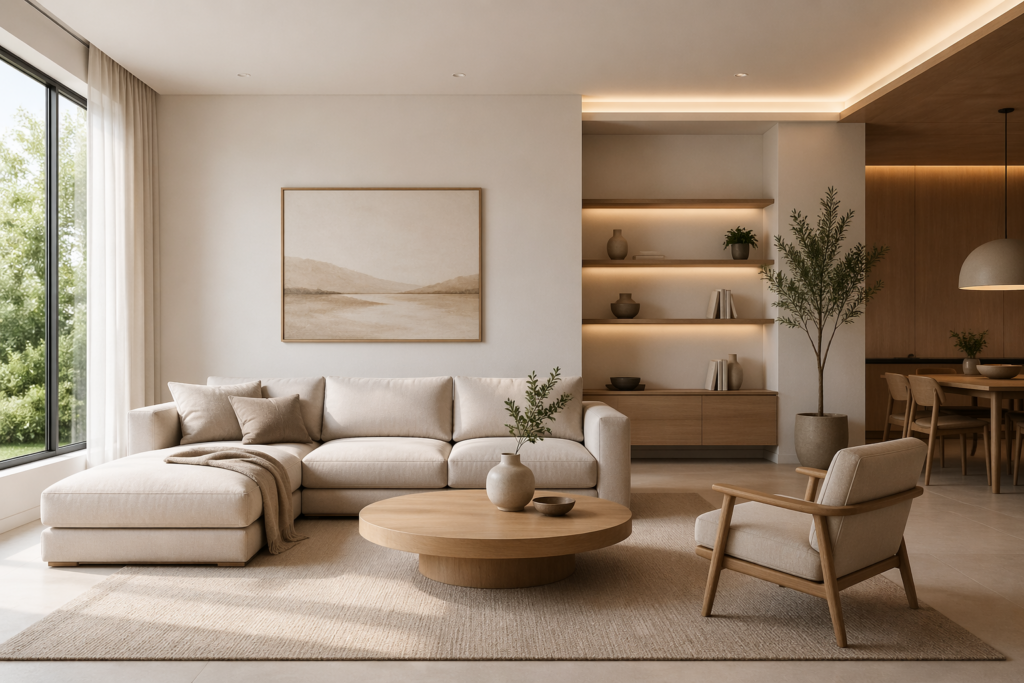

In today’s fast-paced world, our homes should be a sanctuary—a place where we can relax, recharge, and feel at peace. However, cluttered spaces, excessive furniture, and overwhelming décor often create stress instead of comfort. This is where minimalist home design comes in as a powerful solution. Rooted in the philosophy of “less is more,” minimalist design focuses on simplicity, functionality, and intentional living.
Minimalism is not about creating empty or boring spaces; rather, it is about designing homes that are visually calming, highly functional, and deeply comfortable. By eliminating unnecessary items and focusing on essentials, minimalist interiors help create an environment that promotes clarity, productivity, and well-being.
At Avinnyya, the approach to minimalist design goes beyond aesthetics. It is about understanding the lifestyle of homeowners and crafting spaces that balance elegance with practicality. Whether you live in a compact apartment or a spacious house, adopting minimalism can significantly enhance your living experience.
What is Minimalist Home Design?
Core Principles of Minimalism
Minimalist home design revolves around the idea that simplicity leads to better living. The concept of “less is more” encourages homeowners to keep only what is necessary and meaningful. Every piece of furniture, décor, or element in a minimalist space serves a purpose. There is no room for excess or unnecessary ornamentation.
Clean lines, uncluttered layouts, and a focus on functionality define this design style. Instead of filling a room with multiple decorative items, minimalist interiors emphasize quality over quantity. A single well-designed sofa or a thoughtfully placed artwork can have more impact than an overcrowded room filled with objects.
Another essential principle is intentionality. Minimalism encourages homeowners to make conscious choices about what they bring into their homes. This not only enhances the visual appeal but also creates a sense of harmony and balance.
Origins and Evolution
Minimalist design has its roots in traditional Japanese aesthetics, where simplicity and harmony with nature are deeply valued. The concept of Zen living, which emphasizes calmness and mindfulness, heavily influences minimalist interiors. Over time, this philosophy has evolved and blended with modern design trends to create contemporary minimalist homes.
In India, minimalism is gaining popularity, especially in urban areas where space is limited. Homeowners are now moving away from heavy, ornate interiors and embracing cleaner, more functional designs that suit modern lifestyles.
Minimalism vs. Modern Design
While minimalist and modern design styles share similarities, they are not identical. Modern design often incorporates bold elements, statement pieces, and a mix of materials, whereas minimalism strictly focuses on simplicity and restraint.
Minimalist spaces are more refined and calming, with fewer elements and a stronger emphasis on negative space. This makes them ideal for individuals seeking a peaceful and clutter-free environment.
Benefits of Minimalist Home Design
Reduced Clutter, Reduced Stress
One of the most significant advantages of minimalist design is its impact on mental well-being. Cluttered environments can lead to stress, anxiety, and reduced focus. By eliminating unnecessary items, minimalist homes create a sense of calm and order.
A clean and organized space allows the mind to relax and function more efficiently. This is especially important in today’s work-from-home culture, where the home environment directly affects productivity.
Better Space Utilization
Minimalism is particularly beneficial for small homes and apartments. By focusing on essential furniture and smart layouts, it maximizes the available space without making it feel cramped.
Open layouts, multifunctional furniture, and clever storage solutions ensure that every inch of space is utilized effectively. This creates a more spacious and breathable environment, even in compact homes.
Easy Maintenance
With fewer items to manage, minimalist homes are easier to clean and maintain. Dust accumulation is reduced, and organizing becomes simpler. This saves time and effort, allowing homeowners to focus on more important aspects of their lives.
Timeless Aesthetic Appeal
Minimalist design is not influenced by short-lived trends. Its simplicity and elegance make it timeless. Neutral color palettes, clean lines, and functional layouts ensure that minimalist homes remain stylish for years without requiring frequent updates.
Key Elements of Minimalist Interiors
Neutral Color Palette
Colors play a crucial role in minimalist design. Neutral shades such as white, beige, grey, and soft earth tones are commonly used to create a calm and cohesive look. These colors reflect light, making spaces appear larger and more open.
Subtle variations in tones can add depth and interest without overwhelming the space. The goal is to create a soothing environment that feels balanced and harmonious.
Functional Furniture
In minimalist interiors, every piece of furniture serves a purpose. Multi-functional furniture, such as storage beds, foldable tables, and modular sofas, is widely used to optimize space.
The design of the furniture is kept simple, with clean lines and minimal detailing. This not only enhances the visual appeal but also ensures practicality.
Open Layouts
Open layouts are a hallmark of minimalist design. By reducing unnecessary walls and barriers, spaces feel more connected and spacious. This also improves natural light flow and ventilation, enhancing the overall comfort of the home.
Natural Light
Lighting is a key element in creating a minimalist atmosphere. Large windows, sheer curtains, and reflective surfaces help maximize natural light. A well-lit space feels more inviting and vibrant while maintaining simplicity.
Decluttered Surfaces
Minimalist homes prioritize clean and uncluttered surfaces. Countertops, tables, and shelves are kept free from unnecessary items. Hidden storage solutions ensure that essentials are stored neatly out of sight.
Room-by-Room Minimalist Design Ideas
Living Room
The living room is often the focal point of a home, and minimalism can transform it into a comfortable and elegant space. A simple sofa, a coffee table, and a few carefully chosen décor pieces are enough to create a stylish setting.
Neutral colors, soft textures, and minimal accessories help maintain a clean look while ensuring comfort. Storage units can be integrated into the design to keep the space organized.
Bedroom
A minimalist bedroom promotes relaxation and better sleep. By limiting furniture to essentials such as a bed, side table, and wardrobe, the space feels open and peaceful.
Soft color palettes, minimal décor, and clutter-free surfaces create a serene environment. Proper storage solutions ensure that personal items are organized and easily accessible.
Kitchen
Minimalist kitchens focus on efficiency and organization. Modular designs, clean countertops, and well-arranged cabinets make cooking more enjoyable and stress-free.
Hidden storage, built-in appliances, and simple finishes contribute to a sleek and modern look. Keeping only essential items on display enhances the overall aesthetic.
Bathroom
In bathrooms, minimalism is achieved through sleek fixtures, neutral tiles, and efficient storage. Wall-mounted units and concealed cabinets help maintain a clean and organized appearance.
Simple design elements and a clutter-free layout create a spa-like atmosphere, enhancing comfort and relaxation.
Minimalist Home Design for Indian Homes
Adapting Minimalism to Indian Lifestyle
Indian homes often require additional storage and accommodate diverse lifestyles. Minimalism can be adapted by incorporating smart storage solutions while retaining essential cultural elements.
For example, traditional décor can be included in a subtle and balanced manner without overwhelming the space. The key is to maintain simplicity while respecting personal preferences.
Budget-Friendly Minimalist Ideas
Minimalism does not necessarily require a high budget. Decluttering, repainting walls in neutral colors, and choosing simple furniture can significantly transform a space.
DIY storage solutions and repurposing existing furniture are also effective ways to achieve a minimalist look without overspending.
Common Mistakes to Avoid
One common misconception is that minimalism means emptiness. Over-simplifying a space can make it feel cold and uninviting. It is important to balance simplicity with warmth and comfort.
Another mistake is ignoring functionality. A well-designed minimalist home should be practical and meet the needs of its occupants.
How to Declutter Your Home Effectively
Step-by-Step Decluttering Process
Decluttering begins with evaluating all belongings and categorizing them into items to keep, donate, or discard. This process requires honesty and a willingness to let go of unnecessary possessions.
Organizing the remaining items in a systematic manner ensures that everything has a designated place.
Smart Storage Solutions
Efficient storage is essential for maintaining a minimalist home. Built-in wardrobes, under-bed storage, and wall-mounted shelves help maximize space while keeping it clutter-free.
Hidden storage options are particularly useful in maintaining a clean and seamless look.
Maintaining a Clutter-Free Home
Minimalism is not a one-time effort but a continuous lifestyle. Developing daily habits such as cleaning up regularly and avoiding unnecessary purchases helps maintain a clutter-free environment.
Role of Professional Interior Designers
Why Hire Experts for Minimalist Design
Designing a minimalist home requires careful planning and expertise. Professional designers understand how to balance aesthetics and functionality while optimizing space.
They can provide customized solutions that align with the homeowner’s lifestyle and preferences.
How Avinnyya Transforms Spaces
Avinnyya specializes in creating minimalist interiors that combine elegance with comfort. With a focus on personalized design, the team ensures that each project reflects the client’s vision while maintaining simplicity.
From space planning to material selection, every detail is carefully considered to achieve a harmonious and functional design. If you are exploring expert services, you can also learn more through this pillar page on an interior design company in bangalore for deeper insights into professional design solutions.
Latest Trends in Minimalist Home Design (2026)
Sustainable Minimalism
Sustainability is becoming an integral part of minimalist design. Eco-friendly materials, energy-efficient lighting, and sustainable practices are being incorporated into modern homes.
This not only benefits the environment but also enhances the quality of living.
Smart Minimalist Homes
Technology is playing a significant role in shaping minimalist interiors. Smart lighting, automated storage systems, and integrated appliances make homes more efficient and convenient.
These innovations align perfectly with the minimalist philosophy of functionality and simplicity.
Warm Minimalism
A newer trend in minimalism focuses on adding warmth and texture to spaces. Natural materials such as wood, linen, and stone are used to create a cozy and inviting atmosphere.
This approach ensures that minimalist homes feel comfortable and welcoming rather than stark or cold.
Conclusion
Minimalist home design is more than just a trend—it is a lifestyle that prioritizes comfort, clarity, and intentional living. By reducing clutter and focusing on essentials, homeowners can create spaces that are both functional and aesthetically pleasing.
From improved mental well-being to better space utilization and timeless appeal, the benefits of minimalism are undeniable. Whether you are redesigning your entire home or making small changes, adopting minimalist principles can transform your living experience.
With expert guidance from Avinnyya, achieving a clutter-free and comfortable home becomes a seamless process. Embrace the philosophy of “less clutter, more comfort” and create a space that truly feels like home.