
Minimalist Home Interiors: The Ultimate Guide to Simple and Elegant Living
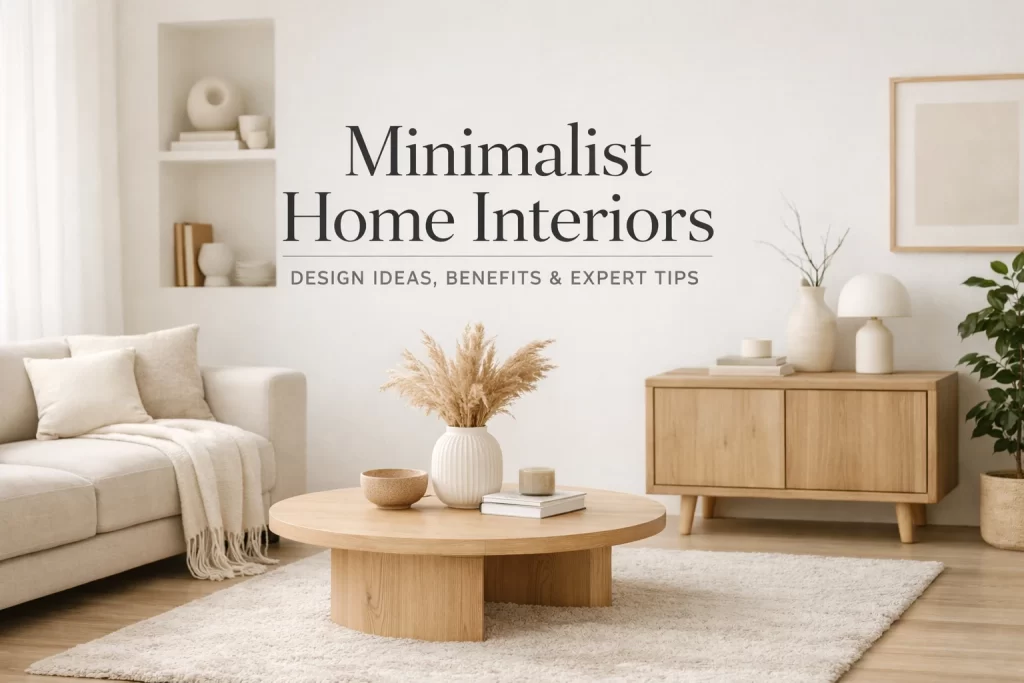

Modern homes are increasingly moving toward simplicity, functionality, and calm living environments. One design approach that perfectly represents these values is minimalist interior design. Minimalist home interiors focus on creating clean, uncluttered spaces where every element has a purpose and contributes to the overall harmony of the home.
In today’s fast-paced world, many homeowners are realizing the benefits of simplifying their living spaces. A minimalist home eliminates unnecessary items and replaces them with thoughtfully designed furniture, neutral color palettes, and well-organized layouts. The result is a home that feels peaceful, spacious, and visually balanced.
Minimalist interiors are not about removing personality or warmth from a home. Instead, they focus on intentional design—choosing quality materials, functional furniture, and timeless aesthetics. This design philosophy allows homeowners to enjoy spaces that are both beautiful and practical.
What Are Minimalist Home Interiors?
Minimalist home interiors are based on the principle that simplicity can create powerful visual and emotional impact. The concept revolves around removing excess and focusing on essential elements that contribute to comfort, function, and aesthetics.
Definition of Minimalist Interior Design
Minimalist interior design is a design style that prioritizes simplicity, clean lines, and functional spaces. Instead of filling rooms with numerous decorative items, minimalist design emphasizes carefully chosen furniture and limited décor that enhances the overall environment.
This design style often features neutral colors, open spaces, simple furniture, and plenty of natural light. Each element within the room serves a purpose and contributes to a cohesive visual balance.
Origins of Minimalism in Interior Design
The minimalist design movement was influenced by modern architecture and Japanese design philosophy. Traditional Japanese interiors emphasize harmony, balance, and simplicity—principles that strongly shaped modern minimalist design.
During the mid-20th century, architects and designers began embracing the idea that spaces could be elegant without excessive decoration. Minimalism soon became popular in architecture, art, and interior design.
Today, minimalist interiors are widely adopted in modern apartments, urban homes, and contemporary residences around the world.
Core Philosophy Behind Minimalist Living
The core philosophy of minimalist living revolves around intentional choices. Instead of accumulating many objects, homeowners focus on selecting fewer, high-quality items that enhance daily life.
Minimalism also encourages mindful living. By reducing clutter and distractions, people can create environments that support relaxation, productivity, and mental clarity. A minimalist home ultimately promotes a more balanced and organized lifestyle.
Key Principles of Minimalist Home Interiors
Minimalist interiors follow certain design principles that help maintain simplicity while ensuring functionality and aesthetic appeal.
Simplicity in Design
Simplicity is the foundation of minimalist interiors. Rooms are designed with clean lines, uncluttered surfaces, and straightforward layouts. Furniture pieces typically have simple shapes and minimal ornamentation.
This simplicity helps create spaces that feel calm and visually balanced, allowing homeowners to enjoy a peaceful atmosphere without overwhelming visual elements.
Functionality Over Decoration
In minimalist design, functionality is always prioritized over decoration. Every piece of furniture or décor should serve a clear purpose.
For example, a coffee table may include hidden storage, or a bed frame might contain built-in drawers. Multi-functional furniture helps maintain a clutter-free environment while maximizing the usability of the space.
Neutral Color Palettes
Neutral colors are a defining feature of minimalist home interiors. Shades such as white, beige, grey, and soft earth tones create a calm and cohesive environment.
These colors reflect light and make rooms feel larger and more open. Neutral palettes also allow furniture and textures to stand out without overwhelming the visual harmony of the space.
Open and Airy Spaces
Minimalist homes emphasize open layouts and a sense of spaciousness. Natural light plays an important role in achieving this effect.
Large windows, open floor plans, and minimal barriers help create seamless transitions between different areas of the home. This openness contributes to a more relaxed and inviting atmosphere.
Quality Over Quantity
Rather than filling a room with numerous furniture pieces, minimalist design encourages investing in fewer, high-quality items.
A well-crafted sofa, a durable dining table, or a beautifully designed light fixture can become a focal point of the room. These carefully selected pieces provide both functionality and long-lasting style.
Benefits of Minimalist Home Interiors
Adopting minimalist home interiors offers several advantages beyond aesthetic appeal. This design approach can positively impact both lifestyle and daily living experiences.
Creates a Calm and Stress-Free Environment
A cluttered environment can often lead to feelings of stress and distraction. Minimalist interiors reduce visual noise by limiting unnecessary objects and decorations.
Clean and organized spaces help create a sense of calm, allowing homeowners to relax and focus on what truly matters.
Easier Maintenance and Cleaning
One of the most practical benefits of minimalist design is simplified maintenance. With fewer items in each room, cleaning becomes faster and more efficient.
Minimal furniture and décor mean less dust accumulation and fewer surfaces that require constant upkeep.
Maximizes Space in Modern Homes
Minimalist interiors are particularly effective in smaller homes and apartments. By eliminating unnecessary furniture and emphasizing open layouts, minimalist design makes spaces appear larger and more comfortable.
Strategic storage solutions and streamlined furniture help maximize every square foot of the home.
Improves Functionality
Minimalist design encourages efficient space planning. Furniture placement, storage systems, and room layouts are designed to support everyday activities.
As a result, homes become more practical and easier to navigate.
Timeless Design Appeal
Unlike many interior trends that change quickly, minimalist interiors have a timeless quality. The focus on simplicity, neutral colors, and functional design ensures that minimalist homes remain stylish for many years.
Essential Elements of Minimalist Home Interiors
Certain design elements are essential for achieving a successful minimalist interior.
Minimalist Furniture
Furniture in minimalist homes typically features sleek designs, simple shapes, and neutral colors. Low-profile sofas, platform beds, and streamlined dining tables are commonly used.
These pieces provide comfort while maintaining a clean and uncluttered appearance.
Neutral Color Schemes
Neutral color palettes help create visual harmony throughout the home. Soft whites, warm beiges, and subtle greys allow different elements of the room to blend seamlessly together.
These colors also provide flexibility for adding textures and subtle accents.
Natural Materials
Minimalist interiors often incorporate natural materials such as wood, stone, linen, and cotton. These materials add warmth and texture while maintaining simplicity.
Natural materials also create a connection with nature, enhancing the overall comfort of the home.
Smart Storage Solutions
Hidden storage plays a crucial role in maintaining minimalist interiors. Built-in cabinets, under-bed storage, and wall-mounted shelves help keep everyday items organized.
Well-planned storage prevents clutter from accumulating while preserving the clean aesthetic of the space.
Thoughtful Decorative Elements
Minimalist design does not eliminate decoration entirely. Instead, it encourages choosing a few meaningful decorative pieces.
A single artwork, a sculptural vase, or a carefully placed plant can enhance the character of the room without overwhelming the space.
Minimalist Interior Design Ideas for Different Rooms
Each room in the home can benefit from minimalist design principles while still maintaining its unique functionality.
Minimalist Living Room Design
Simple Sofa and Functional Furniture
The living room is often the central gathering space in a home. A minimalist living room typically features a comfortable sofa, a simple coffee table, and limited additional furniture.
Clean lines and neutral tones create an inviting yet uncluttered environment.
Minimal Wall Décor
Instead of covering walls with multiple frames or decorations, minimalist living rooms often feature one or two carefully chosen artworks.
This approach maintains visual balance while allowing the décor to stand out.
Neutral Color Palettes
Soft color palettes help create a relaxing atmosphere in the living room. Light tones reflect natural light and enhance the spacious feel of the room.
Minimalist Bedroom Design
Platform Beds and Clean Layouts
A platform bed with a simple headboard is a common feature in minimalist bedrooms. The bed becomes the focal point while the rest of the room remains clean and uncluttered.
Minimal Wardrobes and Storage
Built-in wardrobes and hidden storage solutions help maintain a tidy environment. Organized storage ensures that personal belongings remain out of sight.
Soft Lighting and Calm Colors
Warm lighting and soothing color palettes contribute to a peaceful sleeping environment. Table lamps, wall lights, and subtle ambient lighting create a relaxing mood.
Minimalist Kitchen Design
Handleless Cabinets
Modern minimalist kitchens often feature handleless cabinets that create a seamless appearance. These designs enhance the sleek and streamlined look of the kitchen.
Hidden Storage Solutions
Pull-out drawers, built-in organizers, and concealed appliances help maintain clean countertops.
Clean Countertops
Minimalist kitchens keep countertops free from unnecessary appliances or décor. This approach improves both functionality and visual appeal.
Minimalist Bathroom Design
Floating Vanities
Floating vanities create the illusion of more floor space and contribute to the clean aesthetic of minimalist bathrooms.
Neutral Tiles and Simple Fixtures
Tiles in neutral shades help maintain a cohesive design. Simple fixtures and minimal accessories ensure that the space remains elegant and uncluttered.
Glass Shower Partitions
Glass partitions enhance openness and allow light to flow freely throughout the bathroom.
Minimalist Home Office Design
Clutter-Free Work Desk
A minimalist home office focuses on productivity. A simple desk, comfortable chair, and organized workspace help reduce distractions.
Ergonomic Furniture
Comfortable and supportive furniture ensures that the workspace remains functional for long working hours.
Organized Storage
Shelves, cabinets, and drawers help keep office supplies neatly arranged.
Color Palettes for Minimalist Interiors
Color selection plays a major role in defining minimalist interiors.
Classic White Minimalism
White interiors create a bright, clean, and timeless look. White walls and furniture help reflect natural light and enhance the sense of openness.
Beige and Earthy Minimalist Tones
Beige and earthy colors add warmth to minimalist spaces. These tones create a cozy yet elegant atmosphere.
Monochrome Minimalist Style
Black and white combinations provide strong contrast while maintaining simplicity. Monochrome interiors are often used in contemporary minimalist homes.
Soft Pastels in Minimalist Spaces
Subtle pastel shades can introduce color without disrupting the calm aesthetic of minimalist design.
Furniture Choices for Minimalist Homes
Furniture selection plays a crucial role in achieving minimalist interiors.
Multi-Functional Furniture
Multi-purpose furniture helps maximize space while reducing clutter. Examples include storage beds, foldable tables, and sofa beds.
Built-In Furniture Designs
Built-in furniture creates seamless storage solutions that blend with the architecture of the home.
Modular Furniture for Small Spaces
Modular furniture allows homeowners to rearrange layouts according to their needs.
Low-Profile Furniture Styles
Low-height furniture contributes to a spacious and modern aesthetic.
Lighting Ideas for Minimalist Interiors
Lighting significantly influences the atmosphere of minimalist homes.
Natural Lighting Importance
Large windows and open layouts allow natural light to brighten the interiors and create a refreshing environment.
Recessed and Cove Lighting
Hidden lighting fixtures provide soft illumination without adding visual clutter.
Minimalist Pendant Lights
Simple pendant lights can serve as subtle focal points while maintaining design harmony.
Soft Ambient Lighting
Layered lighting creates warmth and enhances the overall comfort of the home.
Minimalist Décor Ideas That Add Personality
Minimalist interiors can still express personality through carefully chosen décor elements.
Indoor Plants
Plants bring freshness and natural beauty to minimalist spaces.
Statement Art Pieces
A single artwork can add character without overwhelming the room.
Textured Fabrics
Soft textiles such as rugs, cushions, and curtains add depth and comfort.
Minimal Sculptures and Objects
Decorative objects should be minimal yet meaningful.
Common Mistakes to Avoid in Minimalist Interior Design
Even though minimalist design focuses on simplicity, certain mistakes can reduce its effectiveness.
Making the Space Look Too Empty
Minimalism does not mean removing everything. Spaces should still feel warm and livable.
Ignoring Comfort
Comfort should never be sacrificed for aesthetics.
Overusing White Without Texture
Adding textures prevents spaces from appearing sterile.
Lack of Storage Planning
Without proper storage, clutter can quickly accumulate.
Minimalist Interior Design Tips for Small Homes
Minimalist design is particularly effective in compact living spaces.
Use Vertical Storage
Wall-mounted shelves maximize storage while preserving floor space.
Choose Light Colors
Light colors make rooms appear larger and brighter.
Invest in Multi-Functional Furniture
Furniture that serves multiple purposes helps maintain simplicity.
Keep Décor Limited
Limiting decorative items prevents visual clutter.
Future Trends in Minimalist Home Interiors
Minimalist design continues to evolve with modern technology and sustainability.
Smart Minimalist Homes
Technology is increasingly integrated into minimalist homes through smart lighting, automated curtains, and intelligent appliances.
Sustainable Minimalist Design
Eco-friendly materials and energy-efficient solutions are becoming essential elements of modern minimalist interiors.
Natural and Organic Materials
Designers are incorporating more organic textures to create warm and inviting spaces.
Technology-Integrated Interiors
Future minimalist homes will seamlessly blend technology with elegant design.
Conclusion
Minimalist home interiors offer a perfect balance of simplicity, functionality, and elegance. By focusing on essential elements, neutral color palettes, and well-designed furniture, homeowners can create spaces that feel calm, organized, and timeless.
Minimalism is not just a design trend—it is a lifestyle approach that promotes mindful living and intentional design choices. Whether applied to small apartments or spacious homes, minimalist interiors provide a refreshing alternative to cluttered environments.
With thoughtful planning and attention to detail, anyone can transform their home into a beautiful minimalist sanctuary that supports both comfort and modern living.