
Minimalist Interior Design for Clutter-Free Living
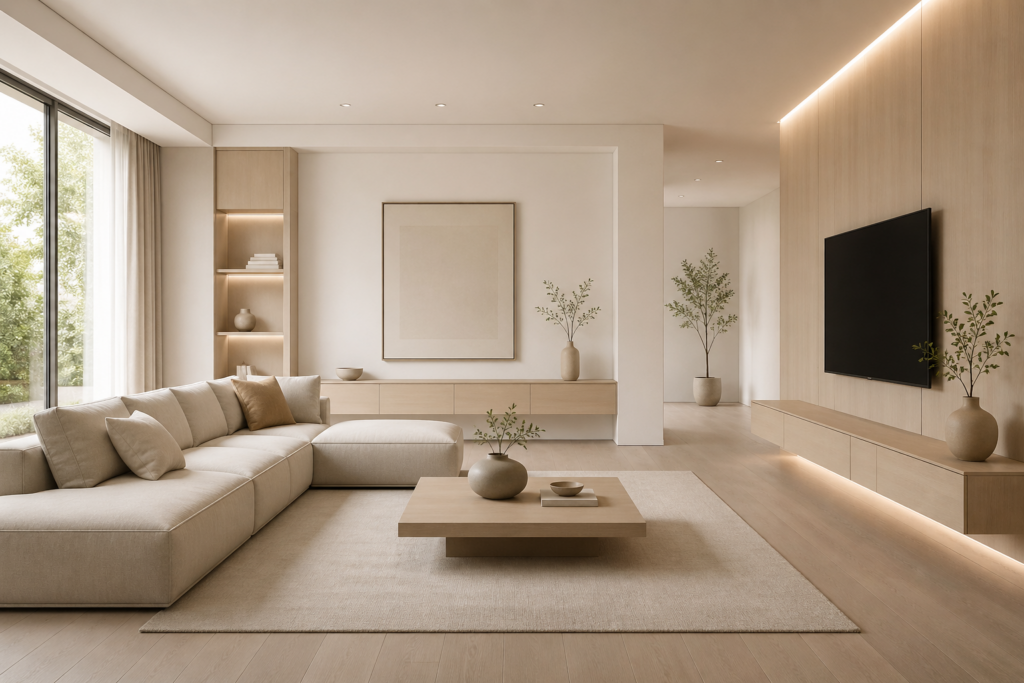

In today’s fast-paced world, our homes should be more than just places to live—they should be spaces where we can relax, recharge, and feel at peace. However, clutter often stands in the way of achieving that sense of calm. This is where minimalist interior design comes in.
Minimalist design is not about empty rooms or sacrificing comfort. Instead, it focuses on intentional living—keeping only what truly adds value while removing excess. A clutter-free home doesn’t just look beautiful; it also improves mental clarity, reduces stress, and enhances overall well-being.
In this detailed guide by Avinnyya, you’ll learn how to transform your home into a minimalist sanctuary using practical strategies, room-by-room ideas, and sustainable habits.
What is Minimalist Interior Design?
Minimalist interior design is a design philosophy centered around the idea of “less is more.” It emphasizes simplicity, functionality, and clean aesthetics while eliminating unnecessary elements.
Core Principles of Minimalism
At its heart, minimalist design is guided by a few essential principles:
- Simplicity: Every element in a room should serve a purpose.
- Functionality: Furniture and decor should be practical and useful.
- Clean Lines: Straight, uncluttered lines create a sense of order.
- Open Spaces: Avoid overcrowding to allow the space to breathe.
Minimalism is often misunderstood as making a home feel empty or cold. In reality, it’s about creating balance—where each piece stands out and contributes to the overall harmony of the space.
Benefits of a Clutter-Free Minimalist Home
Adopting minimalist interior design offers more than just visual appeal. It brings tangible benefits that improve your lifestyle.
Reduced Stress and Mental Clarity
Clutter can overwhelm the mind, making it harder to focus or relax. A minimalist environment promotes calmness and mental clarity.
Easier Maintenance
With fewer items to manage, cleaning becomes quicker and more efficient. This saves both time and effort in your daily routine.
Better Space Utilization
Minimalist design ensures that every inch of space is used effectively, making even small homes feel larger and more open.
Financial Savings
When you focus on buying fewer, high-quality items, you naturally spend less on unnecessary purchases.
Enhanced Aesthetic Appeal
A minimalist home looks modern, elegant, and timeless—qualities that never go out of style.
Core Elements of Minimalist Interior Design
To achieve a clutter-free home, it’s important to understand the essential elements that define minimalist interiors.
Neutral Color Palette
Minimalist spaces typically use neutral colors like white, beige, grey, and soft earth tones. These colors create a calm and cohesive look.
You can add depth through textures such as linen, wood, or subtle patterns without overwhelming the space.
Functional Furniture
In minimalist design, furniture should be both beautiful and practical. Multi-functional pieces, such as storage beds or foldable tables, are ideal.
Instead of filling a room with multiple items, choose fewer pieces that serve multiple purposes.
Open Space and Layout
Minimalism thrives on open layouts. Avoid overcrowding rooms with too much furniture or decor. Leaving empty space is intentional—it enhances the overall design.
Natural Light
Lighting plays a crucial role in minimalist interiors. Large windows, sheer curtains, and strategically placed mirrors help maximize natural light, making spaces feel brighter and more inviting.
Minimal Decor
Decor in a minimalist home should be intentional. Instead of displaying many small items, opt for a few statement pieces like artwork, plants, or sculptures.
Step-by-Step Guide to Achieving a Minimalist Home
Transforming your home doesn’t happen overnight, but following a structured approach makes the process manageable.
Declutter First
Start by removing items you no longer need. Go room by room and categorize belongings into:
- Keep
- Donate
- Discard
This step is crucial because minimalism begins with eliminating excess.
Choose a Simple Color Scheme
Limit your color palette to two or three main shades. This creates visual harmony and prevents the space from feeling chaotic.
Invest in Smart Storage Solutions
Hidden storage helps maintain a clean look. Consider:
- Built-in cabinets
- Under-bed storage
- Wall-mounted shelves
These solutions keep essentials accessible without creating visual clutter.
Reduce Furniture
Evaluate each piece of furniture and ask whether it’s truly necessary. Removing bulky or unused items instantly creates more space.
Adopt a “One In, One Out” Rule
To maintain a clutter-free home, adopt this simple rule: whenever you bring in something new, remove an old item.
Minimalist Design Ideas for Each Room
Every room in your home can benefit from minimalist design principles.
Living Room
The living room should feel open and inviting. Choose a neutral sofa, a simple coffee table, and minimal decor.
Avoid overcrowding shelves and keep surfaces clean. A single piece of artwork or a plant can serve as a focal point.
Bedroom
A minimalist bedroom promotes better sleep and relaxation. Use simple bedding, neutral tones, and minimal furniture.
Keep bedside tables uncluttered and limit decor to a few meaningful items.
Kitchen
A clutter-free kitchen is both functional and visually appealing. Keep countertops clear by storing appliances inside cabinets.
Use organizers to keep utensils and ingredients neatly arranged.
Bathroom
In minimalist bathrooms, less is more. Keep only essential products visible and store the rest in cabinets or drawers.
Use clean lines and neutral colors to create a spa-like atmosphere.
Home Office
A minimalist workspace enhances productivity. Keep your desk clean, organize cables, and avoid unnecessary items that can distract you.
Common Mistakes to Avoid
While minimalism is simple in concept, it’s easy to make mistakes during implementation.
Over-Decluttering
Removing too many items can make a space feel cold and uninviting. Balance is key.
Ignoring Comfort
Minimalism should not compromise comfort. Choose furniture that is both functional and comfortable.
Buying Unnecessary “Minimalist” Decor
Minimalism is not about buying new items labeled as “minimal.” Focus on reducing, not replacing.
Lack of Storage Planning
Without proper storage, clutter can quickly return. Plan your storage solutions carefully.
Budget-Friendly Minimalist Tips
You don’t need a large budget to embrace minimalist design.
Repurpose Existing Furniture
Instead of buying new items, update what you already have with simple changes like repainting or rearranging.
DIY Storage Solutions
Create your own storage using baskets, boxes, or shelves.
Declutter Instead of Buying
Often, the best way to improve your space is by removing items rather than adding new ones.
Shop Smart
When necessary, invest in high-quality pieces that will last longer.
How to Maintain a Minimalist Lifestyle
Minimalism is not a one-time effort—it’s an ongoing process.
Daily Habits
Spend a few minutes each day putting things back in their place.
Weekly Decluttering
Set aside time each week to reassess your belongings and remove anything unnecessary.
Mindful Shopping
Before buying anything, ask yourself if it truly adds value to your life.
Minimalism and Mental Wellness
A clutter-free environment has a direct impact on your mental health. When your surroundings are clean and organized, your mind feels calmer and more focused.
Minimalist homes create a sense of peace, making it easier to relax after a long day. They also improve productivity by reducing distractions, especially in workspaces.
Conclusion
Minimalist interior design is more than just a trend—it’s a lifestyle that promotes clarity, simplicity, and intentional living. By focusing on what truly matters and eliminating excess, you can create a home that feels both functional and beautiful.
Start small, take it one step at a time, and remember that minimalism is about progress, not perfection. Whether you’re redesigning a single room or your entire home, the principles of minimalism can help you achieve a clutter-free, peaceful living environment.
If you’re looking for expert guidance, explore how a professional interior design company in bangalore can help bring your minimalist vision to life with customized solutions.