
Minimalist Interior Design for Clutter-Free Living: A Complete Guide by Avinnyya
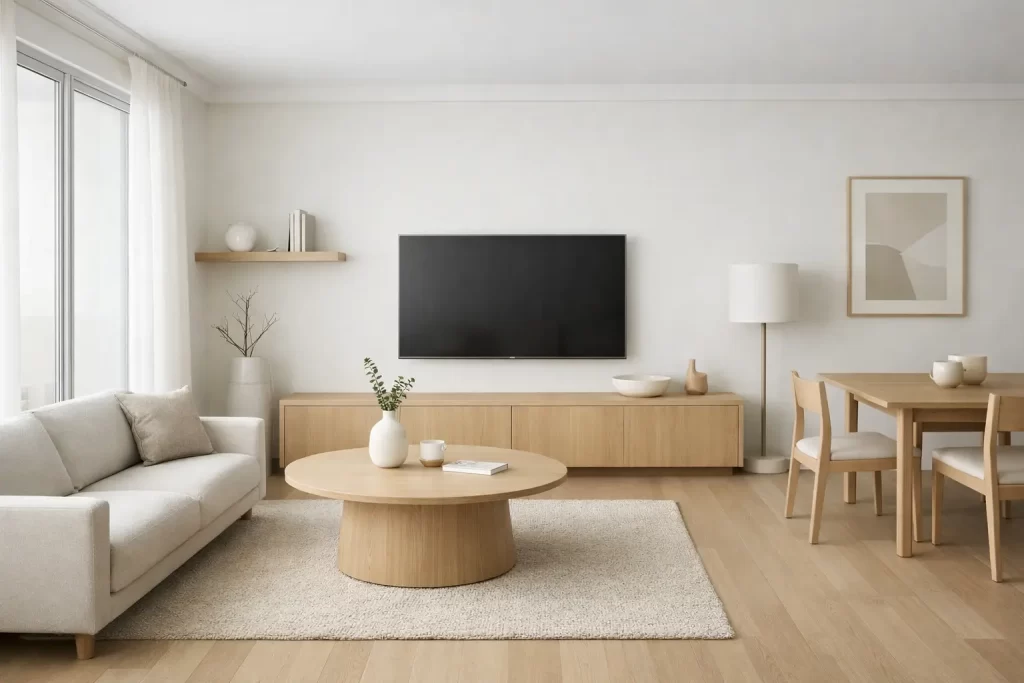

Minimalist interior design is more than just a visual trend—it’s a lifestyle philosophy that prioritizes simplicity, clarity, and intentional living. In today’s fast-paced urban environment, where homes often become crowded with unnecessary items, adopting a minimalist approach can transform not only your space but also your mindset. A clutter-free home promotes calmness, enhances productivity, and allows you to focus on what truly matters.
At Avinnyya, we believe that every home should reflect a balance between aesthetics and functionality. Minimalist interior design is about creating spaces that feel open, breathable, and purposeful without sacrificing comfort or personality. This comprehensive guide will walk you through everything you need to know about achieving a clutter-free living environment through minimalist design.
Introduction to Minimalist Interior Design
What is Minimalist Interior Design?
Minimalist interior design is rooted in the principle of “less is more.” It emphasizes simplicity, clean lines, and a limited color palette while focusing on functionality. Instead of filling a space with decorative elements, minimalist design encourages thoughtful selection of essential items that serve a purpose.
In a minimalist home, every piece of furniture, décor, or accessory has a reason to exist. This approach eliminates visual noise and creates a harmonious environment where each element contributes to the overall design. The goal is not to create an empty space but to design a meaningful one where quality takes precedence over quantity.
Why Minimalism is Trending in Modern Homes
Minimalism has gained immense popularity in recent years, especially in urban settings. With smaller apartments and busy lifestyles becoming the norm, homeowners are seeking ways to simplify their living spaces. A clutter-free home is easier to manage, maintain, and clean, making it ideal for modern living.
Beyond practicality, minimalism also addresses mental well-being. A well-organized and uncluttered environment reduces stress and promotes a sense of calm. Additionally, the growing awareness of sustainable living has encouraged people to consume less and invest in long-lasting, high-quality products—making minimalist design both eco-friendly and timeless.
Core Principles of Minimalist Interior Design
Simplicity and Functionality
At the heart of minimalist design lies the idea that every element should serve a purpose. Furniture and décor are chosen based on their utility rather than their decorative appeal alone. This ensures that the space remains practical while maintaining a clean and elegant look.
For instance, instead of having multiple decorative items on a table, a minimalist approach would involve selecting one statement piece that complements the room. This not only enhances visual appeal but also reduces clutter.
Clean Lines and Open Spaces
Minimalist interiors are characterized by clean, straight lines and uncluttered layouts. Open spaces are essential to create a sense of freedom and movement within the home. By avoiding overcrowding, the design allows natural light to flow freely, making the space feel larger and more inviting.
Strategic furniture placement plays a crucial role in achieving this look. Leaving enough breathing room between elements ensures that the space does not feel cramped or overwhelming.
Neutral Color Palette
A neutral color palette is a defining feature of minimalist interiors. Shades like white, beige, grey, and soft pastels create a calming and cohesive atmosphere. These colors reflect light, making rooms appear brighter and more spacious.
While neutral tones dominate, subtle contrasts can be introduced through textures or accent pieces. This adds depth to the design without disrupting its simplicity.
Quality Over Quantity
Minimalism encourages investing in fewer but high-quality items. Instead of purchasing multiple inexpensive pieces, homeowners are encouraged to choose durable and timeless designs that will last for years.
This principle not only enhances the overall aesthetic but also supports sustainable living by reducing waste and overconsumption.
Benefits of a Clutter-Free Living Space
Improved Mental Well-being
A clutter-free home has a direct impact on mental health. When your surroundings are organized and visually calm, it becomes easier to relax and focus. Studies have shown that excessive clutter can lead to stress and anxiety, while a clean environment promotes clarity and peace of mind.
Better Space Utilization
Minimalist design makes the most of available space. By eliminating unnecessary items, even small homes can feel spacious and functional. Smart storage solutions and multi-purpose furniture further enhance usability without compromising on style.
Easy Maintenance and Cleaning
One of the most practical advantages of minimalism is ease of maintenance. With fewer items to manage, cleaning becomes quicker and more efficient. This is especially beneficial for busy individuals who want a tidy home without spending hours organizing.
Sustainable Living
Minimalism aligns closely with sustainability. By consuming less and choosing eco-friendly materials, homeowners can reduce their environmental footprint. This approach encourages mindful living and responsible consumption.
How to Declutter Your Home – Step-by-Step Guide
Step 1: Assess and Categorize
The first step towards a minimalist home is evaluating your belongings. Divide items into categories such as keep, donate, and discard. This process helps you identify what is truly essential and what can be let go.
Step 2: Start Small
Decluttering can feel overwhelming if tackled all at once. Begin with a single room or even a small area like a drawer or shelf. Gradually move to larger spaces as you gain momentum.
Step 3: Adopt the One-In-One-Out Rule
To maintain a clutter-free home, follow the one-in-one-out rule. For every new item you bring in, remove an existing one. This prevents accumulation and keeps your space organized.
Step 4: Organize Smartly
Effective storage solutions are key to minimalism. Use baskets, boxes, and hidden compartments to keep items out of sight while ensuring easy access. Built-in storage options are particularly useful for maintaining a clean look.
Step 5: Maintain Minimalism
Minimalism is not a one-time effort but a continuous practice. Develop daily habits such as putting things back in their place and avoiding unnecessary purchases. Consistency is essential to sustain a clutter-free lifestyle.
Room-by-Room Minimalist Design Ideas
Minimalist Living Room
The living room is often the focal point of a home, making it an ideal space to embrace minimalism. Opt for sleek furniture with clean lines and avoid overcrowding the area with decorative items. A neutral sofa, a simple coffee table, and a few carefully chosen accents like a plant or artwork can create a balanced and inviting space.
Multi-functional furniture, such as storage ottomans or foldable tables, can enhance usability without adding clutter.
Minimalist Bedroom
A minimalist bedroom should feel like a sanctuary. Choose a low-profile bed, neutral bedding, and minimal décor to create a calming environment. Keep surfaces like bedside tables free from unnecessary items.
Storage plays a crucial role in maintaining simplicity. Built-in wardrobes and under-bed storage solutions help keep belongings organized and out of sight.
Minimalist Kitchen
In a minimalist kitchen, functionality is key. Keep countertops clear and store appliances in cabinets when not in use. Handle-less cabinets and streamlined designs contribute to a clean and modern look.
Organizing utensils and pantry items efficiently ensures that everything has its place, reducing visual clutter.
Minimalist Bathroom
A minimalist bathroom focuses on simplicity and cleanliness. Use floating vanities and wall-mounted fixtures to create a sense of space. Limit toiletries on display and store them in cabinets or drawers.
Neutral colors and simple finishes enhance the overall aesthetic, making the bathroom feel fresh and relaxing.
Minimalist Home Office
With remote work becoming more common, a minimalist home office is essential for productivity. Choose a clean desk setup with minimal distractions. Ergonomic furniture and proper cable management contribute to a functional and organized workspace.
Choosing the Right Furniture for Minimalist Interiors
Multi-Functional Furniture
Furniture that serves multiple purposes is ideal for minimalist homes. Sofa-cum-beds, extendable dining tables, and storage benches maximize utility while minimizing the number of items in a space.
Space-Saving Designs
Compact and wall-mounted furniture helps optimize space, especially in smaller homes. Foldable or stackable pieces can be stored away when not in use, maintaining a clean look.
Material Selection
Natural materials such as wood, metal, and glass are commonly used in minimalist design. These materials add texture and warmth without overwhelming the space. Choosing high-quality finishes ensures durability and timeless appeal.
Minimalist Color Schemes and Lighting
Best Color Combinations
Minimalist interiors typically feature monochromatic or neutral color schemes. Combining different shades of the same color adds depth while maintaining simplicity. Earthy tones can also be used to create a warm and inviting atmosphere.
Importance of Natural Light
Natural light is a key element of minimalist design. Large windows and sheer curtains allow sunlight to fill the space, enhancing its openness and brightness. This reduces the need for artificial lighting during the day.
Artificial Lighting Tips
Layered lighting, including ambient, task, and accent lighting, ensures functionality without clutter. Choose simple fixtures with clean designs to complement the overall aesthetic.
Smart Storage Solutions for Clutter-Free Living
Hidden Storage Ideas
Hidden storage is essential for maintaining a minimalist look. Under-bed compartments, built-in wardrobes, and concealed cabinets keep items out of sight while maximizing space.
Vertical Storage
Utilizing vertical space is an effective way to reduce clutter. Wall-mounted shelves and tall cabinets provide ample storage without occupying floor space.
Decluttering Hacks
Simple hacks like using labeled boxes, drawer organizers, and storage bins can make a significant difference. These solutions help keep items organized and easily accessible.
Common Mistakes to Avoid in Minimalist Design
Over-Minimalism
While minimalism promotes simplicity, going too far can make a space feel empty and uninviting. It’s important to strike a balance by adding subtle elements that bring warmth and character.
Ignoring Comfort
A minimalist home should still be comfortable. Avoid sacrificing functionality or comfort in the pursuit of aesthetics. Choose furniture that is both stylish and practical.
Poor Storage Planning
Without proper storage, clutter can quickly reappear. Investing in smart storage solutions is essential to maintain a clean and organized space.
Lack of Personalization
Minimalism does not mean eliminating personality. Incorporate meaningful items such as artwork, photographs, or souvenirs to make the space feel uniquely yours.
Minimalist Interior Design Trends in India (2026)
Japandi Style Influence
The fusion of Japanese and Scandinavian design, known as Japandi, is gaining popularity in India. It combines simplicity, functionality, and natural elements to create serene living spaces.
Sustainable Materials
Eco-friendly materials such as bamboo, reclaimed wood, and recycled products are becoming increasingly popular. These choices align with the principles of minimalism and sustainability.
Smart Homes Integration
Technology is playing a significant role in minimalist interiors. Smart lighting, automated systems, and space-saving gadgets enhance convenience while maintaining a clean aesthetic.
Why Choose Avinnyya for Minimalist Interior Design
Expertise in Modern Minimal Spaces
Avinnyya specializes in creating modern, minimalist interiors tailored to individual needs. With a deep understanding of design principles, the team ensures that every space is both functional and visually appealing.
Customized Storage Solutions
Every home is unique, and Avinnyya offers customized storage solutions that maximize space while maintaining a clutter-free look.
End-to-End Interior Services
From concept to execution, Avinnyya provides comprehensive interior design services. Their holistic approach ensures a seamless and stress-free experience for homeowners.
Client-Centric Approach
At Avinnyya, the focus is on understanding the client’s lifestyle and preferences. This ensures that the final design reflects their personality while adhering to minimalist principles. If you’re looking for a trusted interior design company in bangalore, Avinnyya delivers solutions that combine style, functionality, and innovation.
Conclusion
Minimalist interior design is a powerful way to create a clutter-free and harmonious living environment. By focusing on simplicity, functionality, and quality, you can transform your home into a space that promotes peace and well-being. Whether you’re redesigning a single room or your entire home, adopting minimalist principles can have a lasting impact on your lifestyle.