
Modern vs Traditional Interior Design: Which One is Right for You?
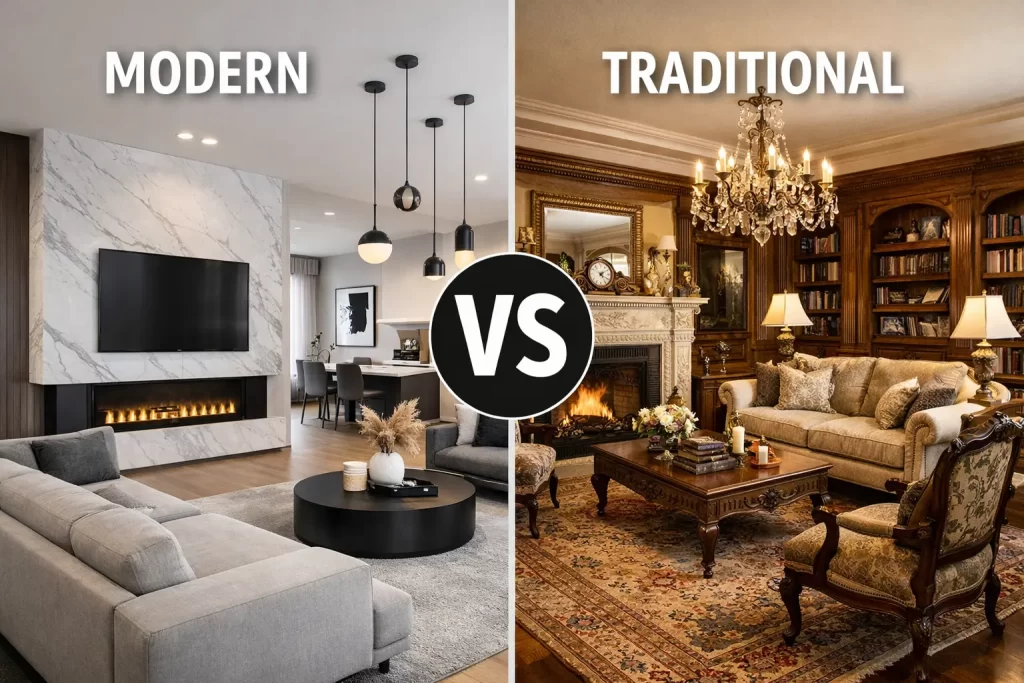

Choosing the right interior design style is one of the most important decisions when designing or renovating your home. Your interiors are not just about aesthetics—they reflect your personality, lifestyle, and even your daily habits. Among the many styles available today, modern and traditional interior design remain the most popular choices, especially in Indian homes where both contemporary living and cultural roots hold strong importance.
However, many homeowners find themselves confused between these two distinct styles. Should you go for a sleek, minimal modern look or embrace the warmth and richness of traditional design? The answer isn’t always straightforward, as both styles offer unique advantages.
At Avinnyya, we understand that every home and homeowner is different. This guide will help you deeply understand both styles, compare their features, and ultimately decide which one aligns best with your vision and lifestyle.
Understanding Interior Design Styles
What Defines an Interior Design Style?
An interior design style is defined by a combination of elements such as color palettes, furniture types, materials, textures, spatial layout, and decorative accents. These elements work together to create a cohesive look and feel within a space.
For instance, a modern design focuses on simplicity, clean lines, and functionality, while traditional design emphasizes elegance, detail, and timeless beauty. Beyond visual appeal, your design style also reflects how you use your space—whether you prefer minimal clutter or enjoy surrounding yourself with meaningful décor.
Why Your Choice of Style Matters
Selecting the right interior design style goes beyond trends. It directly impacts your comfort, mood, and how efficiently your space functions. A well-chosen style ensures your home feels cohesive and enjoyable for years to come.
Additionally, interior design is a long-term investment. Furniture, finishes, and layouts are not frequently changed, so making the right decision initially can save both time and money in the future.
What is Modern Interior Design?
Key Characteristics of Modern Design
Modern interior design is rooted in simplicity and functionality. It emphasizes clean lines, uncluttered spaces, and a “less is more” philosophy. Neutral color palettes such as whites, greys, and beiges dominate modern interiors, creating a calm and sophisticated environment.
Open floor plans are another hallmark of modern design, allowing spaces to flow seamlessly into one another. Materials like glass, steel, and concrete are commonly used, giving the interiors a sleek and polished look.
Popular Modern Design Elements
Modern homes often feature modular furniture that maximizes space and efficiency. Smart home technology is also a key component, integrating lighting, security, and appliances for convenience.
Decor is kept minimal, with a focus on a few statement pieces rather than multiple decorative items. Lighting plays a crucial role, often used as a design feature through pendant lights, LED strips, or geometric fixtures.
Pros of Modern Interior Design
One of the biggest advantages of modern design is its low maintenance. With fewer decorative elements and clutter-free layouts, cleaning and upkeep become much easier.
Modern interiors are also highly functional and ideal for compact urban homes, where space optimization is essential. The simplicity of the design ensures a timeless appeal that doesn’t feel overwhelming.
Cons of Modern Interior Design
Despite its many advantages, modern design can sometimes feel cold or impersonal if not executed thoughtfully. The lack of decorative elements may make spaces feel less cozy or inviting.
Additionally, achieving the perfect minimalist look requires careful planning, as even small design mistakes can disrupt the overall aesthetic.
What is Traditional Interior Design?
Key Characteristics of Traditional Design
Traditional interior design is inspired by classic European and Indian styles, characterized by rich colors, intricate detailing, and a sense of grandeur. It focuses on symmetry and balance, creating a structured and harmonious environment.
Wood is a dominant material in traditional interiors, often featuring carvings and ornate detailing. The overall look is warm, inviting, and deeply rooted in cultural aesthetics.
Popular Traditional Design Elements
Traditional homes often include antique or vintage furniture, heavy curtains, decorative rugs, and detailed artwork. Accessories such as chandeliers, sculptures, and handcrafted items add to the richness of the space.
Lighting is usually warm and ambient, enhancing the cozy and welcoming atmosphere.
Pros of Traditional Interior Design
Traditional design offers a timeless appeal that never goes out of style. It creates a warm and comfortable environment, making it ideal for family homes.
The use of rich materials and detailed craftsmanship adds a sense of luxury and elegance that is hard to replicate in modern styles.
Cons of Traditional Interior Design
One of the main drawbacks of traditional design is its maintenance. Intricate furniture and heavy décor require regular cleaning and care.
Additionally, if not balanced properly, traditional interiors can feel heavy or outdated, especially in smaller spaces.
Modern vs Traditional Interior Design: Key Differences
Color Palette
Modern interiors rely on neutral and subtle tones to create a calm and open feel. In contrast, traditional interiors use rich and bold colors such as deep reds, browns, and golds to create warmth and depth.
Furniture Style
Modern furniture is sleek, simple, and functional, often with clean lines and minimal detailing. Traditional furniture, on the other hand, is more ornate, featuring curves, carvings, and luxurious upholstery.
Materials Used
Modern design incorporates materials like glass, metal, and engineered wood, while traditional design focuses on natural materials such as solid wood, fabrics, and stone.
Layout and Space Planning
Modern homes embrace open layouts that maximize space and light. Traditional homes tend to have more defined and segmented spaces, offering privacy and structure.
Décor Approach
Modern décor is minimal and intentional, while traditional décor is layered and detailed, often showcasing a variety of textures and accessories.
Which Interior Design Style is Right for You?
Based on Your Lifestyle
If you lead a fast-paced, urban lifestyle and prefer simplicity, modern design is likely the better choice. It supports efficiency and low maintenance.
On the other hand, if you value cultural elements, heritage, and a cozy environment, traditional design may suit you better.
Based on Your Space
Modern design works exceptionally well in apartments and smaller homes where space optimization is crucial. Traditional design is better suited for larger homes or villas where there is room to showcase detailed elements.
Based on Budget
Modern interiors can be more cost-effective due to the use of modular solutions and simpler designs. Traditional interiors often involve higher costs due to handcrafted furniture and premium materials.
Based on Maintenance Preferences
If you prefer a low-maintenance home, modern design is ideal. If you enjoy detailed décor and don’t mind regular upkeep, traditional design can be a great fit.
Can You Combine Both Styles? (Modern Traditional Fusion)
What is Transitional Interior Design?
Transitional design is a perfect blend of modern and traditional styles. It combines the simplicity of modern design with the warmth and elegance of traditional interiors, creating a balanced and versatile look.
Tips to Achieve a Balanced Look
To create a fusion design, start with a neutral base and add traditional elements through furniture or décor. Pair sleek modern furniture with classic wooden pieces, or combine contemporary lighting with traditional textiles.
Mixing materials such as wood and metal can also create a harmonious blend. The key is to maintain balance and avoid overloading the space with too many contrasting elements.
Interior Design Trends in India (2026)
Rise of Modern Minimalism
With increasing urbanization, modern minimalism is becoming more popular, especially among younger homeowners. The focus is on functionality, simplicity, and smart living.
Revival of Traditional Elements
At the same time, there is a growing appreciation for traditional design elements, as homeowners seek to reconnect with their cultural roots.
Fusion Designs Gaining Popularity
Fusion interiors are emerging as the preferred choice, offering the best of both worlds. This trend reflects a shift towards personalized spaces that combine comfort with style.
How Avinnyya Helps You Choose the Perfect Style
Personalized Design Consultation
At Avinnyya, we begin by understanding your lifestyle, preferences, and vision. This helps us recommend a design style that truly reflects your personality.
Customized Interior Solutions
Every home is unique, and so are our designs. Whether you prefer modern, traditional, or a fusion of both, we create customized solutions tailored to your needs.
If you’re exploring a trusted interior design company in bangalore, Avinnyya offers expert solutions that combine creativity with functionality.
End-to-End Interior Services
From concept development to final execution, Avinnyya provides complete interior design services, ensuring a seamless and stress-free experience.
Common Mistakes to Avoid When Choosing a Style
One of the most common mistakes homeowners make is blindly following trends without considering their personal needs. What looks good in a showroom may not work in your daily life.
Ignoring functionality is another major issue. A beautiful space that doesn’t serve your needs can quickly become frustrating.
Overdecorating or under-decorating can also disrupt the balance of your interiors. It’s important to strike the right harmony between aesthetics and practicality.
Expert Tips from Avinnyya Designers
Start by creating a mood board to visualize your ideas and preferences. This will help you identify patterns and refine your style.
Always prioritize functionality before aesthetics. A well-designed space should be both beautiful and practical.
Invest in key furniture pieces that define your space, and build your design around them. Finally, maintain balance and ensure that all elements work together cohesively.
Conclusion
Modern and traditional interior design styles each offer their own unique charm and benefits. While modern design focuses on simplicity, functionality, and minimalism, traditional design celebrates richness, detail, and timeless elegance.
The right choice ultimately depends on your lifestyle, space, and personal preferences. If you find it difficult to choose, a fusion approach can offer the perfect balance between the two.
With expert guidance from Avinnyya, you can transform your home into a space that not only looks stunning but also feels truly yours.
Still unsure which interior design style is right for your home? Let Avinnyya bring your vision to life with personalized design solutions tailored just for you. Get in touch today for a consultation and start your journey toward a beautifully designed space.