
Residential vs Commercial Interiors: Key Differences Explained

Interior design is often seen as a single discipline, but in reality, designing a home and designing a commercial space are two very different challenges. While both involve planning layouts, selecting materials, and creating visually appealing environments, the purpose, priorities, and execution process vary significantly.
Understanding the difference between residential and commercial interiors is important for homeowners, business owners, and property investors. It helps set the right expectations, avoid costly mistakes, and ensure the space supports its real function.
At Avinnyya, every project begins with one simple principle: the space must work for the people who use it. Whether it’s a family home or a business environment, the design approach changes based on lifestyle, usage patterns, durability needs, and long-term goals.
This guide explains the key differences between residential and commercial interiors and how Avinnyya designs each with a tailored strategy.
1. Purpose: Living vs Performance
The biggest difference between residential and commercial interiors lies in the purpose of the space.
Residential Interiors
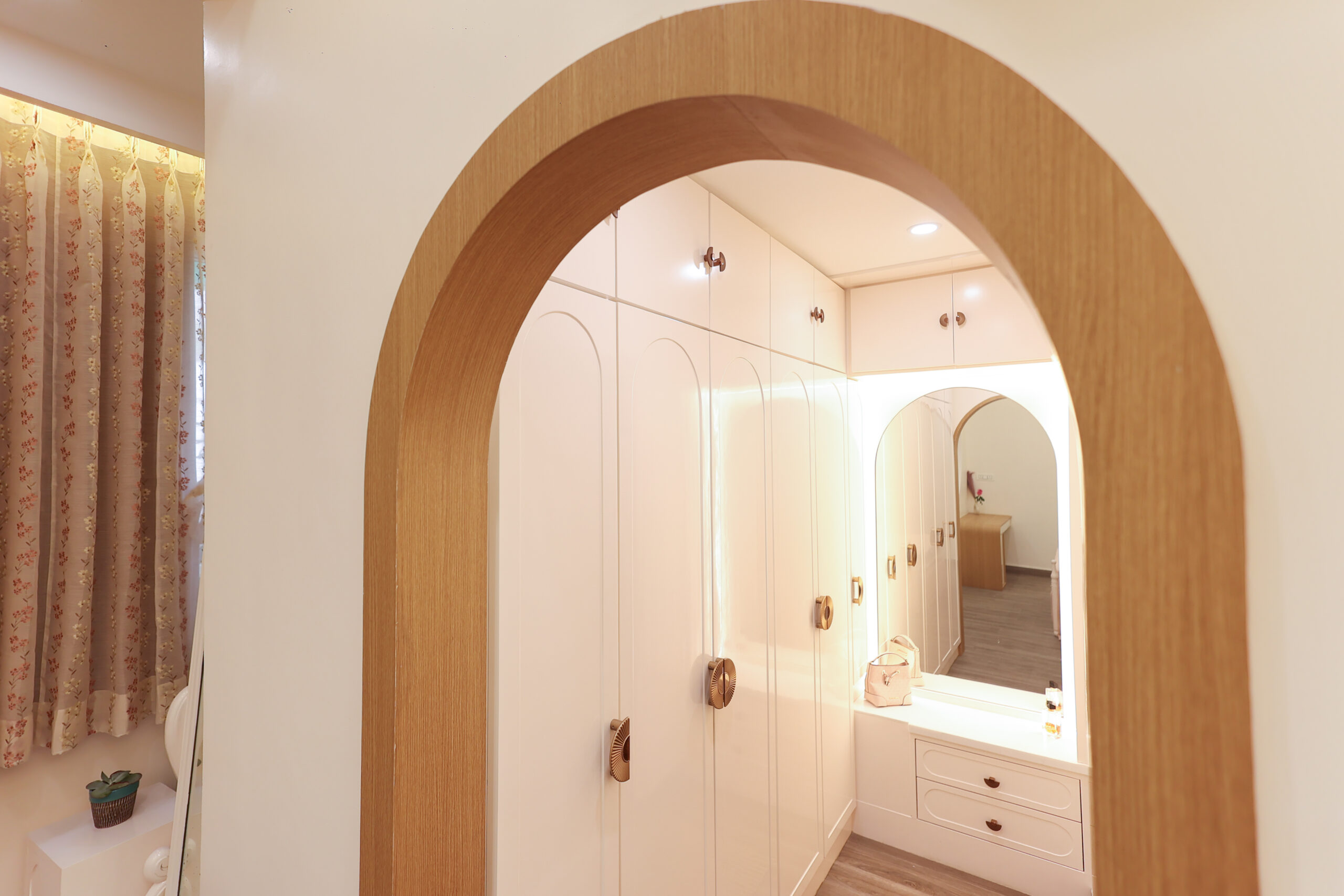
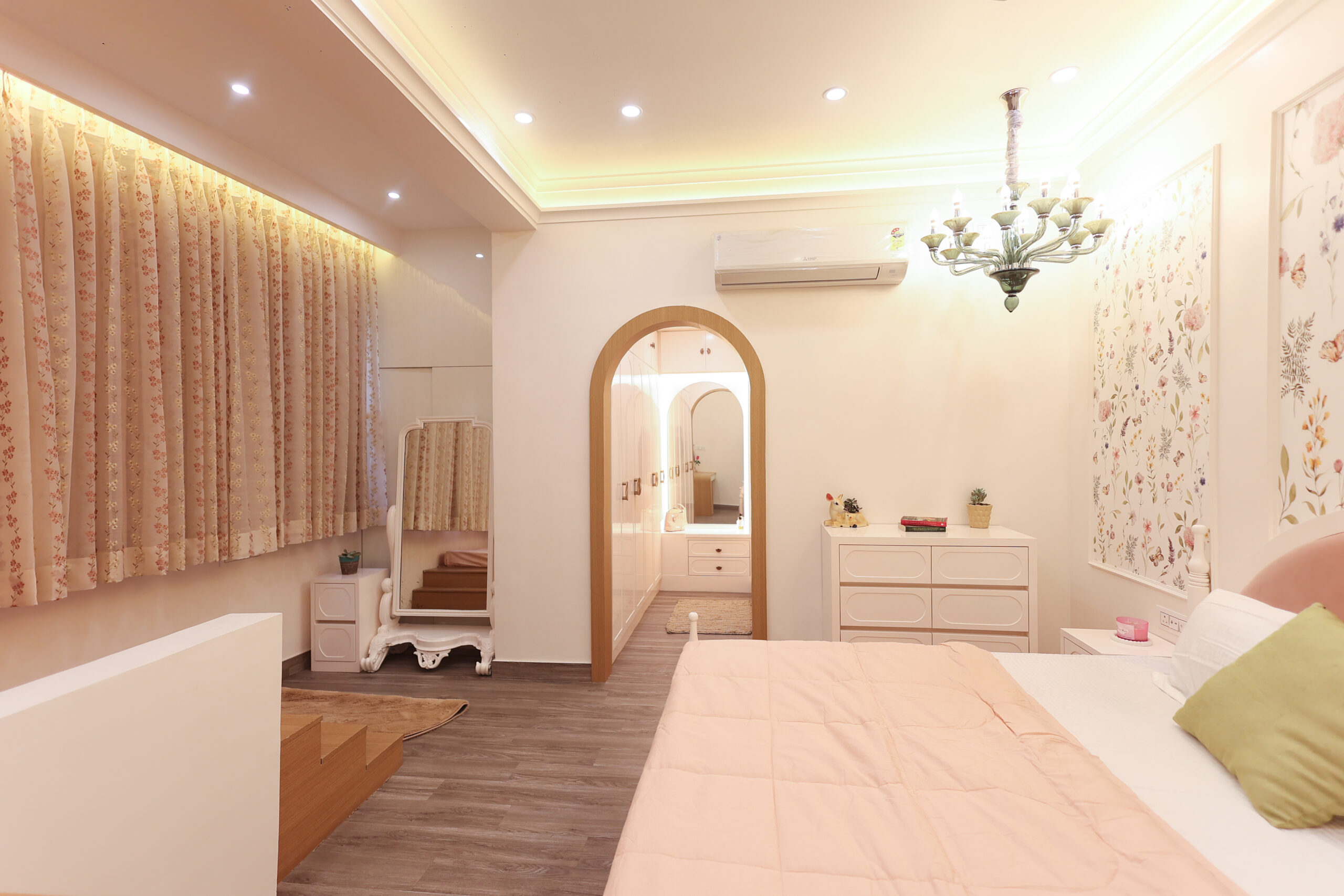
Homes are designed for comfort, relaxation, privacy, and personal expression. The space must support daily routines such as cooking, sleeping, working from home, and spending time with family.
Key priorities:
- Comfort and warmth
- Personal style and preferences
- Storage and organization
- Ease of maintenance
- Long-term usability
Commercial Interiors
Commercial spaces are designed to support business operations and customer experience. Every design decision affects productivity, workflow, branding, and revenue.
Examples include:
- Offices
- Retail stores
- Cafés and restaurants
- Clinics and salons
- Co-working spaces
Key priorities:
- Efficiency and workflow
- Customer movement and experience
- Brand identity
- Durability under heavy use
- Safety and compliance
At Avinnyya, residential projects begin with lifestyle understanding, while commercial projects begin with operational analysis.
2. Design Approach: Personalization vs Strategy
Residential Design Approach
Residential interiors are highly personal. Every family has different habits, routines, and preferences.
Design decisions depend on:
- Number of family members
- Storage needs
- Cooking habits
- Work-from-home requirements
- Kids, pets, or elderly users
- Style preferences (modern, minimal, traditional, etc.)
The emotional connection to space plays a major role.
Commercial Design Approach
Commercial interiors require a strategic mindset. The focus shifts from personal taste to business goals.
Design considerations include:
- Employee productivity
- Customer behavior and flow
- Brand positioning
- Space utilization efficiency
- Visibility and accessibility
For example:
- An office needs ergonomic layouts and acoustic planning
- A restaurant needs optimized seating turnover
- A retail store needs product visibility and circulation paths
Avinnyya combines aesthetics with business functionality to ensure the space performs as intended.
3. Durability & Material Selection
Residential Materials
Homes experience moderate daily use. Material selection focuses on:
- Comfort and finish quality
- Easy cleaning and maintenance
- Budget balance
- Longevity for regular household use
Examples:
- Laminates or veneers for wardrobes
- Quartz or granite for kitchens
- Soft lighting for comfort
Commercial Materials
Commercial spaces face heavy traffic and continuous use. Materials must be:
- Highly durable
- Scratch and stain resistant
- Fire-safe and compliant
- Easy to repair or replace
Examples:
- Commercial-grade laminates
- Anti-skid flooring
- Heavy-duty hardware
- Industrial lighting systems
At Avinnyya, material selection is always based on usage intensity, not just appearance.
4. Budget Structure & Cost Planning
Residential Budgeting
Residential budgets are typically emotional and lifestyle-driven. Clients want the best possible design within their comfort range.
Cost depends on:
- Size of the home
- Storage requirements
- Finish level
- Custom vs modular work
Transparency and detailed BOQs are critical to avoid surprises.
Commercial Budgeting
Commercial budgets are investment-driven. Business owners evaluate interiors based on:
- Return on investment (ROI)
- Brand positioning
- Customer experience impact
- Operational efficiency
For example:
A well-designed café layout can increase seating capacity and revenue.
Avinnyya ensures budget clarity in both cases, but the decision logic differs — lifestyle value vs business value.
5. Timeline & Execution Pressure
Residential Timelines
Residential projects usually have flexible timelines but emotional urgency — families want to move in quickly.
Challenges include:
- Society restrictions
- Coordination between vendors
- Last-minute design changes
Commercial Timelines
Commercial projects are highly time-sensitive because delays mean business loss.
Examples:
- Offices must open before operations begin
- Retail stores must launch before season sales
- Restaurants lose revenue if opening is delayed
Execution requires:
- Parallel work planning
- Strict scheduling
- Factory fabrication where possible
Avinnyya’s turnkey execution ensures faster delivery with minimal site disruption.
6. Compliance, Safety & Technical Requirements
Residential interiors have fewer regulatory requirements.
Commercial spaces, however, must follow:
- Fire safety norms
- Emergency exit planning
- Electrical load compliance
- Ventilation standards
- Accessibility guidelines
For example:
- Offices require proper lighting lux levels
- Restaurants require ventilation and kitchen safety planning
- Clinics require hygiene zoning
Avinnyya integrates technical planning early to avoid approval issues later.
7. Branding vs Personal Expression
Residential Spaces
Homes reflect personality, lifestyle, and emotional comfort.
Design may include:
- Favorite colors
- Family-focused layouts
- Personal décor
- Comfort-focused lighting
Commercial Spaces
Commercial interiors must communicate brand identity.
Design elements may include:
- Brand colors and materials
- Logo integration
- Customer experience zones
- Consistent visual language
For example:
A premium salon must feel luxurious, while a co-working space must feel energetic and collaborative.
Avinnyya ensures commercial interiors align visually with the brand’s positioning.
8. Maintenance & Lifecycle Planning
Residential maintenance is occasional and manageable by homeowners.
Commercial spaces require:
- Easy-clean surfaces
- Replaceable components
- Low downtime during repairs
- Long-term durability planning
Lifecycle cost matters more than initial cost.
This is why Avinnyya focuses on value-based material decisions rather than short-term savings.
9. User Behavior & Space Flow
Residential Flow
Movement is informal and comfort-based:
- Family interaction zones
- Private vs common areas
- Storage convenience
Commercial Flow
Movement is carefully designed:
- Customer entry and exit paths
- Waiting areas
- Service zones
- Staff circulation
Good flow improves:
- Productivity
- Customer experience
- Space efficiency
This is a critical part of commercial interior planning at Avinnyya.
10. Emotional vs Functional Decision Making
Residential decisions often involve emotions:
- “Does it feel like home?”
- “Is it comfortable for the family?”
Commercial decisions are performance-driven:
- “Will this improve efficiency?”
- “Will customers stay longer?”
- “Will this support the brand image?”
Understanding this difference helps avoid mismatched expectations.
How Avinnyya Approaches Both Differently
For Residential Projects
Avinnyya focuses on:
- Lifestyle-based layouts
- Storage optimization
- Comfort-focused lighting
- Durable yet aesthetic materials
- Personalized design collaboration
For Commercial Projects
Avinnyya focuses on:
- Workflow and zoning
- Customer experience design
- Brand integration
- Heavy-duty materials
- Fast turnkey execution
In both cases, the process includes:
- Discovery and requirement analysis
- Concept planning
- 3D visualization and technical drawings
- Material selection and BOQ freeze
- Factory fabrication and site execution
- Final handover with support
Why the Difference Matters
Many project issues happen when residential thinking is applied to commercial spaces or vice versa.
For example:
- Using residential materials in a high-traffic retail space
- Designing an office based only on aesthetics
- Ignoring workflow in a café layout
Understanding the difference ensures:
- Better performance
- Longer durability
- Smarter investment
- Smoother execution
Final Thoughts
Residential and commercial interiors may look similar on the surface, but their goals, priorities, and execution requirements are completely different.
Homes are about comfort, lifestyle, and emotional connection.
Commercial spaces are about efficiency, branding, and business performance.
At Avinnyya, the design process always begins with one question:
How will this space actually be used every day?
By aligning design with real behavior, operational needs, and long-term goals, Avinnyya delivers interiors that don’t just look good — they work beautifully in daily life.
Whether you are planning a home, office, retail store, or hospitality space, choosing the right design approach makes all the difference.
If you’re exploring a residential or commercial interior project, Avinnyya would be happy to understand your space and guide you with a practical, transparent, and turnkey process.