
The Rise of Green Interiors: Sustainable Materials and Practices
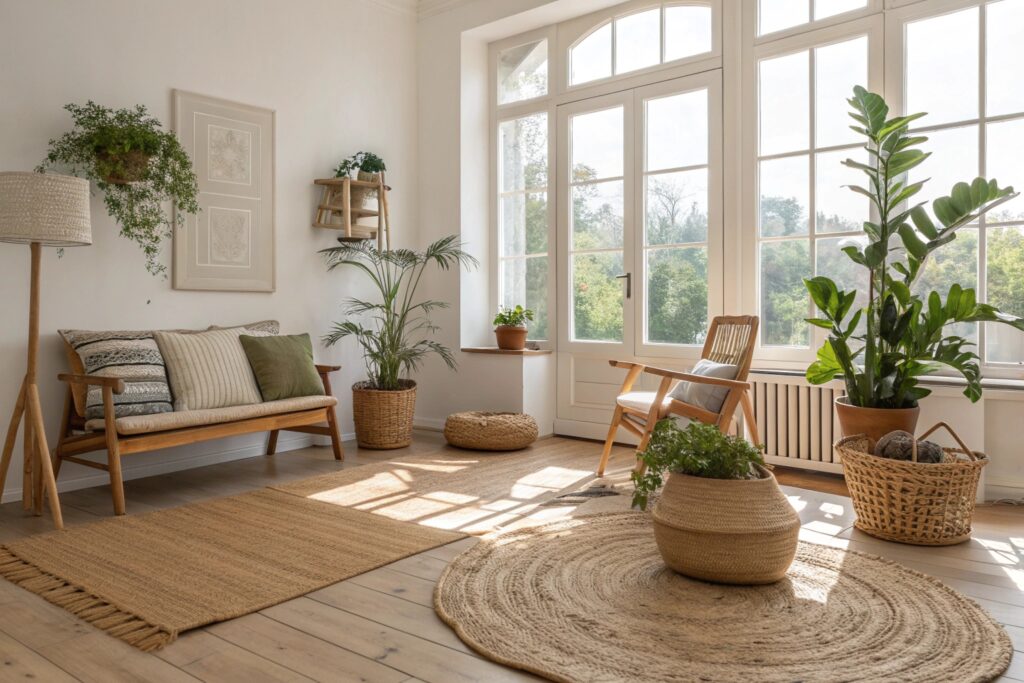

The global conversation around sustainability has moved beyond buzzwords and into a space of real action — and interior design is at the forefront of this shift. As climate concerns become more urgent and homeowners increasingly seek healthier, conscious lifestyles, the rise of “green interiors” is transforming the way we design, build, and occupy our spaces. Green interiors go beyond aesthetics; they prioritize environmental responsibility, human well-being, and material longevity. This change is especially visible in cities like Bangalore, where fast-paced urban development meets a growing movement toward eco-conscious living.
At Avinnyya, we believe that sustainable interior design is no longer an optional luxury — it is a necessary step toward building a future where beauty and responsibility coexist. This blog explores the evolution of eco-friendly interiors, the most impactful materials and practices, and how we integrate sustainability seamlessly into modern homes and workplaces across Bangalore.
Why Sustainable Interior Design Matters
Environmental Benefits
Our planet is under unprecedented strain as natural resources deplete and waste generation intensifies. Sustainable interior design directly addresses this challenge by reducing dependence on virgin materials, cutting down carbon emissions, and minimizing construction waste. Selecting responsibly sourced wood, recycled metal, or reclaimed stone means fewer trees cut, fewer resources extracted, and significantly lower energy used in manufacturing. By reducing waste through efficient planning, reuse, and recycling, green interiors help divert tons of material from landfills — reducing pollution and extending material life cycles.
Health Benefits
Indoor environments profoundly influence human well-being. Conventional interiors often include synthetic paints, adhesives, and finishes that release harmful chemicals into the air long after their installation. Green interiors prioritize low-VOC paints, natural finishes, breathable plasters, and toxin-free materials. The result is a healthier indoor atmosphere, improved air quality, and reduced allergy triggers. Additionally, biophilic elements such as natural light, plants, and organic textures have been shown to reduce stress, enhance focus, and improve mood — making sustainable spaces not only better for the planet, but better for people as well.
Economic Advantages
Contrary to the misconception that sustainability is costly, eco-friendly interiors often prove more economical in the long run. Durable materials like bamboo, reclaimed wood, and terracotta have long life spans and require less frequent replacement. Energy-efficient lighting, climate-responsive designs, and smart home systems reduce electricity bills significantly. Spaces built with sustainability in mind also see higher resale value as the demand for eco-conscious homes grows, especially among Bangalore’s young, environmentally aware population.
Key Principles of Green Interior Design
Sustainable interiors are built on a foundation of thoughtful choices. At their core are principles that help create spaces that are functional, efficient, and beautiful.
Resource Efficiency
Using fewer resources without compromising quality is one of the pillars of sustainable design. This includes selecting materials with low environmental impact, opting for locally sourced products to reduce transportation emissions, and planning layouts that reduce waste during construction. Efficient designs consider the entire lifecycle of materials — from sourcing to disposal — ensuring minimal ecological footprint at every stage.
Circular Design Thinking
Circular design challenges the traditional “take-make-dispose” model. Instead, it encourages reuse, repurposing, repairability, and recyclability. Furniture made with modular components, reclaimed materials, or items designed for easy refurbishment support a circular economy. A circular approach also prevents overconsumption — one of the biggest contributors to environmental degradation.
Biophilic Integration
Humans are biologically wired to connect with nature. Biophilic design harnesses this connection by incorporating elements inspired by nature — such as natural textures, organic shapes, indoor plants, daylighting, and water features. These elements create spaces that feel refreshing, grounding, and peaceful.
Energy & Water Optimization
Sustainable interiors leverage passive design strategies such as cross-ventilation, strategic window placements, light-diffusing surfaces, and thermal insulation. These reduce the reliance on artificial heating, cooling, and lighting. In addition, water-efficient fixtures and greywater-friendly systems conserve one of our planet’s most precious resources.
Sustainable Materials Transforming Modern Interiors
The choice of materials plays a crucial role in shaping environmentally conscious spaces. Today, a wide range of innovative and natural materials has made sustainable interiors more accessible, functional, and stylish.
Reclaimed Wood
Reclaimed wood is sourced from old buildings, warehouses, and antique furniture. It offers unparalleled texture and character, making each piece unique. Using reclaimed wood reduces the demand for new lumber and preserves existing forests. Its durability makes it ideal for flooring, shelves, wall cladding, and bespoke furniture.
Bamboo
Bamboo is often referred to as the “green steel of design.” It grows rapidly, regenerates without replanting, and requires minimal water — making it one of the most renewable materials available. Strong, lightweight, and visually appealing, bamboo is used for flooring, cabinetry, ceiling treatments, and decorative accents.
Cork
Harvested from the bark of cork oak trees without harming the trunk, cork is an exceptionally sustainable material. Its cushioning effect, thermal insulation, and sound-absorbing properties make it a wonderful choice for flooring, wall panels, and acoustic treatments in homes and offices.
Recycled Metal & Glass
Recycled metal and glass require significantly less energy to process compared to virgin materials. They are strong, elegant, and versatile — perfect for modern partitions, lighting fixtures, furniture frames, and decorative elements. Their high recyclability also ensures minimal environmental impact even at the end of their life cycle.
Eco-Friendly Paints & Finishes
Traditional paints may contain carcinogenic compounds. Today’s low-VOC and VOC-free paints, lime washes, and clay-based finishes ensure healthier interiors without compromising color or finish quality. These alternatives reduce indoor pollution and support breathable walls, which help regulate humidity.
Natural Fabrics
Organic cotton, khadi, hemp, jute, and linen are natural fabrics that not only look beautiful but also reduce synthetic waste. These textiles are ideal for upholstery, curtains, cushion covers, rugs, and wall hangings. Their breathable nature adds comfort to interiors while enhancing the natural aesthetic.
Clay, Terracotta & Lime Plasters
These materials have been part of Indian architecture for centuries. Their comeback in modern interiors stems from their eco-friendliness, thermal insulation properties, and artisanal charm. Terracotta tiles, lime plasters, and clay paints offer a warm, earthy aesthetic while making homes more energy-efficient and breathable.
Sustainable Design Practices Shaping Green Interiors
Energy-Efficient Lighting Design
Lighting accounts for a significant portion of a home’s energy consumption. Sustainable interiors prioritize LED lighting, which consumes far less electricity and lasts much longer than incandescent bulbs. Incorporating natural light through strategically placed windows, skylights, and reflective surfaces reduces the need for artificial lighting during the day. motion sensors and smart lighting systems further optimize energy use.
Waste-Respectful Space Planning
Thoughtful planning helps optimize material usage and minimize waste. Modular systems, precut panels, and standardized material sizes significantly reduce construction debris. Designers also increasingly use digital planning tools that eliminate trial-and-error on site, contributing to waste-free execution.
Upcycling & Repurposing
Old furniture doesn’t need to be discarded — it can be transformed. Vintage pieces can be refurbished with new finishes, upholstery, or structural additions. Repurposing salvaged materials—such as turning old doors into tabletops—adds both sustainability and character to interiors.
Indoor Plants & Green Walls
Indoor greenery has become a feature of sustainable design for good reason. Plants improve indoor air quality, reduce stress, and enhance the visual appeal of any space. Vertical gardens and balcony greens are particularly popular in Bangalore’s apartments, where space is premium but nature is still desired.
Water-Efficient Solutions
Water conservation is an integral part of sustainability. Low-flow faucets, dual-flush toilets, and aerators help reduce water consumption significantly. When possible, greywater reuse systems support further conservation, especially in larger residential and commercial projects.
The Role of Technology in Sustainable Interiors
Technology is bridging the gap between convenience and conservation. Smart home integrations allow residents to monitor and control energy use in real time, ensuring minimal wastage. Smart thermostats optimize indoor climate settings, while AI-powered systems can adapt lighting and temperature based on occupancy and usage patterns.
Material innovation is also accelerating. Bio-based materials made from mycelium (mushroom roots), algae-based plastics, and recycled composites are entering mainstream interior design. Digital tools further enhance sustainability by enabling designers to visualize spaces, detect inefficiencies, and avoid unnecessary rework.
Sustainable Interior Trends in Bangalore
Bangalore’s climate and culture make it an ideal hub for sustainable interior design. Homes increasingly incorporate natural ventilation, shaded balconies, and open layouts to reduce dependence on artificial cooling. Builders and homeowners are also choosing materials sourced from Karnataka’s local ecosystems, such as terracotta tiles, cane, and local timber species.
Minimalist design philosophies are becoming popular, as urban residents value clean, functional, and clutter-free spaces. Urban gardening, balcony greens, and compact vertical planters are trending among apartment dwellers who want to reconnect with nature despite limited square footage.
How Avinnyya Brings Sustainable Design to Life
At Avinnyya, sustainability is at the heart of every project we undertake. We curate materials that are responsibly sourced, durable, and aesthetically refined. By collaborating with local artisans and suppliers, we minimize environmental impact while supporting regional craftsmanship.
Our design process begins with understanding the client’s lifestyle and sustainability goals. We tailor each project with energy-efficient planning, thoughtful lighting, and eco-friendly materials. We also ensure waste-conscious execution by optimizing material usage and recycling construction debris wherever possible.
What sets Avinnyya apart is our ability to balance sustainability with style. Whether it’s a modern apartment, a serene family home, or a sophisticated commercial space, we integrate green design elements that elevate the visual language while ensuring healthier, more responsible living.
Practical Tips for Homeowners to Adopt Green Interiors
Sustainability does not require an overnight overhaul. You can begin by upcycling existing furniture, choosing long-lasting products, and replacing chemical-heavy paints with natural alternatives. Adding indoor plants, switching to energy-efficient appliances, and reducing plastic-based décor can create meaningful improvements with minimal effort.
The Future of Sustainable Interiors
As sustainability becomes a global priority, the future of interior design is shifting toward regenerative systems, zero-waste homes, and carbon-neutral materials. Bangalore’s eco-conscious population is increasingly adopting these innovations, making the city an exciting ground for sustainable design evolution. With AI-driven planning, advanced material innovation, and strong environmental awareness, the interior spaces of tomorrow will be intelligent, efficient, and planet-positive.
Conclusion
Green interiors represent more than a trend — they are an essential shift toward a healthier, more responsible lifestyle. By choosing sustainable materials, optimizing energy use, and adopting eco-conscious practices, we can build spaces that nurture both people and the planet. At Avinnyya, we are committed to leading this movement in Bangalore by designing interiors that blend beauty, sustainability, and innovation. Whether you’re building a new home or transforming an existing one, sustainable interiors are the future — and the future begins with the choices we make today.