
Space-Saving Interior Design: Smart Ways to Maximize Small Spaces
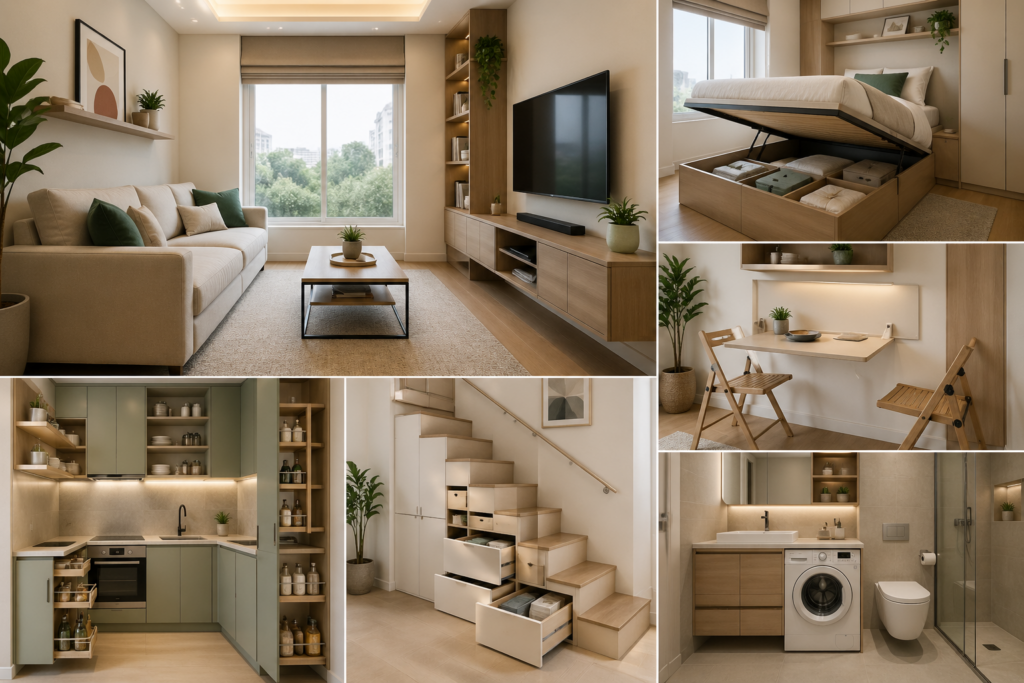

Modern urban living often comes with a trade-off—less space. As cities grow denser and property prices rise, homeowners are increasingly adapting to compact apartments and smaller homes. However, limited square footage doesn’t have to mean limited comfort or style. With thoughtful planning and creative solutions, even the smallest spaces can feel open, functional, and visually appealing.
Space-saving interior design focuses on optimizing every inch of available space without compromising on aesthetics. It blends smart furniture, clever layouts, and innovative storage solutions to create homes that feel spacious and organized. At Avinnyya, the goal is to transform compact living areas into elegant, highly functional environments tailored to modern lifestyles.
Understanding Small Space Challenges
Designing small spaces requires a different mindset compared to larger homes. One of the most common challenges is clutter accumulation. Without proper storage, everyday items quickly pile up, making the space feel cramped and chaotic. Another issue is poor layout planning, where furniture placement blocks natural movement and disrupts flow.
Limited natural light can also make a room appear smaller than it actually is. Dark corners and heavy furniture absorb light, creating a closed-in feeling. Additionally, lack of dedicated storage often forces homeowners to compromise on organization.
Understanding these challenges is the first step toward solving them. A well-designed small space prioritizes functionality, simplicity, and visual openness, ensuring that every element serves a purpose.
Smart Furniture Choices
Multi-Functional Furniture
One of the most effective ways to maximize space is by investing in multi-functional furniture. These pieces serve more than one purpose, reducing the need for additional items. For example, a sofa bed can function as seating during the day and transform into a sleeping area at night, making it ideal for studio apartments or guest rooms.
Storage ottomans are another excellent option, offering both seating and hidden storage. Foldable dining tables can be expanded when needed and tucked away when not in use. Beds with built-in drawers eliminate the need for bulky wardrobes or extra storage units.
By choosing furniture that adapts to different needs, homeowners can significantly reduce clutter and free up valuable floor space.
Modular Furniture
Modular furniture is designed to be flexible and customizable. It allows homeowners to rearrange or expand their setup based on changing requirements. For small spaces, this adaptability is incredibly valuable.
Modular wardrobes, for instance, can be configured to fit awkward corners or tight spaces. Shelving units can be adjusted to accommodate different items, ensuring efficient use of vertical space. This type of furniture not only maximizes functionality but also provides a clean, cohesive look.
Wall-Mounted and Floating Pieces
Wall-mounted furniture is a game-changer for compact homes. Floating desks, shelves, and TV units free up floor space, making the room appear larger and less cluttered. They also create a sleek, modern aesthetic.
Floating nightstands and wall-mounted cabinets are particularly useful in bedrooms, where space is often limited. By keeping the floor clear, these elements enhance both functionality and visual appeal.
Clever Storage Solutions
Vertical Space Utilization
In small homes, vertical space is often underutilized. Instead of spreading storage horizontally, going upward can significantly increase capacity. Floor-to-ceiling cabinets, tall bookshelves, and hanging organizers make use of otherwise unused wall space.
This approach not only provides more storage but also draws the eye upward, creating the illusion of higher ceilings and a more spacious room.
Hidden Storage Ideas
Hidden storage solutions are essential for maintaining a clean and uncluttered look. Under-bed storage compartments are perfect for storing seasonal clothing, bedding, or rarely used items.
Furniture with concealed compartments—such as coffee tables with hidden storage or benches with lift-up seats—adds functionality without adding visual bulk. Even staircases can be transformed into storage units with built-in drawers.
Built-In Storage
Built-in storage is one of the most efficient ways to maximize small spaces. Custom cabinetry can be designed to fit specific dimensions, ensuring no space is wasted. Window seats with storage underneath provide both seating and functionality.
Niche shelves built into walls are another smart solution, offering storage without protruding into the room. These features create a seamless, integrated look while enhancing usability.
Layout Optimization Techniques
The layout of a room plays a crucial role in how spacious it feels. Open-plan layouts are particularly effective for small homes, as they eliminate unnecessary walls and create a sense of continuity.
Zoning is another important technique. Instead of using physical partitions, different areas can be defined using rugs, lighting, or furniture placement. For example, a sofa can act as a divider between the living and dining areas.
Strategic furniture placement is key. Positioning furniture against walls and utilizing corners can free up central space, improving movement and flow. Avoiding bulky partitions ensures that light can travel freely throughout the room.
Light and Color Strategies
Light Colors and Neutrals
Color has a significant impact on how a space is perceived. Light colors such as white, beige, and soft pastels reflect light, making a room appear larger and more open. Monochromatic color schemes further enhance this effect by creating visual continuity.
Dark colors, while stylish, can make small spaces feel enclosed if not used carefully. Balancing them with lighter tones is essential.
Mirrors and Reflective Surfaces
Mirrors are one of the oldest tricks in the book for making spaces look bigger. They reflect light and create the illusion of depth, effectively doubling the perceived size of a room.
Placing mirrors opposite windows maximizes natural light, while mirrored furniture and glossy finishes add a subtle reflective quality that enhances brightness.
Lighting Design
Proper lighting is crucial in small spaces. Layered lighting—combining ambient, task, and accent lighting—ensures that every corner is well-lit.
Wall sconces and pendant lights are excellent alternatives to floor lamps, as they save space while providing ample illumination. LED strip lighting can be used under cabinets or shelves to add depth and dimension.
Space-Enhancing Design Tricks
Small design changes can have a big impact. Using glass or transparent materials for furniture, such as acrylic chairs or glass tables, reduces visual weight and makes the room feel less crowded.
Sliding doors are another smart solution, as they don’t require additional space to open. Minimalist decor helps maintain a clean and uncluttered look, allowing the space to breathe.
Decluttering is perhaps the most important principle. Keeping only essential items and organizing them efficiently ensures that the space remains functional and visually appealing.
Small Room-Specific Ideas
Living Room
In a small living room, compact seating and wall-mounted entertainment units are essential. Choosing furniture with exposed legs can create a sense of openness, while neutral upholstery keeps the look light and airy.
Bedroom
Bedrooms benefit from storage beds or loft beds, which free up floor space. Minimal bedside furniture and wall-mounted lighting further enhance functionality.
Kitchen
Small kitchens require smart organization. Pull-out cabinets, magnetic wall racks, and foldable countertops maximize efficiency. Keeping countertops clutter-free is key to maintaining a spacious feel.
Bathroom
Bathrooms can be optimized with wall-mounted vanities and recessed shelves. Compact fixtures and smart storage solutions ensure that even the smallest bathrooms remain functional and stylish.
Technology and Smart Design
Technology is playing an increasingly important role in interior design. Smart home solutions, such as automated lighting and space-saving appliances, enhance convenience while reducing clutter.
Automated storage systems and compact, multifunctional appliances are particularly useful in small homes. These innovations make it easier to maintain an organized and efficient living space.
Common Mistakes to Avoid
One of the biggest mistakes in small space design is overcrowding the room with too much furniture. This not only limits movement but also makes the space feel cramped.
Ignoring vertical space is another common error. Many homeowners focus only on floor space, missing out on valuable storage opportunities above.
Poor lighting choices and excessive use of colors or patterns can also disrupt the visual harmony of a room. Keeping the design simple and cohesive is essential for achieving a spacious look.
Benefits of Space-Saving Interior Design
Space-saving interior design offers numerous benefits beyond just aesthetics. It improves functionality by ensuring that every element serves a purpose. Better organization leads to a more comfortable and stress-free living environment.
Additionally, a well-designed small space can feel just as luxurious as a larger home. By focusing on quality over quantity, homeowners can create interiors that are both stylish and practical.
Why Choose Avinnyya for Smart Interiors
Avinnyya specializes in creating customized interior solutions that maximize space without compromising on design. With a focus on modern aesthetics and functional layouts, the brand transforms compact homes into elegant living spaces.
Whether it’s modular furniture, smart storage solutions, or optimized layouts, Avinnyya ensures that every project is tailored to the client’s needs. If you’re looking for an expert interior design company in bangalore, Avinnyya brings innovation, creativity, and practicality together to deliver exceptional results.
Conclusion
Small spaces present unique challenges, but they also offer exciting opportunities for creativity. With the right approach, even the most compact homes can be transformed into stylish, functional, and comfortable living environments.
From multi-functional furniture to clever storage solutions and thoughtful layouts, space-saving interior design is all about making the most of what you have. By embracing these strategies, homeowners can create spaces that feel larger, brighter, and more inviting.
Transform your compact home into a spacious haven with Avinnyya’s expert interior design solutions.