
Step-by-Step Guide to Planning Your Home Interiors
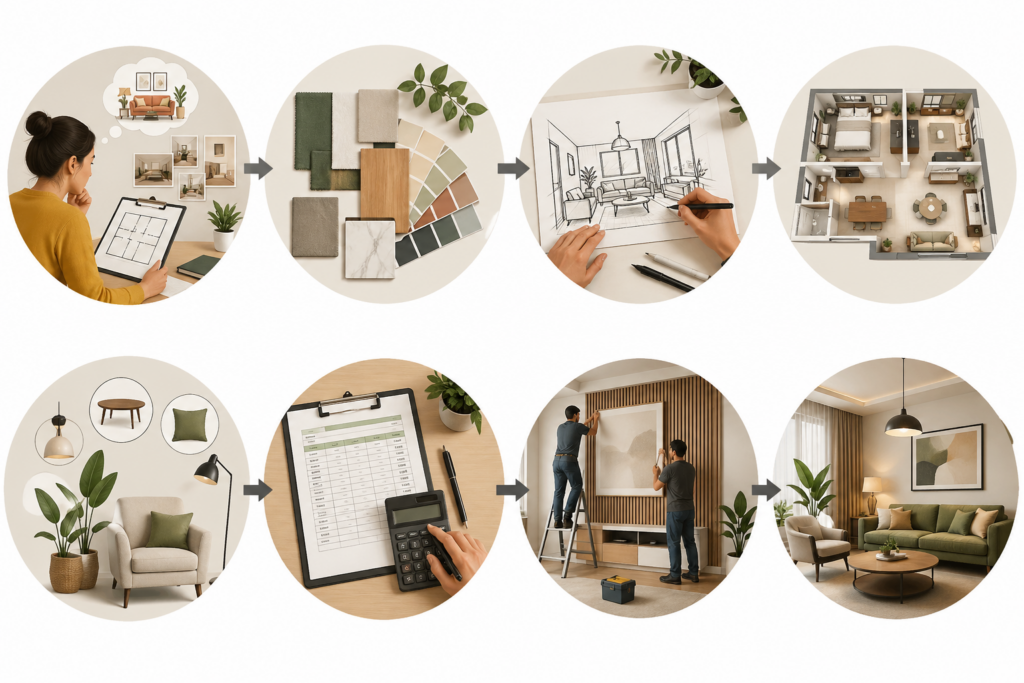

Designing your home is one of the most exciting yet overwhelming experiences. Whether you are moving into a new house or renovating your current space, proper planning is the difference between a beautiful, functional home and a chaotic, expensive mistake. Many homeowners jump straight into buying furniture or choosing paint colors without a structured plan, which often leads to mismatched styles, cluttered spaces, and budget overruns.
This detailed guide will walk you through a step-by-step process to plan your home interiors, helping you make informed decisions from start to finish. By the end, you’ll have clarity on how to transform your vision into a well-designed, practical living space.
Step 1: Define Your Needs & Lifestyle
Before thinking about colors, furniture, or décor, you need to understand how your home will actually function. A well-designed interior is not just about aesthetics—it should support your daily life seamlessly.
Start by analyzing your lifestyle. Do you work from home? Do you frequently host guests? Do you have kids or pets? Each of these factors directly influences your interior planning. For example, a family with children may prioritize durable materials and extra storage, while a working professional may need a dedicated home office.
It’s also important to identify your priorities. Some people value comfort above all else, while others focus on visual appeal. Creating a balance between functionality and aesthetics ensures your home is both livable and stylish.
Think room by room. Your living room might need to accommodate entertainment and relaxation, while your bedroom should focus on comfort and tranquility. Writing down your needs for each space will give you a strong foundation for the next steps.
Step 2: Set a Realistic Budget
Budgeting is often overlooked, yet it is one of the most critical aspects of interior planning. Without a clear financial plan, expenses can quickly spiral out of control.
Begin by defining your overall budget and then break it down into categories such as furniture, lighting, décor, materials, and labor. This helps you understand where your money is going and prevents overspending in one area at the expense of another.
A smart approach is to allocate more budget to high-impact elements like sofas, beds, and cabinetry, as these are long-term investments. Decorative items and accessories can be adjusted based on what remains.
Always keep a contingency buffer of around 10–15% for unexpected costs. Hidden expenses such as installation charges, delivery fees, or minor repairs can arise during execution.
Planning your finances in advance ensures that your project remains stress-free and aligned with your expectations.
Step 3: Choose Your Interior Design Style
Your design style sets the tone for your entire home. Without a clear direction, you may end up mixing too many styles, resulting in a cluttered and inconsistent look.
There are various popular interior styles to explore. Minimalist design focuses on simplicity and clean lines, while modern interiors emphasize sleek finishes and functionality. Traditional designs bring warmth and elegance, whereas Scandinavian style combines simplicity with comfort. Industrial interiors, on the other hand, highlight raw materials like metal and exposed brick.
To discover your style, gather inspiration from platforms like Pinterest, home décor magazines, and showroom visits. Save images that resonate with you and look for patterns—this will help you identify your preferences.
Once you finalize a style, maintain consistency across all rooms. This doesn’t mean every space should look identical, but there should be a cohesive visual language that ties everything together.
Step 4: Space Planning & Layout Design
Space planning is where your ideas start taking shape. It involves arranging furniture and defining zones to maximize functionality and flow.
Start by measuring your rooms accurately, including doors, windows, and architectural elements. This helps you avoid buying furniture that doesn’t fit or disrupts movement.
Think about how you want to use each space. For instance, an open-plan living area can be divided into zones for lounging, dining, and working. Proper zoning ensures that each area serves its purpose without interfering with others.
Furniture placement plays a key role in layout design. Avoid pushing all furniture against the walls, as this can make the space feel disconnected. Instead, create conversational groupings that enhance usability.
For smaller homes, opt for space-saving solutions like foldable furniture or wall-mounted units. In larger spaces, ensure there is enough balance to prevent emptiness or overcrowding.
Using digital tools or consulting professionals can help you visualize layouts before execution, saving time and effort.
Step 5: Choose the Right Color Palette
Colors have a powerful impact on mood and perception. The right color palette can make a room feel spacious, cozy, vibrant, or calming.
Start with a base color for walls, then add complementary shades for furniture and décor. Neutral tones like white, beige, and grey are versatile and timeless, while bold colors can be used as accents to create visual interest.
Understanding color psychology is also helpful. For example, blue promotes calmness, green brings freshness, and yellow adds energy. Choose colors based on the mood you want to create in each room.
Lighting also affects how colors appear, so test samples in different lighting conditions before making a final decision.
Avoid overusing too many colors in one space. A balanced palette with two to three primary shades usually works best.
Step 6: Select Furniture Smartly
Furniture is the backbone of your interiors, and choosing the right pieces is essential for both comfort and functionality.
Focus on quality over quantity. Instead of filling your home with too many items, invest in fewer, well-designed pieces that serve a purpose.
Size and proportion are crucial. Oversized furniture can overwhelm a small room, while tiny pieces may look out of place in a large space. Always measure your area before purchasing.
Multi-functional furniture is a great option for modern homes. Beds with storage, extendable dining tables, and sofa-cum-beds can help maximize space without compromising on style.
Material selection is equally important. Wooden furniture adds warmth, metal brings a modern edge, and upholstered pieces enhance comfort. Choose materials that align with your lifestyle and maintenance preferences.
Step 7: Plan Lighting Like a Pro
Lighting is often underestimated, yet it plays a vital role in enhancing the overall ambiance of your home.
A well-lit space uses a combination of ambient, task, and accent lighting. Ambient lighting provides general illumination, task lighting focuses on specific activities like reading or cooking, and accent lighting highlights architectural features or décor.
Natural light should be maximized wherever possible. Use sheer curtains or blinds to allow sunlight to enter while maintaining privacy.
Layering different types of lighting creates depth and flexibility. For example, a living room can have ceiling lights, floor lamps, and wall sconces to suit different moods and occasions.
Energy-efficient lighting options such as LED fixtures not only reduce electricity bills but also have a longer lifespan.
Step 8: Storage & Organization Solutions
A clutter-free home is essential for both aesthetics and functionality. Proper storage planning ensures that everything has its place.
Built-in storage solutions like wardrobes, cabinets, and shelves are ideal for maximizing space. Modular designs offer flexibility and can be customized based on your needs.
In smaller homes, smart storage ideas such as under-bed storage, wall-mounted shelves, and hidden compartments can make a significant difference.
Decluttering regularly is equally important. Even the best storage solutions won’t help if unnecessary items keep piling up.
An organized home not only looks better but also makes daily life more efficient and stress-free.
Step 9: Add Textures, Fabrics & Materials
Textures add depth and character to your interiors, making them feel more inviting and visually interesting.
Mixing different materials such as wood, glass, metal, and fabric creates a balanced look. For example, pairing a wooden table with metal accents and soft upholstery can enhance the overall design.
Fabrics play a major role in comfort and style. Curtains, rugs, cushions, and throws can instantly transform a space. Choose materials that are durable and easy to maintain.
Layering textures is key to avoiding a flat or monotonous appearance. Combining smooth, rough, soft, and shiny surfaces adds richness to your interiors.
Seasonal changes can also be reflected through fabrics, allowing you to refresh your home without major investments.
Step 10: Decor & Personalization
Décor is what makes your house feel like a home. It reflects your personality and adds a unique touch to your interiors.
Wall art, photographs, indoor plants, and decorative accessories can enhance the visual appeal of your space. However, it’s important to strike a balance and avoid over-decorating.
Personalization is key. Display items that have sentimental value or tell your story. This could include travel souvenirs, family photos, or handmade pieces.
Minimalism is often more impactful than excess. Carefully curated décor elements can create a sophisticated and elegant look.
Step 11: Hire Professionals (If Needed)
While many homeowners prefer a DIY approach, hiring professionals can bring expertise and efficiency to your project.
Interior designers have the knowledge to optimize space, select materials, and execute designs effectively. They can also help you avoid costly mistakes.
If your project is complex or involves structural changes, professional assistance is highly recommended. When choosing a designer, review their portfolio, discuss your budget, and ensure clear communication.
If you’re exploring expert help, you can also check services offered by an interior design company in bangalore to understand how professionals structure and deliver projects at scale.
Step 12: Execution & Final Touches
Once planning is complete, it’s time to bring your vision to life. Execution involves coordinating with contractors, purchasing materials, and overseeing the installation process.
Create a timeline to ensure that each stage of the project is completed on schedule. Regular supervision helps maintain quality and prevents delays.
Before finalizing, conduct a thorough inspection to ensure everything meets your expectations. Check finishes, fittings, and functionality.
The final touches, such as styling and arrangement, bring everything together. Small details like cushion placement, lighting adjustments, and décor arrangement can make a big difference.
Common Mistakes to Avoid
Even with careful planning, certain mistakes can affect the outcome of your interiors. Ignoring lighting, overcrowding spaces, neglecting storage, and blindly following trends are some of the most common pitfalls.
Always prioritize functionality over appearance and make decisions that suit your lifestyle rather than temporary trends.
Conclusion
Planning your home interiors doesn’t have to be overwhelming. By following a structured, step-by-step approach, you can create a space that is both beautiful and functional.
From understanding your needs and setting a budget to choosing the right furniture, lighting, and décor, every step plays a crucial role in achieving your dream home.
Take your time, plan carefully, and make informed decisions. With the right approach, your home can truly become a reflection of your personality and lifestyle.