
Sustainable Interior Design: Eco-Friendly Choices for a Greener Home
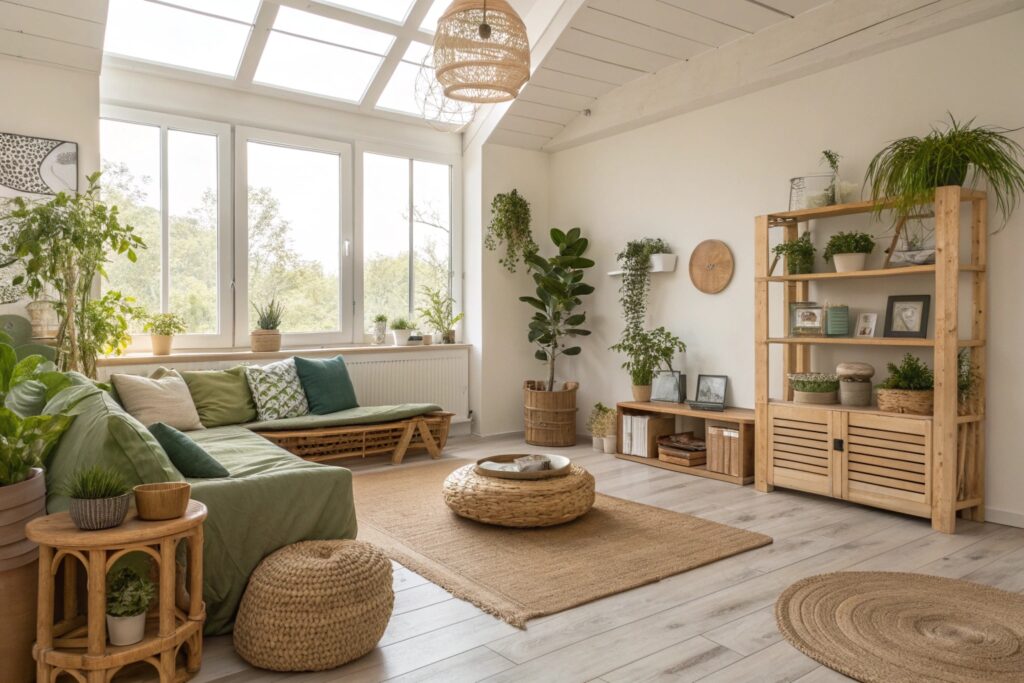

In a world increasingly affected by climate change, pollution, and overconsumption, sustainability is no longer just a trend — it is a responsibility. As people across India embrace greener lifestyles, the idea of sustainability has entered every corner of modern living. One of the most powerful ways to make a long-term environmental impact begins right at home. Sustainable interior design blends beautiful aesthetics with eco-friendly choices that ensure your living space is healthier, efficient, and environmentally responsible.
In this Blog we will explore in depth what sustainable interior design means, why it matters, and how homeowners can make meaningful changes through materials, energy-efficient strategies, and thoughtful planning. It also discusses the design philosophy of experts like Avinnyya, who bring sustainability into the heart of modern interiors.
The Growing Importance of Sustainable Living
The last decade has seen rising awareness about pollution, waste generation, and carbon footprint. Urban households, even unintentionally, contribute significantly to environmental degradation through high energy use, synthetic materials, fast-furniture waste, and poor water management. But the positive news is that with conscious design, every home can dramatically reduce its environmental impact.
Sustainable interior design focuses on creating a home that is both aesthetically appealing and ecological. It embraces natural materials, energy-efficient fixtures, thoughtful layouts, and long-lasting design solutions. Instead of chasing trends that require frequent replacements, sustainability encourages timeless décor and responsible choices.
In environmentally sensitive and design-forward cities like Bangalore, this shift is especially relevant. With increasing urbanization, homeowners are seeking smarter, efficient, and eco-conscious solutions — and sustainable interior design is the perfect way to start.
What Exactly Is Sustainable Interior Design?
At its core, sustainable interior design is an approach that minimizes negative environmental impact while maximizing functionality and beauty. It encourages:
- Responsible selection of materials
- Energy efficiency
- Improved indoor air quality
- Waste reduction
- Resource conservation
- Long-term durability
Unlike conventional design, which often prioritizes appearance alone, sustainability focuses on how every element — from flooring to lighting — affects the environment and the people living in the space.
Sustainable homes are more comfortable, healthier, and less costly to maintain. They reduce the carbon footprint, promote cleaner air inside the home, conserve electricity and water, and use materials that are ethically sourced and safe for both humans and the planet.
Eco-Friendly Material Choices That Transform Your Home
One of the most influential decisions in interior design is the choice of materials. Eco-friendly materials not only reduce environmental damage but also enhance the overall health and aesthetic of your home.
1. Sustainable Flooring Options
Flooring defines the energy of your home, and sustainable choices can significantly reduce environmental impact. Bamboo flooring is an excellent example; it is rapidly renewable, highly durable, and adds sleek elegance to contemporary spaces. Cork flooring offers superior comfort underfoot and exceptional thermal insulation, making it ideal for bedrooms and living rooms.
Reclaimed wood is another sustainable choice that adds warmth and history to a space while reducing deforestation. Natural stone, though more resource-intensive, offers a long lifespan, minimizing the need for replacement. Recycled tiles made from reused ceramic or glass waste are also trending for those who want an artistic, eco-conscious touch.
2. Wall Treatments That Promote a Healthy Home
Traditional paints release volatile organic compounds (VOCs), which significantly lower indoor air quality. Opting for low-VOC or zero-VOC paints helps maintain a toxin-free environment. Natural wall finishes like lime wash or clay plaster offer a breathable, rustic appeal while regulating humidity levels.
Eco-friendly wallpapers made from recycled paper, organic inks, or natural fibers further elevate interiors while reducing ecological harm.
3. Conscious Furniture and Upholstery Choices
Furniture has one of the highest impacts in interior design. Choosing solid wood furniture certified by responsible forestry bodies ensures durability and sustainability. Natural fabrics like organic cotton, linen, hemp, and jute reduce chemical exposure and lend an earthy softness to your home.
Recycled metal or glass furniture aligns modern style with eco-consciousness. Upcycling — modifying old furniture into something beautiful and functional — is another way to contribute to a circular economy while adding character to your home.
4. Décor That Blends Nature and Style
Natural fiber rugs, terracotta planters, rattan accessories, handcrafted art, and locally made décor pieces reduce carbon footprint while adding timeless charm. The beauty of sustainable décor is that it never goes out of style — it evolves with the space.
Energy Efficiency: The Heart of Greener Living
Energy consumption is one of the most critical areas where homeowners can make a significant difference. Thoughtful energy-efficient design can bring down electricity bills while reducing environmental strain.
Maximizing natural light is one of the first steps in sustainable home planning. Large windows, strategically positioned openings, and reflective surfaces brighten your interiors without relying on artificial lights.
Switching to LED lighting saves up to 75% more energy compared to incandescent bulbs. Smart lighting systems with dimmers, timers, and motion sensors add convenience and further reduce wastage.
Choosing energy-efficient appliances, especially refrigerators, air conditioners, and washing machines, has a long-term impact on both sustainability and budgeting. Integrating smart-home technology, such as energy monitoring devices and smart thermostats, helps optimize energy usage with minimal effort.
In climates with high sunlight exposure, solar panels and solar water heaters provide clean, renewable energy and significant savings over time. These steps collectively make your home energy-responsible.
Water Conservation: A Core Component of Sustainability
Water scarcity is becoming a significant concern in many Indian cities, making water conservation essential in sustainable home design. Installing low-flow faucets, aerators, and dual-flush toilets conserves thousands of liters annually without compromising comfort.
Smart irrigation systems for balcony or terrace gardens use moisture sensors to prevent water wastage. Integrating rainwater harvesting systems ensures that precious rainwater is collected and reused, reducing dependency on municipal water.
Greywater recycling systems, which divert water from sinks and showers to gardens or flush tanks, offer an advanced yet accessible solution for independent homes.
Indoor Air Quality and Creating a Healthy Living Environment
A sustainable home is not only environmentally friendly but also healthier for those living in it. Poor indoor air quality can lead to allergies, fatigue, and respiratory problems. Using toxin-free materials, natural cleaning products, and low-VOC finishes dramatically improves indoor air quality.
Indoor plants play a significant role in purifying air. Species like snake plant, areca palm, spider plant, and peace lily are effective at removing toxins while enhancing the sense of calm and greenery inside your home.
Proper ventilation — through cross-breeze planning, kitchen chimneys, bathroom exhaust fans, and open layouts — ensures fresh air circulation and prevents mold or humidity buildup. These small steps make daily living more comfortable and healthier.
Sustainable Furniture and Circular Design Practices
Overconsumption in home décor leads to tremendous waste. Sustainable interior design adopts circular design principles where materials are reused, refurbished, or repurposed instead of discarded.
Modular furniture that adapts to different needs over time reduces the frequency of replacements. Multi-functional pieces such as sofa-cum-beds, collapsible dining tables, and storage-integrated seating optimize space, especially in compact urban homes.
Locally made furniture reduces the carbon footprint associated with transportation while supporting artisan communities. Upcycling old furniture with new finishes, fabrics, or structural modifications brings both sustainability and charm into interiors.
Biophilic Design: Bringing Nature Indoors
Biophilic design enhances human well-being by strengthening the connection between home interiors and nature. This includes adding plants, natural lighting, organic shapes, and nature-inspired materials.
Vertical gardens, indoor planters, and balcony greens create refreshing environments. Natural materials like stone, bamboo, clay, rattan, and wood add warmth and grounding elements. Even small water features, like a tabletop fountain or an aquarium, introduce a sense of calm and improve mental well-being.
Biophilic elements make your home feel serene, alive, and connected to the outdoors — a key pillar of sustainable design.
Room-by-Room Sustainable Design Guide
Every room in a home offers opportunities for eco-conscious design. The living room can incorporate natural fabrics, efficient lighting, and toxin-free wall finishes. The kitchen benefits from low-VOC cabinetry, energy-saving appliances, and built-in waste segregation systems.
Bedrooms can include organic bedding, solid wood wardrobes, and plants to improve sleep quality. Bathrooms equipped with low-flow fixtures, natural stone, and good ventilation become both eco-friendly and luxurious. Outdoor spaces like balconies can flourish with edible gardens, recycled seating, and solar lighting.
Myths About Sustainable Interior Design — Debunked
A common misconception is that sustainable design is expensive. In reality, eco-friendly choices often save money over time through lower maintenance, lower utility bills, and longer-lasting materials. Another myth is that sustainable homes look rustic or outdated — but modern design has embraced sustainability to create elegant, minimalistic, and contemporary interiors.
Some believe eco-friendly materials are hard to find, but growing demand ensures wide availability today. Finally, sustainable homes are not harder to maintain — they are often easier, thanks to durability and natural materials.
Why Choose Sustainable Interior Design?
Sustainable design is not just an aesthetic choice; it is a lifestyle shift. It shapes healthier, more efficient, long-lasting spaces and contributes to environmental preservation. For homeowners seeking expert guidance, design firms like Avinnyya take sustainability seriously, combining technical expertise with modern style to create homes that are beautiful, functional, and ecologically responsible.
A greener home improves well-being, reduces long-term expenses, and ensures that your lifestyle contributes positively to the planet. Sustainable interior design is the way forward — and every thoughtful choice brings us closer to a healthier world.